Camera
Polizeiruf 110 is a long-running German language detective television series. The first episode was broadcast 27 June 1971 in the German Democratic Republic, and after the dissolution of Fernsehen der DDR the series was picked up by ARD. It was originally created as a counterpart to the West German series Tatort, and quickly became a public favorite.
No description available.
Annual awarding of the Grimme Awards.
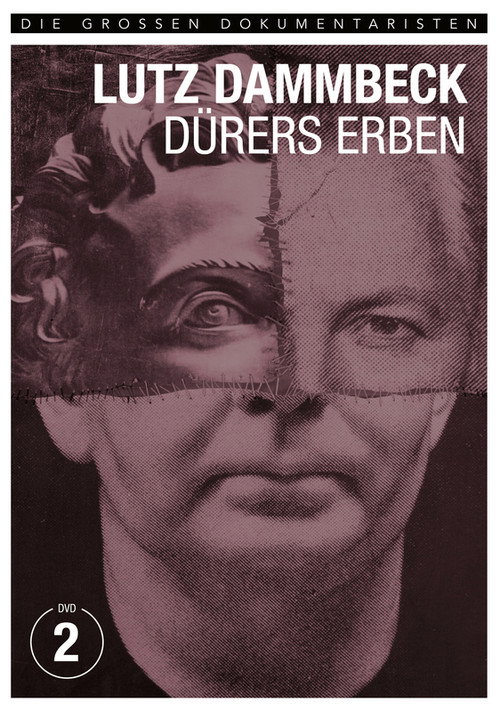
Dammbeck, himself an alumnus of the Leipzig Academy for Graphic and Book Design, presents the origins of the new German realism developed by the so-called Leipzig School, which took place in the context of socialist-realist dogma in the GDR before the Wall was built in 1961. After the Wall came down in 1989, what happened to the major Leipzig School painters Werner Tübke and Bernhard Heisig, who had been called “Dürer’s red heirs” by West German journalists in the 1970s? In the film, Tübke, Heisig, and former GDR officials who were involved with the cultural scene in Leipzig at the time talk about modernism, conformism, political pressure, party discipline, personal claims, and fading memory. The documentary paints an insightful, often critical picture of early East German art history.
At the Vienna Art Academy in 1994, an unidentified person painted over 27 works by Austrian painter Arnulf Rainer. Rainer had become world-famous for his abstract art and, in particular, for his over-layering of photographs and overpainting of his own and other artists’ works. But who painted over the “overpainter”? Speculation rages: Did he attack his works himself? A year later, an unsigned letter surfaces claiming responsibility for the act directed against Rainer – and modern art in general – and accusing the artist of being complicit with “destructive modernism.” At the same time, Austria is shaken by a series of mail bombs by the Bajuwarian Liberation Army, in response to the supposed threat to Austria’s “German identity.” Are there connections between the overpainting event and the mail bombs? Or is this all just a game? A dream? Or perhaps a hallucination?
A teacher at a German high-school in the nineteen thirties has issues with his students who seem to be getting less human and more convinced of Nazi ideals as time goes on.
In the little town of Herzsprung - whose name harks back to an ancient legend of broken hearts - almost nothing has changed since German unification, except a rise in unemployment. Johanna, a young mother and widow, becomes one of the unemployed and lives on welfare. To make matters worse, she falls in love with a dark-skinned, roving adventurer and the whole village starts talking about it.
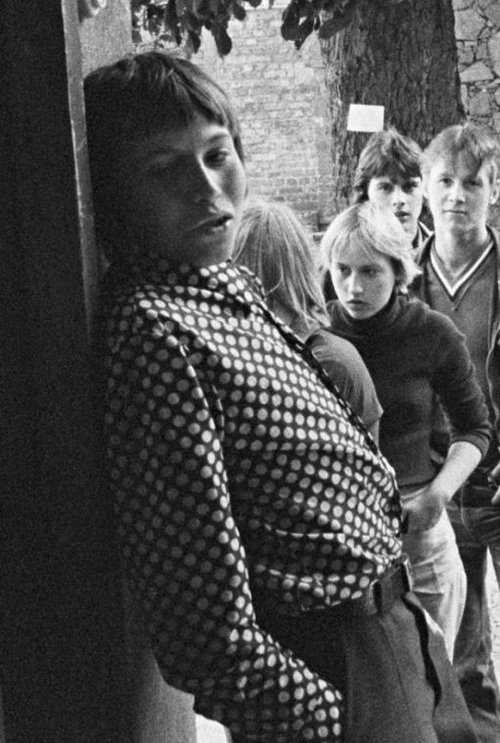
Young people living in a children’s home in Mecklenburg talk about their unstable home situations and domestic violence. Many of them have alcoholic parents and some are in danger of going down the same path. They speak openly about the past and their hopes for a better life. The documentary follows the young men and women within the group and in search of personal space. A party to start the summer holidays marks not only the end of the school year – it also means that an entire class will be taking leave of the home forever.
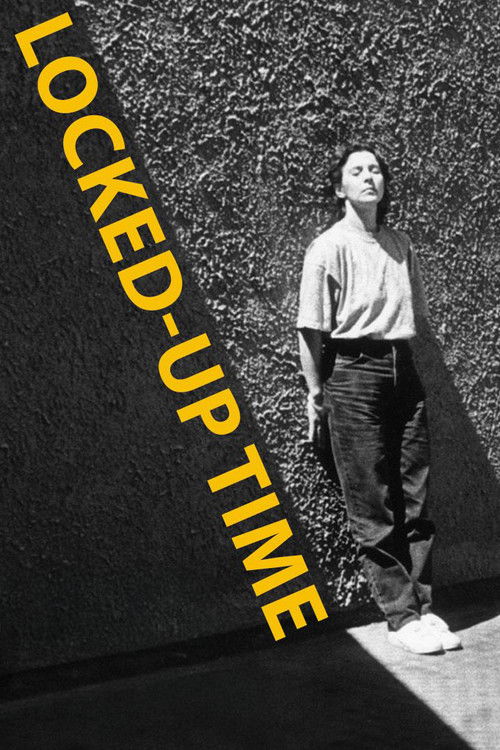
Filmmaker Sibylle Schoenemann, imprisoned by the GDR in 1984, was released to the FRG after having West Germany literally buy her freedom. In 1990 she went back and questioned those responsible.
The film shows the concentrated faces of a brigade of women above the microscopes, the sudden bursts of laughter, the familiar conversations during work breaks. Then Sylvia with the pretty face, who is too fat and also handicapped by a hip condition, tells us how she imagines her husband: He should be honest, strong and loving. And none of the women laugh. The 26-year-old disabled Sylvia, one of the strong personalities in this brigade, is accepted by everyone because she is honest, reliable and collegial. She is sometimes sad, but almost always infectiously cheerful. "How can you live as an eternal sourpuss," she says. "Sylvi, why don't you sing?" one of her colleagues calls out while she's working. Sylvia has a beautiful voice. But she doesn't sing in front of the camera.
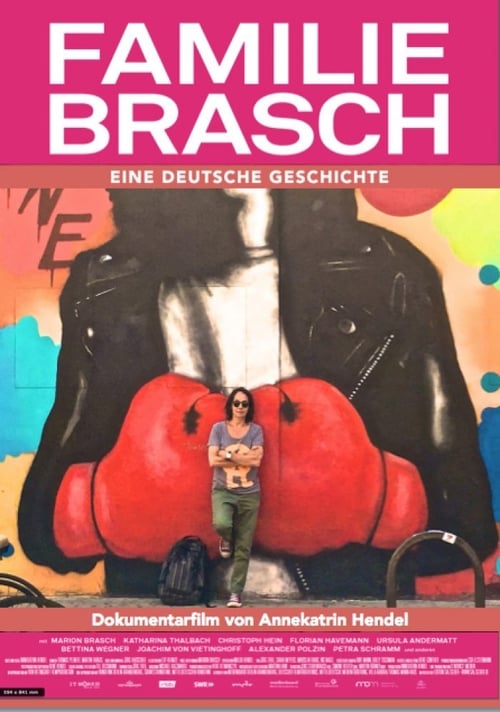
Director Annekatrin Hendel delivers a portrait of three generations of Brasches as a microcosm of societal tensions being carried out on a large scale — between East and West, art and politics, communism and religion, love and betrayal, utopia and self-destruction.
The film draws attention to the spread of sexually transmitted diseases, especially among adolescents and young adults, and identifies partner changes and alcohol as factors that promote the spread. As basic preventive information about the sexually transmitted diseases gonorrhea and syphilis, the film explains symptoms in men and women and possible consequences such as permanent infertility or agonizing infirmity.
The film revolves around two characters: a high school student who is intelligent, beautiful, and fulfills all the expectations placed on her by her school, her parents, and society—and a young unskilled worker, a loser, whom she is supposed to take care of and reform. Such sponsorships were commonplace in the GDR and form the basis for a multi-layered, ironic, and profoundly told encounter that deals with conformity and rebellion, social background, and outsiders.
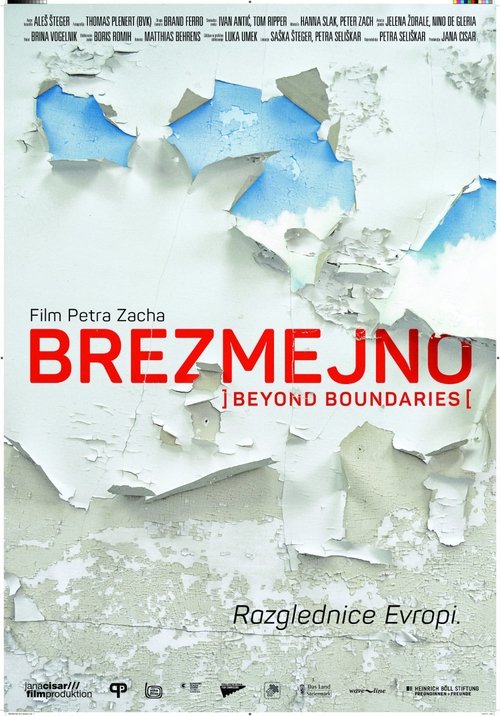
Beyond Boundaries is a lyrical, essay-like road movie tracing the scars of war in Europe and telling of places where a border is known as “Meja”, “Granica”, “Határ” or “Frontiera” – the borders of Slovenia to Austria, Croatia, Hungary, and Italy.
Sven Marquardt might be the most famous bouncer worldwide. But beside standing in front of the legendary techno club Berghain in Berlin, he is also a well-known and skilled photographer. Long before the Berlin Wall came down, Marquardt portrayed the subcultural East-Berlin scene. His black and white photography illustrates it as voluptuous, laid-back, dirty and existential. Even if shot by daylight, his work is permeated by darkness, ecstasy and night.
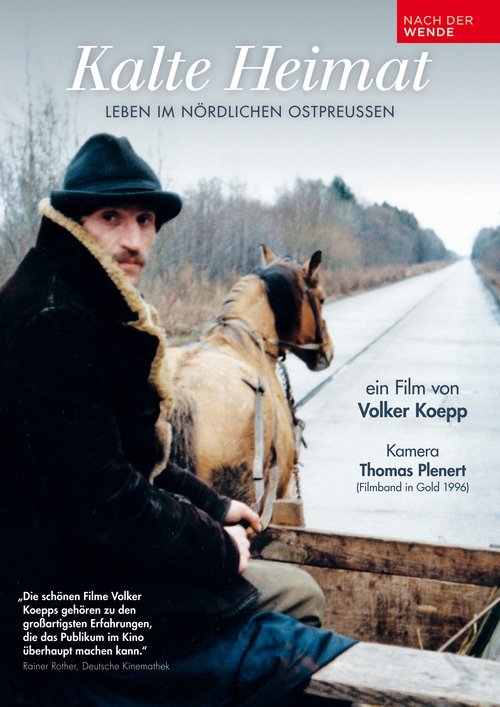
In this documentary Volker Koepp shows part of the history of Prussia. He begins 700 years ago with the land of the Pruzzen situated between the rivers Weichsel and Memel and proceeds the development of the state.
Documentary about poet Sascha Anderson.
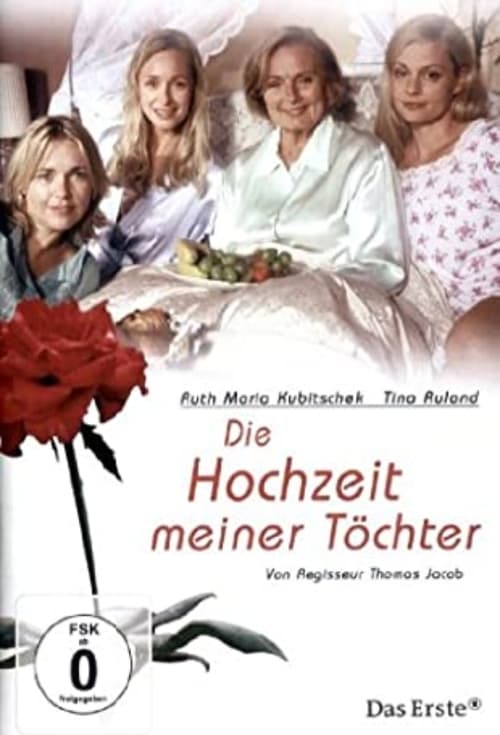
Hilde Reimer is overjoyed when her three grown-up daughters and their partners move into the old family villa. The only thing that really bothers Hilde is that her three girls are still not married, despite having children and being very much in love.
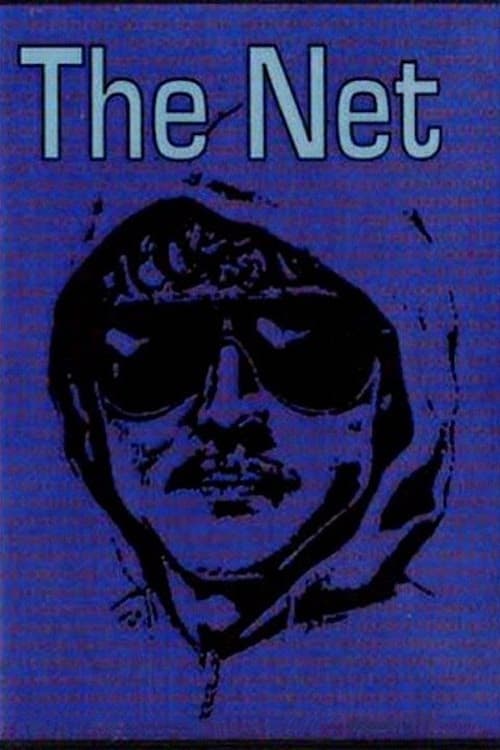
Explores the incredibly complex backstory of Ted Kaczynski, the infamous Unabomber. This exquisitely crafted inquiry into the rationale of this mythic figure situates him within a late 20th century web of technology—a system that he grew to oppose. A marvelously subversive approach to the history of the Internet, this insightful documentary combines speculative travelogue and investigative journalism to trace contrasting countercultural responses to the cybernetic revolution.
Ramona lives her lonely life in Berlin working in a lipstick factory. One day she accidentally runs into Andrzei, a Polish mechanic illegally selling cigarettes in Germany during the weekend. One thing leads to another, and soon she finds herself pregnant. Then her life starts falling apart, when Andrzei tells her he already has a wife back in Poland and her baby dies shortly after its premature birth.