
John Blanch
Directing
Known For
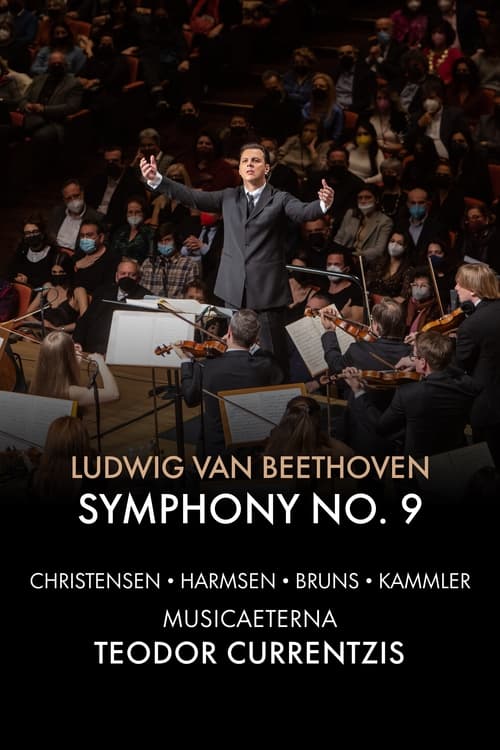
Ludwig van Beethoven headed for Symphony No. 9 literally his entire life. As early as the 1790s, he had an eye on Ode to Joy, perhaps the most well-known poem by Friedrich Schiller, written on the threshold of the French Revolution (1786). In his mature and, in particular, later years, the deaf composer with an acute ‘hearing vision’ increasingly distanced himself from conventional forms and genres and wrote parts beyond the possibilities of instruments of his day. He nurtured the idea of a symphony with a choir for at least several years. The history of the Ninth’s interpretations includes 200 years of staggering revelations and lingering stagnation. Performed by the musicAeterna orchestra, choir, and guest soloists under the baton of Teodor Currentzis, Beethoven’s opus magnum acquires the original poignancy and energy of a recent discovery.
Currentzis conducts Beethoven Symphony No. 9
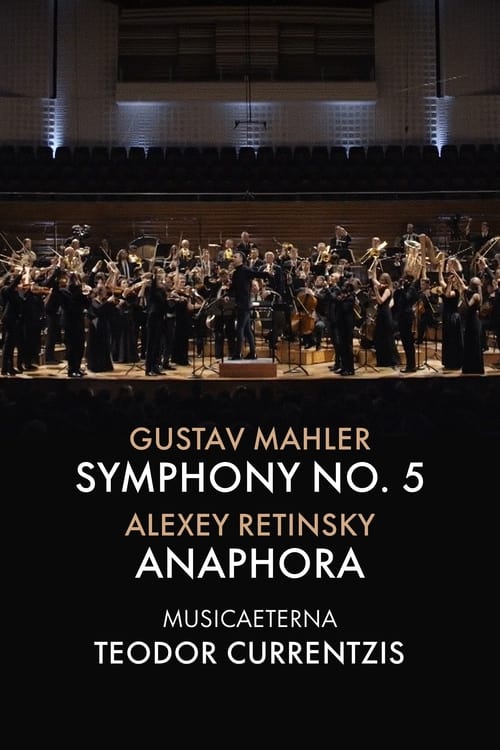
For Mahler, symphonies always were a means of interpreting the most convoluted philosophical problems that couldn’t be resolved verbally. The ambitious structure of the five-part Fifth Symphony spans from the Funeral March to the roaring finale. It is a forthright attempt to resolve the tragic conflict with the surrounding world. The brilliant fourth part of the symphony, Adagietto, resembles a beautifully mysterious flower that every conductor reimagines in their own style. As one of the twentieth century’s most influential maestros, Mahler redefined the conductor’s role. For him, the conductor is just as integral to his own musical works as they are to the composer. When a maestro steps onto the podium and opens the score, he recreates musical universes from scratch. Teodor Currentzis and the musicAeterna orchestra have performed Mahler’s symphonies around the world for many years. The Fifth Symphony has earned its place as one of the highlights of the cycle.
Mahler: Symphony No. 5
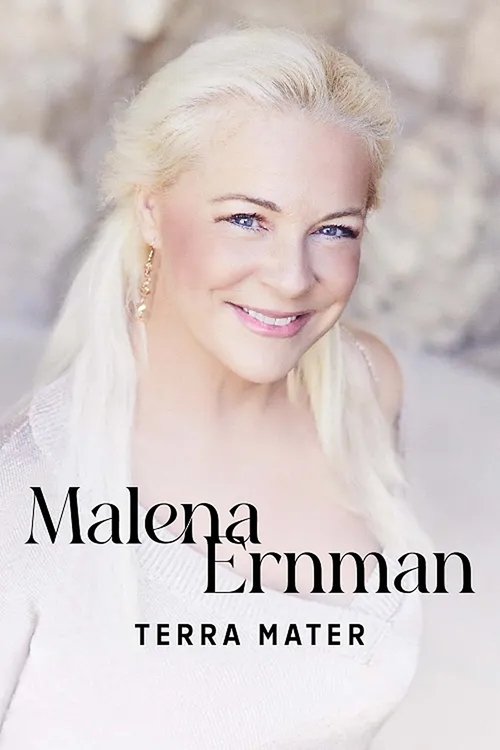
In their concert Terra Mater, leading figures on the early music scene Christina Pluhar and her ensemble L'Arpeggiata celebrate Mother Nature with Swedish mezzo-soprano Malena Ernman. Vocal and instrumental art intertwine with delight until they merge, evoking not only the exuberance of Baroque nature, but also its fragility. A conceptual concert rich in associations.
Malena Ernman: Terra Mater Bayreuth Baroque 2025

Celebrated organist Sebastián Durón was unrivalled in his ability to marry Italian Baroque opera with incandescent Iberian folklore, much to the delight of the Spanish Court. Winners of the Opus Klassik prize for their recording of this music, Núria Rial and Fahmi Alqhai present Muera Cupido at the Bayreuth Baroque Opera Festival 2024. Programme : - Francisco Guerau (1649-1722) - Sebastián Durón - Fahmi Alqhai (*1976) - Giovanni Bononcini (1670-1747) - José de Nebra (1702-1768)
Núria Rial and Fahmi Alqhai Bayreuth Baroque Opera Festival 2024
On the way to the Trojan War, the king of Mycenae killed a sacred doe belonging to Diana, an offense for which the goddess of war demands the sacrifice of the daughter of the leader of the Achaeans.