Sergey Bondarchuk
Directing
Biography
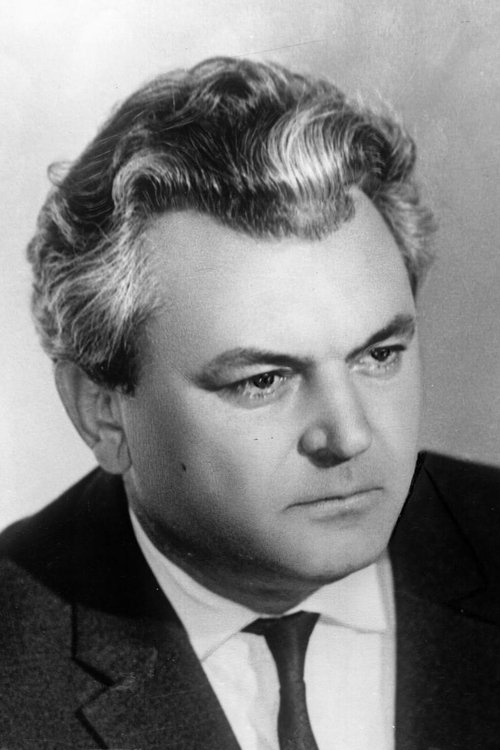
Sergei Bondarchuk (25 September 1920 — 20 October 1994) was a Soviet director, actor, and screenwriter. People's Artist of the USSR (1952). Academy Awards winner (War and Peace, 1969). BAFTA winner (Waterloo, 1971). His directorial debut was Fate of a Man, a WWII classic where he portrayed the main role. Bondarchuk is considered a master of big scale pieces with epic battle scenes that involved thousands of extras (War and Peace, Waterloo). He often starred star in his films, as well as cast his family, notably his wife, actor Irina Skobtseva (e.g. War and Peace, Vybor Tseli, Molchanie Doktora Ivensa). In late 1980s-early 1990s Bondarchuk started his long-term passion project – an adaptation of an epic novel “And Quiet Flows the Don,” together with the UK and Italy; however, the work couldn't be finished before the actor-director passed away in 1994. His son, actor-director Fyodor Bondarchuk, finished the piece in 2006.
Known For

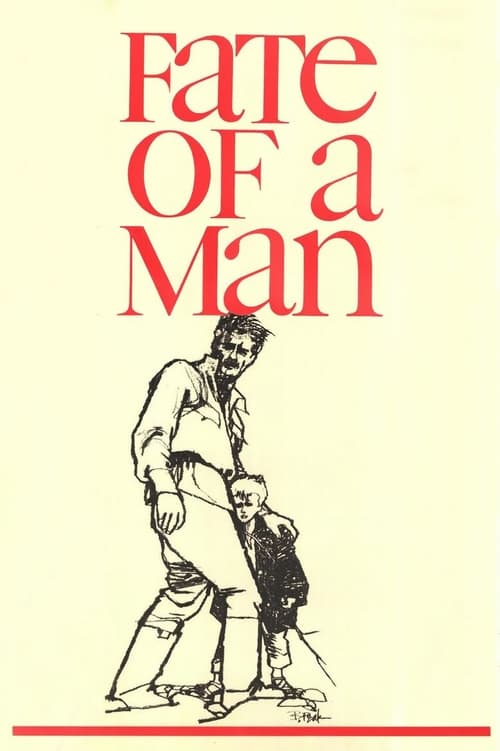
The story of a man whose life was ruthlessly crippled by World War II. His wife and daughters were killed during the bombing of his village, he spent some time as a prisoner, and his only son was killed in action only a few days before the victory...
Fate of a Man

No description available.
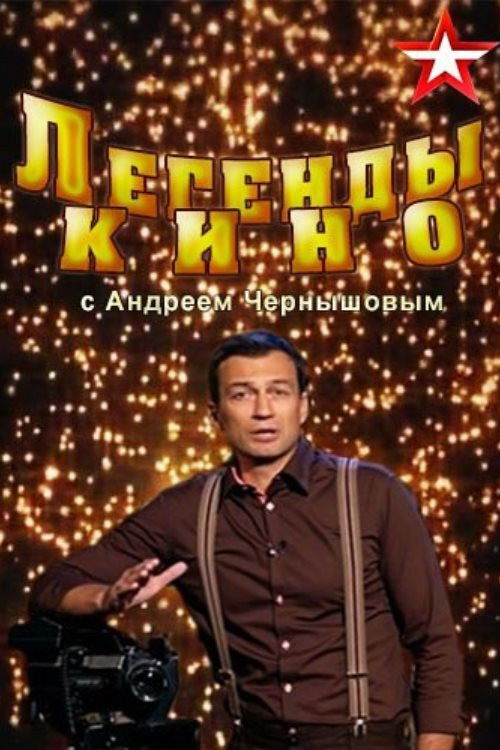
Legends of Cinema

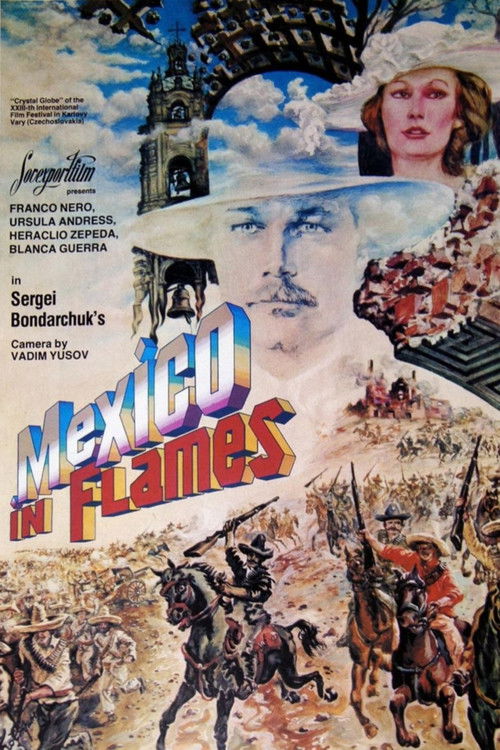
Eisenstein shows us Mexico in this movie, its history and its culture. He believes, that Mexico can become a modern state.
¡Qué Viva México!

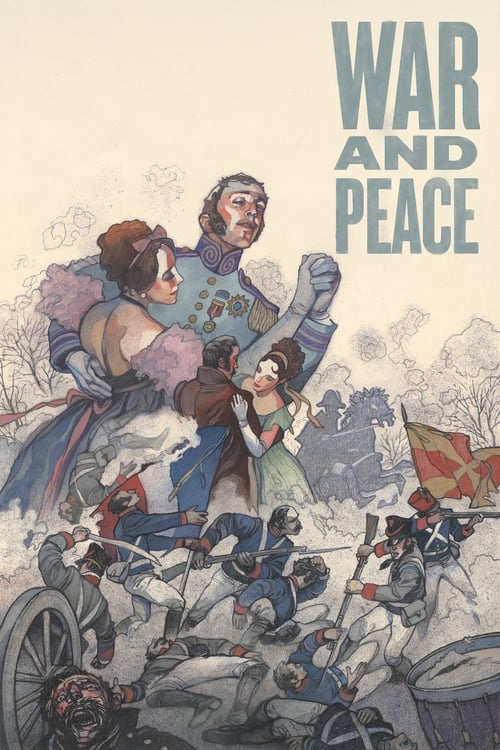
The love story of young Countess Natasha Rostova and Count Pierre Bezukhov is interwoven with the Great Patriotic War of 1812 against Napoleon's invading army.
War and Peace

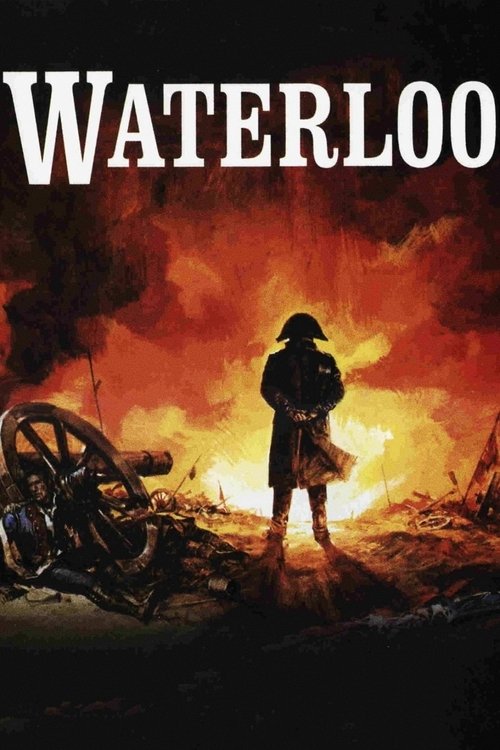
After defeating France and imprisoning Napoleon on Elba, ending two decades of war, Europe is shocked to find Napoleon has escaped and has caused the French Army to defect from the King back to him. The best of the British generals, the Duke of Wellington, beat Napolean's best generals in Spain and Portugal, but now must beat Napoleon himself with an Anglo Allied army.
Waterloo

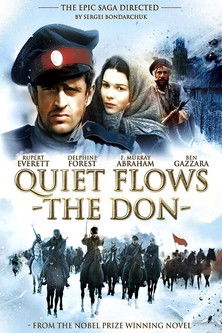
Against the backdrop of World War I and the Bolshevik Revolution, a young Cossack warrior navigates love, loyalty, and survival as his world transforms during the civil war that tears his homeland apart.
Quiet Flows the Don

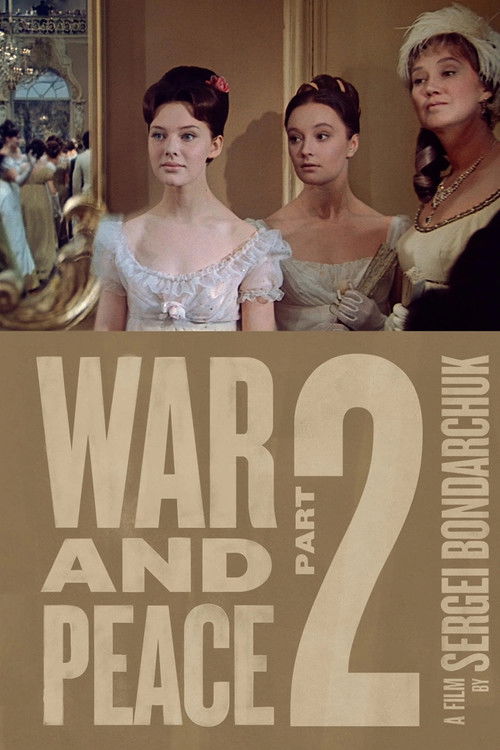
As 1809 nears its end, Natasha attends her first ball, where Andrei falls in love with her with the intent of marriage. However, as her father demands they wait, the prince travels abroad, leaving Natasha in desperate longing. But she meets Anatol Kuragin and forgets Andrei. Part two of the four-part adaptation of Leo Tolstoy's 1869 novel.
War and Peace, Part II: Natasha Rostova

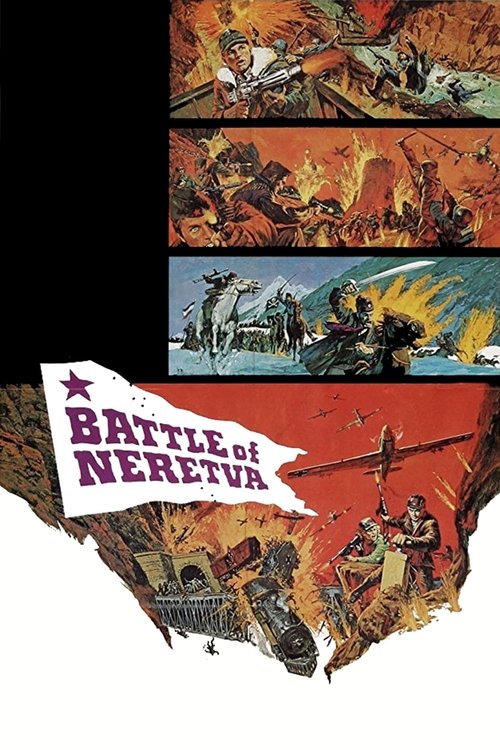
In January 1943 the German army, afraid of an Allied invasion of the Balkans, launched a great offensive against Yugoslav Partisans in Western Bosnia. The only way out for Partisan forces and thousands of refugees was the bridge on the river Neretva.
The Battle of Neretva

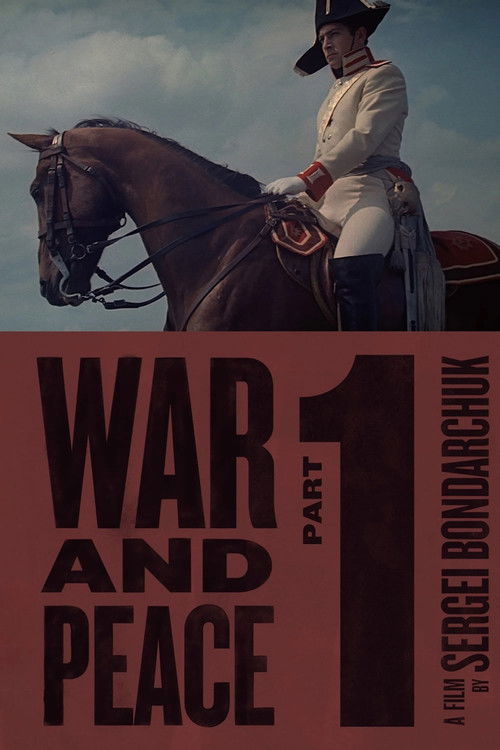
In 1805 St. Petersburg, Pierre Bezukhov, illegitimate son of a rich nobleman, is introduced to high society. His friend, Prince Andrei Bolkonsky, joins the Imperial Russian Army as aide-de-camp of General Mikhail Kutuzov in the War of the Third Coalition against General Napoleon Bonaparte. Part one of the four-part adaptation of Leo Tolstoy's 1869 novel.
War and Peace, Part I: Andrei Bolkonsky

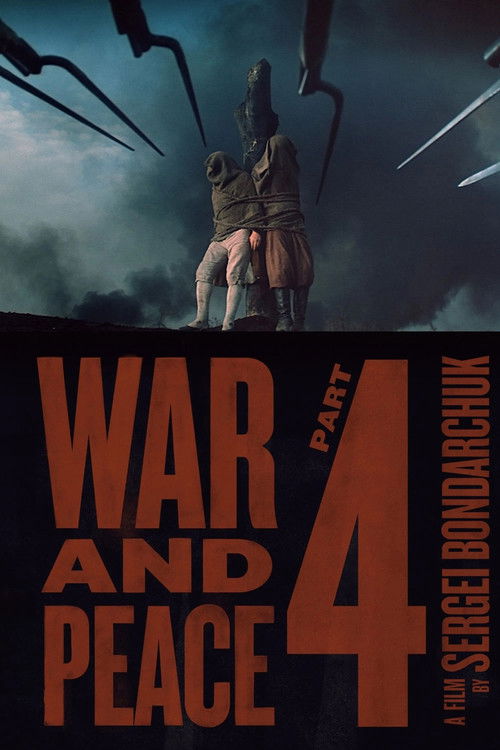
As Moscow is set ablaze by the retreating Russians, the Rostovs flee their estate, taking wounded soldiers with them, and unbeknownst to them, also Andrei. Pierre, dressed as a peasant, tries to assassinate Napoleon but is taken prisoner. As the French are forced to retreat, he's marched for months with the Grande Armée, until being freed by a raiding party. Part four of the four-part adaptation of Leo Tolstoy's 1869 novel.
War and Peace, Part IV: Pierre Bezukhov

With World War I, the Bolshevik Revolution, and the Russian Civil War as backdrop, it's an old-fashioned, blood-and-guts narrative, filled with earthly humor and a wealth of colorful characters. The story concerns the fluctuating fortunes of Grigory Melekhov, a young Cossack who is both a hero and a victim of the uprising.
Quiet Flows The Don

The headquarters of the Marshal Tito's Liberation Army are surrounded by Axis forces. The Partisans have no choice but to fight their way out of the encirclement and face the enemy on the plains of Sutjeska.
The Battle of Sutjeska

In July 1942, in the Second World War, the rearguard of the Russian army protects the bridgehead of the Don River against the German army while the retreating Russian troops cross the bridge. While they move back to the Russian territory through the countryside, the soldiers show their companionship, sentiments, fears and heroism to defend their motherland.
They Fought for Their Motherland

Praised for its fine photography and production design if not its narrative, Sergei Bondarchuk directed this adaptation of the tale by Alexander Pushkin. Boris Godunov came to the Czarist throne at the end of the 16th century, after the original heir to Ivan the Terrible had died. At first, things went well for Godunov (played by Bondarchuk), but when the Russian people began to believe he had killed Ivan the Terrible's son in order to gain the throne, an alliance sprang up against the new Czar. Events continued to spin out of control as a young monk was presented as the son Godunov had supposedly killed. Now he was openly accused of failing an assassination attempt, which seems to be even worse than succeeding. In addition to these woes, Boris Godunov began to suffer serious health problems. So much for the joys of kingship.
Boris Godunov

In 1568, Saadi prince Abdelmalek is exiled from Morocco by his brothers, an event that is only the beginning of his adventures: fighting the Spanish Inquisition, taking part in the Battle of Lepanto, being incarcerated in Alicante prison, and assist in the Conquest of Tunis. Eventually, he returns to Morocco to fulfill his destiny.
Drums of Fire

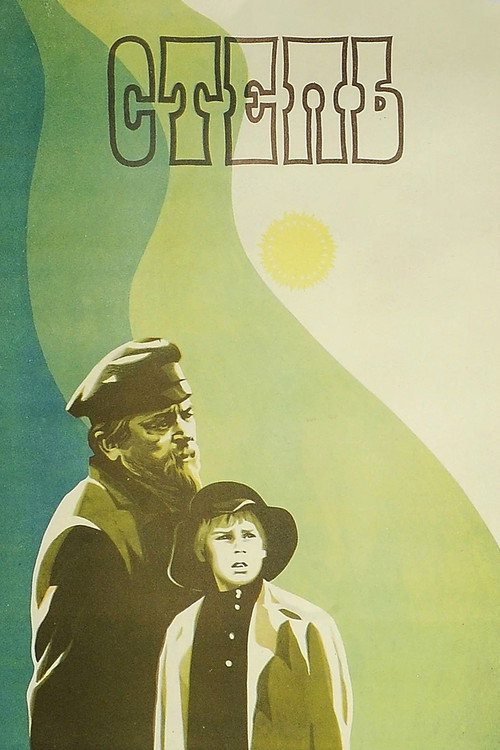
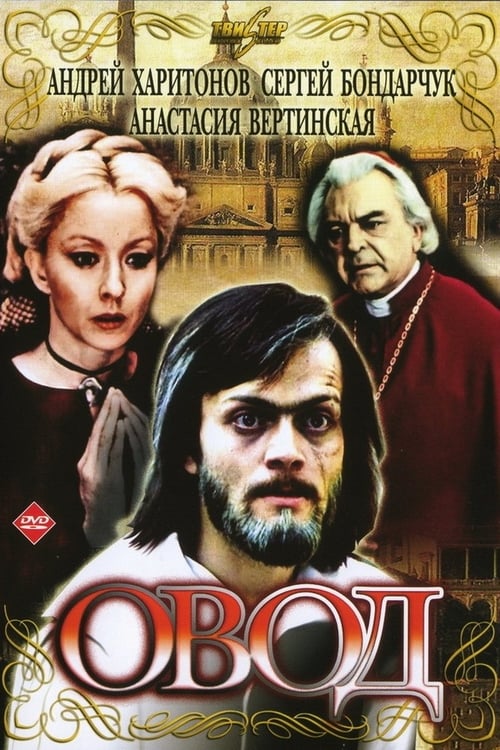
The story of the dramatic relationship between a father and son. The backdrop is the struggle of Italian patriots against the Austrian occupiers for the unification and independence of Italy.
Gnat

A film adaptation of the novel of the same name by Leo Tolstoy. The main character of the film is Prince Stepan Kasatsky, an officer, an ardent, proud young man — a big fan of the tsar. Kasatsky is going to marry, but at the last moment he learns from the bride that she was the mistress of the emperor. The prince is deeply disappointed in social life, he takes a monastic vow and leaves the capital. Faith in God was to save the soul, but passions and worldly temptations don't leave Kasatsky.
Father Sergius

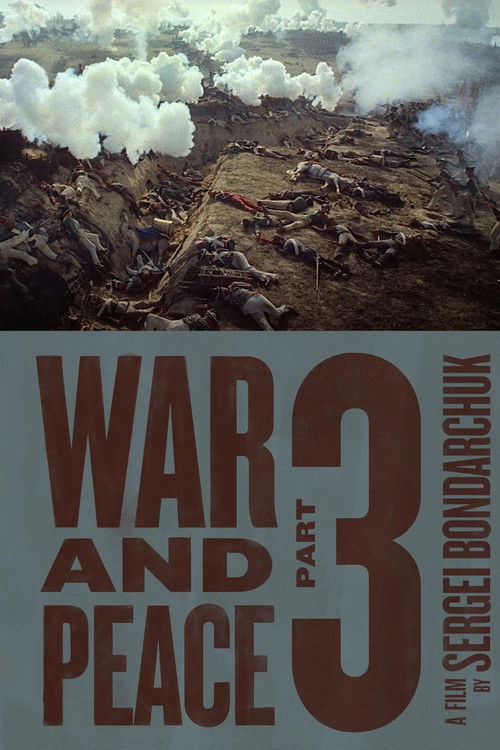
In 1812, as Napoleon's army invades Russia, Kutuzov asks Bolkonsky to join him as a staff officer, yet the prince requests a command in the field. Pierre sets out to watch the armies' impending confrontation. As the Battle of Borodino rages, he volunteers to assist in an artillery battery. Part three of the four-part adaptation of Leo Tolstoy's 1869 novel.
War and Peace, Part III: The Year 1812

The film tells about the main stages of the history of the country's largest studio "Mosfilm", about the work of the creative team, introduces the viewer to the outstanding masters of Soviet cinematography, with such unique groups such as the Theater-Studio of Film Actors, with the workshops of the studio.
One Day of Mosfilm

The second part of Soviet filmmaker Sergei Bondarchuk's epic biography of John Reed. It is October 1917 and the American journalist has found himself and his wife, Louise Bryant, in Petrograd on the eve of the Bolshevik revolution.