FEEL IT.STREAM
Karl Stepanek

Karl Stepanek

Acting

Biography

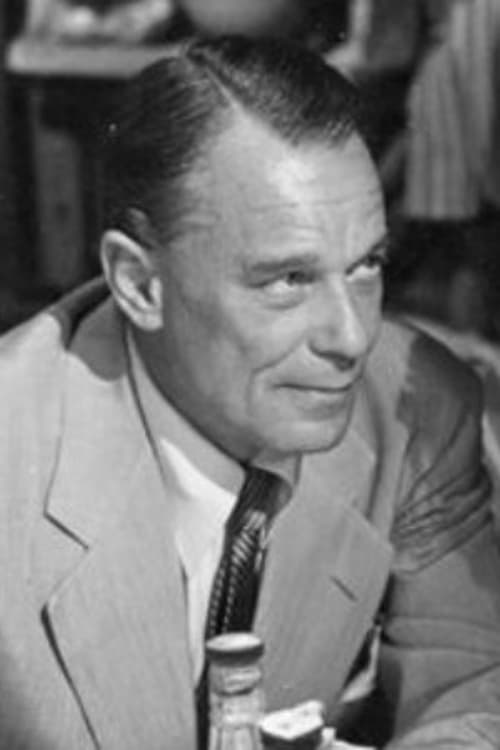
Though born in Czechoslovakia, actor Karel Stepanek was generally regarded as a German actor due to his extensive film work in Germany (as Karl Stepanek) in the years before World War II. Stepanek fled to England in 1940, where, like many European refugee actors, he specialized in portraying Teutonic villains. He tried to stay away from out-and-out Nazi roles, but his predilection for wearing black uniforms and barking out guttural commands left little doubt as to the political preferences of Stepanek's screen characters. One of his most typical characterizations could be found in the 1946 POW drama, The Captive Heart; Stepanek also registered well as a friendlier foreigner in The Fallen Idol (1949). Commuting between London and Hollywood, Karel Stepanek continued to fight World War II, usually on the wrong side, into such '60s films as Sink the Bismarck! (1960), I Aim at the Stars (1960) and Operation Crossbow (1965).
Known For

No Hiding Place
4.8

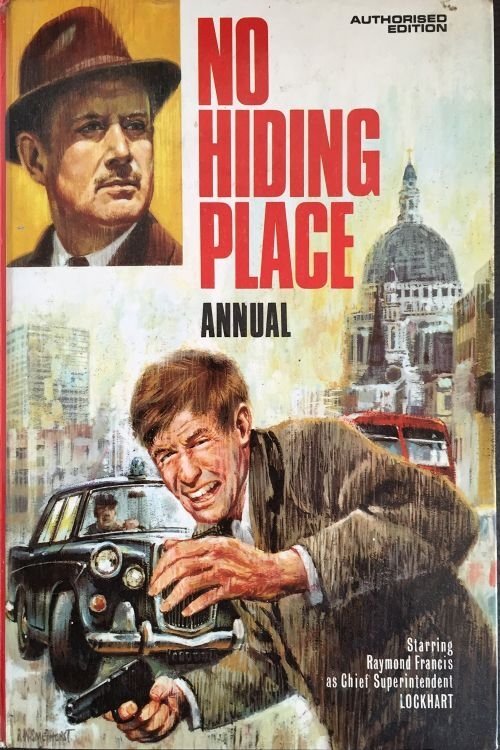
No Hiding Place is a British television series that was produced at Wembley Studios by Associated-Rediffusion for the ITV network between 16 September 1959 and 22 June 1967. It was the sequel to the series Murder Bag and Crime Sheet, all starring Raymond Francis as Detective Superintendent, later Detective Chief Superintendent Tom Lockhart.

No Hiding Place

1959
Operation Crossbow
6.7

Allied agents infiltrate the Nazi rocket complex at Peenemunde in order to obtain their secrets and sabotage the plant. The film alternates between German developments of the V-1 missile and V-2 rocket (with a German cast speaking their own language) and discovery by British Intelligence of the weapon.

Operation Crossbow

1965
Das Kriminalmuseum
8.0

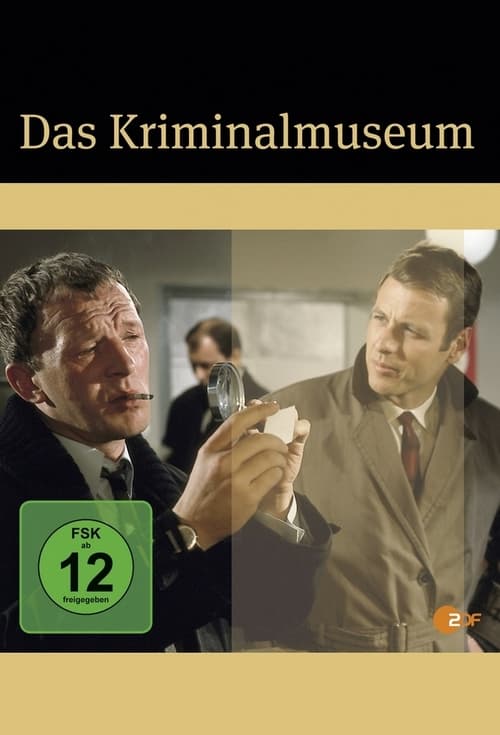
Das Kriminalmuseum was a German television series. It ran from 1963 to 1970 on ZDF and was one of its first programs. Each episode began with a tracking shot through an unspecified crime museum, stopping at one of the displays, whose story was then told. Each episode was between 60 and 75 minutes long and featured different actors as the criminal commissioner. The best known was Erik Ode, who in 1969 moved to Der Kommissar, appearing in 97 episodes. The theme music of the series was written by German composer Martin Böttcher, who also composed the complete scores for five episodes.

Das Kriminalmuseum

1963
The Third Man
7.9

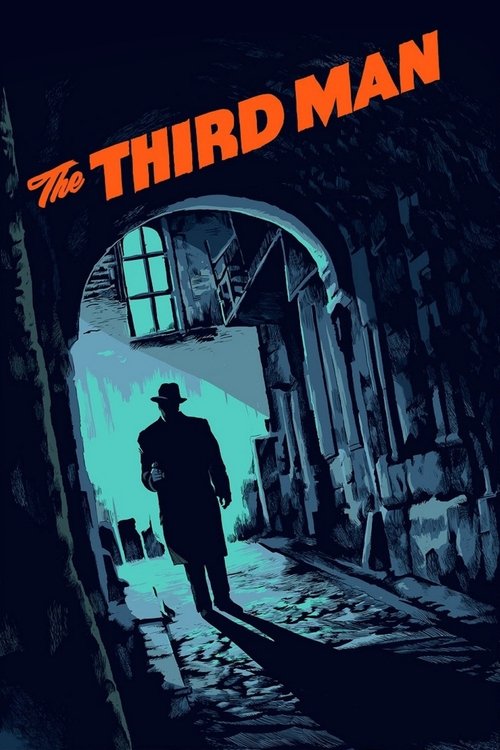
In postwar Vienna, Austria, Holly Martins, a writer of pulp Westerns, arrives penniless as a guest of his childhood chum Harry Lime, only to learn he has died. Martins develops a conspiracy theory after learning of a "third man" present at the time of Harry's death, running into interference from British officer Major Calloway, and falling head-over-heels for Harry's grief-stricken lover, Anna.

The Third Man

1949
No image
9.0

The series adapted for television some true tales from press correspondents from around the world.

Overseas Press Club - Exclusive!

1957
Armchair Theatre
6.0

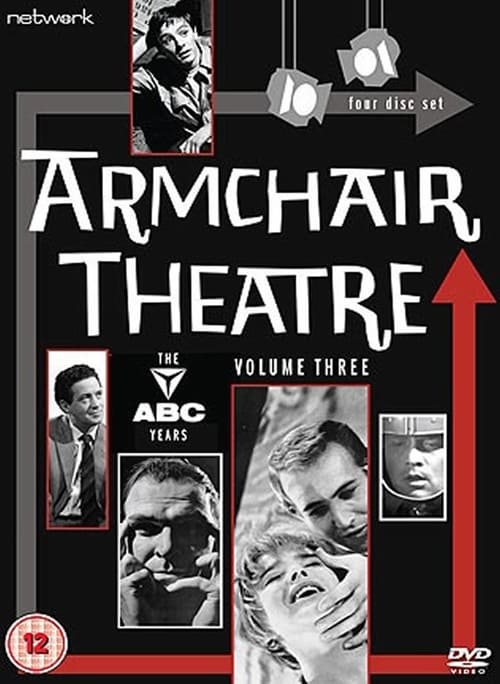
Armchair Theatre is a British television drama anthology series of single plays that ran on the ITV network from 1956 to 1974. It was originally produced by Associated British Corporation, and later by Thames Television from mid-1968.

Armchair Theatre

1956
Broken Journey
6.1

A plane flying over the Swiss Alps develops engine trouble and is forced to crash-land on a glacier. Unable to radio for help because of damaged batteries and with limited food supplies, the survivors must come to a decision -- whether to stay and wait for help they believe is coming or to leave the shelter of the wrecked plane and set out in bad weather to try to reach civilization.

Broken Journey

1948
Sink the Bismarck!
6.9

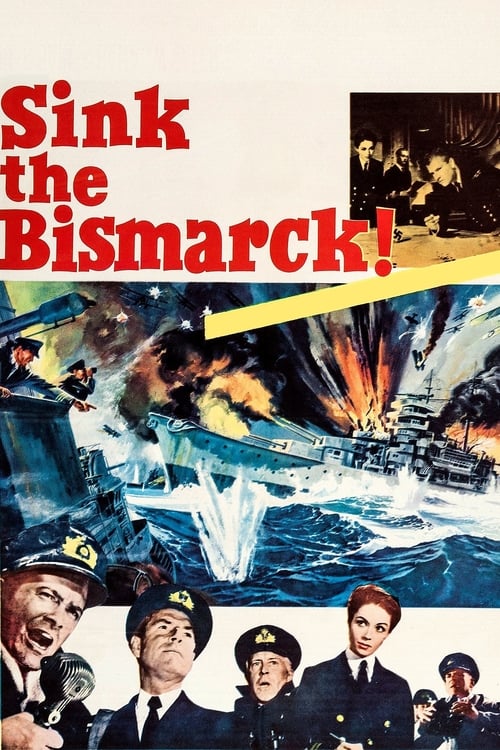
The story of the breakout of the German battleship Bismarck—accompanied by the heavy cruiser Prinz Eugen—during the early days of World War II. The Bismarck and her sister ship, Tirpitz, were the most powerful battleships in the European theater of World War II. The British Navy must find and destroy Bismarck before it can escape into the convoy lanes to inflict severe damage on the cargo shipping which was the lifeblood of the British Isles. With eight 15 inch guns, it was capable of destroying every ship in a convoy while remaining beyond the range of all Royal Navy warships.

Sink the Bismarck!

1960
The Heroes of Telemark
6.9

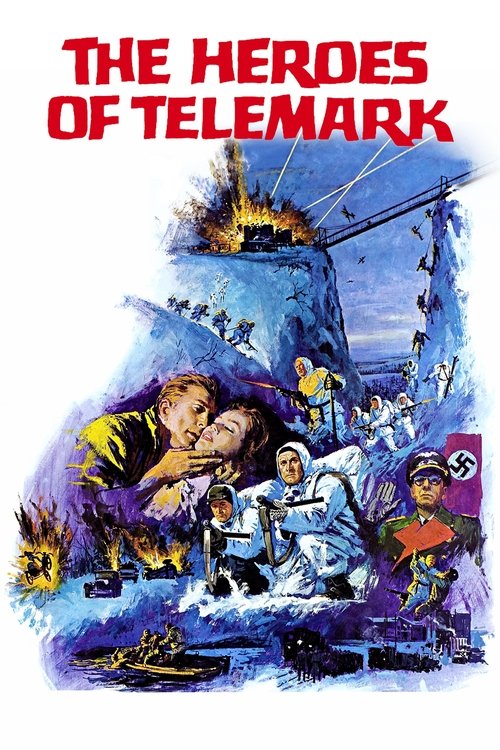
Set in German-occupied Norway, resistance fighter Knut Straud enlists the reluctant physicist Rolf Pedersen in an effort to destroy the German heavy water production plant in rural Telemark.

The Heroes of Telemark

1965
Operation Amsterdam
6.1

When Germany invades Holland in 1940, a British intelligence officer and two Dutch diamond merchants go to Amsterdam to persuade the Dutch diamond merchants to evacuate their diamond supplies to England.

Operation Amsterdam

1959
Anastasia
6.8

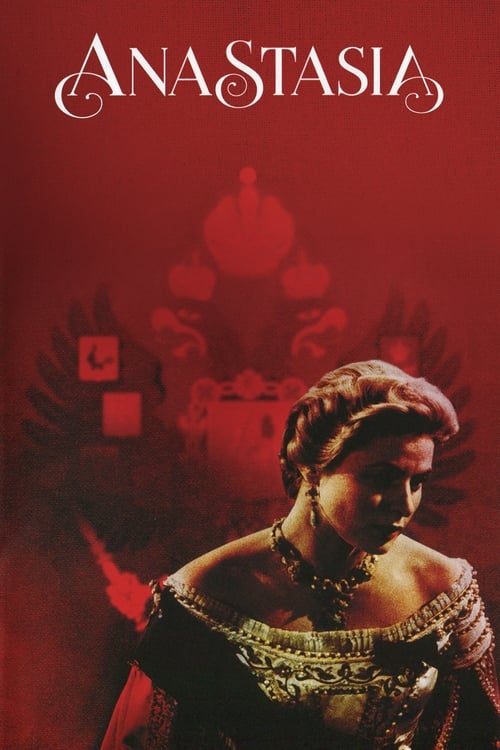
Russian exiles in Paris plot to collect ten million pounds from the Bank of England by grooming a destitute, suicidal girl to pose as heir to the Russian throne. While Bounin is coaching her, he comes to believe that she is really Anastasia. In the end, the Empress must decide her claim.

Anastasia

1956
Waltz War
8.3

The quarrel between the waltz king Joseph Lanner and his still unknown violinist Johann Strauss. It comes to a break. Strauss is engaged in London and has his first successes there. Thanks to the initially unfortunate intervention of Lanner's daughter, a reconciliation is finally achieved.

Waltz War

1933
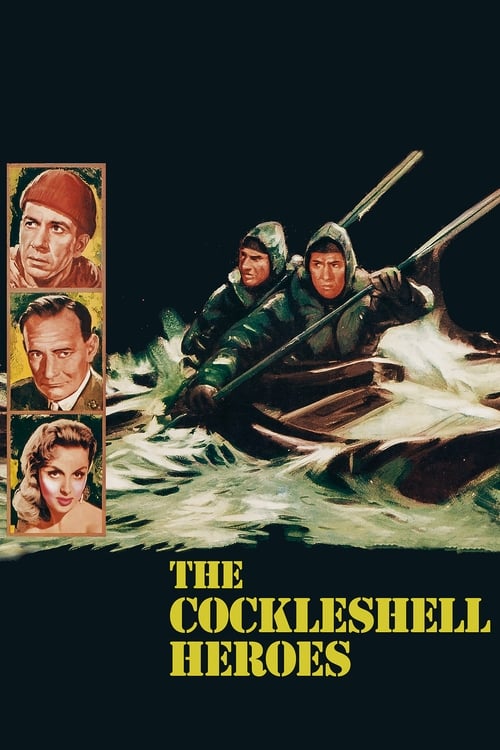
The Cockleshell Heroes
5.9

During WW2, German ships are "safely" docked upriver at Bordeaux, but the British send a team of kayakers to attack them.

The Cockleshell Heroes

1955
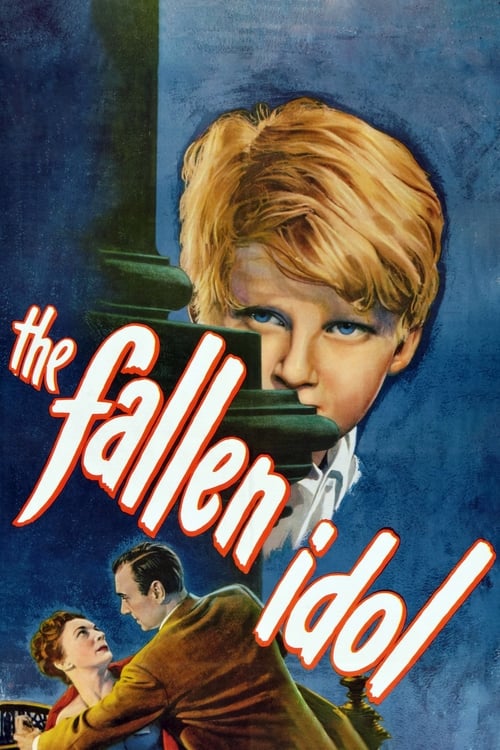
The Fallen Idol
7.2

Phillipe, the son of an ambassador in London, hero-worships his father's butler Baines. His perception of the man changes when he accidentally discovers the secret that Baines keeps and witnesses the consequences that adults' lies can cause.

The Fallen Idol

1948
Affair in Trinidad
6.3

A nightclub singer enlists her brother-in-law to track down her husband's killer.

Affair in Trinidad

1952
Brainwashed
7.1

Werner von Basil, a Austrian intellectual, was captured by the Nazis in 1938. They want to break him to confess smuggling. Without any mental sustenance, the only thing left to keep his mind busy is an old tactics book for chess.

Brainwashed

1960
Secret Venture
6.5

An American is visiting Britain and finds himself in possession of a briefcase full of secret documents that the spies of many different countries seem determined to get.

Secret Venture

1955
The Captive Heart
6.4

A series of stories about the lives and loves of men in a Prisoner of War camp over five years. The main story is of Hasek (Redgrave) a Czech soldier who needs to keep his identity a secret from the Nazis. To do this, he poses as a dead English Officer and corresponds with the man's wife. Other inmates’ stories are also revealed. Location shooting in the British occupied part of Germany adds believability.

The Captive Heart

1946
No Highway in the Sky
7.0

James Stewart plays aeronautical engineer Theodore Honey, the quintessential absent-minded professor: eccentric, forgetful, but brilliant. His studies show that the aircraft being manufactured by his employer has a subtle but deadly design flaw that manifests itself only after the aircraft has flown a certain number of hours. En route to a crash site to prove his theory, Honey discovers that he is aboard a plane rapidly approaching his predicted deadline.

No Highway in the Sky

1951
Before Winter Comes
6.0

Drama/Comedy set in a refugee camp in occupied Austria after World War II. A shrewd multi-lingual interpreter who mediates between Russian and British military brass enters into a friendly rivalry with British Major Giles Burnside, who is in charge of assigning the displaced persons into either the American or Russian zones.

Before Winter Comes

1969