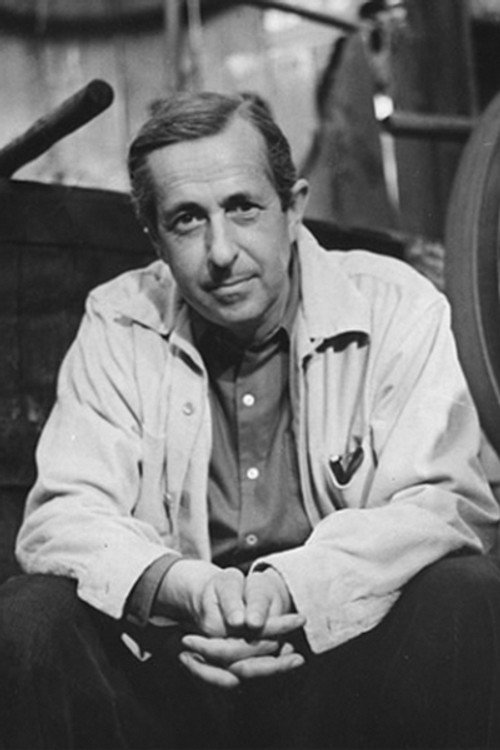
Harald Braun
Directing
Known For

The Bambi, often called the Bambi Award and stylised as BAMBI, is a German award presented annually by Hubert Burda Media to recognize excellence in international media and television to personalities in the media, arts, culture, sports, and other fields "with vision and creativity who affected and inspired the German public that year", both domestic and foreign. First held in 1948, it is the oldest media award in Germany. The trophy is named after Felix Salten's book Bambi, A Life in the Woods and its statuettes are in the shape of the novel's titular fawn character. They were originally made of porcelain until 1958, when the organizers switched to using gold, with the casting done by the art casting workshop of Ernst Strassacker in Süßen.
Bambi
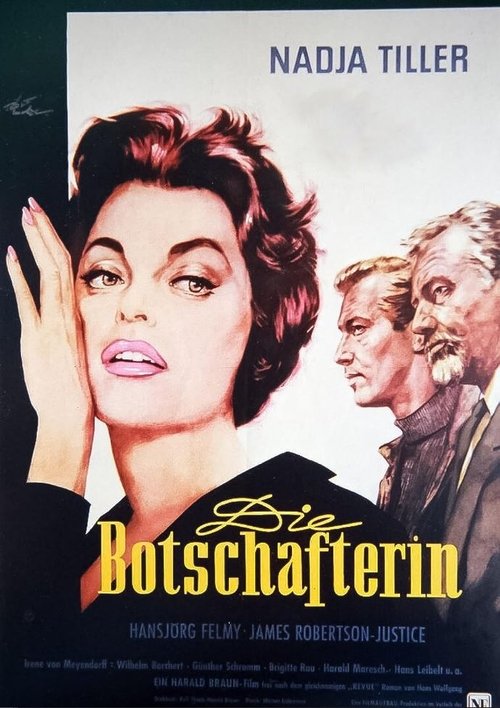
No description available.
The Ambassadress
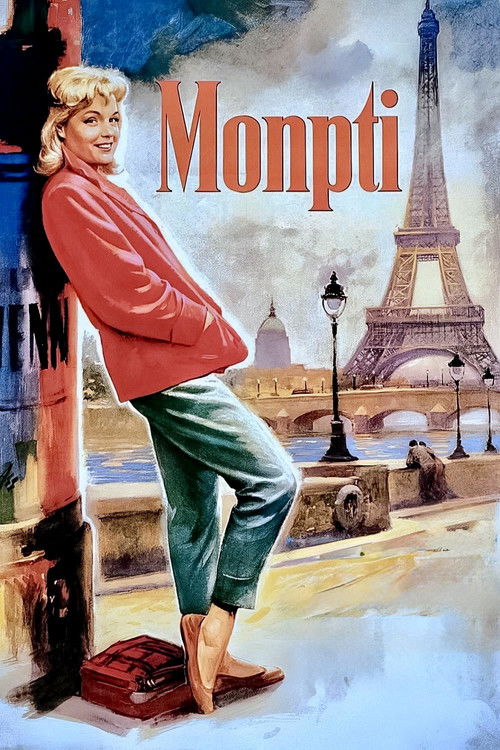
A poor Hungarian artist falls in love with a wealthy mysterious Parisian girl.
Monpti
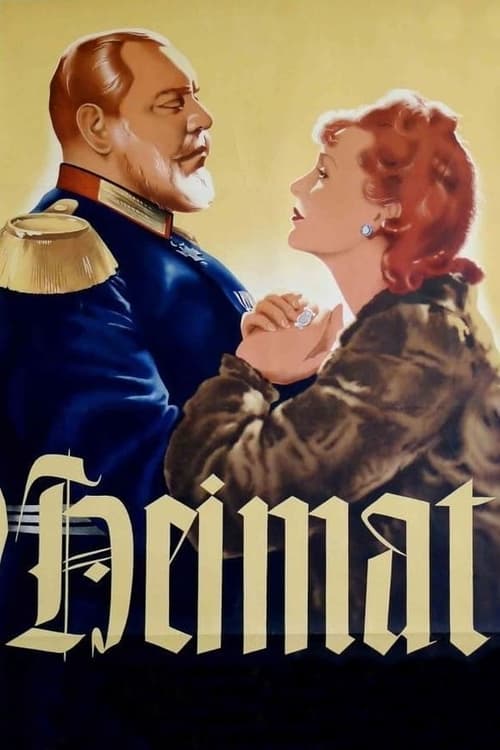
In 1885, famous New York Metropolitan Opera singer Maddalena dall' Orto is scheduled to perform at a festival in the German residence of Ilmingen. It soon becomes obvious that she is non other than Magda von Schwartze, who left the town eight years ago against her father's wishes to become a singer.
Homeland
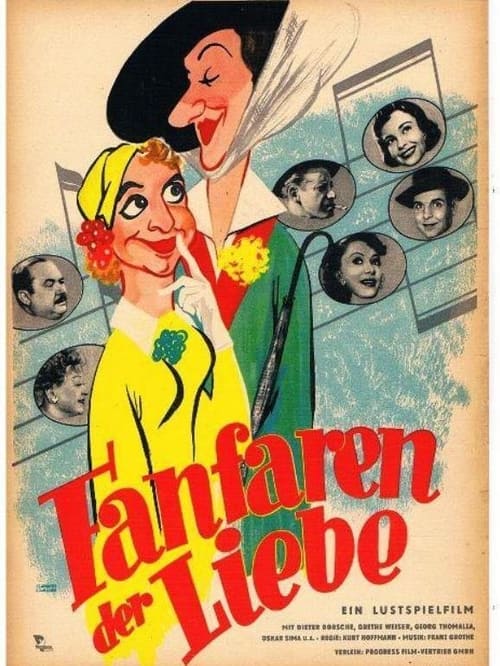
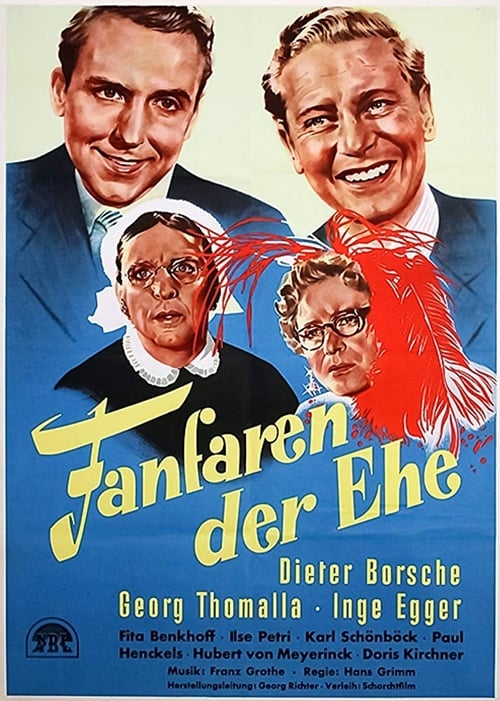
Two out of work musicians put on drag to get work in an all girl band. Inevitable comical romantic complications ensue.
Fanfares of Love
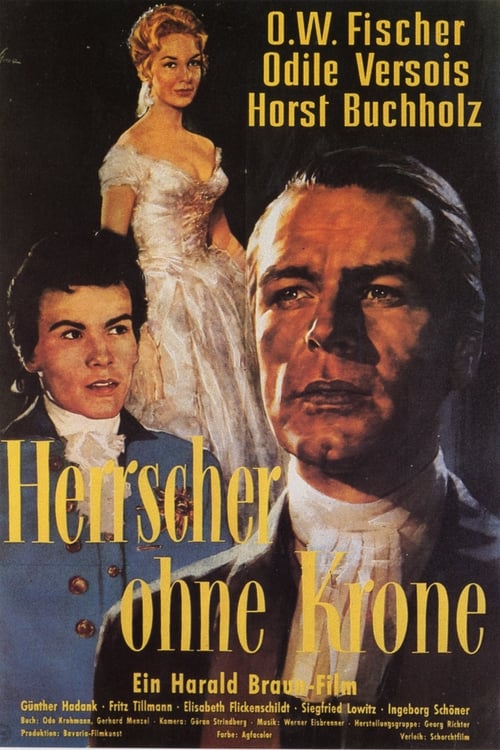
The film portrays the interaction of Johann Friedrich Struensee, a doctor treating the mentally ill Christian VII of Denmark, and his English consort Caroline Matilda.
King in Shadow
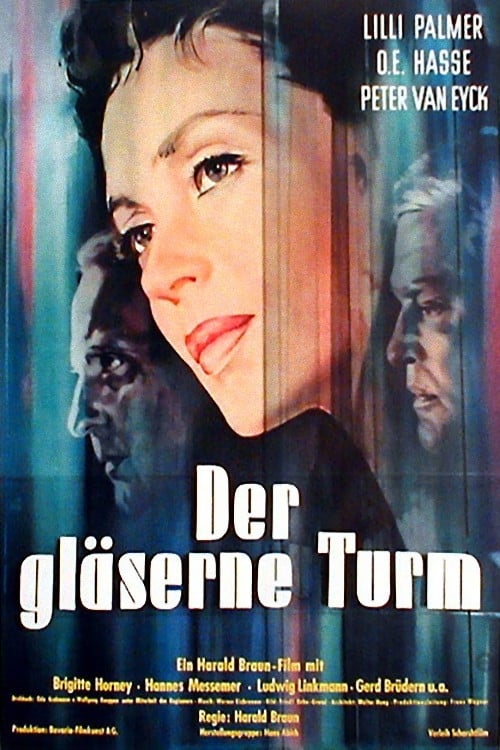
Katja Fleming has given up her job as an actress and married the business man Robert Fleming. But the cold that surrounds her in her modern, luxurious high-rise makes her lonely. Then she meets the author John Lawrence, who wants to convince her to perform in his new play.
The Glass Tower
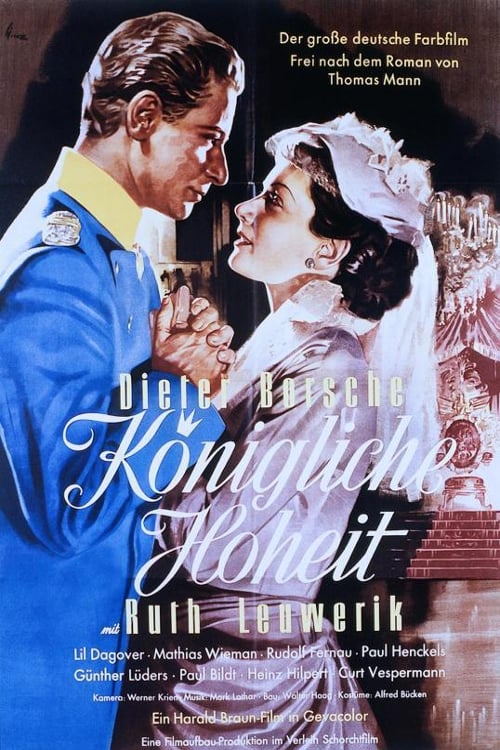
An American heiress in Europe falls in love with a German prince, but he is required to marry someone else for reasons of state convenience.
Königliche Hoheit

Directed by Harald Braun and told from the perspective of Bertha von Suttner, the first female to receive the Nobel Peace Prize, The Alfred Nobel Story - No Greater Love chronicles the life of scientist, inventor, and businessman Alfred Nobel. Nobel built a massive fortune throughout his life, and while much if it was amassed by his inventions--dynamite being perhaps the most notable--he was also revered for his discoveries within the fields of science and economics. Upon his death, Nobel decided that his fortune was simply too great to continue in the form of an inheritance or single charitable donation, opting instead to use the money as reward for the greatest contributors to physics, chemistry, medicine, literature, and, of course, peace.
No Greater Love
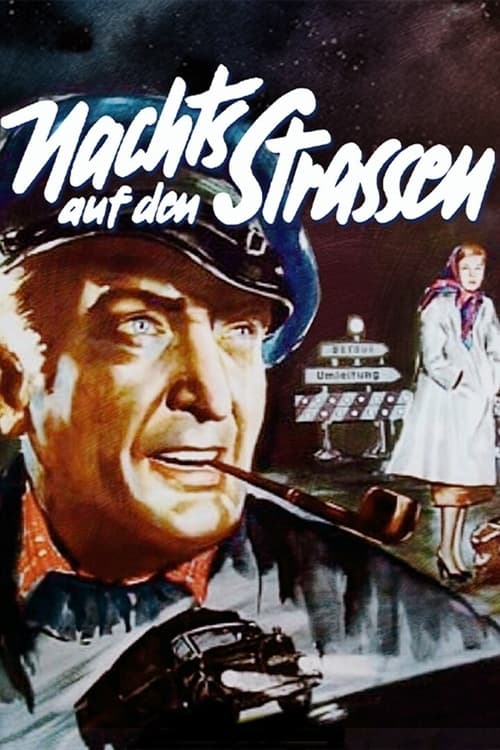
An aging truck driver finds smuggled money and becomes involved with a hijacking crowd.
Nights on the Road
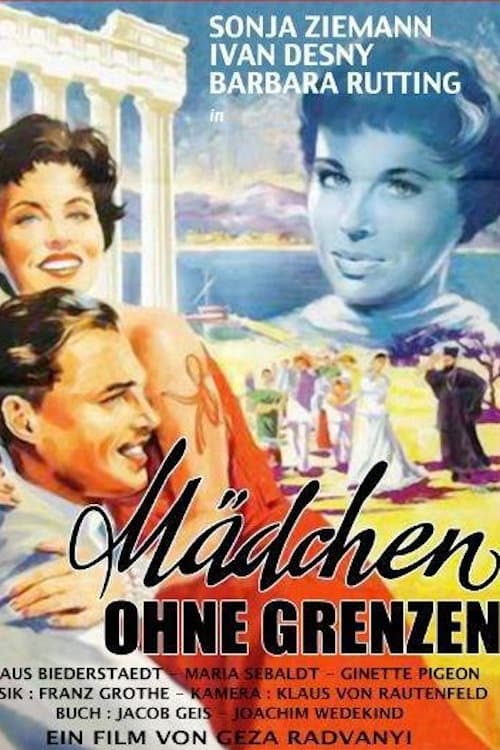
Helga, a stewardess, meet a passenger, Eric, during a flight to Athens. They fall in love, but he is married. Later Helga is involved in a flight crash. One of the severely injured passengers is Eric's wife Maria.
Mädchen ohne Grenzen
No description available.
Fanfaren der Ehe
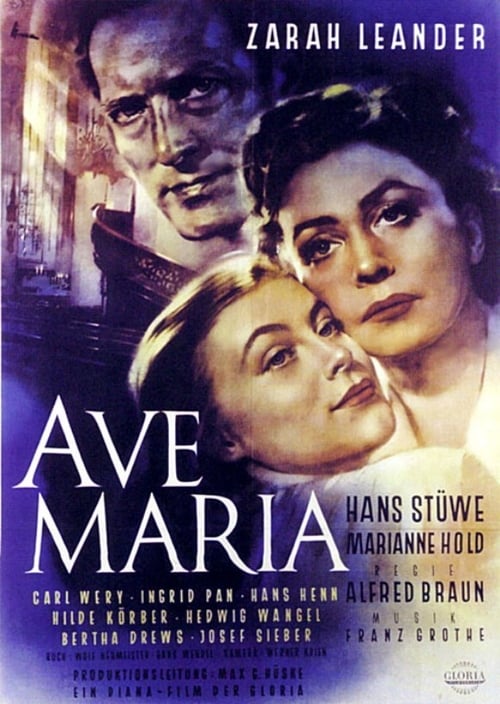
Karin Twerdy used to be an opera singer but now, in order to pay for her daughter Daniela's education in a religious school, she performs in a shady nightclub. Industrialist Dietrich Gontard, the father of Karin's school friend Christa, falls for her. But when he learns the truth about her he is outraged and rejects her. At a loss and not to stand in the way of Daniela's future, Karin chooses to disappear...
Ave Maria
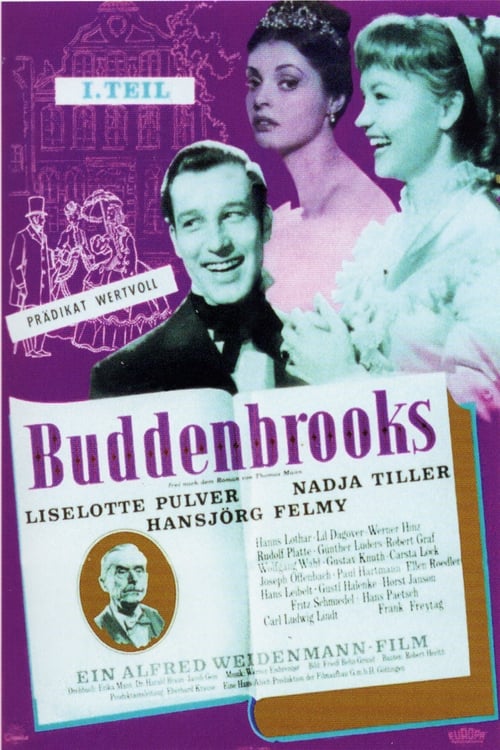
First part of two of the saga of the troubled Buddenbrook family and their business in mid 19th century Germany.
Buddenbrooks - 1. Teil
In a town in Connetticut in 1906, newspaper publisher Miller has problems with his sixteen-year-old son Richard, who reads Wilde, Shaw, Swinburne and Ibsen. Richard loves the neighbor's daughter with touching naivety, which the neighbor finds sinful. The problems of puberty are solved idyllically with a great deal of understanding and bourgeoisie. The everyday life of an average family with small disasters and small victories oscillates between heart and sentimentality and the wilderness of awakening love is nothing more than a teasing maze.
O Wildnis
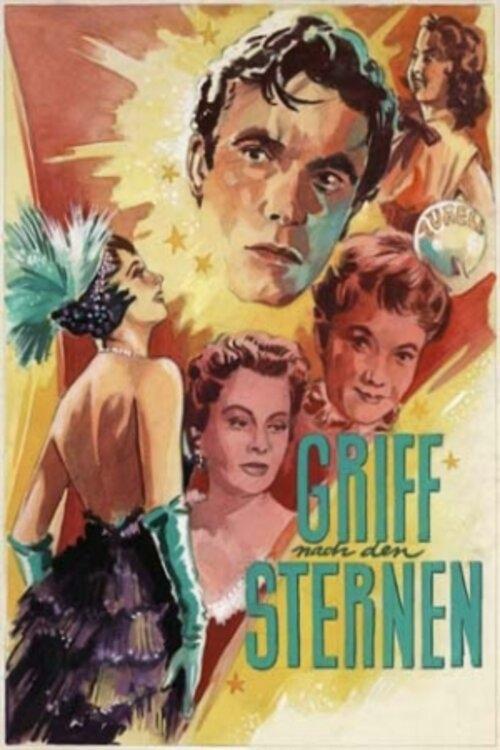
No description available.
Reaching for the Stars
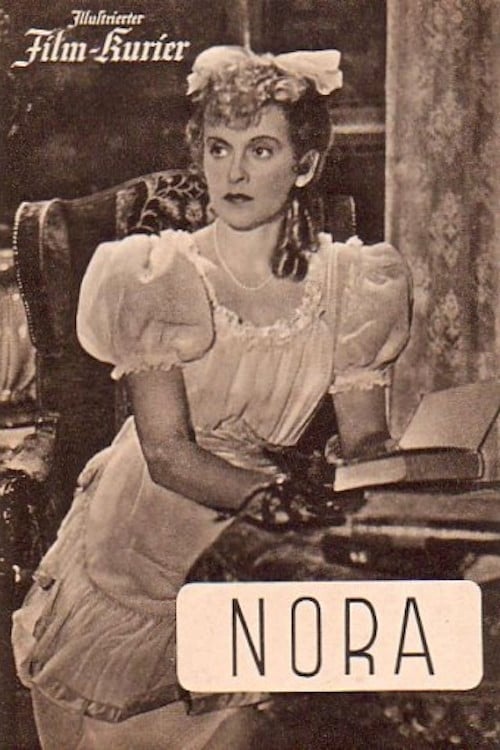
The film is an adaptation of Henrik Ibsen's play A Doll's House. The film uses Ibsen's alternate ending where the unhappy couple are reconciled at the end
Nora
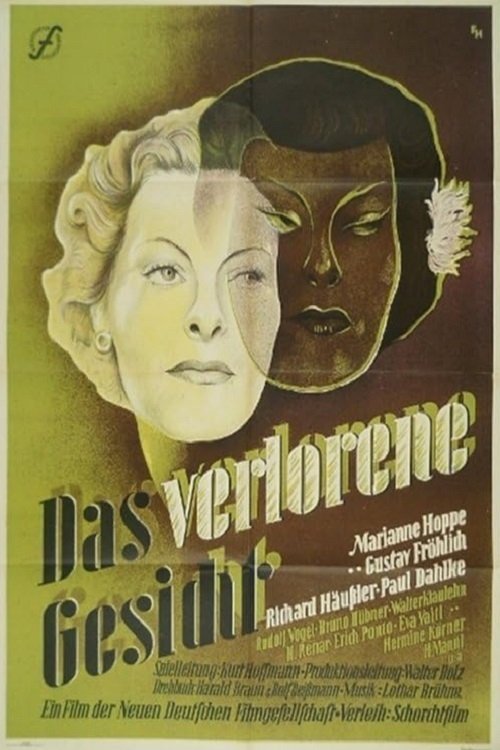
A clearly confused girl is found wandering around Stuttgart and can't be understood, because she's speaking in a foreign language. The police take her to some doctors, who eventually believe they're dealing with a Tibetan. Doctor von Aldenhoff takes the stranger in and begins to educate her according to western European standards. In her new home, the girl, Luscha, gets to know Robert Lorm, a rather well-travelled man, and falls in love with him. Eventually, she decides quite unilaterally that they're going to build a new home and life together. A plaster of paris mask of the girl's face is made for the doctors to keep as a remembrance of Luscha. But as soon as the mold is removed from her face, she suddenly seems to become an entirely different woman.
The Lost Face
The wife of the English consul in British-occupied Egypt at the turn of the century falls in love with a French foreign legionnaire, and her husband takes advantage of this to spy on secret plans for an uprising instigated by the French. An action by the French in the desert is then bloodily suppressed by the English. The legionnaire survives, but he cannot forgive the woman who loves him for the fact that many of his comrades have died as a result of her betrayal.
Geliebte Feindin
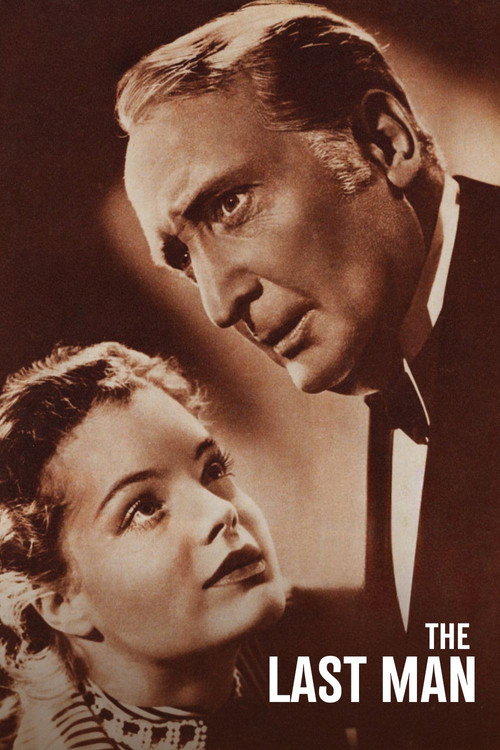
Old Karl Knesebeck has long been head waiter and rules his waiters with an iron fist at the hotel. When the business passes into the hands of the heirs after the owner's death, he's in a difficult position. The unscrupulous Alwin makes advances toward Niddy, the owner's daughter, whose well-being Knesebeck watches over like a father. Alwin demotes the old man to toilet attendant – a tragedy that Knesebeck tries to salvage, especially since Niddy is about to marry Alwin and another man would actually be better for her...