Acting
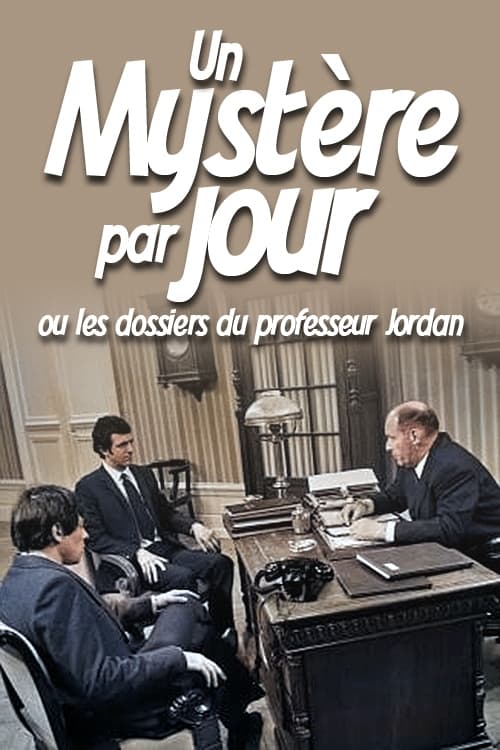
Les Cinq Dernieres Minutes is a crime based French television series
No description available.
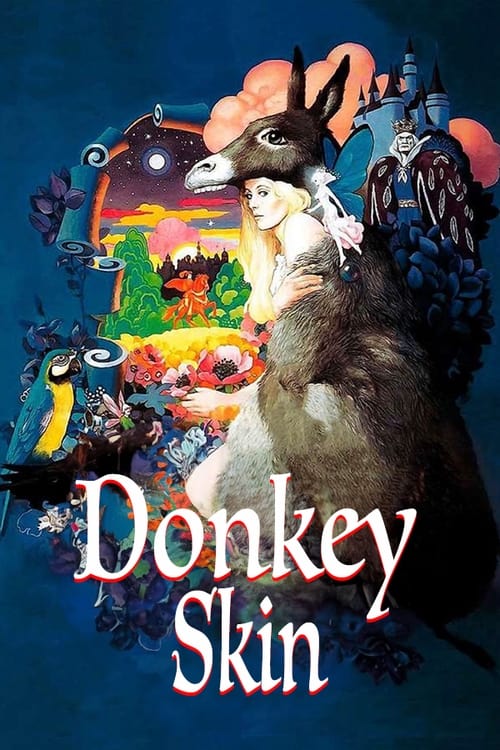
A fairy godmother helps a princess disguise herself so she won't have to marry her father.
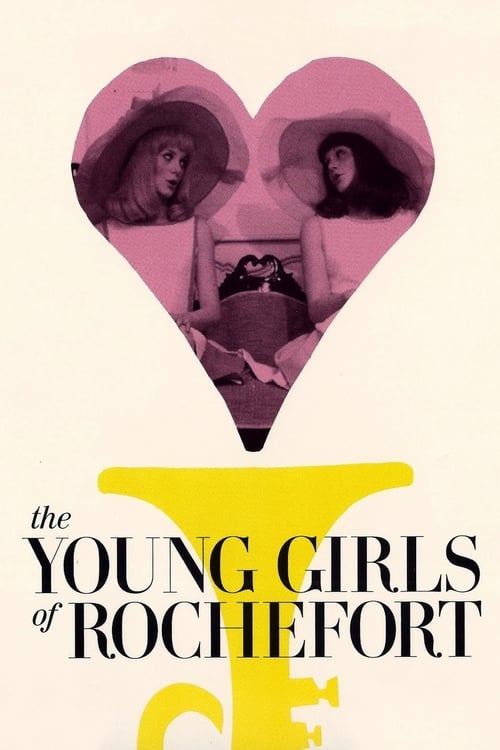
In the seaside town of Rochefort, twin sisters Delphine and Solange dream of love and artistic fulfillment beyond their quiet lives. As sailors, artists, musicians, and chance visitors pass through town during a weekend fair, a web of near-misses and romantic longing brings ideal partners tantalizingly close—without their realizing it.
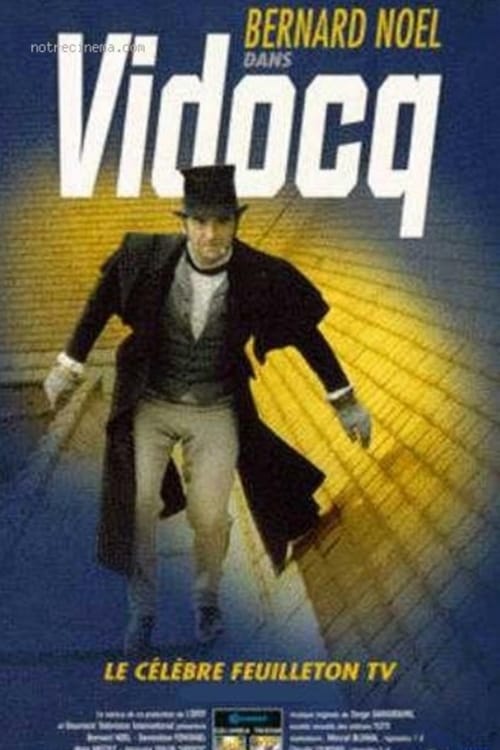
François Vidocq has been sentenced to eight years' hard labor for a crime he didn't commit. Escaped with the help of his faithful friends Desfossés and Fil de fer, the convict is pursued by his lifelong enemy: the policeman Flambart. Between scams and disguises, Vidocq initially leads an undercover life in 19th-century Paris. Eventually, the two men team up to fight criminals... And Vidocq succumbs to Annette's charms.
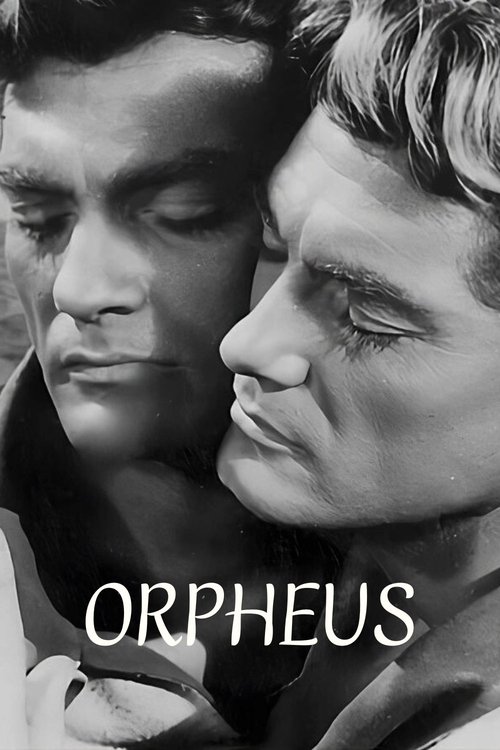
A famous poet in postwar Paris, scorned by the Left Bank youth, is in love with both his wife Eurydice and a mysterious princess. Seeking inspiration, the poet becomes obsessed and follows the princess from the world of the living to the land of the dead.
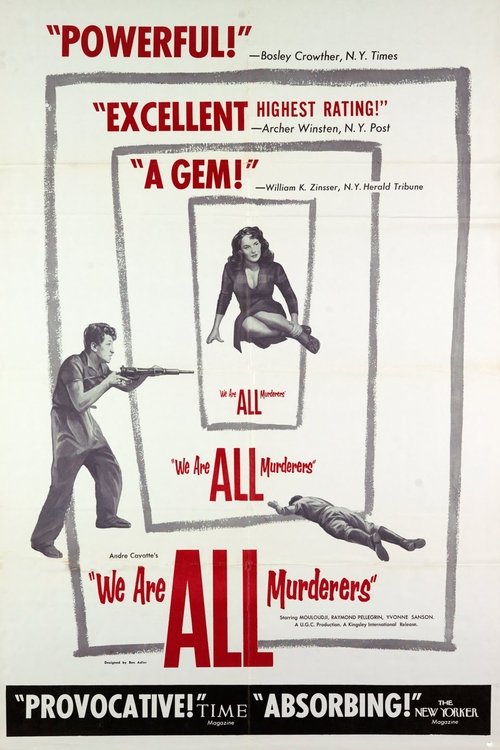
Originally titled Nous Sommes Tout des Assassins, We Are All Murderers was directed by Andre Cayette, a former lawyer who detested France's execution system. Charles Spaak's screenplay makes no attempt to launder the four principal characters (Marcel Mouloudji, Raymond Pellegrin, Antoinine Balpetre, Julien Verdeir): never mind the motivations, these are all hardened murderers. Still, the film condemns the sadistic ritual through which these four men are brought to the guillotine. In France, the policy is to never tell the condemned man when the execution will occur--and then to show up without warning and drag the victim kicking and screaming to his doom, without any opportunity to make peace with himself or his Maker. By the end of this harrowing film, the audience feels as dehumanized as the four "protagonists." We Are All Murderers was roundly roasted by the French law enforcement establishment, but it won a special jury prize at the 1952 Cannes Film Festival.
A group of pensioners, exasperated by the Social Security strike, meet Chalupot, a former paratrooper and ex-priest who has just been released from prison. He encouraged them to form the M.L.V. (Mouvement de Libération des Vieillards) and organize demonstrations. But as Chalupot is arrested and locked up, the pensioners plan to hold up the Social Security.
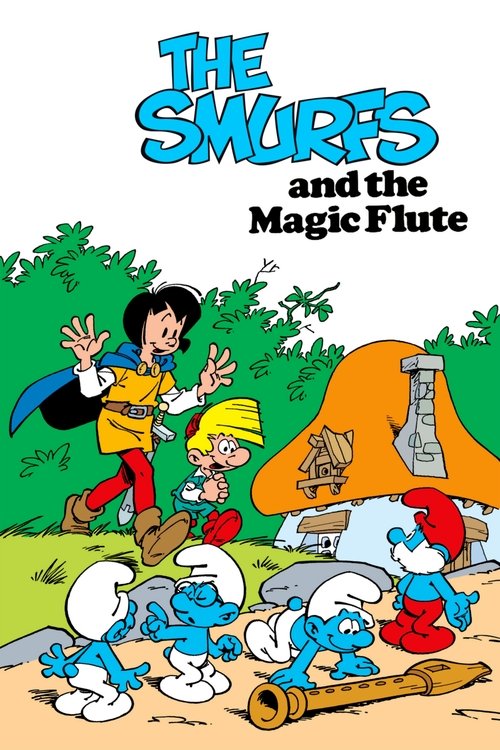
The evil knight Torchesac, who is at the service of the sinister lord of La Mortaille, gets a very powerful magic flute and uses it for evil purposes. Johan and Pirlouit, assisted by the magician Homnibus, travel to the land of the Smurfs, the only manufacturers of this sort of instrument, to get a new one and battle the usurpers.
Three stories about pleasure. The first one is about a man hiding his age behind a mask to keep going to balls and fancying women - pleasure and youth. Then comes the long tale of Madame Tellier taking her girls (whores) to the country for attending her niece's communion - pleasure and purity. And lastly, Jean the painter falls in love with his model - pleasure and death.
Back from a stay in the Far East, a woman who knew the names of the chiefs of a drug ring is murdered. Georges Masse, the famous reporter, decides to investigate, accompanied by his faithful photographer P'tit Louis. He will come across some unappetizing characters like M. Dubois, a killer, Luigi Costelli, a dangerous trafficker and a beautiful but dubious lady, Suzanne Wilson. After being himself suspected, Masse will make the truth triumph.
A married tugboat captain falls for a woman he rescues from a sinking ship.
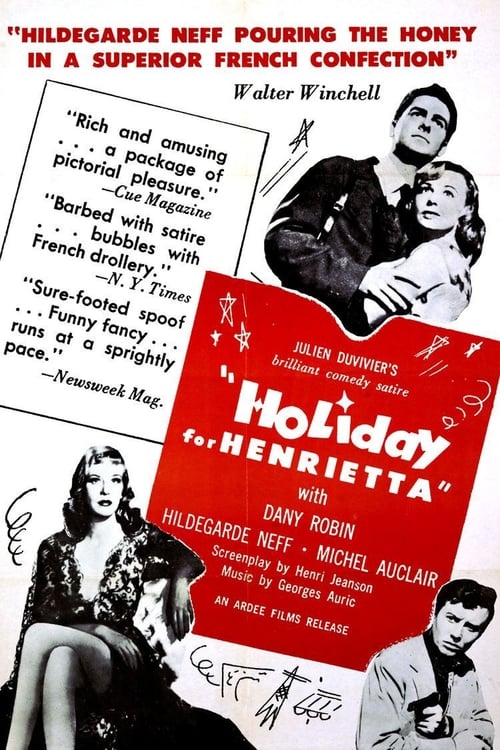
Two scriptwriters argue about the fate of Henrietta, a charming and gamine shopgirl. One favors a comical path for their heroine, who is overcome with sentimental love for a young photographer on Bastille Day. The other has a more thrilling and dastardly fate in mind for her. Among the film's irresistible conceits is Hildegarde Neff as an oversexed circus bareback rider.
An artist grows hateful of commercial demands on his questionable talents when his friend and artist commits suicide. He puts the blame for his friend's death on an art critic and a shady art dealer. He is able to take out his frustrations on the pretentious critic at a party. When an elderly man moves into the boarding house, he brings a machine he invented that can make people realize their subconscious dreams...
The independently-minded daughter of lower-middle class French shopkeepers, Brigitte, one of three sisters, refused to marry the father of her child when she became pregnant. In this film, she reminisces about her family life beginning when she was about five years old, up to the present when she is in her early 20s. Of her two sisters, one has a nervous breakdown and the other one becomes something of a baby factory. Colorful anecdotes of her eventful life lend additional depth to her insights.
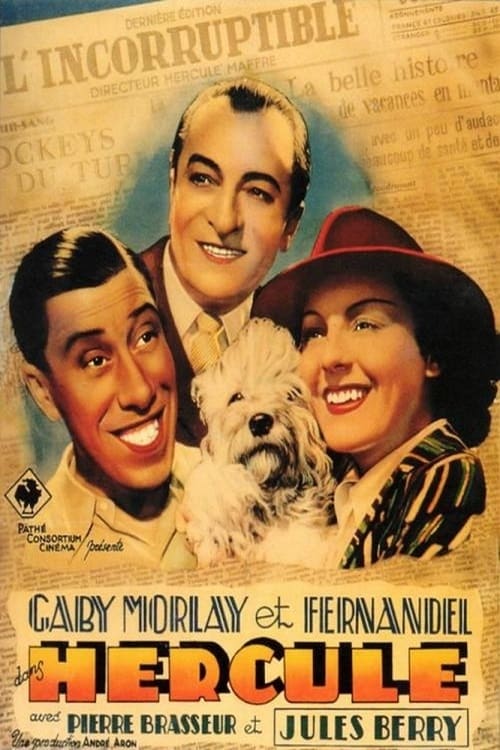
Hercule, a young peasant, inherits a Parisian newspaper with a large circulation. The editor-in-chief, Vasco, takes advantage of his ignorance to make corruption prevail. But Hercules gradually realizes the role that we make him play.
Alain Revent, a seductive and refined man, derives a peculiar satisfaction from debasing his wives. The first, driven to the brink of despair, throws herself out of a window. Enlisting the help of an equally perverse casual acquaintance, Dino, the "handsome brute" proceeds to emotionally torture his second wife, Nathalie. The sadistic plan is picked up on by Officer Leroy who suspects the truth. Will he be able to snatch the unfortunate woman from the evil Alain's clutches?
At 73, a former President of the French Council reflects on his political career while writing his memoirs, delving into his relationships with key figures, including the one set to become the next President.