Acting
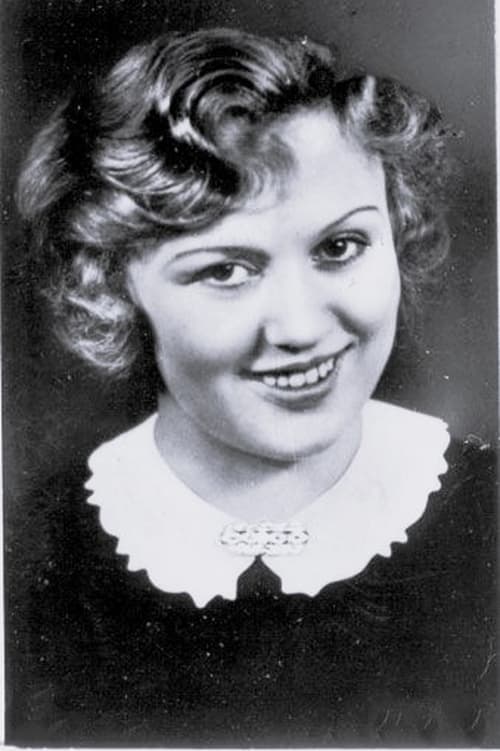
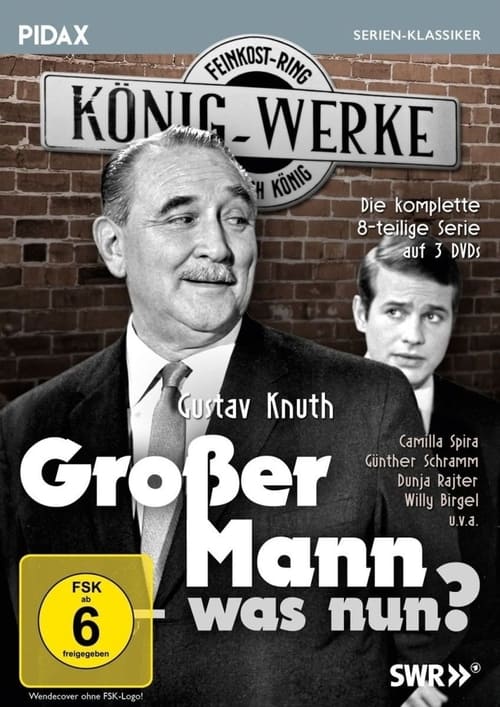
Camilla Spira was a German actress. She was the daughter of actor Fritz Spira.
Der Kommissar is a German television series about a group of detectives of the Munich homicide squad. All 97 episodes, which were shot in black-and-white and first broadcast between 1969 and 1976, were written by Herbert Reinecker and starred Erik Ode as Kommissar Herbert Keller. Keller's assistants were Walter Grabert, Robert Heines, and Harry Klein who, in 1974, was replaced by his younger brother Erwin Klein.
No description available.
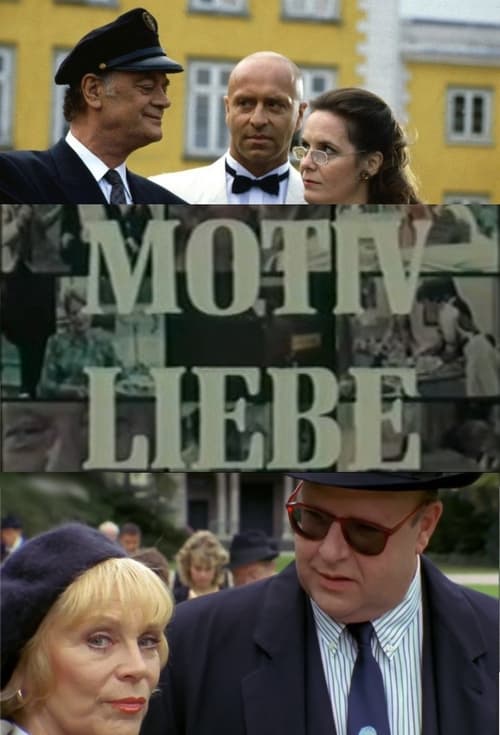
Motiv Liebe is a German television series.
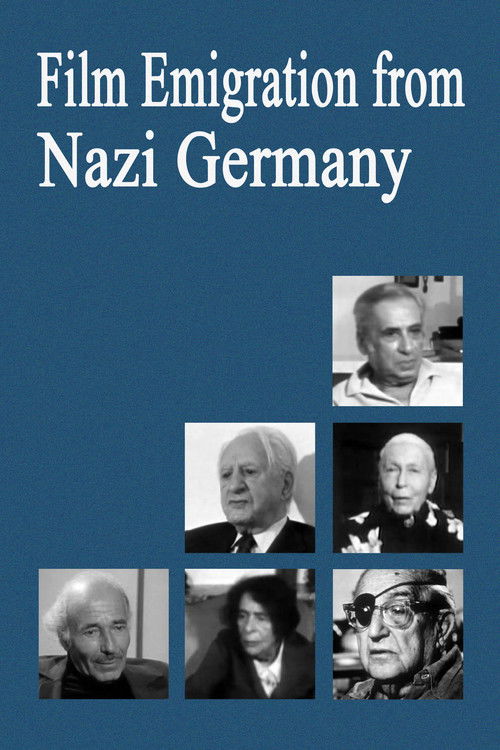
Based on extensive interviews, shot on 16mm in a series of static long takes, Filmemigration aus Nazideutschland, is one of the most fascinating examples of "Film history on film" ever produced. Straschek devoted years to researching the topic and accumulating both film and non-film materials. Apart from some radio features and articles, however, this 290-minute TV programme remains the only published trace of Straschek's lifelong work on the emigration of film personnel. He had intended to publish a three-volume book, encompassing all available data about 3,000 emigrants originating from the centre and peripheries of film production, but the book never materialised.
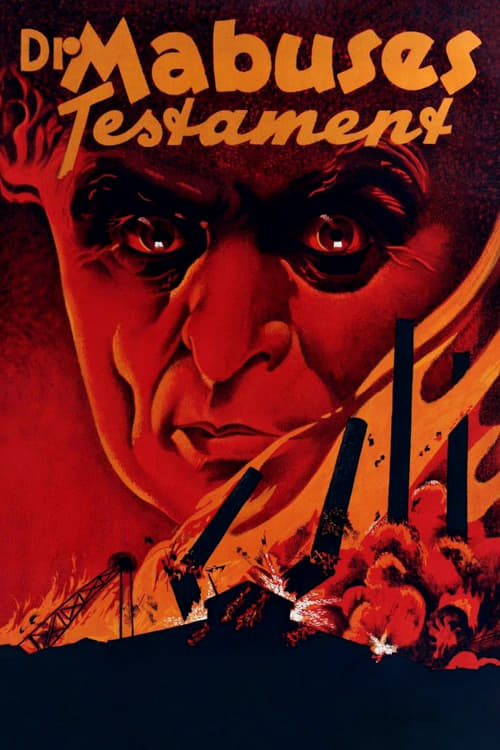
After a detective is assaulted by thugs and placed in an asylum run by Professor Baum, he observes the professor's preoccupation with another patient, the criminal genius Dr. Mabuse the hypnotist. When Mabuse's notes are found to be connected with a rash of recent crimes, Commissioner Lohmann must determine how Mabuse is communicating with the criminals, despite conflicting reports on the doctor's whereabouts, and capture him for good.
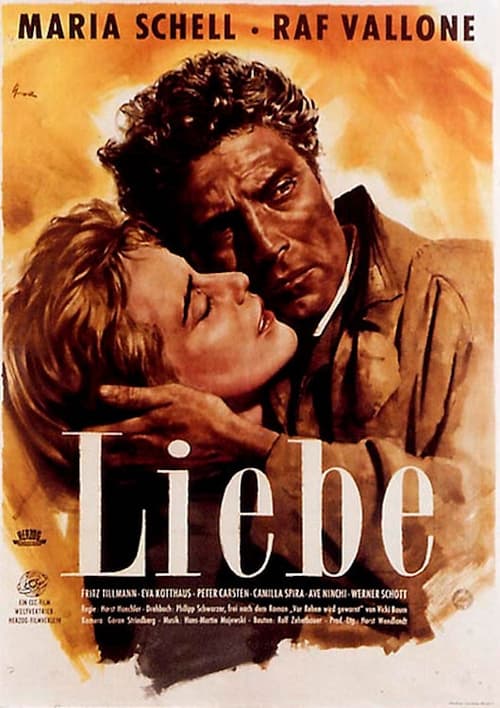
Anna falls madly in love with an Italian violinist, who instead marries her sister Monika.
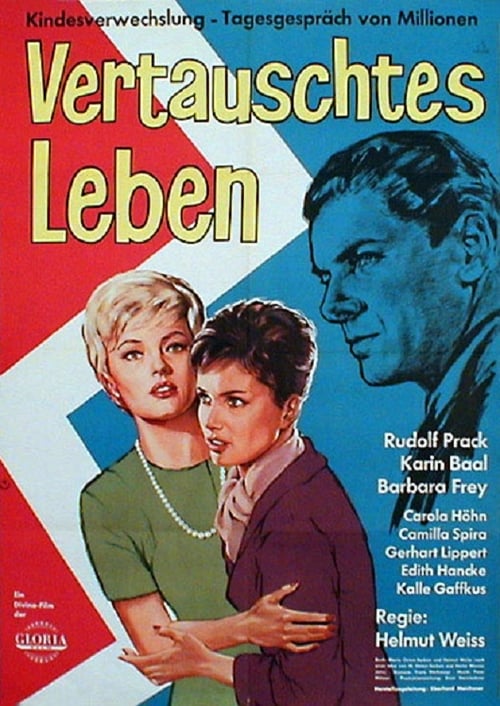
The mistake of two infants on a night of bombing during World War II plunged their families into grief and conflict 18 years later, when both girls were marriageable.
Film version of the operetta by Emmerich Kalman. Victor has won 10 000 Mark with his ceiling painting. In the local pub, he celebrates his triumph. Countess Alexandra happens to drop into the pub too, and is thought to be a model by the sponsor of the prize, Count Meredith. Victor soon has to save her from an embarassing misunderstanding. The two men insult each other and Victor loses his prize.
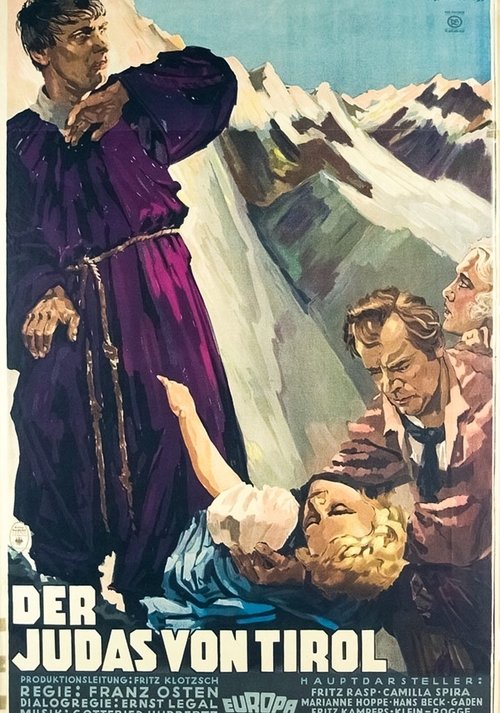
In the year 1810, the Tyrol is suffering under French occupation. A servant, who believes himself oppressed and disenfranchised by the peasants, dreams of being allowed to play Christ in the yearly Passion Play. Instead, he is forced to play Judas and soon the lines of reality blur: he betrays the location of Andreas Hofer, hidden by the farmers, breaks under the weight of his guilt and suffers Judas' fate.
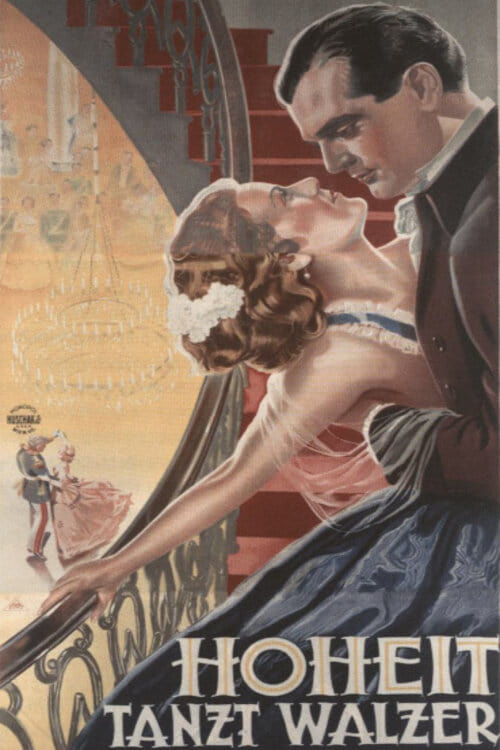
The young musician and composer Josef lives with Beethoven's music copyist in Grinzing. In the evenings, he plays for dances in the Prater, often his own melodies, although he doesn't make much effort to spread them, as they're almost all waltzes, a dance not well-regarded in high society because they're too sweaty. When one evening a lively princess—fresh from the convent—mingles incognito with the Prater crowd and falls in love with the dashing conductor Josef, an entire cultural system of values begins to crumble.
The adaptation of the eponymous play by Carl Zuckmayer tells the story of renegade general Harras of the German Luftwaffe, who during WWII openly criticizes the Nazi regime. As a consequence, he is put under surveillance, and even imprisoned for a brief period of time. Still remaining outspoken, Harras realizes the horrific dimensions of this hopeless and injust war waged by Germany.