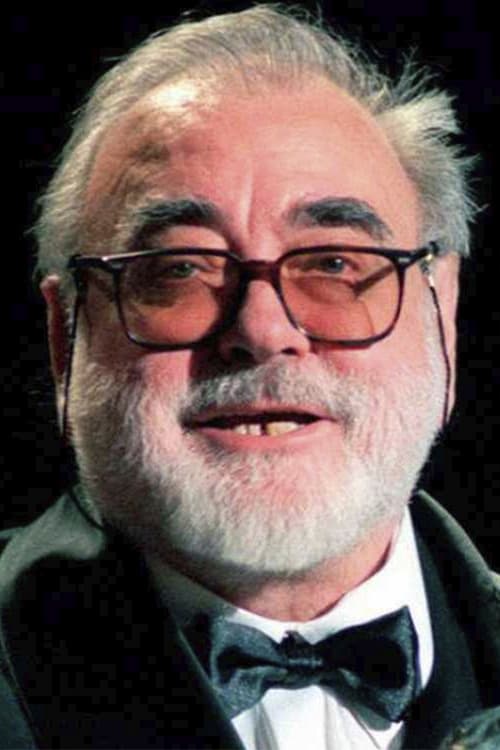
Miguel Picazo
Acting
Biography
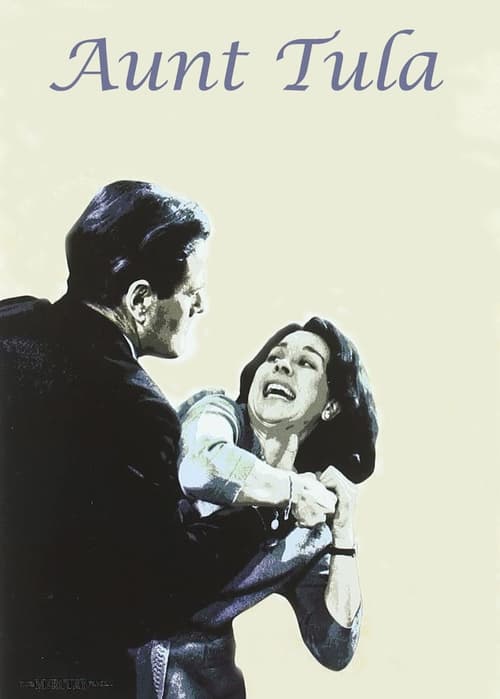
Miguel Picazo de Dios (27 March 1927 – 23 April 2016)[1] was a Spanish film director, screenwriter and actor. He is best known for his first feature film La tía Tula (Aunt Tula) (1964). Born in Cazorla (Jaén), Picazo was raise in Guadalajara and studied law. Interested in filmmaking, he entered Spain's national film school, Intituto de investigaciones y Experiencias Cinematográficas, graduating as director in 1960 with a practice film entitled Habitación de alquiler (Rented Room). He then became a teacher in the newly restructured Escuela Oficial de Cine (EOC) and eventually he was able to direct his first film, La tía Tula (Aunt Tula) (1964). An updated adaptation of the well known novel by Miguel de Unamuno, portraying the oppressive and puritanical environment of provincial life in Spain. The film, helped by a strong performance in the lead by Aurora Bautista as the sexually repressed title character, was a critical and commercial success and brought Picazo to the forefront of the new Spanish cinema. Despite the success of his debut film, it took Picazo three years to make his second film, Oscuros sueños de agosto (Dark dreams of August) (1967), a film marred by cuts by the censors and the death of the film's producer, Cesáreo González which hampered commercial distribution. This failure put Picazo away from filming for the next nine years.
Known For

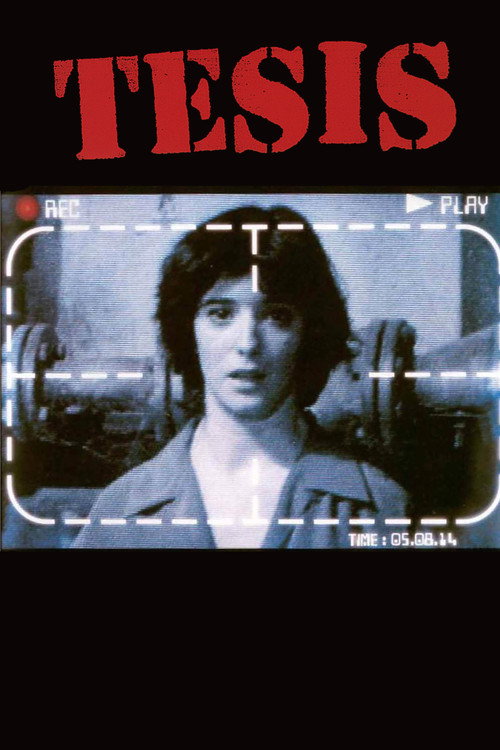
While working on a thesis about audiovisual violence, film student Ángela finds a snuff video where a girl is tortured until death. Soon she discovers that she was a former student in her university, and that the authors of the video are not very far either.
Thesis

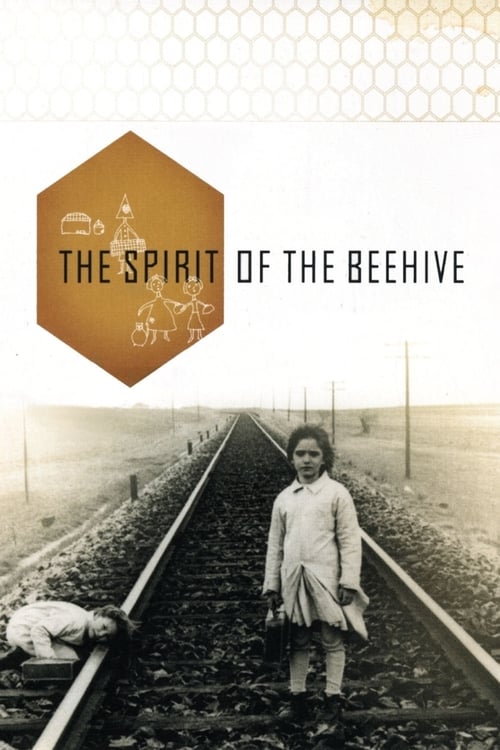
In 1940, in the immediate aftermath of the Spanish Civil War, a young girl living on the Castilian plain is haunted after attending a screening of James Whale's 1931 film Frankenstein and hearing from her sister that the monster is not dead, instead existing as a spirit inhabiting a nearby barn.
The Spirit of the Beehive

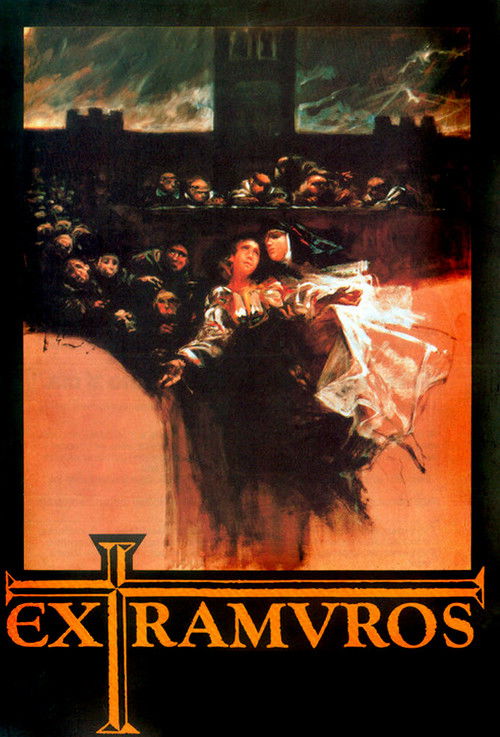
This 1985 Spanish film reveals one of the many terrible aspects of 16th century Spain, still plagued by the radical Christian Inquisition, one of a plethora of difficulties Spaniards faced at the time. Spanish super star Carmen Maura plays a nun who agrees to a selfless scam, a fake stigmata, only to avoid separation from her lover, another nun. It's a serious and passionate work, highlighting the theme of outspoken women-against-repression, seen in other good gay and lesbian films. This is not a lesbian "Nun sense" or another "Dark Habits" (by Almodovar, which also starred Carmen Maura, and also set in a Spanish convent, with some lesbian nuns). Perhaps, best of all, 'Extramuros' is realistic and frank. It isn't shy about its characters' sexuality. Their sexuality, and the film as a whole are genuine.
Beyond the Walls

Lara, the host of a radio call-in show dealing in psychic phenomena, discovers that her estranged lover has been found dead in a small Spanish village.
99.9: The Frequency of Terror

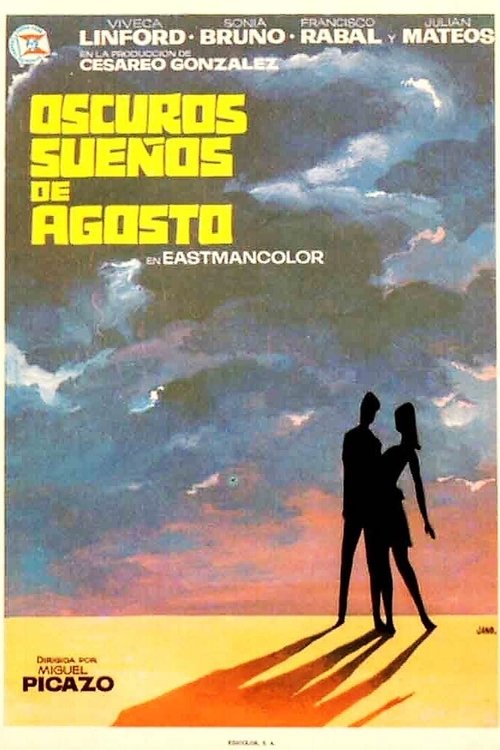
Isabel returns to Spain, after several years of absence, to be cured of a neurosis. His daughter Ana, whom he has not seen in all this time, decides to spend the holidays with her, taking advantage of the fact that her boyfriend has gone to study in Germany. During her stay in the sanatorium, Ana meets Mario, an attractive young man somewhat unbalanced, who tries to seduce her. Although at first she does not show any interest, little by little she becomes attracted to him.
Oscuros sueños de agosto

The life of Juan de Dios and his struggle against social, political and religious structures.
El hombre que supo amar

A widower finds himself falling for his sister-in-law.
Aunt Tula

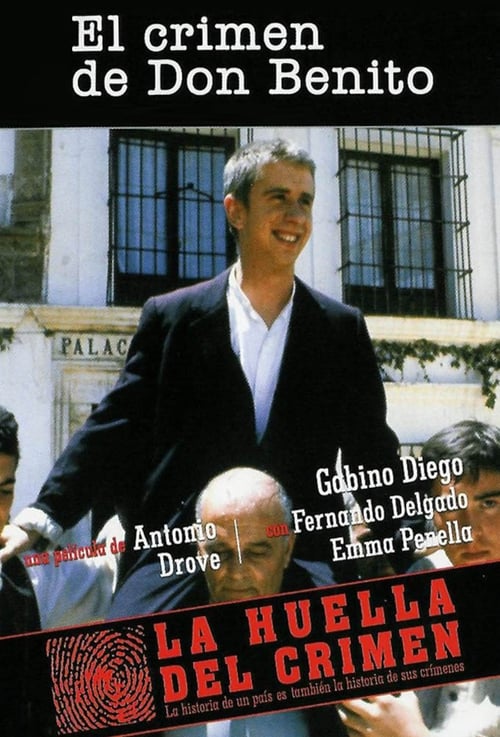
July 18, 1902. A woman and her daughter are brutally murdered in the Extremaduran town of Don Benito. Everybody knows the depraved town boss was responsible, but nobody dares to declare against him.
El crimen de Don Benito

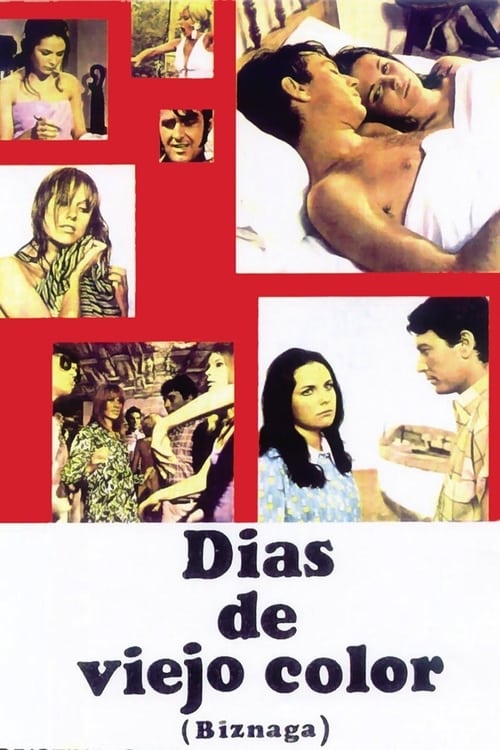
In the Easter holidays of 1967, three friends come to Torremolinos willing to flirt and experience strong emotions. Contact with a new environment, in which while some find the lies that hide behind the luxury and splendor and dangers that accompany life easier, others find true love.
Días de viejo color

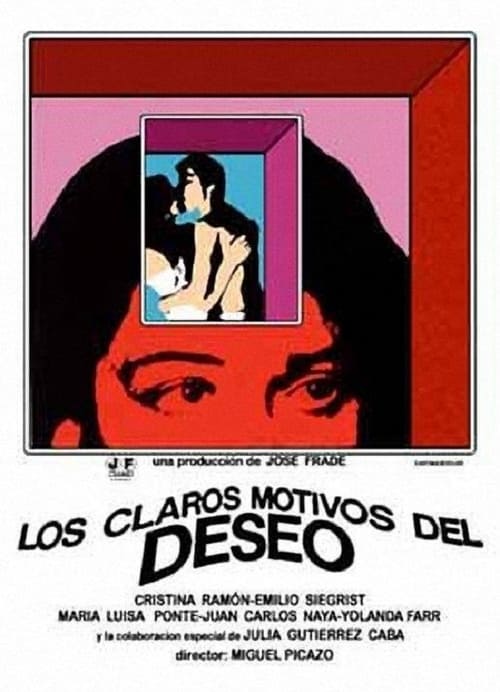
A morbid curiosity leads Andrea and her friends to spy on a couple of young people during their amorous outings. Javi, the boyfriend, feels bothered because that situation, but ignores that Andrea is attracted to him.
The Clear Motives of Desire

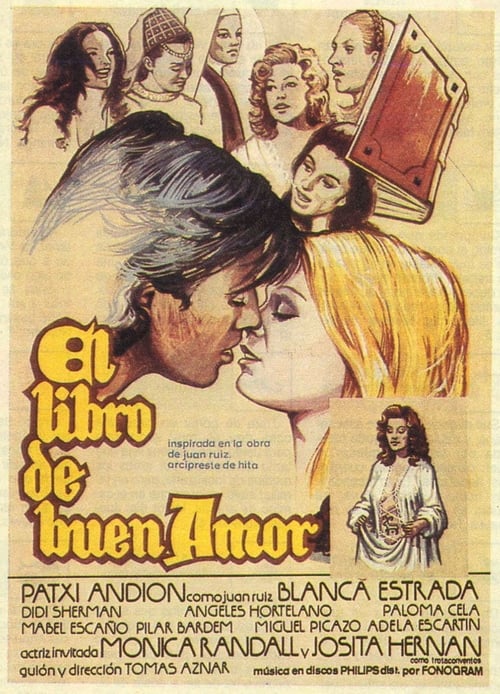
No description available.
The Book of Good Love

When, in a very strict Catholic school, a teacher enters a bathroom and surprises two students engaged in forbidden sexual practices, some of their classmates do not know whether to remain silent or rat out their own friends when questioned by school authorities.
La caza de brujas

The story is told from the first-person perspective of an unnamed narrator, who recounts the events of a particular night at a Villa Santa Rita bar and brothel. The clientele, including the narrator, spend the evening drinking and dancing the tango. Their festivities are interrupted by the arrival of a formidable stranger in black.