Writing
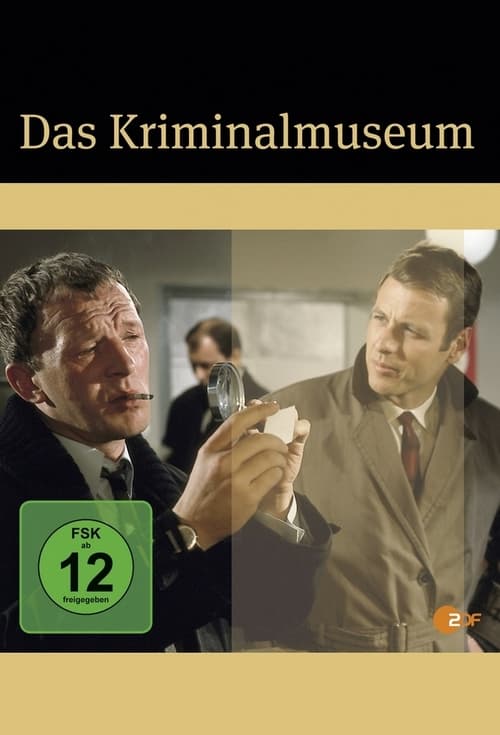
Das Kriminalmuseum was a German television series. It ran from 1963 to 1970 on ZDF and was one of its first programs. Each episode began with a tracking shot through an unspecified crime museum, stopping at one of the displays, whose story was then told. Each episode was between 60 and 75 minutes long and featured different actors as the criminal commissioner. The best known was Erik Ode, who in 1969 moved to Der Kommissar, appearing in 97 episodes. The theme music of the series was written by German composer Martin Böttcher, who also composed the complete scores for five episodes.
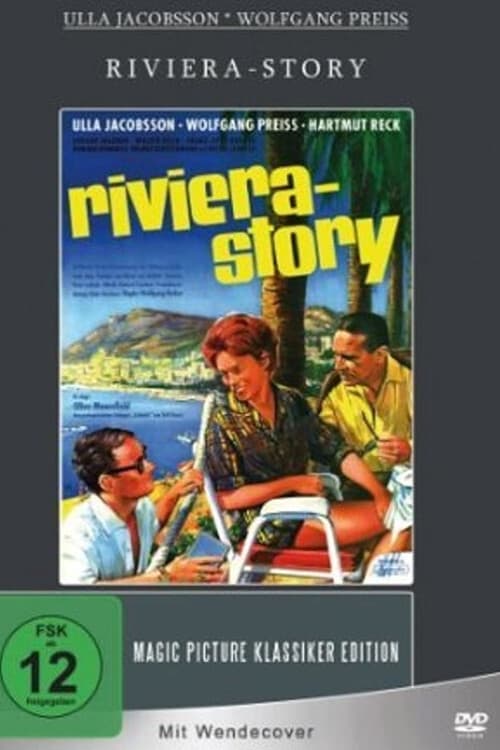
Relations between middle-aged businessman Arthur Dahlberg and his young wife Anja are not at their best. So it occurred to them to leave their Hamburg home and go on vacation to the Côte d'Azur to revitalize their relationship. But Arthur Dahlberg, even on vacation, is obsessed with running his business. Meanwhile, Anya meets the young writer Roy Benter.
An adventure directed by Rolf Olsen.
Lawyer Maria Rohn takes on the case of Martin Siebeck. The truck driver allegedly ran over a man on the highway. Siebeck denies the crime and states that two people threw the victim in front of his truck at full speed. The more Maria Rohn looks into the case, the more she notices inconsistencies. Her husband Günther is also behaving more and more strangely. It seems that he was also involved in the accident...
With the help of God, the loveable safecracker Paul Wittkowski – aka “Cracker-Paulie” – manages to escape the clutches of the cops. He dresses up as a priest and ends up in a village, whose pastor is in dispute with an influential businessman. To help the pastor and a young widow, Paulie has to use his own special abilities. This work leads him back to the path of righteousness. He contacts the police and, after serving his time, starts a new life with the widow.
Beate Dehn and Klaus Hartmann are two ambitious young architects locked in a fierce professional rivalry. When both enter the same high-stakes design competition, their battle of wits turns personal—and seductive. Charming and manipulative, Klaus has a reputation for winning clients with charm, whiskey, and a well-placed sofa, but Beate proves to be a match for his every move.
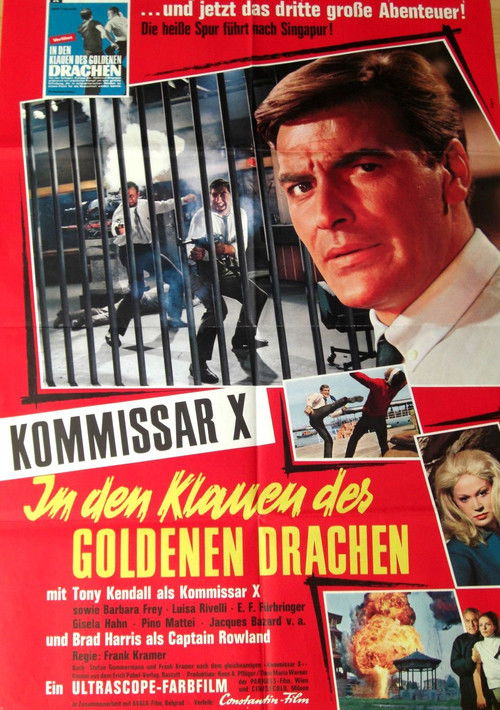
A scientist invents a filter that can increase the power of a laser beam, turning it into a death ray! A dangerous crime organization wants the device and will stop at nothing to get it, while murder and violence follow Joe and Tom to Singapore as they try to foil the evil plans.
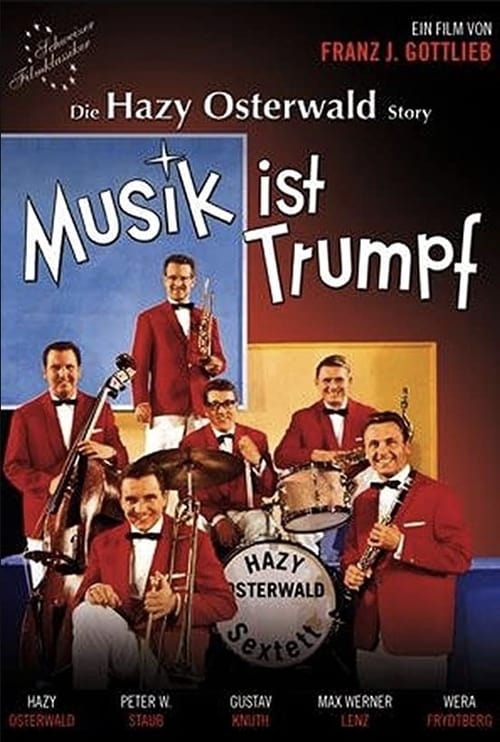
The young musician Ralph Osterwalder, born in Bern in 1922, is tired of working in a big band. He dreams of a small, flexible ensemble. In 1944, he founded his own combo in a hotel room. In 1949, fierce disputes arose. The newly founded Hazy Osterwald Sextet, featuring Sunny Lang, Dennis Armitage, Curti Prina, Werner Dies, and Johnny Ward, soon made international music history. Fast-paced, catchy music, interspersed with humorous show interludes, became the band's unmistakable trademark.
No description available.
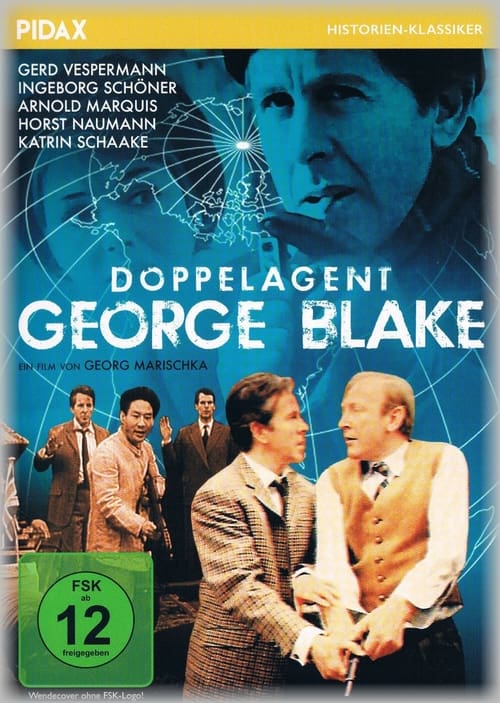
For ten years, the government official George Blake, recruited by the British secret service, also spies for the Soviet Union. Over 40 Western agents lost their lives behind the Iron Curtain as a result. In May 1961, Blake is sentenced to 42 years in prison. But that is not the end of the story. In 1966, Blake escapes from prison to the Soviet Union...
Ted is an entrepreneur whose hopes of selling 10,000 automatized ashtrays are scattered away after his buyer died. The story revolves around dozen of people whose lives are intertwined around Ted's Sisyphean attempts to return the money of a loan shark whose services he had to seek for.