
Taras Spivak
Editing
Biography
Taras Spivak is a Kyiv-based director and editor. He studied at the Department of Cultural Studies of the National University of Kyiv-Mohyla Academy. In 2021, Taras and his fellow film enthusiasts worked on cataloguing the archive of the Kyivnaukfilm studio. His latest film, his directorial debut, Under the Sign of Anchor, won the main award in the DOCU/SHORT shorts competition at the XXI Docudays UA. Since 2021, he has been working in film production, specializing in editing non-fiction films and organizing post-production.
Known For
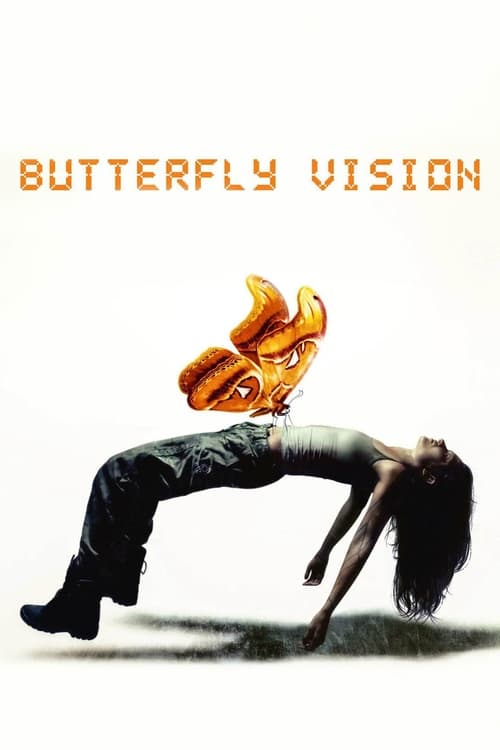
After spending months as a prisoner in Donbas, Ukrainian aerial reconnaissance expert Lilia returns home to her family. But the trauma of captivity continues to torment her and surface in dreamlike ways. Something growing deep within Lilia will not allow her to forget, yet she refuses to identify as a victim and will fight to liberate herself.
Butterfly Vision

A journey through Ukraine that reveals the banality of evil behind the Russian invasion with the shocking juxtaposition of two realities: the Ukrainians who have been suffering and resisting the war violence, and the Russian military, and civilians, who have been perpetrating it.
Intercepted
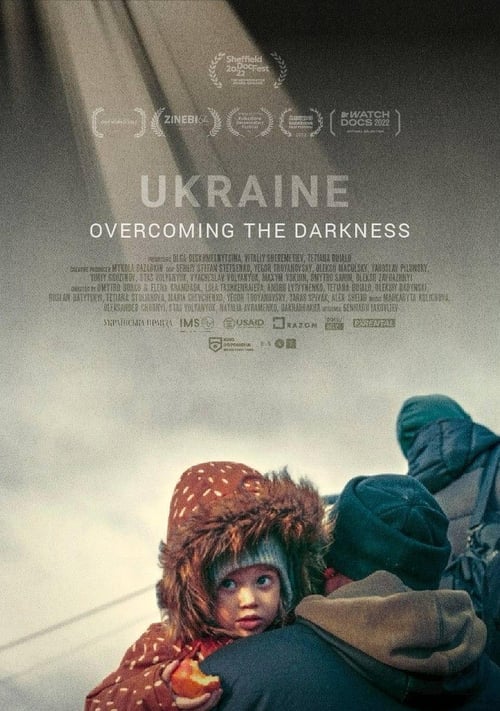
The kaleidoscope of stories shines a light on Ukrainians bravely defending their land against the Russian invasion, where millions struggle for their right to exist. A compendium of short films, this is highlights the full tragedy that followed the Russian invasion of Ukraine in February 2022. It charts the course of the Russian progression across the country through the lives and communities of those affected by the wide-scale aggression, alongside those fighting for their land. The film details the force of the assault, but its primary focus lies with the strength of the communities that have had to endure unimaginable hardships but who remain resilient in the face of such oppression. It joins an increasing number of ground-level films documenting the reality of this modern tragedy. Initially, the film did not contain an indication of the directors and cinematography team, which was indicated as a team of authors of "KINODOPOMOHA".
Ukraine. Overcoming the Darkness

Reflective observations of Ukraine in wartime are interwoven with eye-witness accounts to contemplate the ultimate tragedy: the normalization of war.
Songs of Slow Burning Earth
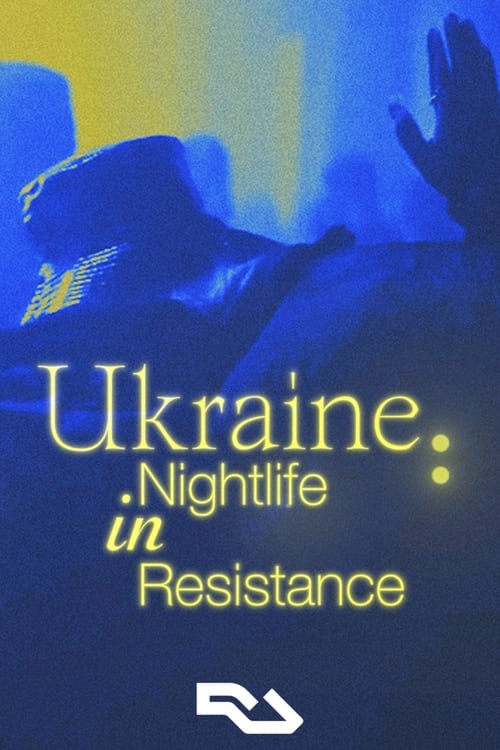
When Russia launched its full-scale invasion of Ukraine on February 24th, the thriving electronic scene changed forever. Overnight, producers, DJs, club owners, staff, promoters and curators became soldiers, refugees and volunteers. Such efforts swept through its venues, too. The country's dance floors were suddenly repurposed into medical training facilities and ammunition factories, coordination headquarters and volunteer centres. Ukraine: Nightlife in Resistance delves into six individual perspectives from across its club scene, uncovering from their stories the true cost of war.
Ukraine: Nightlife in Resistance

In the late 1980s, a team of Ukrainian filmmakers made several expeditions to the remote corners of Siberia. In 2022, during Russia's ongoing invasion of Ukraine, previously unknown footage from these trips was discovered in Kyiv. This valuable find becomes the starting point for the film essay about Russian imperialism, environmental destruction and oppression of the indigenous population in Russian colonies.
Where Russia Ends
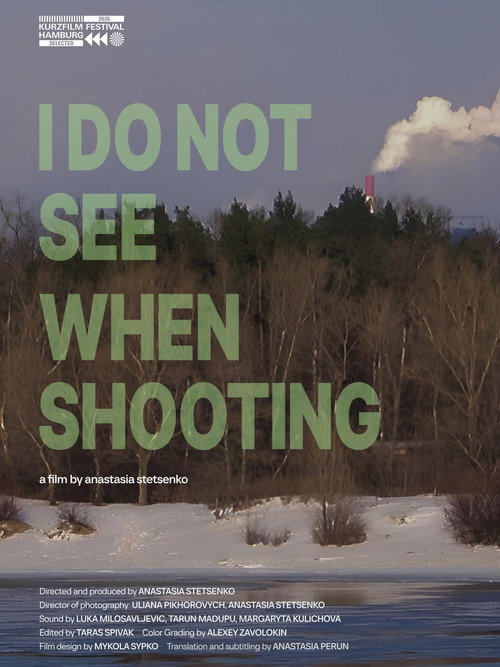
Two friends drift through Kyiv’s »yebenya« (Ukrainian slang: »the ass-end of nowhere«), hopping city trains, tracing smokestacks, and power lines of Ukraine’s wounded electrical grid, chatting about the (in)ability to cry.
I Do Not See When Shooting

During the Russian occupation of the Chornobyl Zone in early 2022, a local informant is clandestinely filming the Russian troops. We hear the workers of the Chornobyl Nuclear Power Station discuss their experiences during the Russian military takeover of their facility - an act of nuclear terror which threatened another global disaster at this site. Past and present catastrophic scenarios intertwine in this macabre episode of the Russian invasion of Ukraine.
Chornobyl 22
The elite Kyiv Naval Political College operates in a city without access to the sea. The first Soviet aircraft carrier, the Kyiv, became the flagship of the Northern Fleet. The school's students, future political officers of the Soviet navy, go on a long navigation voyage; meanwhile, at their alma mater the Kyiv-Mohyla Academy opens. Focusing on the history of the institution's changing ideological functions, Under the Sign of Anchor explores the complex and sometimes paradoxical connections between war and culture, the Soviet past and the present. The film is based on materials from film archives from the time of the collapse of the USSR and the first years of Ukraine's independence.
Under the Sign of Anchor
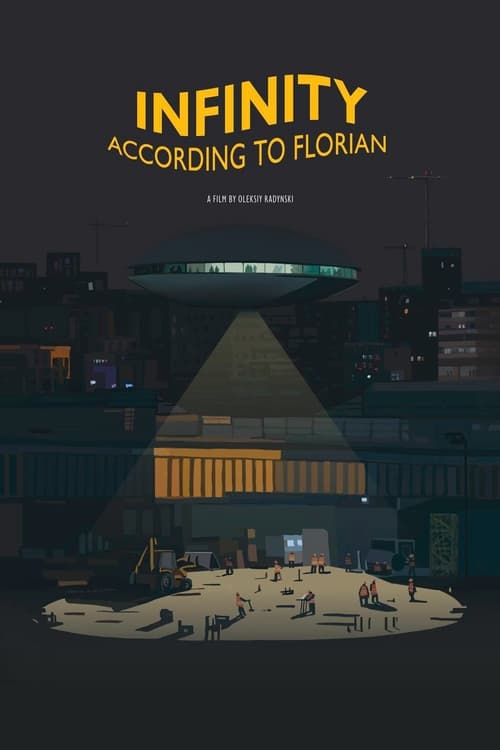
90-year-old architect Florian Yuriev is facing the destruction of his magnum opus: an avant-garde concert hall set to be repurposed as a shopping mall. Florian confronts the powerful real estate developer behind this investment project, and uses his visionary ideas to capture an unlikely victory. This is an architectural documentary with infusions of science fiction and horror film.
Infinity According to Florian
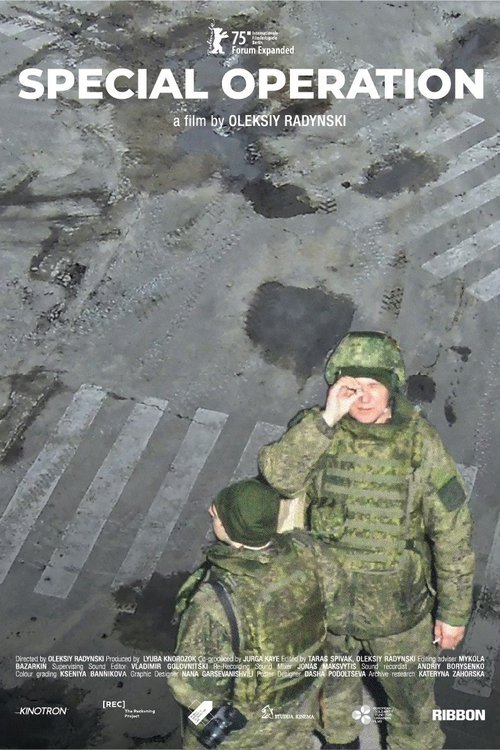
When the Russian troops occupied Ukraine’s Chornobyl Nuclear Power Plant, their activities were documented by CCTV cameras. The film is based on that footage, recorded at the site of the worst nuclear disaster in history.
Special Operation
A full-scale invasion found the Kyiv director in a small Bedouin village in the Middle East. It was warm, safe, and unbearably far from home. Once the director had a prophetic dream. She decided to return to Kyiv, still the hostilities were unfolding. Despite the condemnation of relatives and the long journey, she finally managed to cross the threshold of her home. But the house itself has now become forever different.
I Did Not Want to Make a War Film
The film explores Ukrainian history based on unedited footage from a journalist of Sevastopol TV.
On the Steep Cliff
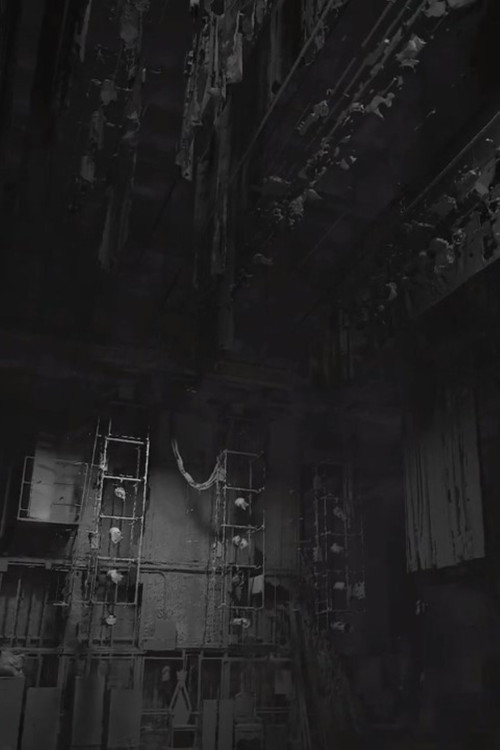
Before it was destroyed by a Russian airstrike, the Mariupol Theater was a key refuge in the besieged city, a unique site of solidarity and resistance. With Forensis & Forensic Architecture, the Center for Spatial Technologies interviewed survivors to tell the story of a self-organized commune: a city within a building.
A City Within a Building: Mariupol Drama Theater

A story of Belarusians who were subjected to repression. The film was made on the basis of 25 interviews with victims and chronicles. The film shows the path of a detainee at a protest in Belarus: march and detention, a ride in a prison truck, registration at a police station, trial, prison, release, and reflection on the experience.