FEEL IT.STREAM
?

Juliane Lorenz

Editing

Biography

Juliane Lorenz is a German film editor best known for her work with and relationship to director Rainer Werner Fassbinder. She is the head of the Fassbinder Foundation, an organization that seeks to preserve and promote the filmmaker's legacy. She has authored or edited several books on the director's life and work, and has directed a documentary on the same subject.

Known For

No image
6.0

No description available.

German Film Award

1951
No image
N/A

No description available.

Nachtstudio

1997
Berlin Alexanderplatz
7.3

In late 1920s Berlin, Franz Biberkopf is released from prison and vows to go straight. However, he soon finds himself embroiled in the city’s criminal underworld.

Berlin Alexanderplatz

1980
Lola
6.9

Germany in the autumn of 1957: Lola, a seductive cabaret singer-prostitute exults in her power as a temptress of men, but she wants out—she wants money, property, and love. Pitting a corrupt building contractor against the new straight-arrow building commissioner, Lola launches an outrageous plan to elevate herself in a world where everything, and everyone, is for sale. Shot in childlike candy colors, Fassbinder’s homage to Josef von Sternberg’s classic The Blue Angel stands as a satiric tribute to capitalism.

Lola

1981
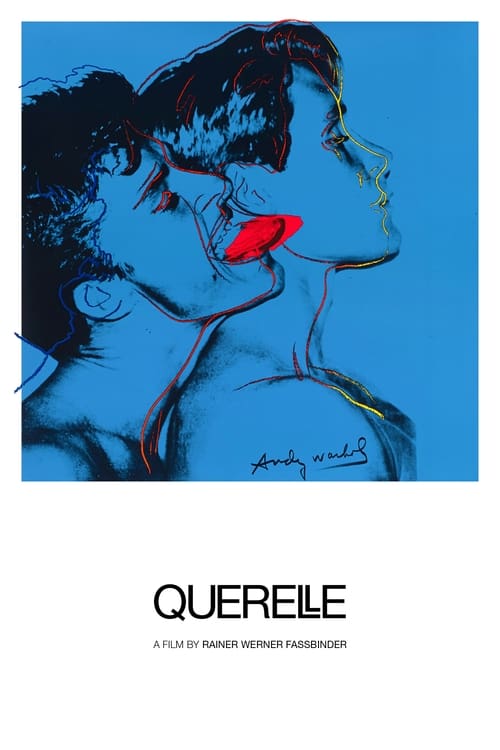
Querelle
6.6

A handsome Belgian sailor on shore leave in the port of Brest, who is also a drug smuggler and murderer, embarks upon a voyage of highly charged and violent homosexual self-discovery that will change him forever from the man he once was.

Querelle

1982
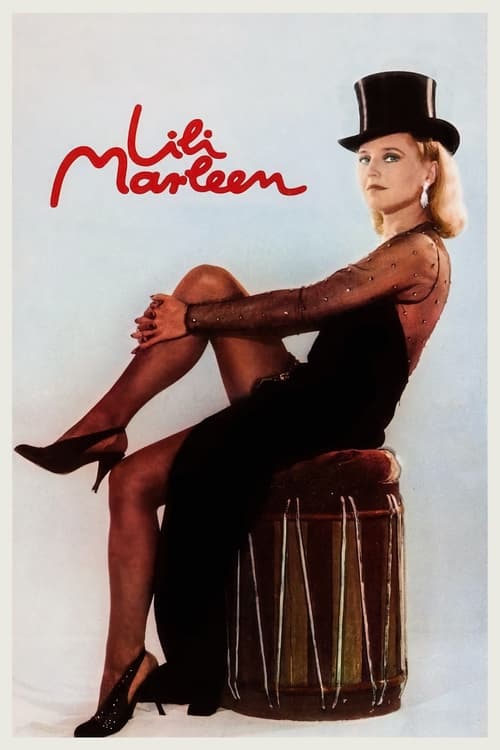
Lili Marleen
6.4

The story of a German singer named Willie, who while working in Switzerland, falls in love with a Jewish composer named Robert, whose family is helping people to flee from the Nazis. Robert’s family is skeptical of Willie, thinking she could be a Nazi as she becomes famous for singing the song “Lili Marleen”.

Lili Marleen

1981
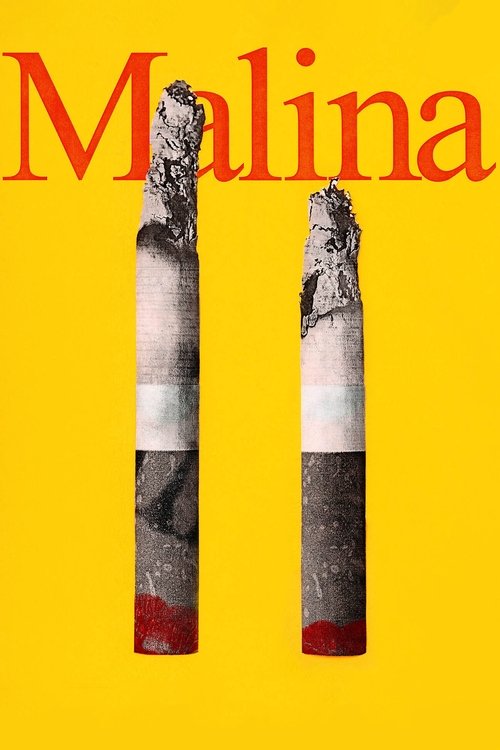
Malina
6.2

An unusual story of a triangular relationship in Vienna. A woman shares an apartment with a man named Malina. The woman meets Ivan and falls under his spell. It will be her last great passion. Her feelings are so strong and all-encompassing that Ivan can neither understand nor return them.

Malina

1991
Veronika Voss
7.2

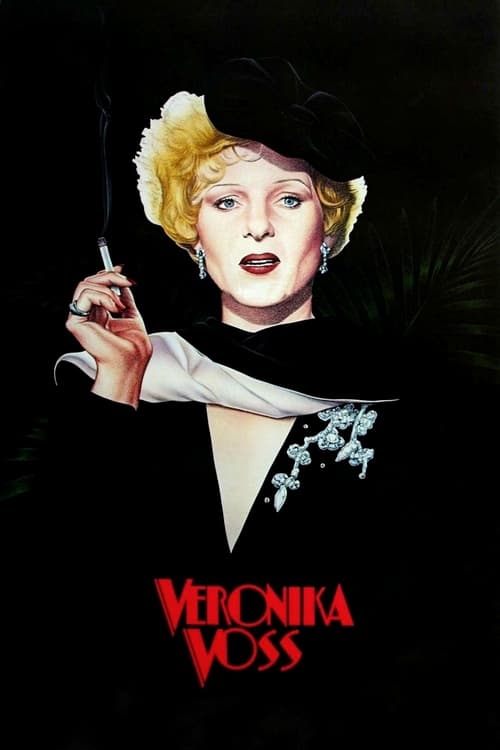
In Munich 1955, German film star Veronika Voss becomes a drug addict at the mercy of corrupt Dr. Marianne Katz, who keeps her supplied with morphine. After meeting sports writer Robert Krohn, Veronika begins to dream of a return to stardom. As the couple's relationship escalates in intensity, Veronika begins seriously planning her return to the screen -- only to realize how debilitated she has become through her drug habit.

Veronika Voss

1982
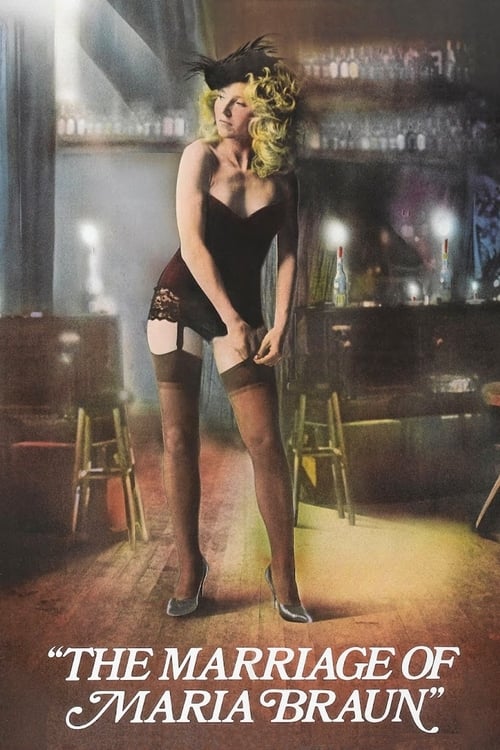
The Marriage of Maria Braun
7.4

Maria marries a young soldier in the last days of World War II, only for him to go missing in the war. She must rely on her beauty and ambition to navigate the difficult post-war years alone.

The Marriage of Maria Braun

1979
The Stationmaster’s Wife
5.5

The lackluster and plodding Bolweiser has the (mis)fortune to be married to the town’s siren; his trusting nature leads him into serious trouble when she beds nearly every available guy.

The Stationmaster’s Wife

1977
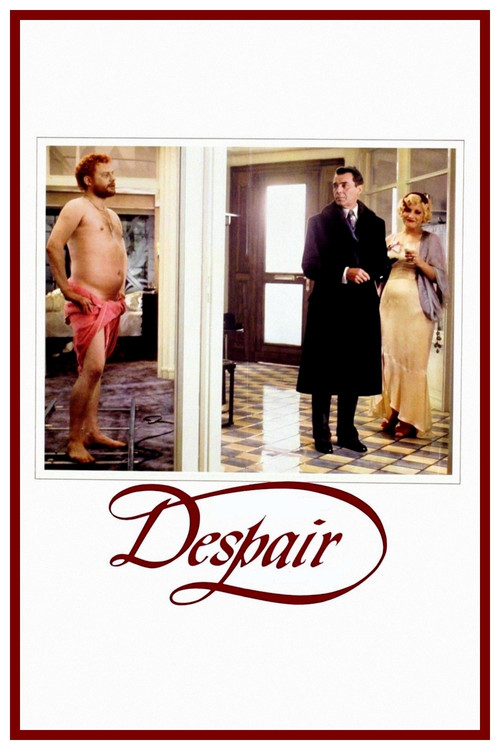
Despair
6.5

Berlin, 1930, during the rise of Nazism. Hermann Hermann, a Russian emigrant and chocolate manufacturer, married to the capricious Lydia, loses his temper more and more every day when dealing with his workers and other businessmen; until he meets Felix, a vagrant, who seems to be physically identical to him; a disconcerting fact that leads Hermann Hermann to plot a particular way out of a fake world he actually hates.

Despair

1978
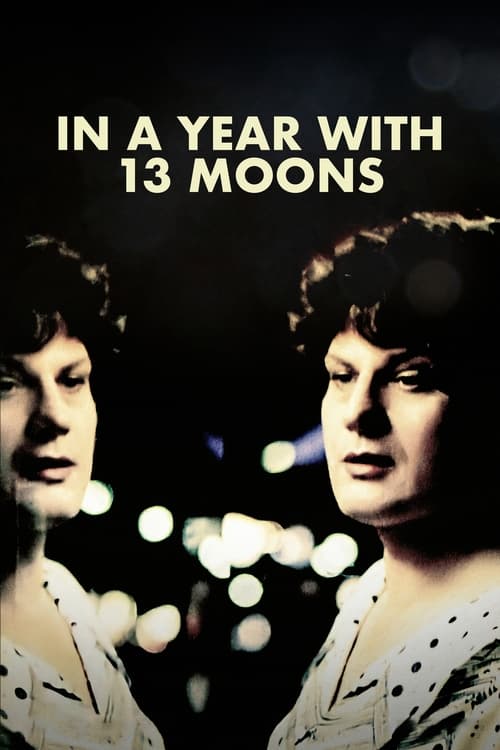
In a Year with 13 Moons
6.6

Elvira Weishaupt, once a burly working-class butcher, has made an enormous sacrifice for love. She has undergone a sex change for a romantic interest who has abandoned her, and she now must struggle to reconcile her past life with her present identity.

In a Year with 13 Moons

1978
Mondo Lux: The Visual Worlds of Werner Schroeter
5.5

Werner Schroeter was one of the most significant proponents of New German Cinema. Schroeter was diagnosed with cancer in 2006. In her film, Elfi Mikesch, who photographed a number of Schroeter’s films and who collaborated closely with him to create his vision, provides us with an intimate insight into Schroeter’s artistic output during the remaining four years of his life.

Mondo Lux: The Visual Worlds of Werner Schroeter

2011
Germany in Autumn
6.3

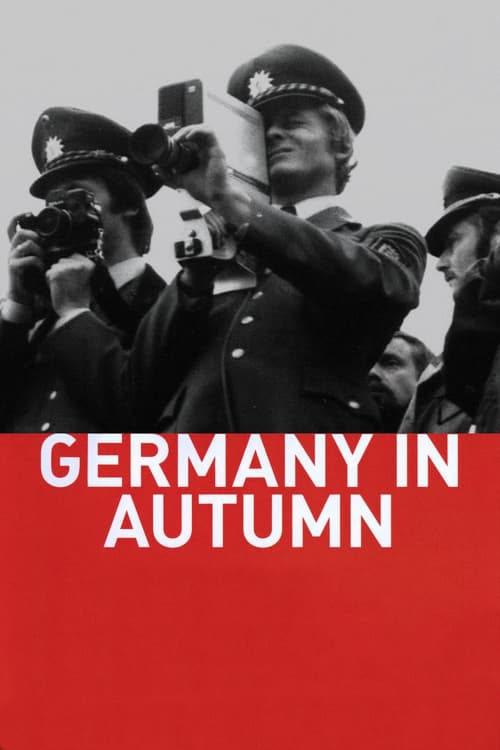
Nine fictitious documentaries and films reflect the mood of late 1970s Germany, particularly the two-month period in 1977 when a businessman was kidnapped by the RAF (Red Army Faction). The kidnap had been made to orchestrate the release of the original leaders of the RAF, aka the Baader-Meinhof.

Germany in Autumn

1978
Kamikaze '89
5.3

In a futuristic, totalitarian society wherein the government controls all facets of the media, a homicide detective investigates a string of bombings and uncovers more than he bargained for.

Kamikaze '89

1982
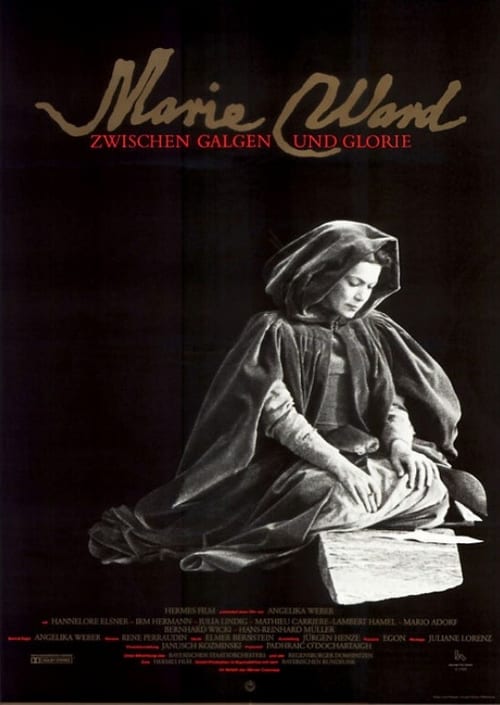
Marie Ward - Zwischen Galgen und Glorie
9.0

The story of Marie Ward, a religious woman from a devout, aristocratic Yorkshire Catholic family who lived between 1585 and 1645 and moved to St. Omer in Walloon France, where she joined the Order of St. Clare, later returning to England to found her own order and devote her life to helping others.

Marie Ward - Zwischen Galgen und Glorie

1985
The Third Generation
6.0

A wildly anarchic satire of guerrilla terrorism in which a band of leftist radicals inadvertently become puppets of the West German government, which uses them to justify its authoritarian policies.

The Third Generation

1979
Fassbinder
6.2

A film portrait of the influential Bavarian actor, director, and screenwriter who publicly confessed his homosexuality, which chronologically covers all the important stages from Action-Theater to the director's early death, supplemented with anecdotes.

Fassbinder

2015
Deux
5.2

After reading a postcard that her mother let go in the wind, a woman learns that she has a twin.

Deux

2002
Love’s Debris
6.0

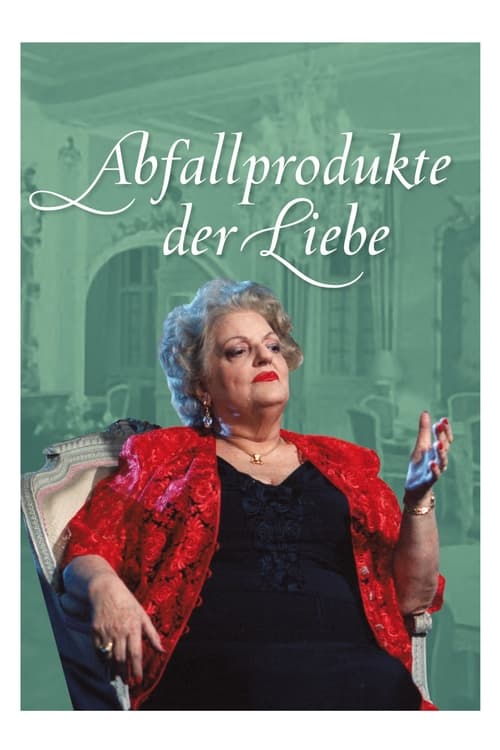
German director Werner Schroeter invited his favourite opera singers to a 13th century abbey near Paris. There was no pre-planned action. There was no script, no continuity. On the other hand, there were precise constraints that provided the rules of the game: the setting, the Abbey of Royaumont, and the chosen participants. Each singer came accompanied by a person of his or her choice, and worked on an aria chosen by the director.

Love’s Debris

1996