Arthur Everard
Directing
Known For
This 1981 NFU film is a tour of the contemporary world of Aotearoa’s tangata whenua. It won headlines over claims that its portrayal of Māori had been sanitised for overseas viewers. Debate and a recut ensued. Writer Witi Ihimaera felt that mentions of contentious issues (Bastion Point, the land march) in his original script were ignored or elided in the final film, and withdrew from the project. He later told journalists that the controversy showed that educated members of minority groups were no longer prepared to let the majority interpret the minority view.
Māori
No description available.
Score
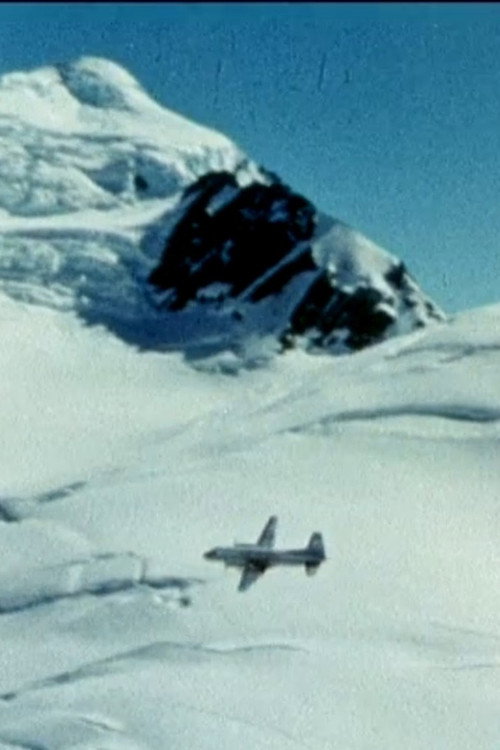
Shot for an Australian Travel Agents Seminar, this short film seeks to portray 1969 New Zealand as a hip and happening place. The tourism clichés of a scenic wonderland remain, but the film attempts to present a more sophisticated NZ to entice jet-set Aussies east. After all, we "got rid of six o'clock closing ages ago." To complement the Anzac staples of sport, beer and gambling there are mountains and Māori. Nightclubs offer show bands and strippers for "relaxation" after strenuous days of sightseeing. C’mon is a fascinating snapshot of a nation in transition.
C'mon to New Zealand

This chronicle of the Christchurch Commonwealth Games marked one of the National Film Unit's most ambitious productions. Though a range of events (including famous runs by John Walker and Dick Tayler), are covered, the film often bypasses the pomp and glory approach; instead it dares to talk to the injured and mention that most competitors lose. The closing ceremonies of the "friendly games" feature the athletes gathering to — as the official song's chorus put it — "join together". Four directors joined together to work on it: Arthur Everard, John King, Paul Maunder and Sam Pillsbury.
Games '74: Official Film of the Xth British Commonwealth Games, Christchurch, New Zealand, 1974
Documentary following an attempt to find, net, and train a bottlenose dolphin for Napier marine mammal park Marineland.