Acting
The best in the performing arts from across America and around the world including a diverse programming portfolio of classical music, opera, popular song, musical theater, dance, drama, and performance documentaries.
In late 1920s Berlin, Franz Biberkopf is released from prison and vows to go straight. However, he soon finds himself embroiled in the city’s criminal underworld.
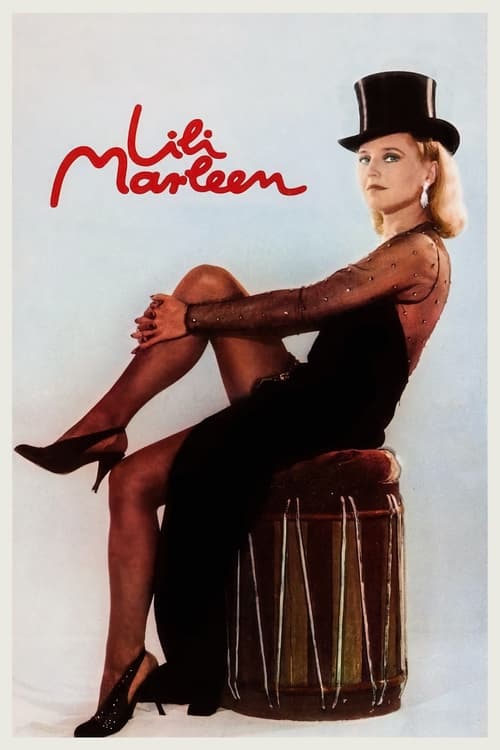
The story of a German singer named Willie, who while working in Switzerland, falls in love with a Jewish composer named Robert, whose family is helping people to flee from the Nazis. Robert’s family is skeptical of Willie, thinking she could be a Nazi as she becomes famous for singing the song “Lili Marleen”.
Germany in the autumn of 1957: Lola, a seductive cabaret singer-prostitute exults in her power as a temptress of men, but she wants out—she wants money, property, and love. Pitting a corrupt building contractor against the new straight-arrow building commissioner, Lola launches an outrageous plan to elevate herself in a world where everything, and everyone, is for sale. Shot in childlike candy colors, Fassbinder’s homage to Josef von Sternberg’s classic The Blue Angel stands as a satiric tribute to capitalism.
Paula Barretto (Juliet Berto) is caught in the underworld because her father was involved in the drug business, her brother is in the real estate scam, and her lover is an armed thief. Although she tries to get out of her corrupt and dangerous environment, it is not an easy task when even the police officers cannot be trusted, and the underworld has informants everywhere.
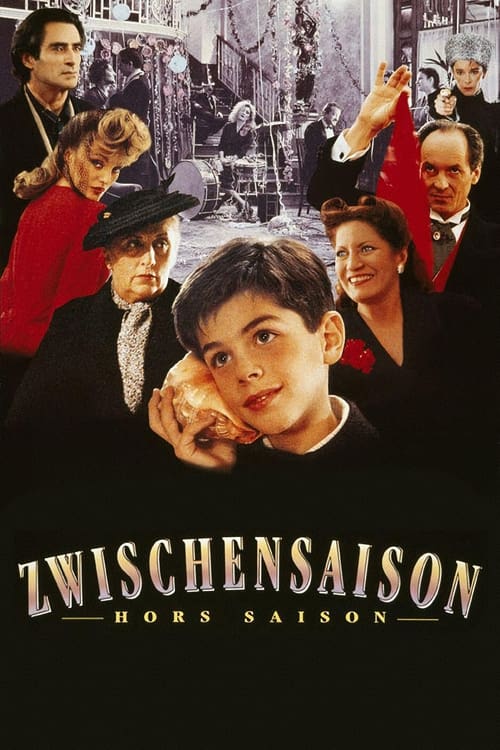
The formerly great Swiss hotel which Valentin’s family owned when he was a boy has been emptied and is about to be torn down. He revisits the magical site’s empty halls and ballrooms.
A diverse group of guests gather in a small hotel in Paris to contemplate the state of their lives in this pretentious drama. Joseph Goldman (Fernando Rey) is a washed-up Hollywood actor making a living in the dinner-theater circuit. Accompanied by his wife Sarah (Carole Regnier), Goldman meets Frederique (Berangere Bonvoisin), who is hiding from her former lover. French financier Arthur (Fabrice Luchini) hopes to get into the film industry and bends the ear of a British director (Michael Medwin). The talkative film has little action, and none of the characters evoke much interest or resolve their dilemma.
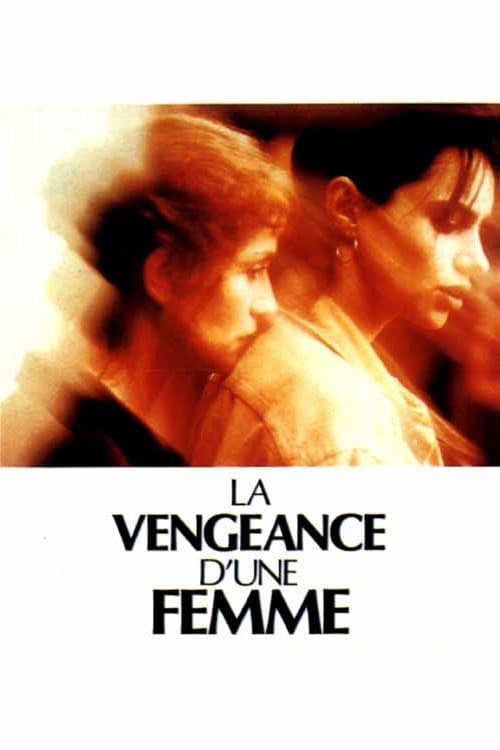
Suzy, a beautiful woman, is coming back to Paris to attend the funeral of her lover, a married man. Cecile, his wife, is holding Suzy responsible for his suicide. By finding Suzy in Paris, Cecile is trying to seek the truth by playing a psychological game on her.
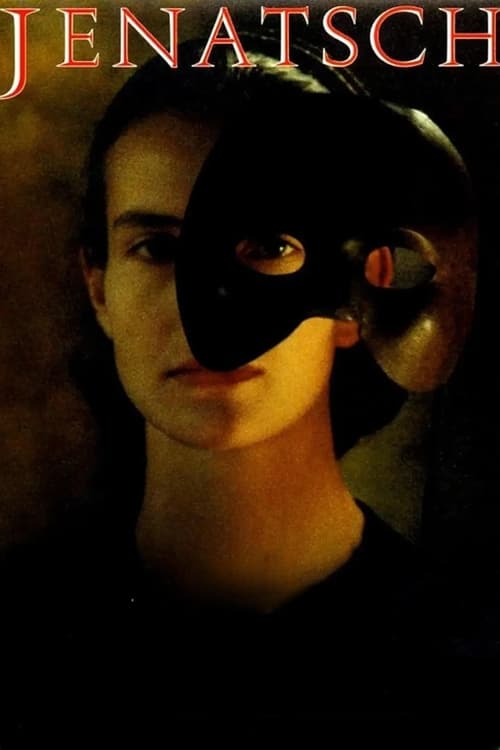
A journalist is assigned to interview an eccentric anthropologist who has exhumed the skeleton of Jörg Jenatsch, a revered freedom fighter who was mysteriously murdered in 1639. Initially disinterested, the journalist begins to uncover unflattering truths about the national hero and experiences visions in which he seems to be witnessing events that transpired over 300 years ago. As he obsessively pursues the investigation, his personal life and his grip on reality disintegrate, drawing him relentlessly toward the fatal carnival at which Jenatsch was killed.
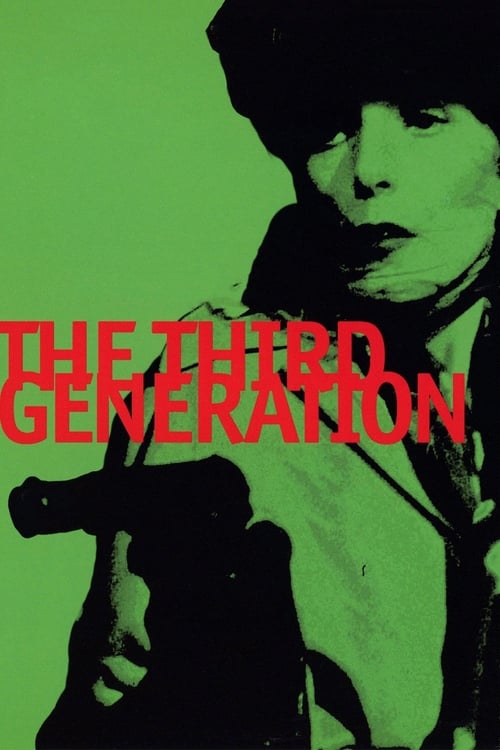
A wildly anarchic satire of guerrilla terrorism in which a band of leftist radicals inadvertently become puppets of the West German government, which uses them to justify its authoritarian policies.
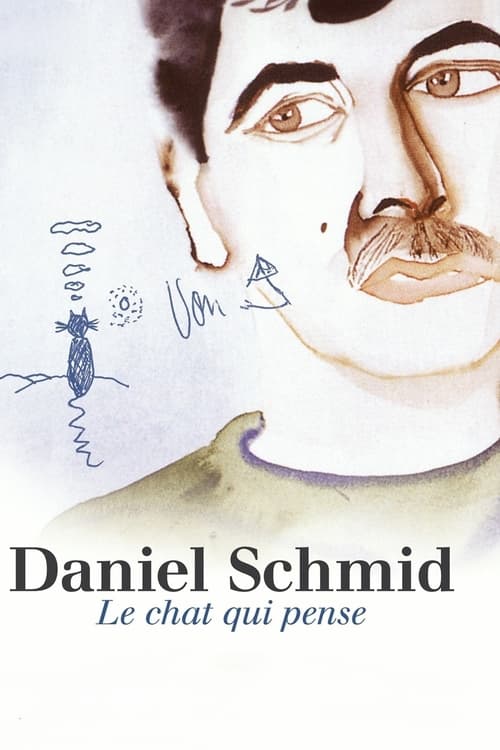
When director Daniel Schmid grew up, his parents ran a hotel in the Alps, and this singular setting was to influence his film. Rather by coincidence, he came to Berlin in the early 1960s and became part of the new German wave. Schmid worked with, among others, Wenders and Fassbinder, for example, as an actor in Wender’s The American Friend. He met Ingrid Caven, who was to play a diva in several of his films. This is a documentation of a part of modern European film history and a good analysis of artistry and how it corresponds to the individual behind the camera. A wealth of archival footage brings us close to many directors and actors in Schmid’s circle. If you’ve never seen a Daniel Schmid film, you are sure to want to after watching this portrait of his life.
Beautiful, detached, laconic, consumptive Lily Brest is a streetwalker with few clients. She loves her idle boyfriend, Raoul, who gambles away what little she earns. The town's power broker, called the rich Jew, discovers she is a good listener, so she's soon busy. Raoul imagines grotesque sex scenes between Lily and the Jew; he leaves her for a man. Her parents, a bitter Fascist who is a cabaret singer in drag and her wheelchair-bound mother, offer no refuge. Even though all have a philosophical bent, the other whores reject Lily because she tolerates everyone, including men. She tires of her lonely life and looks for a way out. Even that act serves the local corrupt powers.
A sartorially resplendent woman of few words arrives in Berlin with plans to live out the rest of her days as a drunkard.
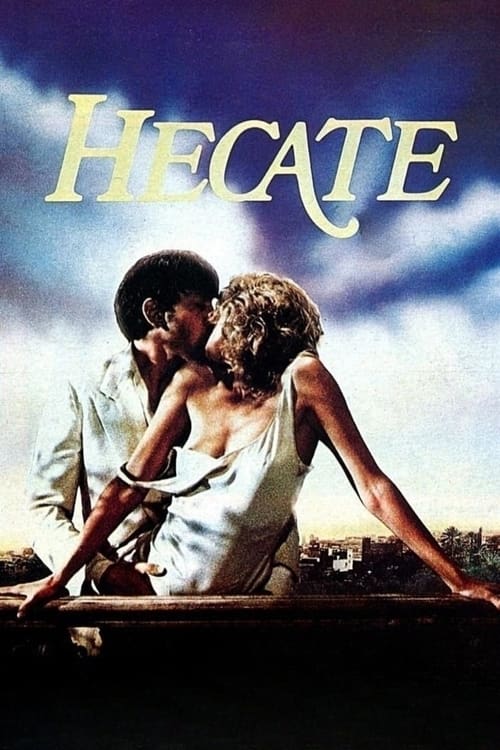
Set amid the European community in an unspecified North African country, a colony on the verge of nationalism just before the war. And colonized is what happens to a French diplomat, Julien Rochelle, when he meets the mysterious beauty Clothilde de Watteville. Schmid 's favorite axiom, that love is projection, never had such a thorough airing. Is Clothilde really the wife of a French official now holed up in Siberia? Or is she Hecate, goddess of black magic and devourer of the Arab boys she meets far from the European quarter? Only our projections know for sure; for the rest, she is a "woman looking out into the night." Drawn from a novel by Paul Morand, who based the main character on his wife Helene, Schmid's film achieves an atmosphere of magic in which psychological credibility is not so much absent as irrelevant-a film that distances itself from the drama it invokes, perhaps as the elusive Clothilde turns her back on the madness she provokes.
From 1920 to 1975, the hopes and disappointments of four generations of Italian immigrants living in a working-class district of Marseille.
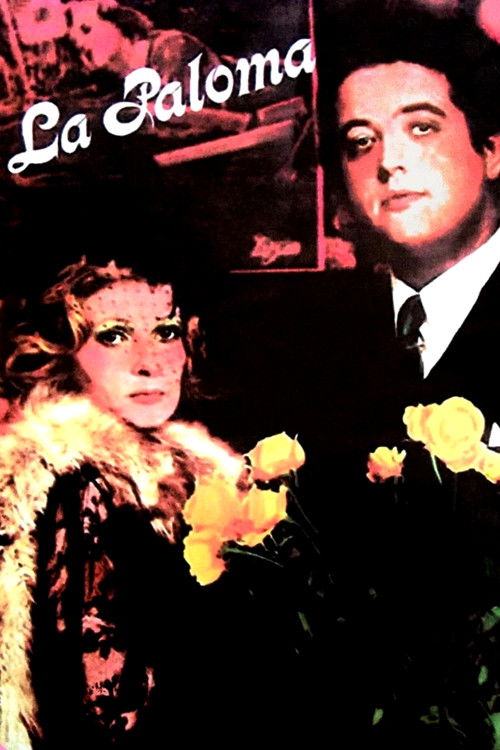
Nightclub singer La Paloma succumbs to the persistent courting of a chubby, rich admirer and marries him. Before the marriage, she was thought to be dying, but soon she is well. She believes her husband's love has cured her, but her efforts to love him begin to fade as she discovers true love with her husband's old school friend.
A thriller in which the characters are Latin-American exiles living in Paris. It is also a comedy about artists who play at revolution rather than actually participate in one
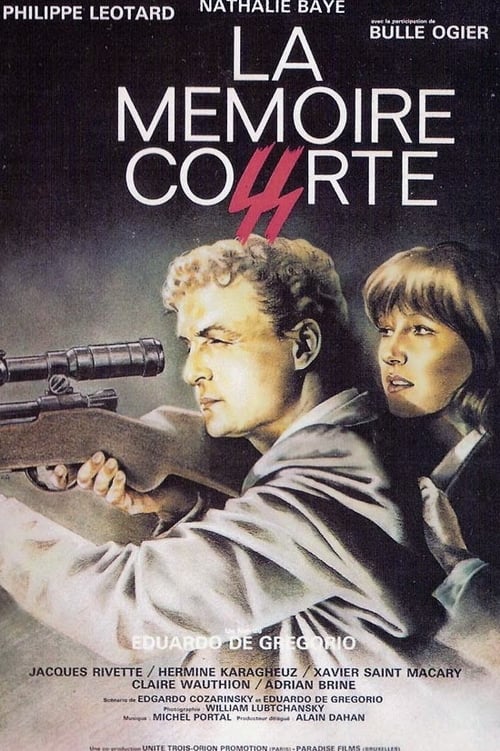
In this thriller, a UNESCO translator stumbles across a group which is hiding and supporting Nazis and facilitating their travel around the world. She had been given an assignment to study the work of a writer who recently had died, and the conspiracy is revealed in materials he left behind. She comes upon a young man who is going through the writer's papers, and she immediately assumes he must be one of the conspirators. However, he soon convinces her of his innocence in that regard, and the two together begin a search for the ringleader.
A woman goes to Cannes and, lost in its chaos and unable to obtain tickets, ends up watching it on television from her hotel room.
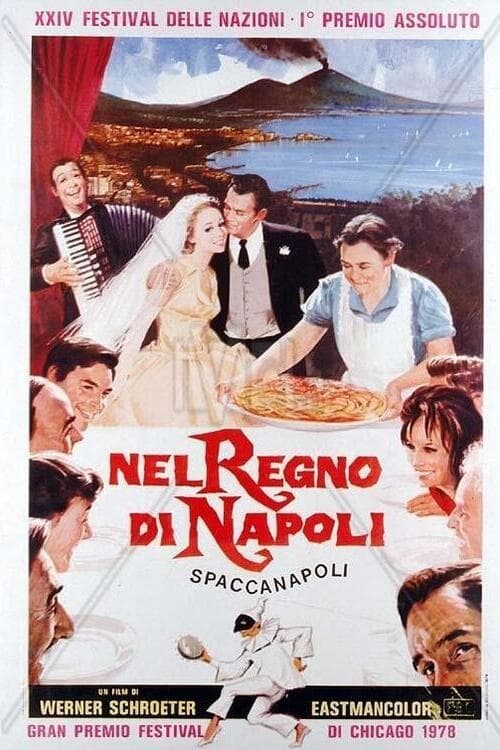
Thirty years of Neapolitan history (from 1942 to 1972) through the ups and downs of the Cavioli and Pagano families.