Acting
The pragmatic, reserved and refined Maigret investigates murders in his singular unhurried manner and inevitably discovers the truth.
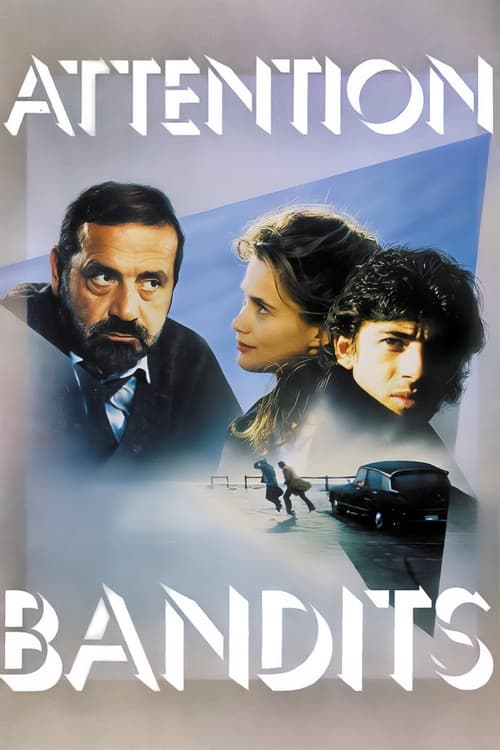
After a successful bank robbery, Micky hopes to take back his girlfriend Marie who has been taken from him. On the way to Paris he meets Leon, a neurotic dreamer whom he considers an idiot. Leon can hardly understand what Micky is up to but he follows him everywhere and soon falls in love with Marie.
Orgon is a man of property duped by the false piety of the penniless Tartuffe. Orgon takes him into his house, believing him a paragon of virtue. Orgon orders his daughter to reject her fiancé and marry Tartuffe. First Dorine, the family servant, tries a strategy to avert the marriage; then Orgon's son tries his hand. They anger Orgon, and to prove paternal power, he disinherits his son and makes Tartuffe his heir. Next Orgon's wife tries to bring her husband insight, a stratagem that partially backfires. With the bailiff at the door ordering Orgon to vacate his own home and with Tartuffe at court to prove Orgon's a traitor, all seems lost.
Henri Verneuil was born Achod Malakian of Armenian parentage on October 15, 1920, in Rodosto, Turkey, and his family fled to France and settled in Marseilles when he was a young child. He later recounted his childhood experience in the novel Mayrig, which he dedicated to his mother and made into this 1991 film with the same name.
Naive villagers find themselves duped by a pair of con artists who sweep into town proclaiming themselves "Holy Father" and "Holy Mother." Soon the pair of cons are making out like the bandits that they are, as the villagers hand over their money and their lands.
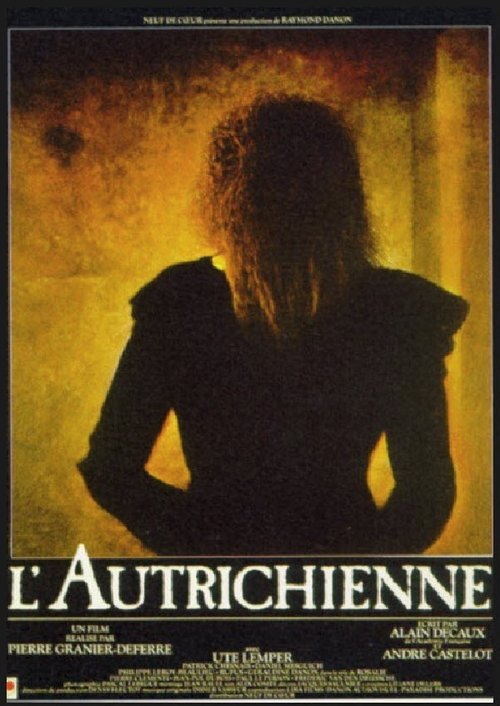
A woman is detained at La Conciergerie. She's 37 but her hair are already white. She's suffering from terrible haemorraghe. Her name is Marie-Antoinette of Lorraine, from Austria, and she's living her last four days.
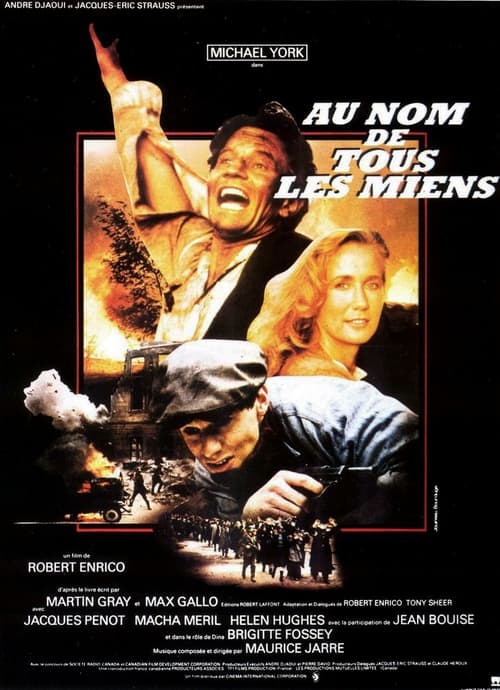
Martin Gray, whose life has been marked by tragedy and who has overcome terrible hardships, has decided to share his story.
In Paris , Commissioner Stan Jalard and Inspector Simon Lecache plan to quit the police to go and enjoy a more peaceful life in the West Indies. In a nightclub, during a routine visit, they spot Schneider, a dreaded gangster and public enemy. At the time of his arrest, Simon is killed at close range by the criminal. Stan then decides to stay in the police to avenge Simon. Being the godfather of Christian, Simon's son, who sometimes lives in a boarding school, sometimes at home, he takes charge of his education. Two years later, Stan has been promoted, and he's told that Schneider had resurfaced in the capital. A long hunt begins.
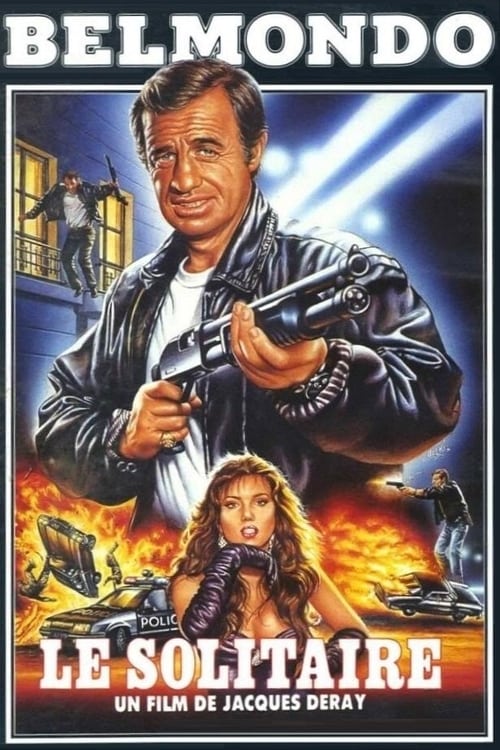
Several known criminals already have been murdered by a professional killer, leaving no trace but the "ace" game card. The police suspects a new mob is trying to take over the district. The investigating police officer Jan is victimized by a bomb himself, when he's at his girlfriend Daniela's father's Italian restaurant. Although paralyzed and suspended from work, the tuff cop continues to investigate and takes revenge on the gangsters who did this to him.
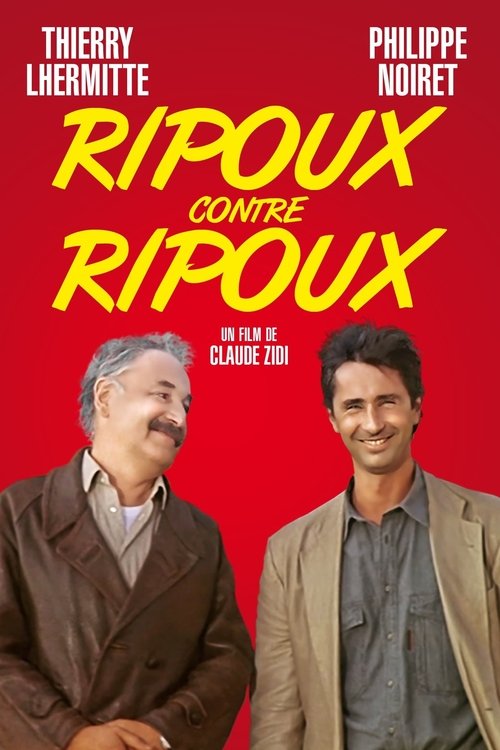
The partners are back and are in a tight spot! Francois is going through a moral crisis, and Rene is experiencing the same. But, honesty is not always the best policy. After being suspended for their actions, they return to face their far more crooked replacements.
French post-apocalyptic thriller film.
Polish Martin Gray recalls the Holocaust, New York prosperity, and losing his wife and family.
In this political drama, five left-leaning friends gradually lose heart in the Socialist government elected in 1981 in France. One of the five men is a television broadcaster; the others are a teacher about to become an academic inspector, a tax man, the director of a cultural center, and a sociologist who is about to step into a ministerial position. Their interlocking lives are told in alternating vignettes over a four-year period, and the professions director Jacques Fansten has chosen for his main characters seem to be a comment on the media, education, budget or finance, the arts, and government bureaucracy under Socialist rule.
On the island of Jersey, off the French coast, Mélanie, a beautiful woman gifted with a captivating personality, enjoys having unimportant love affairs that her husband Victor, a perfumer older than her, seems to endure with total indifference.
Commissioner Adamsberg and his team are undergoing training supervised by the Quebec scientific police. He discovers the murder of a young girl.
Claire Rousset visits her ex-husband Pierre who lives in the Lyon region. For some time now, Pierre's health and that of the other inhabitants of the village has deteriorated to the point of becoming worrying.
Yves Dorget, major reporter in a daily newspaper, finds on an "affair" part of a simple news item Catherine Carré, his former friend, editor and chief and star presenter of a television newscast.
In the near future, the poor and the underprivileged will come together to form roving road gangs. They form hordes that increasingly worry the state. In order to thwart the small group, a police officer declared dead infiltrates the hordes ...
On the day Jean Gabin dies, a kidnaper who also takes a fortune in jewels heisted from Cartiers murders Simon Verini's wife. (Simon was fencing the jewels for a youthful gang who robbed Cartiers; he suspects them of the murder.) He's framed for the theft and spends ten years in prison, writing to his daughter, Marie-Sophie, who's 11 when he's sent away. Released, he reconnects to Marie-Sophie and to the young thieves, seeks revenge, and is quickly arrested again. She doesn't know what to make of her father, retreats to her Swiss fiancé, and is flummoxed when one of the young thieves falls for her. Is resolution possible when crime cuts across families and romance?
No description available.