FEEL IT.STREAM
José Isbert

José Isbert

Acting

Biography

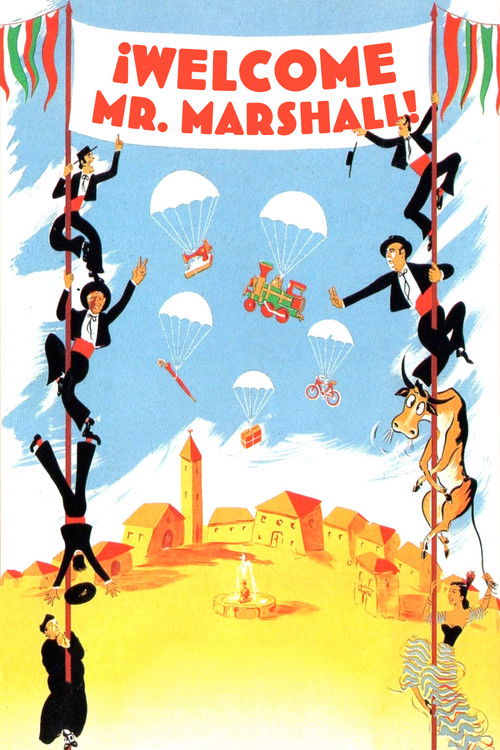
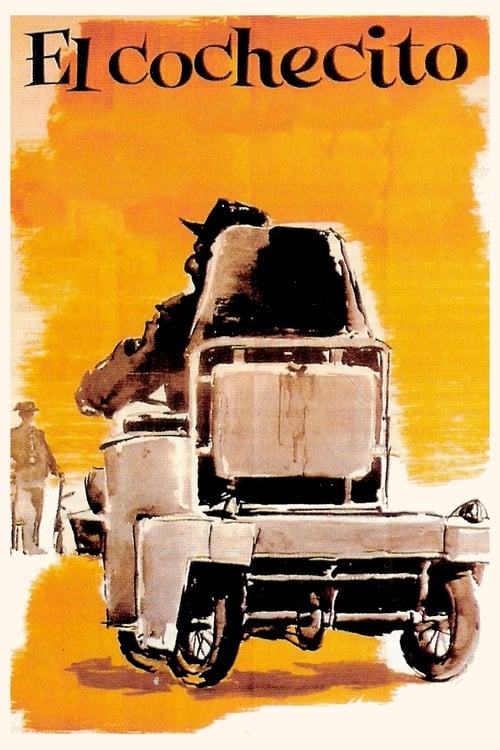
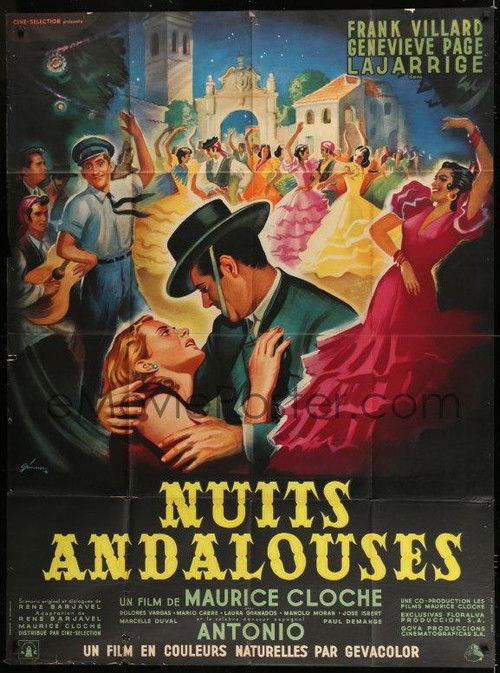
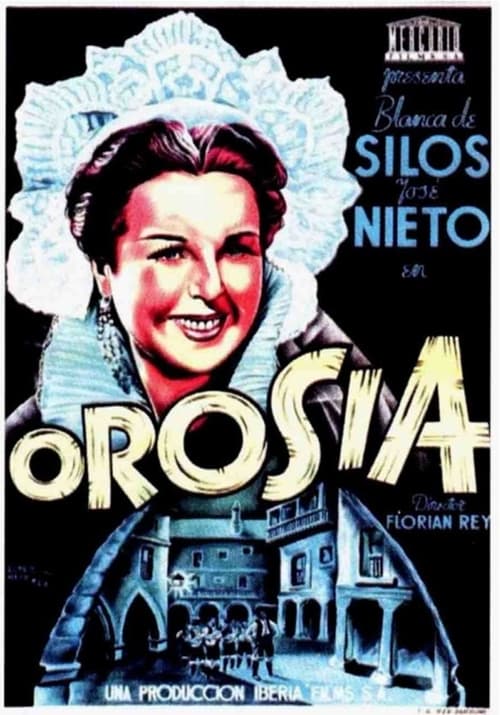
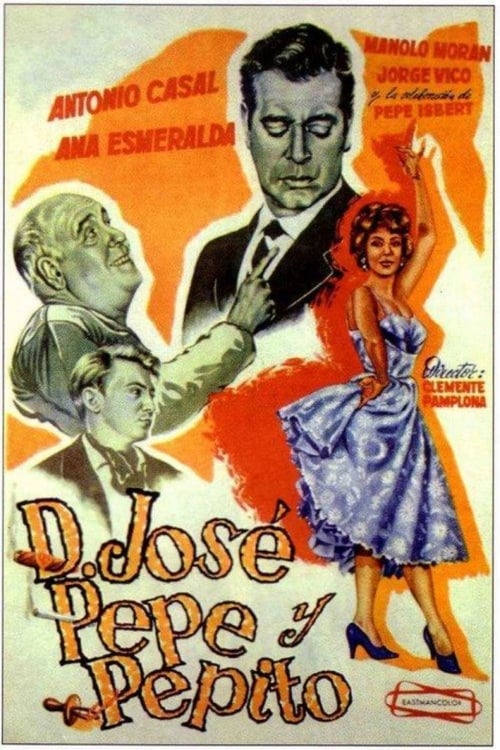
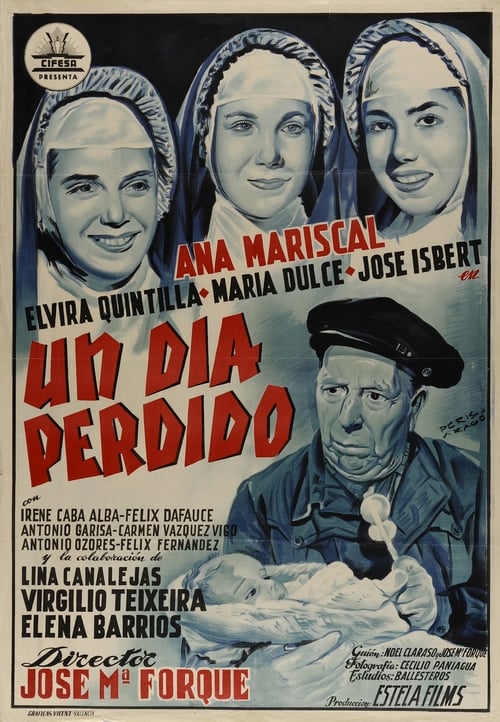
José Isbert (real name: José Ysbert Alvarruiz), also known as Pepe Isbert (3 March 1886 in Madrid – 28 November 1966 in Madrid), was a Spanish actor. In 1912 he debuted in the short film Asesinato y entierro de Don José Canalejas (playing Pardiñas, the anarchist who killed José Canalejas). During the silent era he worked in theatre with supporting roles in cinema, but with the advent of sound, he made a big screen comeback in the comedy directed by Florián Rey, La pura verdad in (1931). In the 1930s he acted in half a dozen films including: ¿Cuándo te suicidas? (1931) directed by Manuel Romero, La bien pagada (1935) by Eusebio Fernández Ardavín orEl bailarín y el trabajador (1935), directed by Luis Marquina and based on a play by Jacinto Benavente. In the 1940s he gained great popularity in films such as Te quiero para mí (1944) and El testamento del virrey (1944), both directed by Ladislao Vajda; Ella, él y sus millones (1944) by Juan de Orduña; El fantasma y doña Juanita (1945) by Rafael Gil and Pacto de silencio (1949), by Antonio Román. The films he is most remembered for are from the 1950s and 1960s, in classics directed by Luis García Berlanga: Welcome Mr. Marshall! (1953), Los jueves, milagro(1957) and El verdugo (1963); and the dark comedy masterpiece El cochecito by Marco Ferreri, all written by Rafael Azcona. He was the grandfather in the Spanish classic La gran familia (1962), and its sequel La gran familia... y uno más (1965), these films earning him still greater popularity. Pepe Isbert died in Madrid due to a heart condition when he was 80 years old. He was buried at Tarazona de la Mancha cemetery in the province of Albacete.
Known For

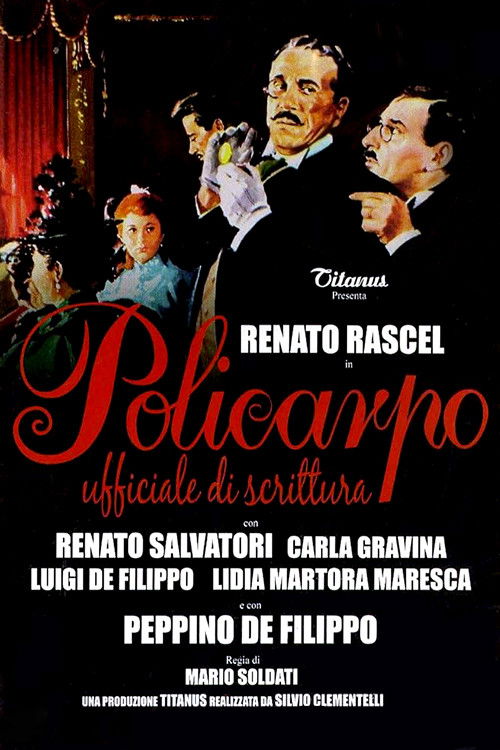
Policarpo, ufficiale di scrittura
7.4

Policarpo De Tappetti is a calligrapher who works under the orders of Don César Pancarano de Rondò. For many years, Policarpo has been seeking a promotion and a raise that never comes, and, it seems, will never come. One day, Jerónimo, the son of Don César, meets Celeste, the daughter of Policarpo, and falls in love with her. Policarpo sees in that relationship the solution to his aspirations at work, and does everything in his power to make this relationship fruitful. Don César, who presumes to be a count, sees with very bad eyes that his son meets a girl from such a different social position, and does just the opposite. But the efforts made by both parties will be of no use, since Celeste has fallen in love with Mario Marquetti, a "specialized mechanic" (typist) who is giving private lessons in the offices of the businessman Franquinet .

Policarpo, ufficiale di scrittura

1959Movie
Afternoon at the Bulls
5.3

The bullfight is about to begin. On the bill are announced the toreros Ricardo Puente, Juan Carmona and Rondeño II, who will take the alternative. Puente is an old bullfighter, famous in earlier times, who, now bitter and full of resentment, lives with Paloma, a woman who is not resigned to continue being the lover of a man who has fallen into oblivion. Carmona, the fashionable bullfighter, has an important contract to fight in America, but his wife Isabel wants him to reject the offer. Anamaría, Carmona's sister, hopes that her brother will approve her relationship with Rondeño II; but Carmona opposes because he considers him a bad bullfighter. In a fourth, hopeful and exciting plot, a young amateur bullfighter has a plan to sneak into the ring and fight a bull, hoping for public acclaim for his feat of bravery.

Afternoon at the Bulls

1956Movie