Pere Portabella
Directing
Biography
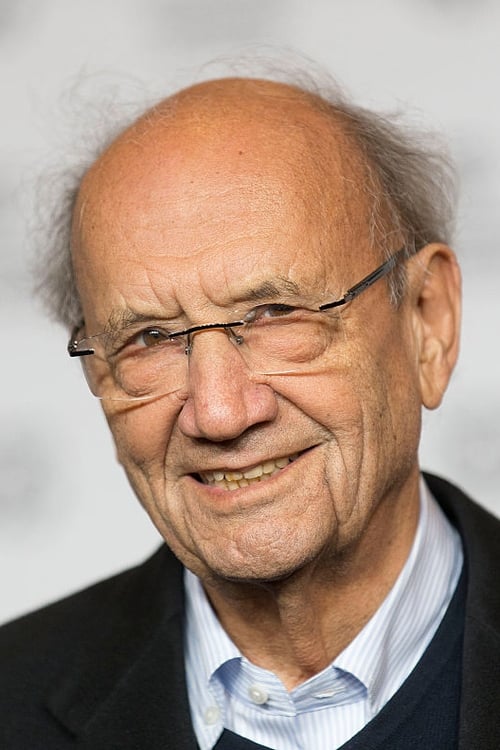
Pere Portabella (born in 1927) is a Catalan director, producer, and politician. In 1977, he was elected Senator in Spain's first democratic elections and participated in the writing of the Spanish Constitution. As a filmmaker, his style is experimental, reaching new aspects of film language, often with a poetic tone and social content. Portabella is hailed as an essential figure in the political and cultural history of Spain.
Known For

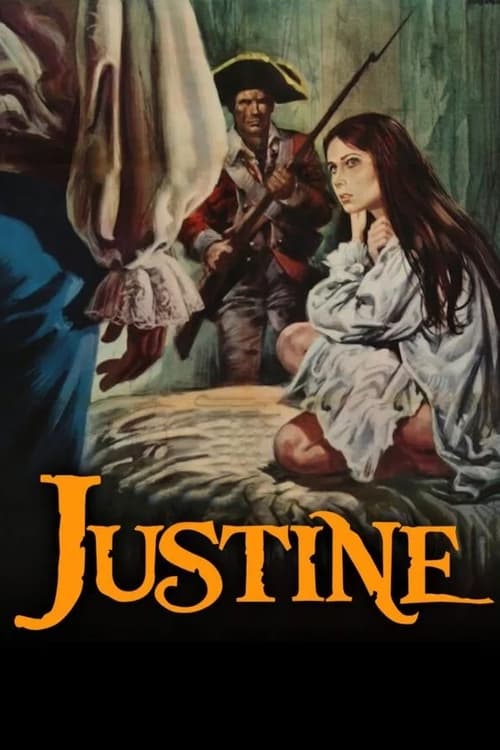
Without a family, penniless and separated from her sister, a beautiful chaste woman will have to cope with an endless parade of villains, perverts and degenerates who will claim not only her treasured virtue but also her life.
Marquis de Sade: Justine

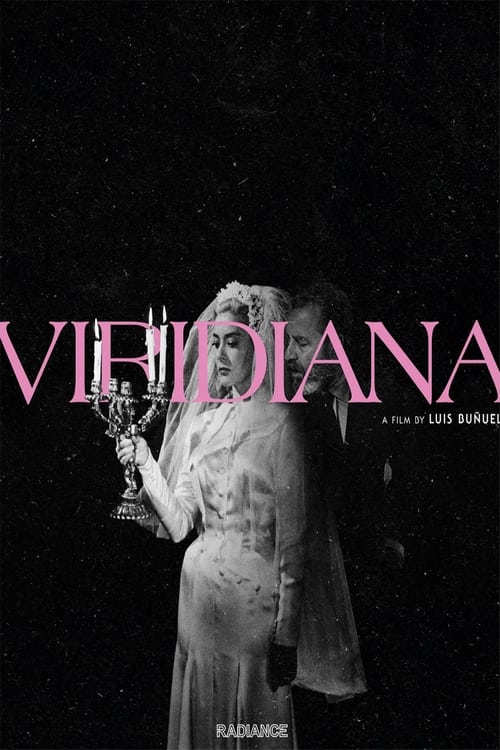
Viridiana is preparing to start her life as a nun when she is sent, somewhat unwillingly, to visit her aging uncle, Don Jaime. He supports her; but the two have met only once. Jaime thinks Viridiana resembles his dead wife. Viridiana has secretly despised this man all her life and finds her worst fears proven when Jaime grows determined to seduce his pure niece. Viridiana becomes undone as her uncle upends the plans she had made to join the convent.
Viridiana

No description available.
La gran il·lusió, relat intermitent del cinema català

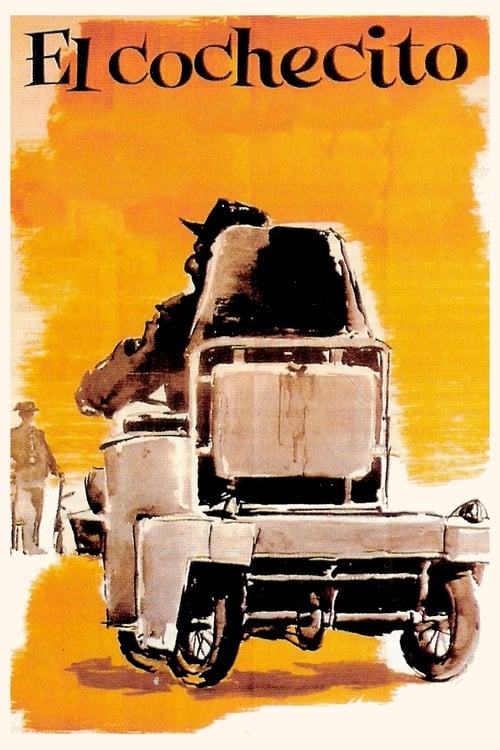
Don Anselmo, a retired old man, decides to buy a motorized disabled stroller since all his pensioner friends own one. His family strongly refuses him to purchase the vehicle, so don Anselmo decides to take extreme measures to achieve his goal…
The Wheelchair

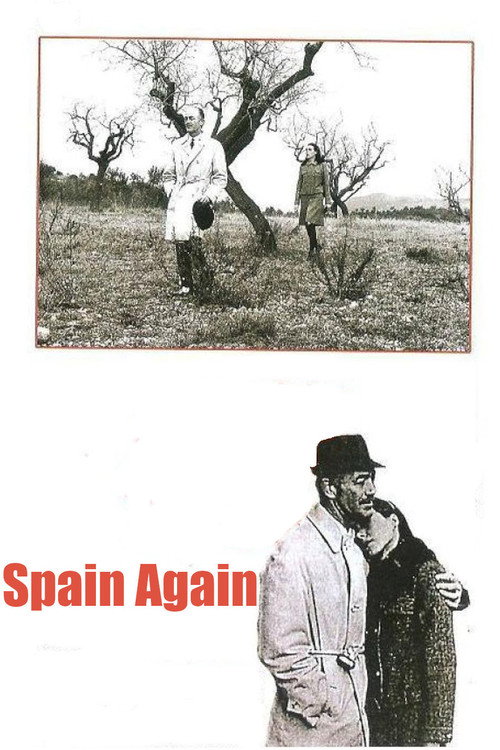
David (Mark Stevens) is a physician who returns to Spain 30 years after his involvement in the Spanish Civil War. Now a member of a medical convention, he looks up old friends and finds his former lover, now a married woman with a flamenco-dancing daughter. He and the daughter (Manuela Vargas) have an immediate and mutual attraction to each other. He considers running away with the exotic beauty before asking his wife to join him for an extended vacation after the convention .
Spain Again

An atmospheric essay, which is an alternative version of Count Dracula, a film directed by Jess Franco in 1970; a ghostly narration between fiction and reality.
Vampir Cuadecuc

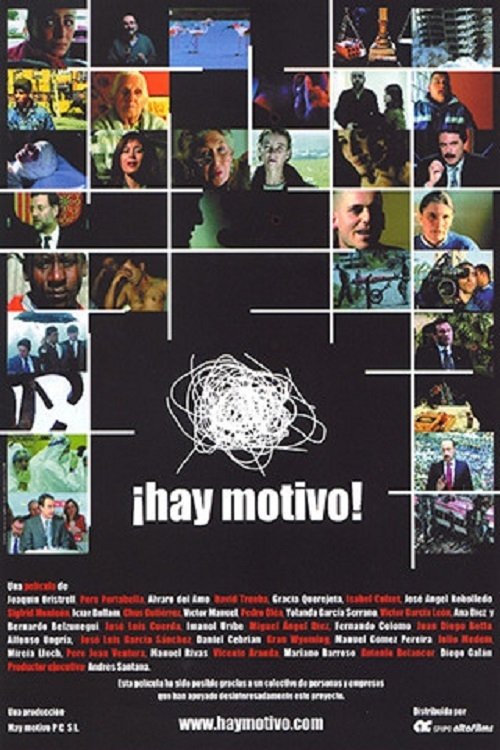
A multi-part feature on the governing body of Spain, the Popular Party under Jose María Aznar. Themes include the bombing of Iraq, immigration, U.S. fire in Baghdad, and the manipulation of the media.
With Good Reason

A group of friends who are struggling to survive in the slums of Madrid commit petty crime in order to finance the debut as a bullfighter of one of them.
The Delinquents

Miguel, a poor young man living in Franco's Spain becomes a bull fighter to escape starvation.
The Moment of Truth

Surrealist master Luis Buñuel is a towering figure in the world of cinema history, directing such groundbreaking works as Un Chien Andalou, Exterminating Angels, and That Obscure Object of Desire, yet his personal life was clouded in myth and paradox. Though sexually diffident, he frequently worked in the erotic drama genre; though personally quite conservative, his films are florid, flamboyant, and utterly bizarre.
Speaking of Buñuel

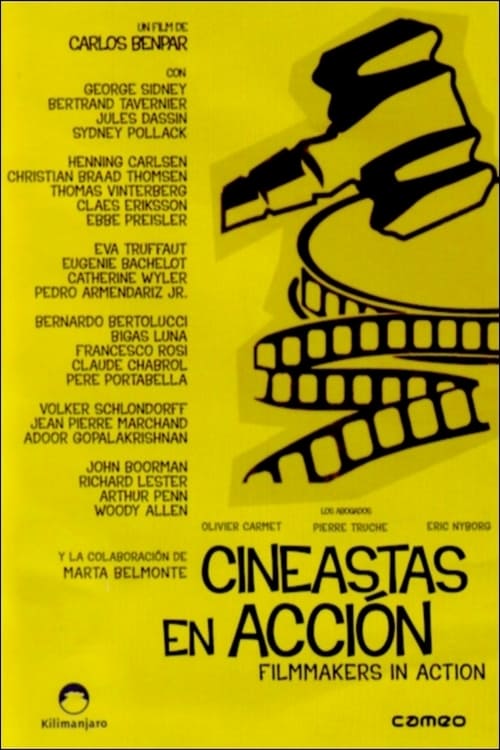
What is the state of cinema and what being a filmmaker means? What are the measures taken to protect authors' copyright? What is their legal status in different countries? (Sequel to “Filmmakers vs. Tycoons.”)
Filmmakers in Action

Experimental silent homage to the origins of cinema, recreating the apparent disappearance of a French photographer in the 1920s.
Train of Shadows

An adaptation of the short story collection by Pere Calders.
Chronicles of the Hidden Truth

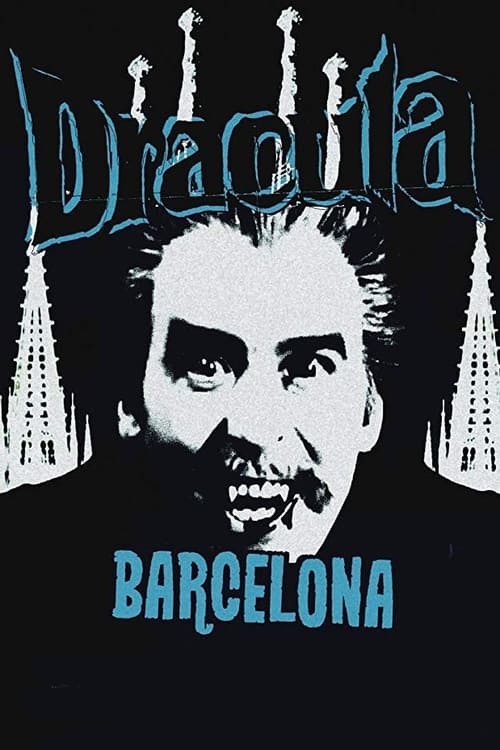
In 1969, Jesús Franco and Christopher Lee shot Count Dracula in Barcelona. At the same time, Pere Portabella became aware of this filming, vampirizing it in Cuadecuc, Vampir. Genre and Art-house films had never been so close. Drácula Barcelona tells the story of these two movies.
Drácula Barcelona

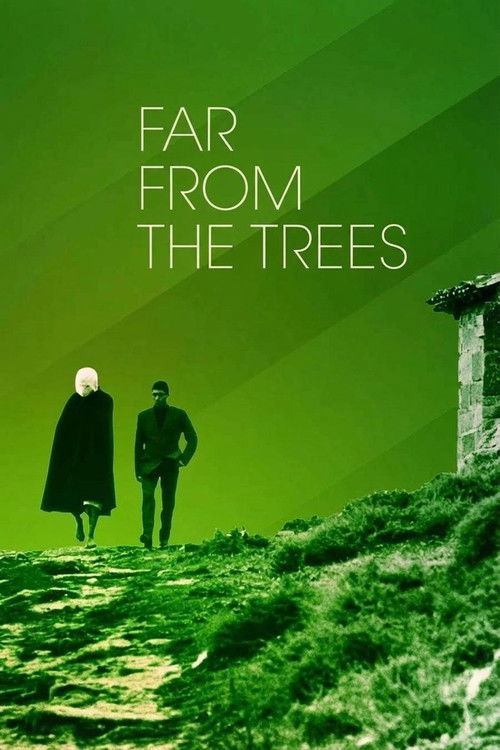
An unprejudiced portrait of Spanish folklore and a crude analysis in black and white of its intimate relationship with atavism and superstition, with violence and pain, with blood and death; a story of terror, a journey to the most sinister and ancestral Spain; the one that lived far from the most visited tourist destinations, from the economic miracle and unstoppable progress, relentlessly promoted by the Franco regime during the sixties.
Far from the Trees

Portabella’s first feature, co-scripted by poet Joan Brossa, became one of the most influential works of the Barcelona avant-garde, although like all his early films, it circulated only in an underground fashion. Eschewing dialogue, the director constructs a non-narrative story in fragments that reveal the daily lives of an adulterous couple interspersed with a cryptic stream of unrelated imagery. The title of this homage to directors including Eisenstein, Antonioni, Bergman, and Buñuel refers to the 29 “black years” of the Franco dictatorship. — chicago.cervantes.es
Nocturne 29

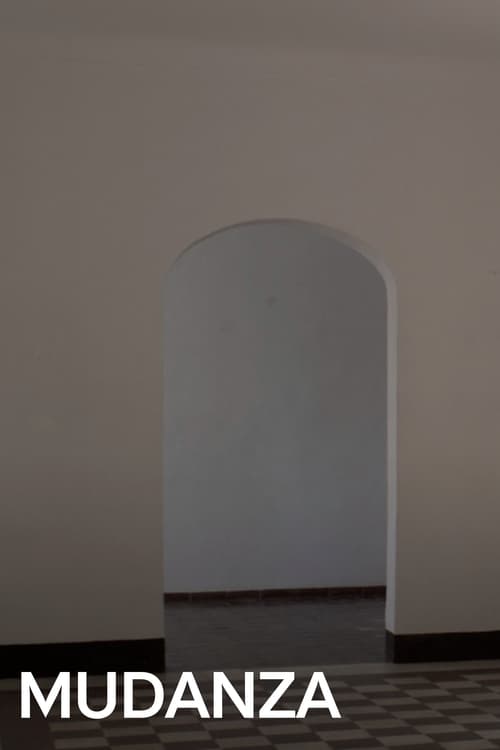
"Mudanza" (Removal) came to be made after the curator Hans Ulrich Obrist was asked for involvement in a project in the Huerta de San Vicente, the home and museum of the García-Lorca family in Granada. The film records the removal of furniture and objects from the building, leaving visitors able to move freely amongst its empty spaces and a silence charged with feeling and resonance and the take from the experience whatever they demand from it - thus making poet Federico García Lorca's emotive and historic absence even more powerful, evident and heartfelt.
Mudanza

Eight people from very different backgrounds cross paths in Barcelona, Spain. Lawyers, musicians, translators, security guards, call center agents. They are all immigrants. Some have just arrived, others arrived years ago, leaving behind a war, a dictatorship or some sort of social or cultural discrimination. They all chose exile over submission.
We Were Not Born Refugees

A beautiful, sometimes faintly bonkers celebration and contemplation of the role Bach’s music plays in the world today. Blending historical reconstruction with very loosely linked ‘dramatic’ scenes and documentary sequences, the film constitutes a playful, painterly sequence of variations on the argument that Johann Sebastian changed the way the world hears thanks to his extraordinary ear for harmony.
The Silence Before Bach

While waiting to get started on the production of his feature Liberxina 90 (1970), Carlos Duran shot this short (with very expressive support by several Escuela de Barcelona professors): a grimly colourful satire on modern society as such, and on its fascist Spanish variety in particular. "The intrusion into the private life of a human being, of the distinct tendencies that exist in the society we live in, until they fall into chaos." Carlos Durán