FEEL IT.STREAM
Luis García Berlanga

Luis García Berlanga

Directing

Biography

One of the best known filmmakers in the world and director of some of the most famous films of Spanish cinema, tender in his vision of the characters, but satirical to the point of biting in his social analysis, clearly critical despite the censorship of the Franco regime. He was born in 1921 into a wealthy Valencian family. After the Second World War, he studied at the Escuela Oficial de Cine (IIEC/EOC), where he would later become a professor. There he met Juan Antonio Bardem, and together they made their first film. His narrative ability, together with the sharpness of his satire, bordering on nonsense, made him a popular filmmaker, but also valued by critics. Nevertheless, within his comic line he oscillates between tenderness and the grotesqueness of his choral comedies. Between both extremes are his first films, written in collaboration with Rafael Azcona, in which he develops a black humor, characteristic of both, corrosive denunciations of social hypocrisy and the death penalty. In recent years he was president of the Filmoteca Nacional de España and director of a collection of erotic novels and short stories.


Known For

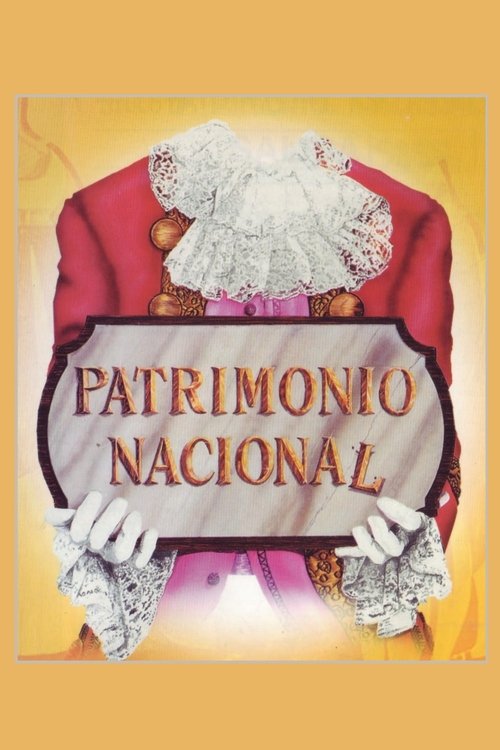
National Heritage
7.1

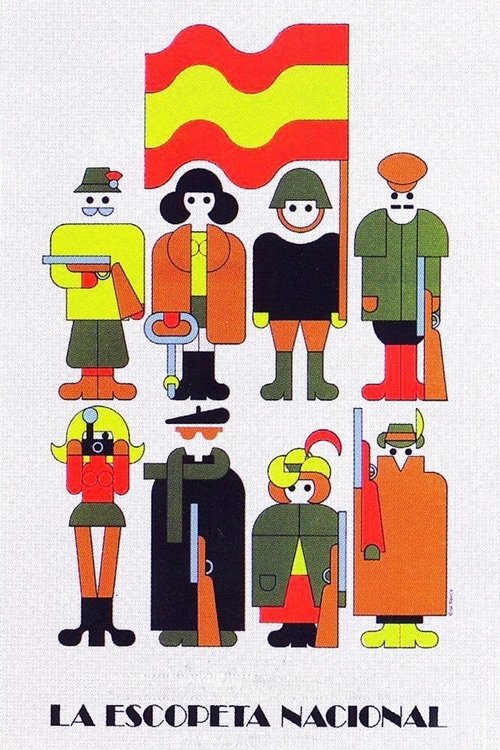
After the death of General Franco, the Leguineche family leaves their estate of Los Tejadillos, where they have remained for decades in voluntary exile, with the purpose of returning to Madrid to actively participate in the social events of the aristocracy and to get closer to the closest circle of the Spanish monarch. The obsession of the old marquis is centered on getting in touch with the most illustrious surnames, to ascend socially and to resume the pomp and courtly life that his family lost a long time ago. To this end, he decides to move into an old palace he owns, located in the center of the capital, but not before overcoming the difficulties posed by his wife, who deeply hates both her husband and her son. To regain control of the palace, the Marquis of Leguineche tries to handicap his wife, arguing an incurable mental illness, and then undertake a reform of the place in order to adapt it to aristocratic life.

National Heritage

1981Movie
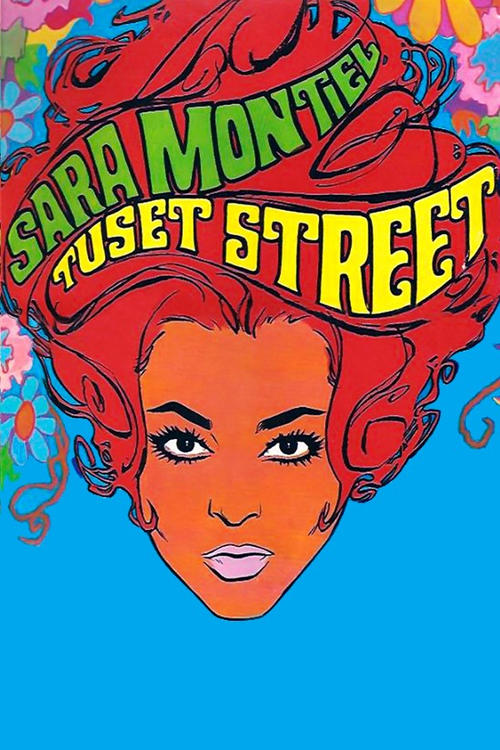
Tuset Street
4.5

Barcelona 1967. The pop culture revolution. Jordi (Patrick Bauchau) is a rich playboy who runs around with a bunch of high-end hippies, smoking, drinking, dancing and daydreaming about Tuset Street, an effort to develop a popular street in the newer section of Barcelona after the models of Haight Ashbury Street in San Francisco and Carnaby Street in London. Jordi and his gang represent the new Barcelona, wealthy, artificial and striving for imported sophistication. On the older side of the city is El Paralelo, the theater district. At El Molino, one of its many music halls, performs Violeta (Sara Montiel), a showgirl in the old style tradition who supplements her singing income with prostitution. Somehow Violeta represents the old values, the "real world" living along side an artificial creation such as Tuset.

Tuset Street

1968Movie