Kay Ellmers
Directing
Known For
Celebrate curiosity, creativity and cultural diversity with a group of Kiwi kids and their bold imaginations, exploring the boundless possibilities of who - or what - they can become.
What Will I Be Today?

Actor Rawiri Paratene was 16 years old when he joined Māori activist group Ngā Tamatoa (Young Warriors) in the early 1970s. "Those years helped shape the rest of my life," says Paratene in this 2012 Māori TV documentary, directed by Kim Webby. The programme is richly woven with news archive from the 1970s, showing protests about land rights and the Treaty of Waitangi, and a campaign for te reo to be taught in schools. Several ex Ngā Tamatoa members — including Hone Harawira, Tame Iti and Larry Parr— are interviewed by Paratene, who also presents the documentary.
Ngā Tamatoa: 40 Years On
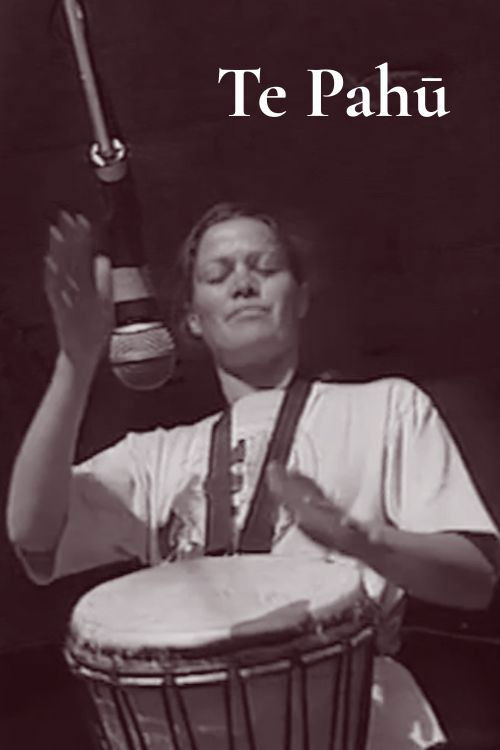
With the resurgence of taonga pūoro, one musical instrument remains conspicuously absent from Māori music —pahū (drum). In this documentary Te Pahū, composer Hirini Melbourne (ONZM) and ethnologist Te Warena Taua trace the history of pahū, from musical accompaniment to being the manawa (heart) of communication and communities. Musicians and carvers bring to life the lost beat of pahū by creating a version using modern techniques. Pioneering Māori filmmaker Merata Mita (Patu!) directed Te Pahū, while Rawiri Paratene (Whale Rider) co-wrote and produced it.
The Drum
Annie Goldson and Kay Ellmers’ doco, expanded from the film they made for Maori Television, takes a timely look at New Zealand’s military and media, notably journalist Jon Stephenson, in Afghanistan.
He Toki Huna: New Zealand in Afghanistan
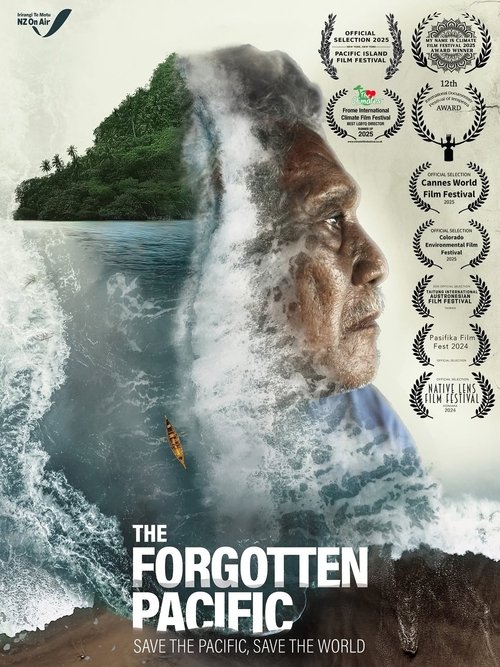
'The Forgotten Pacific' travels to five Pacific islands to discover how communities are weaving indigenous knowledge into the modern-day fight to adapt, rebuild and save their islands from climate change.
The Forgotten Pacific
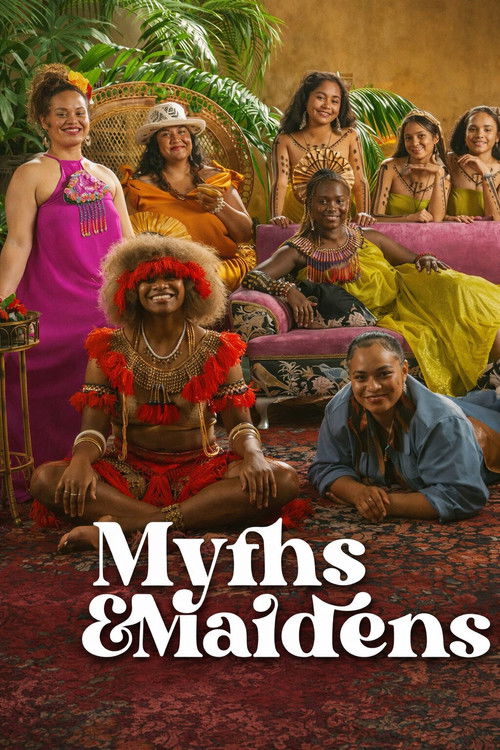
‘Myths and Maidens’ is a love letter to fafine Moana, looking at some of our trauma, challenges and inequities across Pasifika, and how in the face of this, the celebration of ourselves is an act of colonial resistance.