
Marie Frering
Directing
Biography
Born in 1960 in Alsace, Marie Frering is a writer, director and producer. In 1983, she made her theatrical debut, first as an actress (at the Théâtre du Marché aux grains and with Pascal Varley), then as director with La Montagne brûle (Paysage sans titre after Gertrude Stein, Gespräch im Gebirg by Paul Celan, Les sept premiers chants de l'Enfer by Dante). She also worked as a broadcaster for Radio France and produced radio documentaries for Radio Suisse Romande. From 1994 to 1997, in Sarajevo, she coordinated a European aid program for the population, run by the Mission Locale de Strasbourg, under the EU's ECHO program, with a humanitarian objective during the war, followed by economic reconstruction. This experience is reflected in the radio documentary Mémoires en charpie and the book L'Ombre des montagnes. Assistant director for documentary films, mainly with Damien Fritsch, she directed Premonition, her first feature film, completed in 2012. The film was shot in Georgia, a world found in the radio documentary Montagnes et titans, prêtres païens et saints chrétiens, in short stories and in Le Livre d'Amba Besarion. In 2010, the Franche-Comté region awarded her a grant for a writing residency in the Belfort region, then in 2011, thanks to a CNL grant, she spent three months at La Verdine, an artists' residency in the Loire department. For several years, she has been running writing workshops, mainly for disadvantaged audiences. She has worked mainly on novels, short stories and adaptations for theater and film. Publication in 2013 of Lumière Noire, Kyklos éditeur. CNL literary creation grant in 2014. Publication in 2017 of Les souliers rouges and L'heure du poltron, Editions Lunatique. She was a member of the Maison des écrivains et de la littérature.
Known For
No description available.
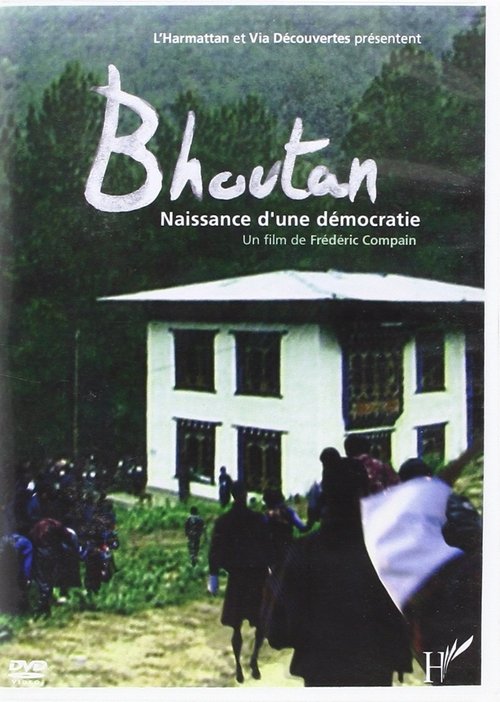
Bhoutan, la naissance d'une démocratie
No description available.
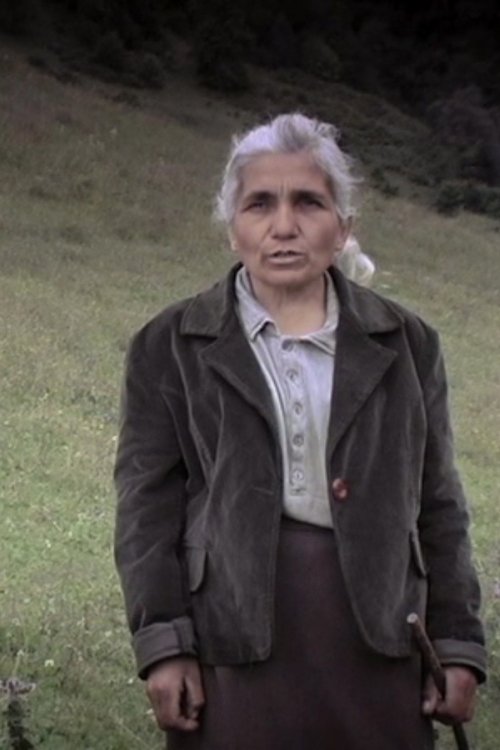
Prémonition
Achour is thirty. Night and day, he walks. Rebellious soul, he crisscrosses Alger and its neighborhoods, stays at friends' houses and often leaves the city to meet the nearby montain in Kabylia, his alter-ego. In this environment, marked by war and terrorism, his resistance continues, mobile and ascending. Algerian hardcore-punk musician, Achour once screamed his anger against the country's regime and sang "Anarchytecture". But the movement died down, friends went their separate ways. His Facebook wall became his notebook, his window open to the world. It represents a scream aimed towards the echo of the mountains, between virtual wall, infinite facades of large complexes and the strata of mineral cliffs. A scream comes back at us.
I carve smiles into mountains' wounds
“If a lion could speak, we wouldn't be able to understand it”, said wittgenstein. we look at animals with the same curiosity, as if we'd lost each other's memory. a thin veil of incomprehension separates us and casts us into a deep melancholy. there they are, with their hair, feathers and scales, survivors from a fabulous world, mythical heroes of edifying stories and phantasmagorical material of our dreams. over the past two centuries, we have begun to study, classify and naturalize them, at the same time as their disappearance has begun. in museums, their remains have accumulated, the tangible form of our view of them and its history. what could be more natural? museums are the place for this. we observe the passing of time, that which precedes us and that which is yet to come.