FEEL IT.STREAM
David McCullough

David McCullough

Acting

Biography

David Gaub McCullough (July 7, 1933 – August 7, 2022) was an American popular historian. He was a two-time winner of both the Pulitzer Prize and the National Book Award. In 2006, he was given the Presidential Medal of Freedom, the United States' highest civilian award. Born and raised in Pittsburgh, McCullough earned a degree in English literature from Yale University. His first book was The Johnstown Flood (1968), and he wrote nine more on such topics as Harry S. Truman, John Adams, Theodore Roosevelt, the Brooklyn Bridge, the Panama Canal, and the Wright brothers. McCullough also narrated numerous documentaries, such as The Civil War by Ken Burns, as well as the 2003 film Seabiscuit, and he hosted the PBS television documentary series American Experience for twelve years. McCullough's two Pulitzer Prize–winning books—Truman and John Adams.—were adapted by HBO into a TV film and a miniseries, respectively.

Known For

The Daily Show
6.4

The World's Fakest News Team tackle the biggest stories in news, politics and pop culture.

The Daily Show

1996
The Colbert Report
6.9

The Colbert Report is an American satirical late night television program. It stars political humorist Stephen Colbert, a former correspondent for The Daily Show with Jon Stewart. The Colbert Report is a spin-off from and counterpart to The Daily Show that comments on politics and the media in a similar way. The show focuses on a fictional anchorman character named Stephen Colbert, played by his real-life namesake. The character, described by Colbert as a "well-intentioned, poorly informed, high-status idiot", is a caricature of televised political pundits.

The Colbert Report

2005
American Experience
6.6

TV's most-watched history series brings to life the compelling stories from our past that inform our understanding of the world today.

American Experience

1988
60 Minutes
6.6

America's popular television News magazine in which an ever changing team of CBS News correspondents contribute segments ranging from hard news coverage to politics to lifestyle and pop culture.

60 Minutes

1968
John Adams
7.7

Adapted from David McCullough's Pulitzer Prize-winning biography, this lavish seven-part miniseries chronicles the life of Founding Father John Adams, starting with the Boston Massacre of 1770 through his years as an ambassador in Europe, then his terms as vice president and president of the United States, up to his death on July 4, 1826.

John Adams

2008
The Civil War
7.9

A documentary on the American Civil War narrated by Ken Burns, covering the secession of the Confederacy to the assassination of Abraham Lincoln.

The Civil War

1990
New York: A Documentary Film
7.5

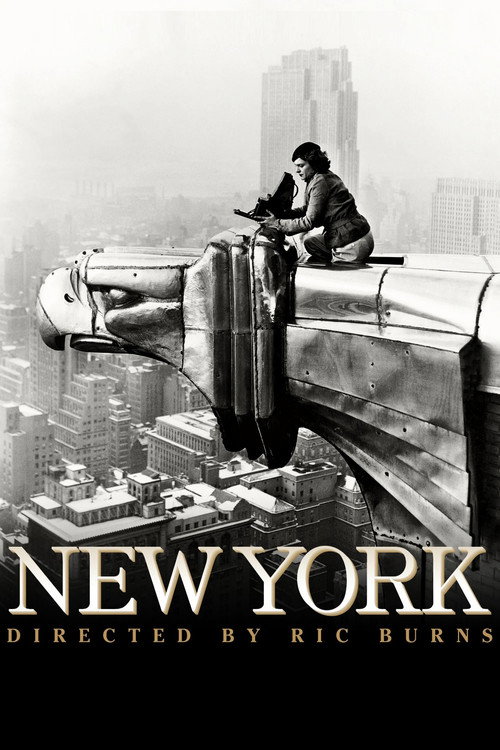
This eight-part, 16½-hour television event explores New York City's rich history as the premier laboratory of modern life. A sweeping narrative covering nearly 400 years and 400 square miles, it reveals a complex and dynamic city that has played an unparalleled role in shaping the nation and reflecting its ideals.

New York: A Documentary Film

1999
Seabiscuit
7.1

True story of the undersized Depression-era racehorse whose victories lifted not only the spirits of the team behind it but also those of their nation.

Seabiscuit

2003
The Roosevelts: An Intimate History
7.7

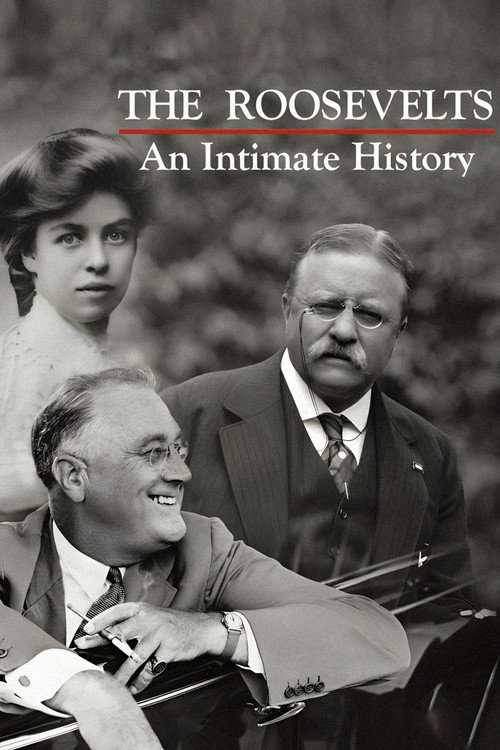
Chronicles the lives of Theodore, Franklin and Eleanor Roosevelt, three members of the most prominent and influential family in American politics. It is the first time in a major documentary television series that their individual stories have been interwoven into a single narrative. This seven-part, fourteen hour film follows the Roosevelts for more than a century, from Theodore’s birth in 1858 to Eleanor’s death in 1962.

The Roosevelts: An Intimate History

2014
The Words That Built America
6.0

In recognition of the 4th of July, several celebrities and politicians of differing ideologies join to read the historic documents which laid the foundation for the United States of America.

The Words That Built America

2017
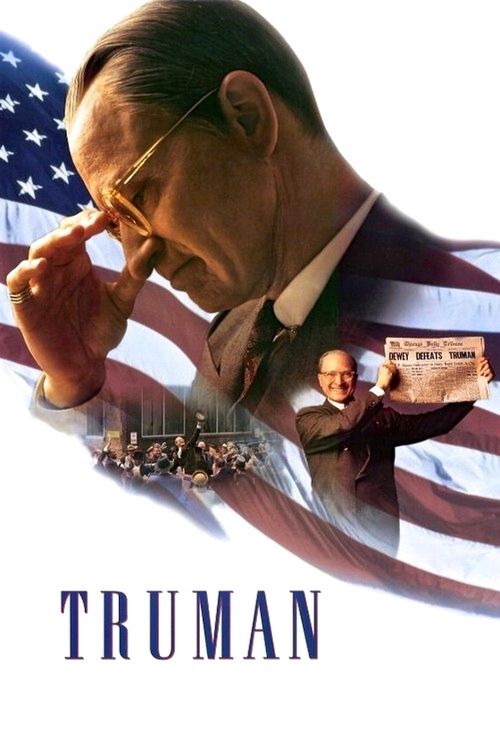
Truman
7.7

Biographical account of America's President for the latter part of WWII. Shows Truman's rise from small-town nobody to leader of the USA, his decision to use the Atomic Bomb against Japan, and subsequent election as the US' post-war President.

Truman

1995
California Typewriter
6.9

A story about people whose lives are connected by typewriters. A meditation on creativity and technology featuring Tom Hanks, John Mayer, Sam Shepard, David McCullough and others.

California Typewriter

2017
Napoleon
N/A

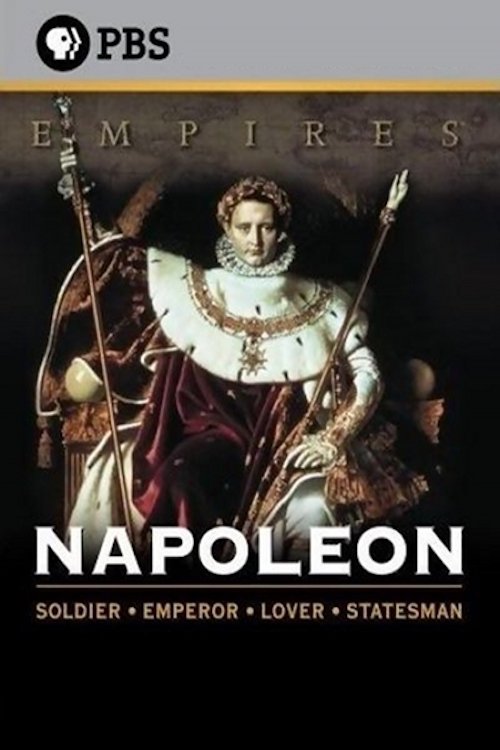
Napoleon's extraordinary rise from obscure military man to hero of the French people convinces him that he is destined for greatness.

Napoleon

2000
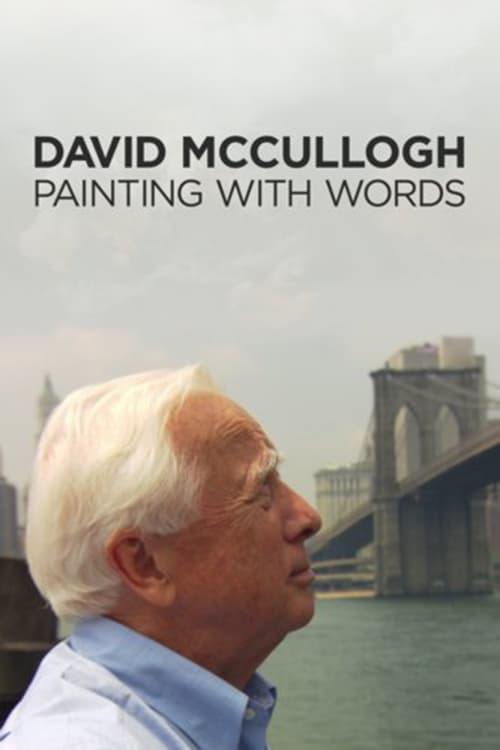
David McCullough: Painting with Words
6.0

Author/historian David McCullough welcomes viewers into his public and private world in this film. Produced by Tom Hanks and Gary Goetzman--who adapted McCullough's 'John Adams' for the 7-part HBO miniseries--this documentary paints an affectionate, first-person portrait of the two-time Pulitzer Prize winner as he gives a speech and even visits his old Brooklyn neighborhood.

David McCullough: Painting with Words

2008
The Battle Over Citizen Kane
7.4

Documentary about the battle between Orson Welles and William Randolph Hearst over Welles' Citizen Kane (1941). Features interviews with Welles' and Hearst's co-workers also acts as a relatively complete biograph of Hearst's career.

The Battle Over Citizen Kane

1996
Brooklyn Bridge
7.5

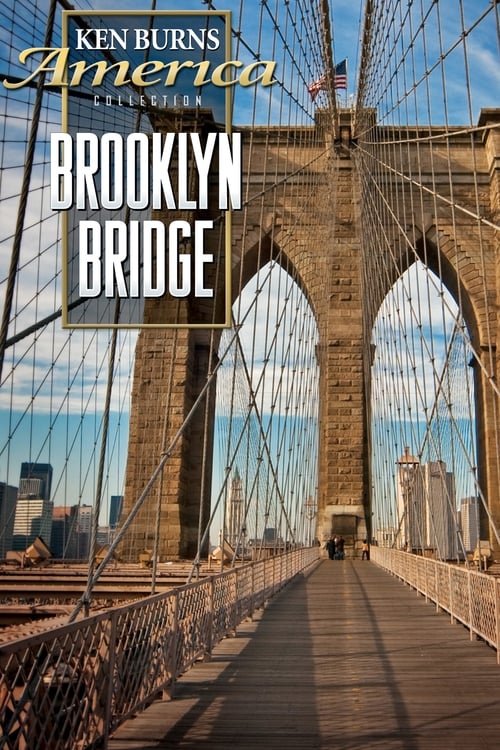
Today it's a symbol of strength and vitality. 135 years ago, it was a source of controversy. This documentary examines the great problems and ingenious solutions that marked the construction of the Brooklyn Bridge. From conception to construction, it traces the bridge's transformation from a spectacular feat of heroic engineering to an honored symbol in American culture.

Brooklyn Bridge

1981
The Shakers: Hands to Work, Hearts to God
7.2

They called themselves the United Society of Believers in Christ's Second Appearing, but because of their ecstatic dancing, the world called them Shakers. Ken Burns creates a moving portrait of this particularly American movement, and in the process, offers us a new and unusually moving way to understand the Shakers.

The Shakers: Hands to Work, Hearts to God

1984
The Congress
7.3

For 200 years, the United States Congress has been one of the country's most important and least understood institutions. In this elegant, thoughtful and often touching portrait, Ken Burns explores the history and promise of this unique American institution. Using historical photographs and newsreels, evocative live footage and interviews with David Broder, Alistair Cooke, Cokie Roberts, Charles McDowell and others, the award-winning film chronicles the personalities, events and issues that have animated the first 200 years of Congress and, in turn, our country.

The Congress

1989
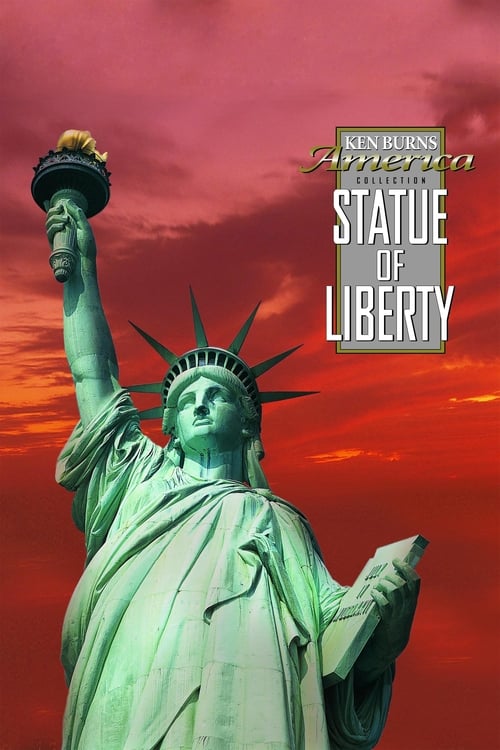
The Statue of Liberty
6.9

For more than 100 years, the Statue of Liberty has been a symbol of hope and refuge for generations of immigrants. In this lyrical, compelling and provocative portrait of the statue, Ken Burns explores both the history of America’s premier symbol and the meaning of liberty itself. Featuring rare archival photographs, paintings and drawings, readings from actual diaries, letters and newspapers of the day, the fascinating story of this universally admired monument is told. In interviews with Americans from all walks of life, including former New York governor Mario Cuomo, the late congresswoman Barbara Jordan and the late writers James Baldwin and Jerzy Kosinski, The Statue of Liberty examines the nature of liberty and the significance of the statue to American life. Nominated for both the Academy Award ® and the Emmy Award ®, The Statue of Liberty received the prestigious CINE Golden Eagle, the Christopher Award and the Blue Ribbon at the American Film Festival.

The Statue of Liberty

1985
No image
N/A

He was a farmer, a businessman, an unknown politician who suddenly found himself president. Of all the men who had held the highest office, Harry Truman was the least prepared, but would prove to be a surprise.

Truman

1997