Gérard De Boe
Directing
Known For
A look at Belgium's capital Brussels.
Bruges
An ethnographic documentary about the Mangbetu tribe of the Belgian Congo (now the Democratic Republic of the Congo). The film features a discussion of various rites including the Mangbetu practice of head binding, as well as various examples of traditional music and dance.
Mangbetu
A documentary about missionaries in formal Belgian Congo.
L'élite Noire De Demain
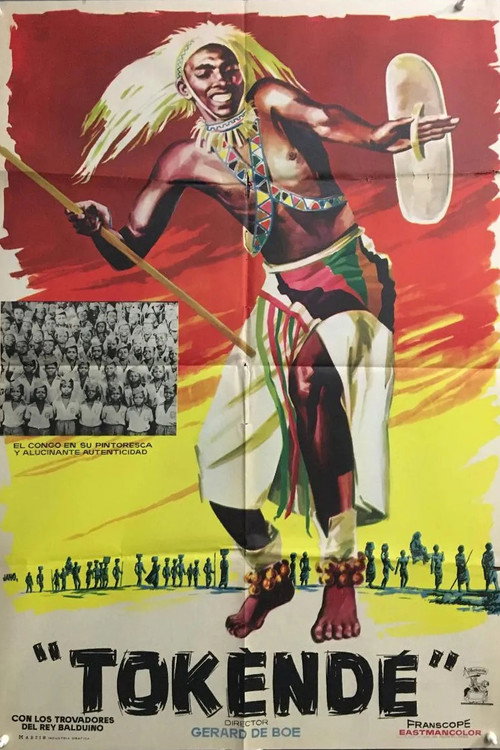
Tokéndè (“We Are Going”), directed by Gerard De Boe for the 1958 Brussels World Expo, offers a vivid look at the Catholic missions in Belgian Congo. From the perilous journeys of early missionaries to the building of stone churches and thriving schools, the film showcases both struggles and achievements. Audiences see local welcomes, choruses, vocational training, and classrooms in action, culminating in the profession of a Black nun and the ordination of a Black priest. A sweeping, visually rich tribute to missionary work, the film balances historical reconstruction with educational and cultural celebration.
Tokende
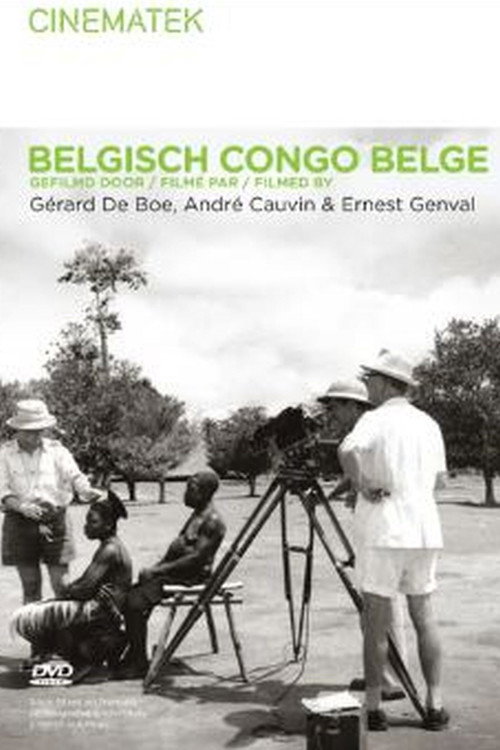
Following Wonder Africa, financed by three anniversary-celebrating companies, Gerard de Boe created a separate film for each, entirely devoted to their activities. Two of these—Le trait d'union and Diamant, pierre précieuse—were released exclusively in French, while the third, Cobalt au Katanga, also received a Flemish release. This scientific yet accessible documentary presents the industry and social achievements of the Union Minière du Haut-Katanga with clarity, sobriety, and objectivity, offering viewers an insightful glimpse into both enterprise and community impact.
Koper in Katanga
Wonder Africa was commissioned by Union Minière du Haut Katanga, Forminière, and BCK to mark their 50th anniversary. The film highlights the transformation of Katanga and Kasai under the influence of the mining industry. Through the idyllic and somewhat naïve romance of two locals, audiences are taken on a tour of the mining hub, showcasing its workshops, schools, hospitals, sports grounds, and more, all framed in a celebratory and almost storybook-like vision of progress. The documentary was released in Dutch and French.