Writing
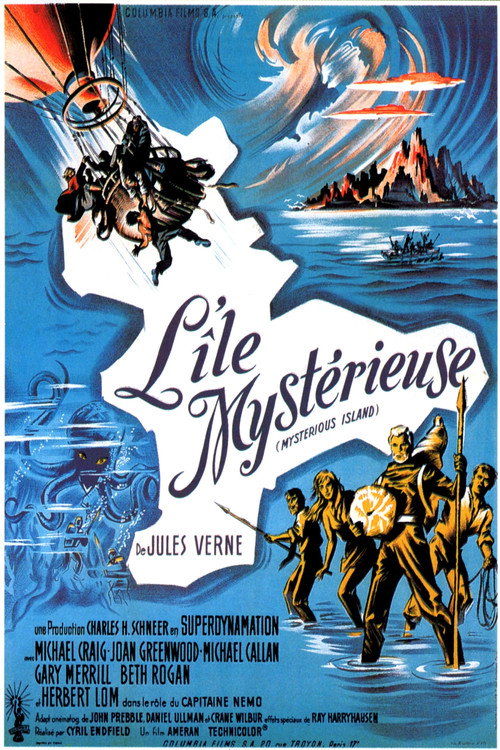
During the American Civil War, five prisoners of war manage to escape in a balloon. They are driven far across the sea to an unknown island, far from civilization. The legendary captain Nemo (world star Omar Sharif), who is trapped in a huge underground cave with his submarine Nautilus, watches the group. When the stranded people are discovered by pirates, Nemo helps them with a host of his super technology...
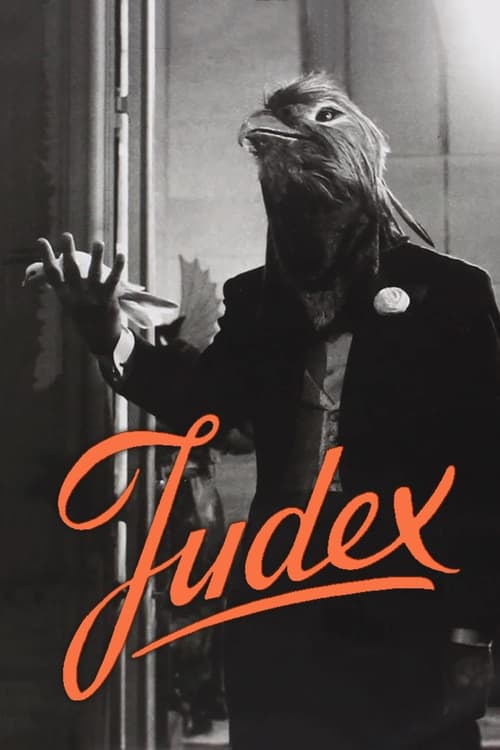
Georges Franju's Judex is an arch, playful tribute to the serials of the influential silent filmmaker Louis Feuillade. Franju shuffles through the plot of Feuillade's lengthy serial of the same name, about an adventurer named Judex whose revenge against the corrupt banker Favraux unleashes a complicated series of schemes.
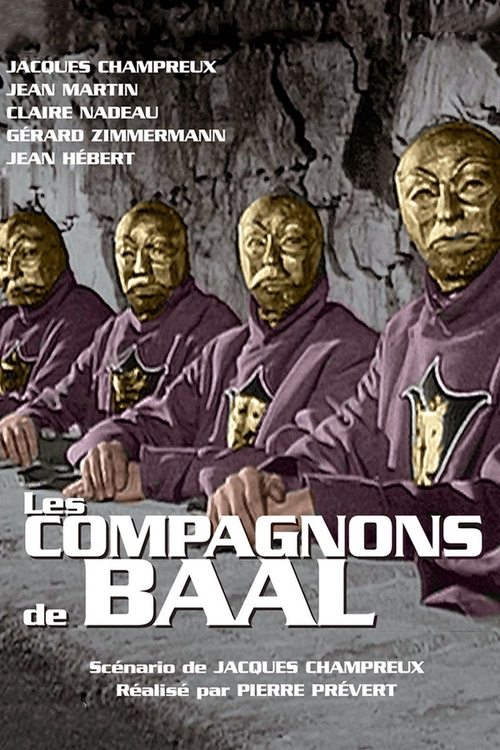
Journalist Claude Leroy reports that a secret society, The Companions of Baal, is behind a hold-up in the small town of Blaingirey. They are led by the Grand Maître Hubert de Mauvouloir. An adorant of Lucifer, he aims to enslave the world. Accompanied by their acolyte, Pierrot Robichat, and a young girl, Françoise Cordier, Claude Leroy is determined to finally reveal the mysteries of the group's criminal enterprise.
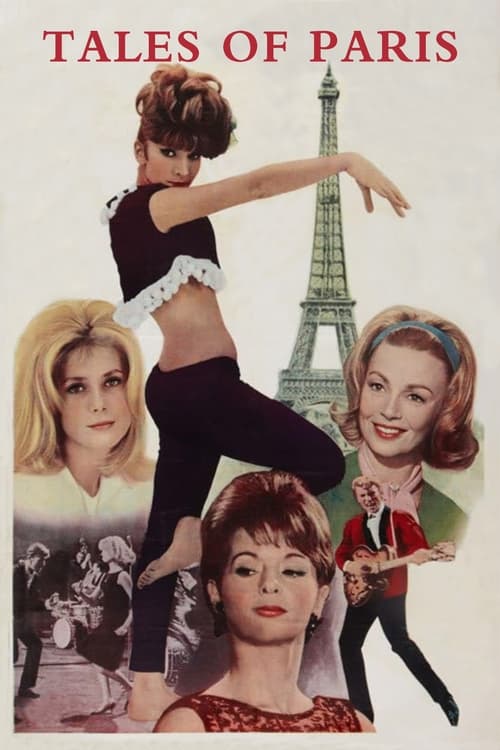
A film made up of four sketches. In Marc Allégret's Sophie, a naive high-school girl invents a love affair with her mother's lover. But it's a guitarist with whom she falls in love. In Françoise, by Claude Barma, a young woman returning to France after living in the United States has an affair with her best friend's lover. In Antonia, by Michel Boisrond, a middle-aged woman tries to convince her ex-lover that she still has many assets to seduce. In Ella, by Jacques Poitrenaud, a Pigalle dancer meets a man in a cab.
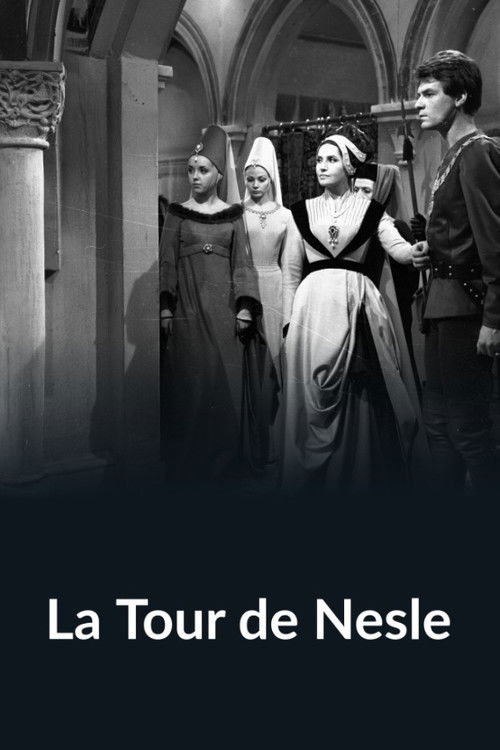
The impetuous Queen Marguerite of Burgundy and her two sisters, Jeanne and Blanche, indulge in sumptuous orgies at night in the chambers of the Tour de Nesle. At dawn, their partners are murdered by men. Blackmail, murder, and intrigue lend a frenetic pace to this adaptation of Alexandre Dumas's eponymous novel.
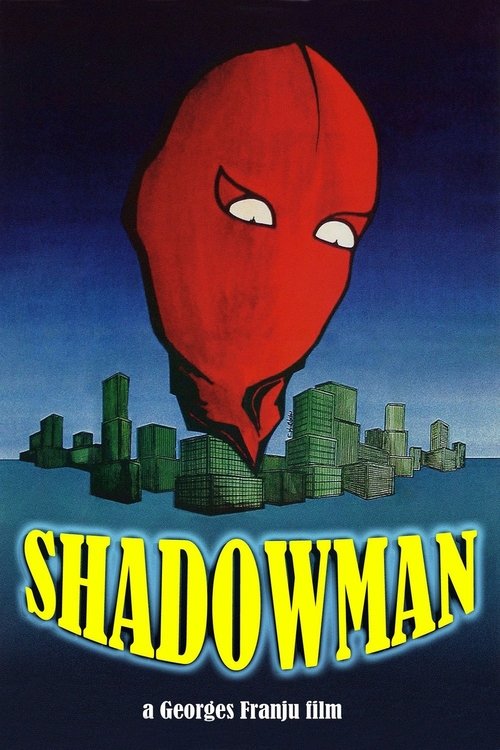
Clad in a featureless red mask, The Man Without A Face is involved in a single-minded pursuit of the fabled treasure of the Knights Templar in this tribute to the pulp adventure stories of Louis Feuillade.
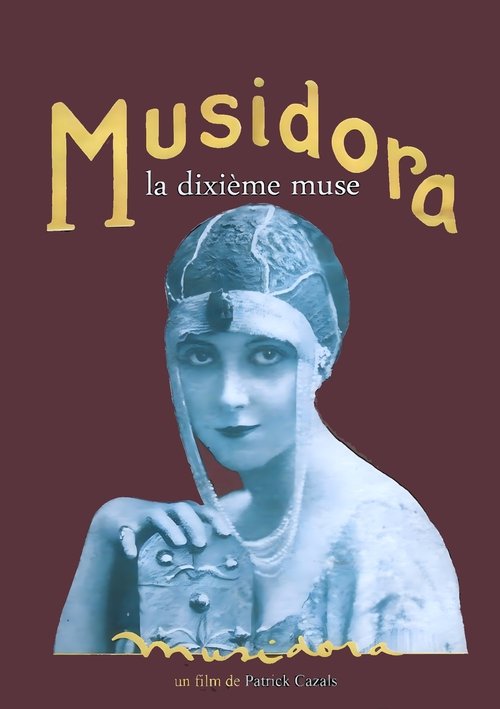
Patrick Cazals’ film, La Dixième Muse, brings Musidora to life for the second time. The first occasion was the publication of his earlier book on the same subject with Henri Veyrier in 1978. The latter remains an essential work of reference because its author was the first person since Francis Lacassin to have surveyed Musidora’s career as a pioneering filmmaker and total artist. It includes previously undiscovered documents that are no longer accessible in their original form. This film too contains many previously unknown images found and selected by Patrick Cazals. Above all, it offers the animated image of a beauty in a close-fitting black suit, and her voice that speaks directly to us, alongside the voices of all those the director has brought together to establish a subtle bond with Musidora and bring her into our own age.
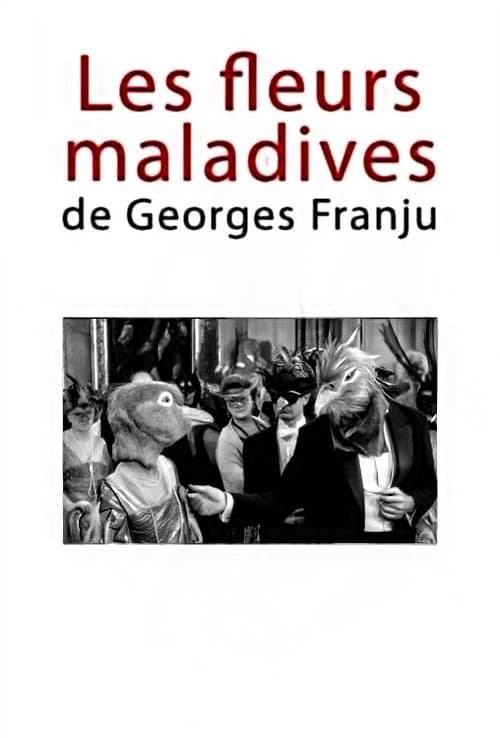
A short documentary about Georges Franju.
A team of police officers are tracking down a criminal nicknamed “The Faceless Man,” who wants to steal the Templars' treasure with the help of a mad scientist and an accomplice called “The Woman.” L'Homme sans visage (shot in 16mm) is a series consisting of eight 56 minute episodes broadcast on television a year after Nuits rouges (shot in 35mm), whose story they expand, although Franju shot the film and series at the same time.
Black and white unite and are confronted with hatred in two color-line-busting classics from the classic years of exploitation.
From the first paying public screening on December 28, 1895, at the Grand Café in Paris, to the present day, this film tells the story of movie theaters over a century of existence. Accompanied by a commentary, a skilful montage of archive footage, some of it previously unseen, traces this evolution - from the golden age of the Gaumont-Palace and the Grand-Rex to the era of multi-screen complexes - illuminated by memories and testimonials from exhibitors, architects and cinema professionals.
A documentary that takes a collage approach to depicting Musidora's career.
Fode, Boubacar's father, decides to send his son to Paris to join his older brother Samba. There, for sure, he will become rich and able to send them money. Boubacar leaves the village and his fiancée Awa. The long journey begins.
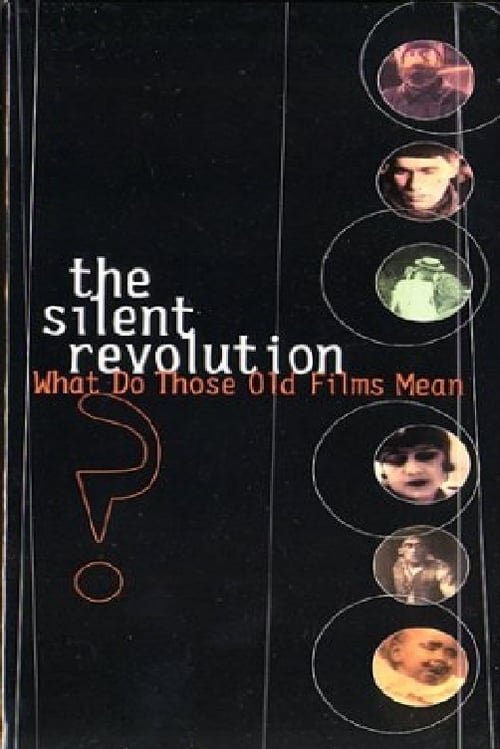
Noel Burch’s fascinating and well-made (if at times historically contestable) six-part BBC television series, about early silent cinema in Denmark, England, the Soviet Union, France, Germany, and the U.S., mixes beautiful clips of rare films with various social theories about their significance.