FEEL IT.STREAM
Georges Franju

Georges Franju

Directing

Biography

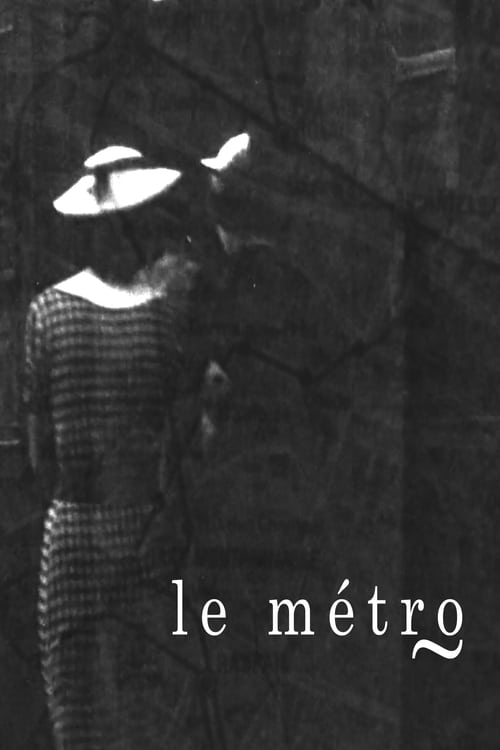
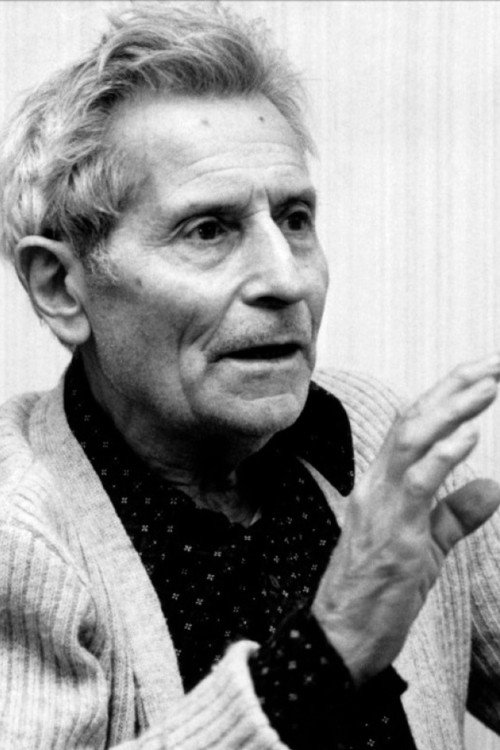
Georges Franju was a French filmmaker. He was born in Fougères, Ille-et-Vilaine. Before working in French cinema, Franju had several different jobs. Franju was also briefly in the military in Algeria and was discharged in 1932. On his return, Franju studied to become a set designer and later created backdrops for music halls including Casino de Paris and the Folles Bergère. In the mid-thirties, Franju and Henri Langlois met through Franju's twin brother Jacques Franju. As well as creating the 16 mm short film Le Métro, Langlois and Franju also started a short-lived film magazine and created a film club called Le Cercle du Cinema with 500 francs he borrowed from Langlois' parents. The club showed silent films from their own collections followed by an informal debate about them amongst members. From Le Cercle du Cinema, Franju and Langlois founded the Cinématheque Française in 1936. Franju ceased to be closely related with the Cinématheque Française as early as 1938, and only became associated with it strongly again in the 1980s when he was appointed as the honorary artistic director of the Cinématheque. In 1949, Franju began work on a series of nine documentary films. The Nazi occupation of Paris and the industrialism following World War II influenced Franju's early works. With Head Against the Wall (French:La tête contre les murs) in 1958, Franju turned toward fiction feature films. His second feature was the horror film Eyes Without a Face (French:Les Yeux sans Visage) about a surgeon who tries to repair his daughter's ruined face by grafting on to it the faces of beautiful women. His 1963 film Judex was a tribute to the silent film serials Judex and Fantomas. In Franju's later years his film work became less frequent. Franju occasionally directed for television and in the late seventies he retired from filmmaking to preside over the Cinématheque Française. In her study of French cinema since the French new wave, Claire Clouzot described Franju's film style as "a poignant fantastic realism inherited from surrealism and Jean Painlevé science cinema, and influenced by the expressionism of Lang and Murnau". Franju's focus was on the visual aspect of filmmaking, which he claimed marked a director as an auteur. Franju claimed to "not have the story writing gift" and was focused on what he described as the "putting into form" of the film. Franju was also extremely influenced by surrealism. He used elements of surrealism and shock horror within his films in order to “awaken” his audience. Franju had a long history of friendship with well-known surrealists including Andre Breton, and the influence of this movement is extremely evident in his works. Franju uses these elements to link horror, history, and an ironic commentary on modernity’s ideal of progress. Franju is quoted as having said “It’s the bad combination, it’s the wrong synthesis, constantly being made by the eye as it looks around, that stops us from seeing everything as strange.” Description above from the Wikipedia article Georges Franju , licensed under CC-BY-SA, full list of contributors on Wikipedia.
Known For

Cinépanorama
8.7

No description available.

Cinépanorama

1956
Eyes Without a Face
7.6

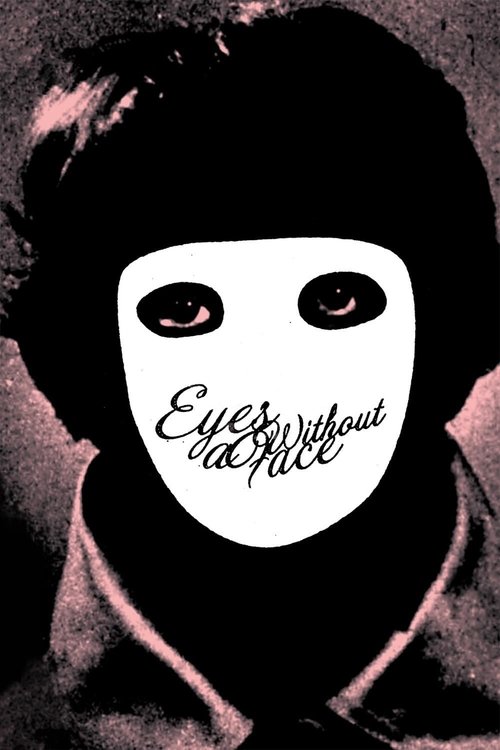
Dr. Génessier is riddled with guilt after an accident that he caused disfigures the face of his daughter, the once beautiful Christiane, who outsiders believe is dead. Dr. Génessier, along with accomplice and laboratory assistant Louise, kidnaps young women and brings them to the Génessier mansion. After rendering his victims unconscious, Dr. Génessier removes their faces and attempts to graft them on to Christiane's.

Eyes Without a Face

1960
Judex
6.9

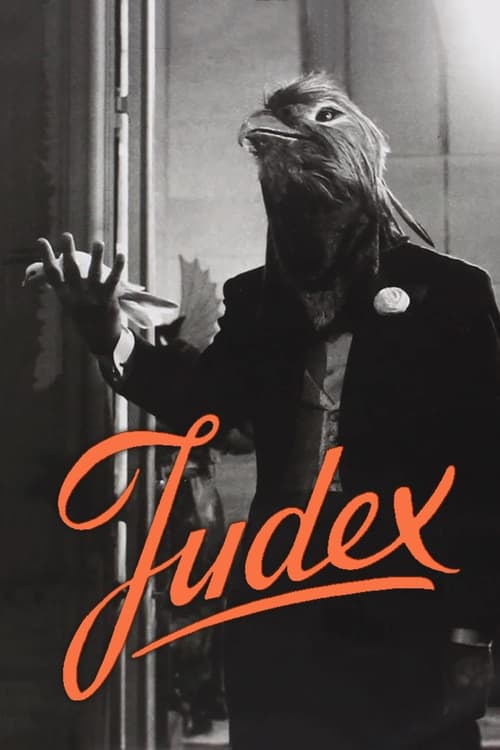
Georges Franju's Judex is an arch, playful tribute to the serials of the influential silent filmmaker Louis Feuillade. Franju shuffles through the plot of Feuillade's lengthy serial of the same name, about an adventurer named Judex whose revenge against the corrupt banker Favraux unleashes a complicated series of schemes.

Judex

1963
Spotlight on a Murderer
6.5

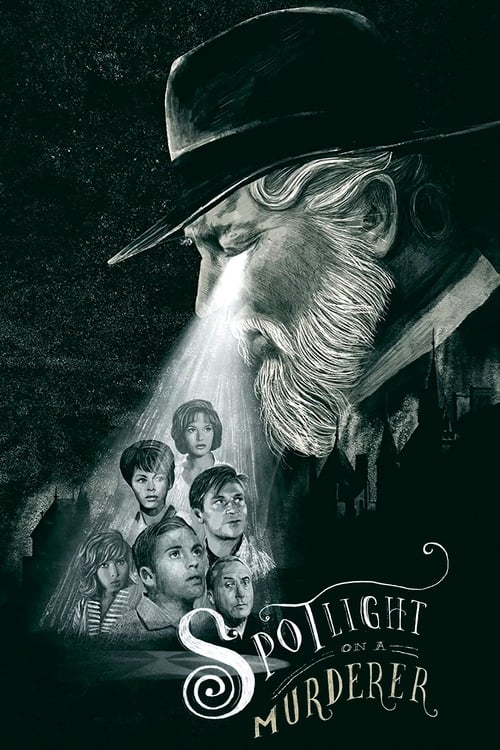
An old count hides just before he dies to annoy his heirs. The heirs search a manor for the count's body and are killed off one by one. Jean-Marie, his fiancée Micheline, and Edwige investigate the deaths and search for the count's body.

Spotlight on a Murderer

1961
Aznavour by Charles
6.9

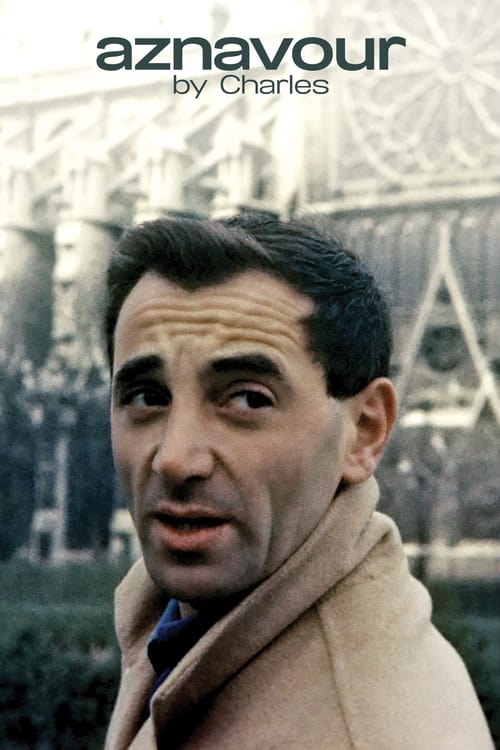
In 1948, French singer Charles Aznavour (1924-2018) receives a Paillard Bolex, his first camera. Until 1982, he will shoot hours of footage, his filmed diary. Wherever he goes, he carries his camera with him. He films his life and lives as he films: places, moments, friends, loves, misfortunes.

Aznavour by Charles

2019
Therese
6.7

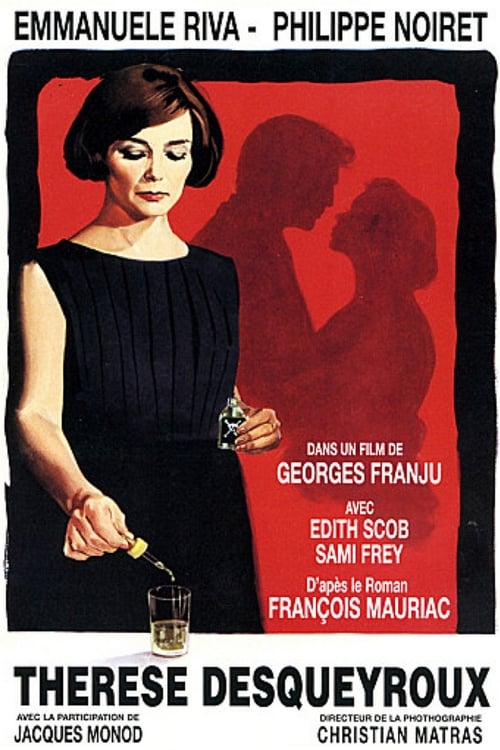
Thérèse is living in a provincial town, unhappily married to Bernard, a dull, pompous man whose only interest is preserving his family name and property. They live in an isolated country mansion surrounded by servants. Early in her marriage her only comforts are her fondness for Bernard's pine-tree forest, which was her primary reason for marrying him, and her love for her sister-in-law and Bernard's half-sister, Anne. The movie recounts in flashback the circumstances that led to her being charged with poisoning her husband.

Therese

1962
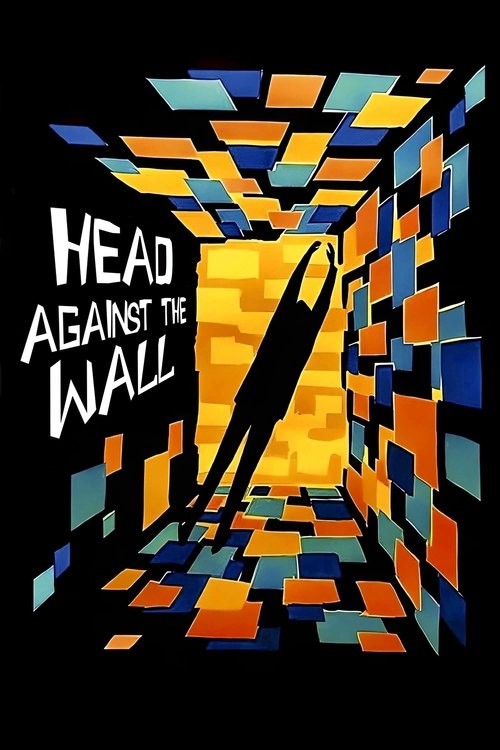
Head Against the Wall
6.8

An aimless young man is committed to a psychiatric hospital by his father in an attempt to cure him of his delinquent tendencies.

Head Against the Wall

1959
L'Homme sans visage
7.5

A team of police officers are tracking down a criminal nicknamed “The Faceless Man,” who wants to steal the Templars' treasure with the help of a mad scientist and an accomplice called “The Woman.” L'Homme sans visage (shot in 16mm) is a series consisting of eight 56 minute episodes broadcast on television a year after Nuits rouges (shot in 35mm), whose story they expand, although Franju shot the film and series at the same time.

L'Homme sans visage

1975
La Nouvelle Vague par elle-même
8.0

Made for Cinéastes de notre temps series. In 1964, several French New Wave auteurs discuss the success and crisis of the wave. Featuring Claude Chabrol, François Truffaut, Jacques Rivette, Jean-Luc Godard, Jacques Rozier, Jacques Demy, Agnès Varda, Jean Rouch, and many others.

La Nouvelle Vague par elle-même

1964
The First Night
6.8

A residential area schoolboy discovers the odd universe of the Parisian metro. At one point, he glimpses the beautiful face of a blond-haired girl. Later on, he falls asleep and possibly dreams his first love dream…

The First Night

1958
Blood of the Beasts
7.5

An early example of ultra-realism, this movie contrasts the quiet, bucolic life in the outskirts of Paris with the harsh, gory conditions inside the nearby slaughterhouses. Describes the fate of the animals and that of the workers in graphic detail.

Blood of the Beasts

1949
Thomas the Impostor
6.5

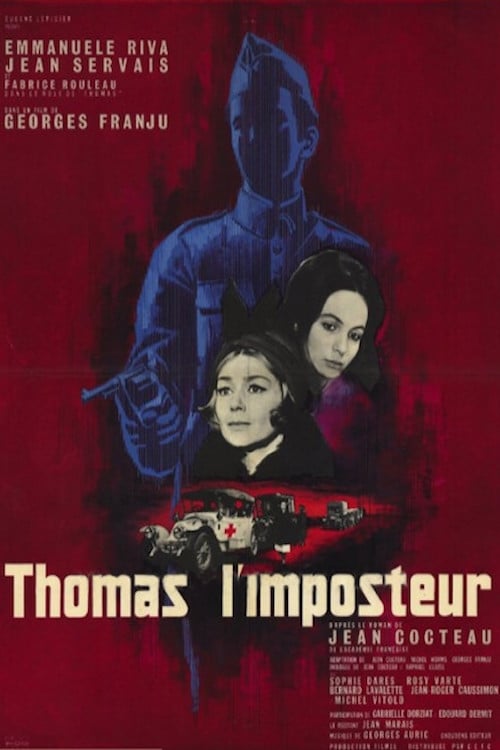
In the First World War, when Paris is expected to fall to the Germans, the attractive widow, Princesse de Bormes, organises a convoy of cars to evacuate the wounded from the front, and bring them back to her villa in Paris to recuperate. The authorities will not give them passes until an innocent 16-year-old boy, Guillaume Thomas de Fontenoy, joins them and is mistaken as the nephew of the popular General de Fontenoy. The Princess is enraptured by Thomas and her daughter, Henriette, falls in love with him. However Thomas feels impelled to see more of the action of the war.

Thomas the Impostor

1965
The Shadow Line
6.6

Story of a young, inexperienced ship captain named Marlow, who struggles in solitude during the voyage with disease, insubordinate crew and vagaries of weather.

The Shadow Line

1973
Le Grand Méliès
6.9

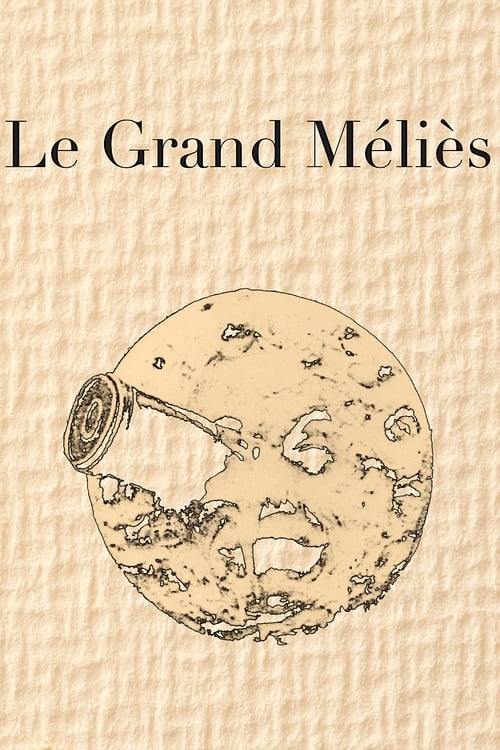
A biographical film about cinematic illusionist Georges Méliès featuring Méliès’s widow, Jeanne d’Alcy, as herself, and their son André as his own father.

Le Grand Méliès

1952
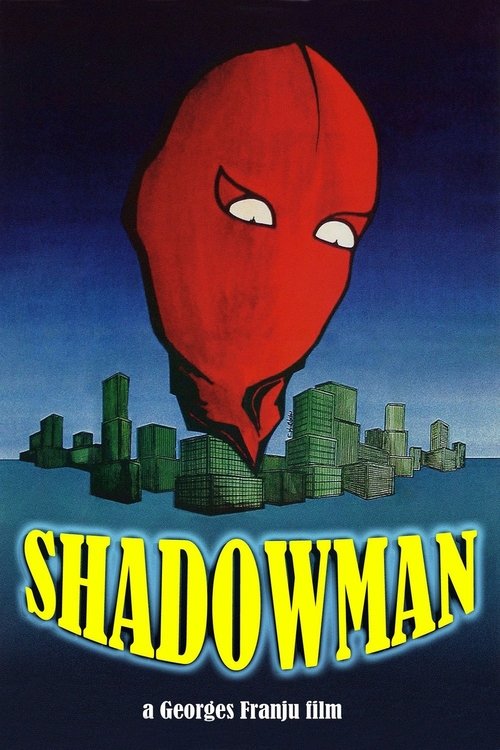
Shadowman
6.0

Clad in a featureless red mask, The Man Without A Face is involved in a single-minded pursuit of the fabled treasure of the Knights Templar in this tribute to the pulp adventure stories of Louis Feuillade.

Shadowman

1974
Le Théâtre National Populaire
6.5

The T.N.P., the Théâtre National Populaire, an important experimental theater directed by Jean Vilar. Franju combines sequences from theatrical performances with documentary images, creating links and confrontations between theater and the real world.

Le Théâtre National Populaire

1956
The Demise of Father Mouret
4.4

Serge Mouret is a frail and devout young priest in a tough country parish. When he falls down and loses his memory, he is nursed back to health by Albine, the beautiful carefree niece of the outspoken atheist Jeanbernat. After Serge and Albine fall in love, Serge recovers his memory and realizes the grave sin he has committed.

The Demise of Father Mouret

1970
Le Dernier Mélodrame
8.0

A travelling company makes its way round the small villages of France. Shot for the program Cinéma 16 broadcast by the French channel FR3, where Franju adapted an argument written by one of his favourite actors, Pierre Brasseur, and worked with his fetish actress, Edith Scob.

Le Dernier Mélodrame

1979
Hôtel des Invalides
5.9

A short documentary tour of Paris’s Hôtel des Invalides that uses ironic narration and museum imagery to question the logic and legacy of war.

Hôtel des Invalides

1952
About a River
8.0

A lyrical evocation of times past and a reflection on the inevitable passing of time through the recollections of an old fisherman.

About a River

1955