Inés Copertino
Camera
Known For
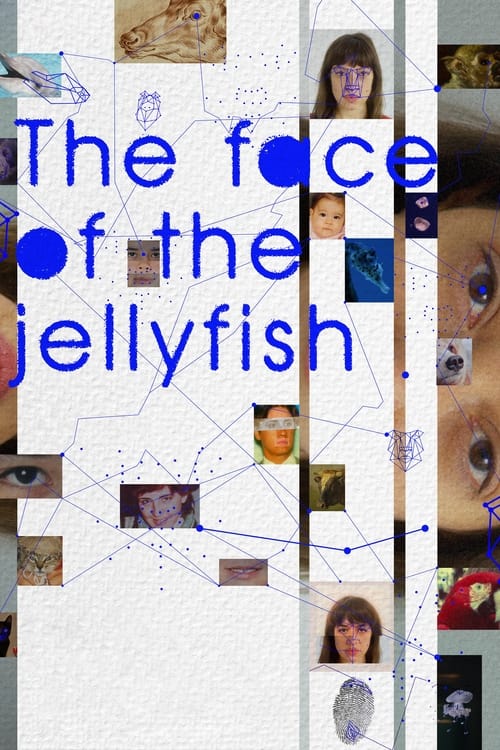
It is no coincidence that the second feature by Argentinian Melisa Liebenthal begins with a quote from “Duino Elegies” by Rilke, who was concerned with existential angst. And, more prosaically, Marina, the film’s young protagonist, is faced with similar anxiety. In fact, her problem is her face. One morning, she discovers her face has changed, and she can no longer recognise herself. Not even her mother can, who bumps into her on the street and says hello to her like she would to any stranger (deadpan, surreal humor is part of the film’s recipe). Marina is thus forced to confront her identity: who is she? Is she determined by her parent’s DNA or by her ID card? Can she be identified by a family portrait, by biometrics or the love of those around her, including her Colombian boyfriend? Is she prettier now?
The Face of the Jellyfish

A young Argentinian woman who works as a museum guide uses her passion - reading - as a means of expression to channel the emotional and working lives of those around her.
The Stolen Man

A mother and a daughter in a bond beyond time, waiting to move forward among absurd dialogue, injections, plants and e-mails.
It’s Never Been So Cold
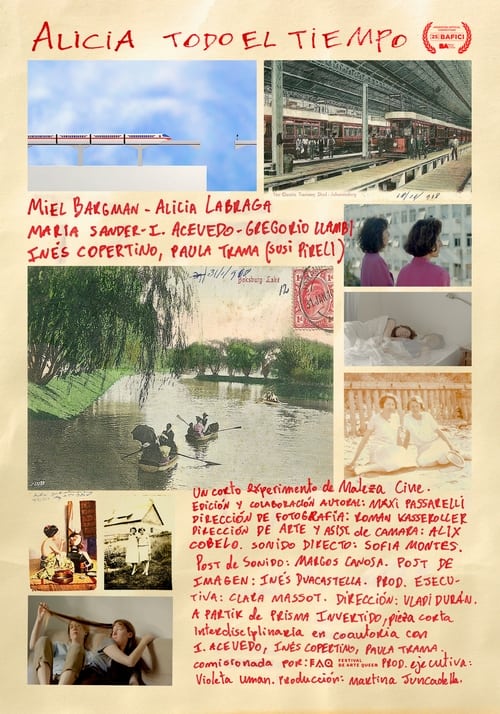
The pandemic, images from the past, images in the trash, various animals, a wounded lion boy, musical neighbors singing an old bolero, a medicinal herb vendor making cooking videos. An experimental piece in collaboration with I Acevedo, Paula Trama, and Inés Copertino, commissioned by the Buenos Aires Queer Art Festival.