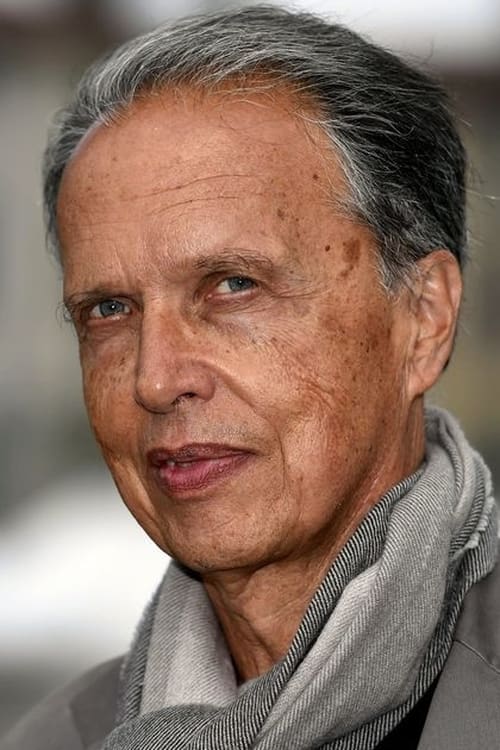
Jean-Claude Petit
Sound
Biography
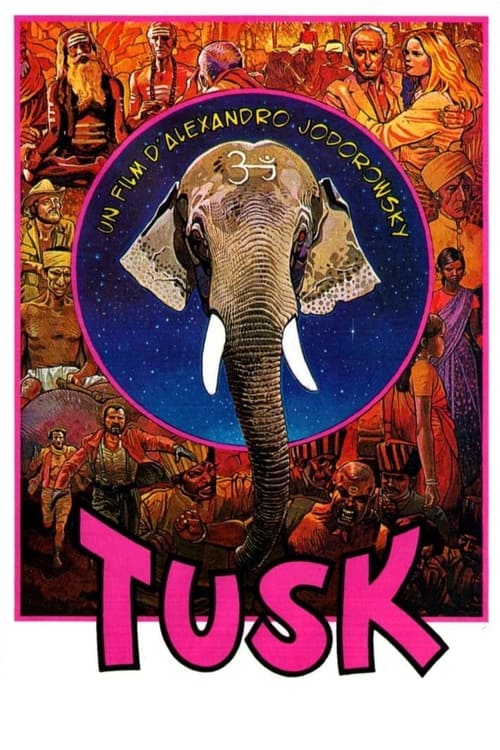
Jean-Claude Petit (born 14 November 1943) is a French composer and arranger, born in Vaires-sur-Marne. After accompanying jazzmen in his childhood, Petit went to the Conservatoire de Paris, where he studied harmony and counterpoint. He did the string arrangements for Mink DeVille's Le Chat Bleu album, as well as orchestrating the backing parts to some French pop singles in the mid-to-late 1960s, including those of Erick Saint-Laurent and yé-yé girls Christine Pilzer and Monique Thubert. In 1973 he composed La leçon de Michette. The song was popular in Italy due to its use in the soundtrack of a well-known Carosello (the Italian TV spot broadcast) from 1973 to 1976. As a music ghostwriter for director Michel Magne, Petit did not get credit for his film scores until he was 36. 1979 saw his first major film soundtrack commission (Alexandro Jodorowsky's Tusk), but he had been releasing solo records at least a decade earlier, including at least four for the Chappell Music Library, as well as his album Chez Jean-Claude Petit, released in the early 1970s. In 1976 he collaborated with Pierre Delanoë, Toto Cutugno, Vito Pallavicini in a very popular and funky music for Mireille Mathieu called Ciao Bambino, Sorry. In addition, he was a frequent collaborator with French film music composer Jack Arel: the pair's most well-known production, "Psychedelic Portrait", was featured in an episode of the cult TV series The Prisoner. His highly acclaimed score for Cyrano de Bergerac remains perhaps his best known work internationally. In 1995 he was nominated for a Victoires de la Musique award in soundtrack of the year for L'Etudiante Etranger. Jean Claude conducted and arranged for American Orchestra leader Billy Vaughn in the 1970s: At least two of Billy's Paramount LPs "An Old Fashioned Love Song" PAS 6025 and "Greatest Country Hits" give Jean Claude credit as arranged/conductor. The 'Greatest Country Hits' Lp Paramount PAS 6044 also includes a Jean Claude original "Walk A Country Mile". Source: Article "Jean-Claude Petit" from Wikipedia in English, licensed under CC-BY-SA 3.0.

Known For

No description available.
Champs-Elysées

No description available.
Victoires de la musique

No description available.
La chanson de l'année

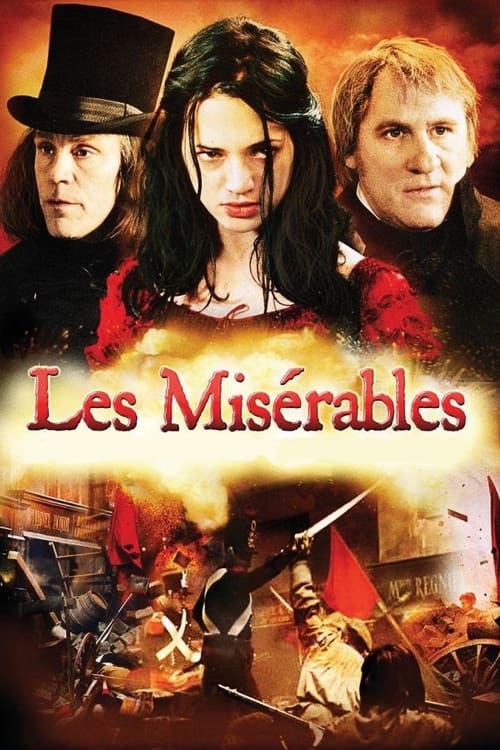
Set against the background of the French Revolution and based on Victor Hugo's classic novel this is the story of Jean Valjean who is sent to prison for stealing a loaf of bread and is released after nineteen years. He meets and cares for a beautiful but poverty-stricken young girl named Fantine who has daughter Cosette. After Fantine's death Valjean brings Cosette up but he is haunted by Javert - a policeman whose search for Valjean has become an obsession.
Les Misérables

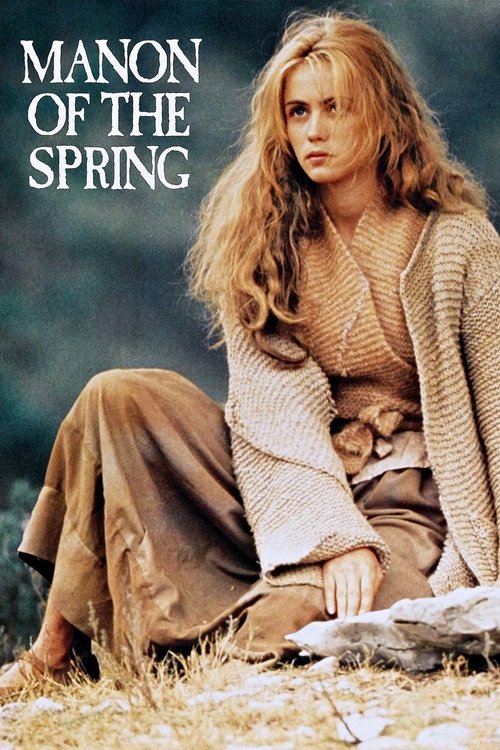
In this, the sequel to Jean de Florette, Manon has grown into a beautiful young shepherdess living in the idyllic Provencal countryside. She plots vengeance on the men who greedily conspired to acquire her father's land years earlier.
Manon of the Spring

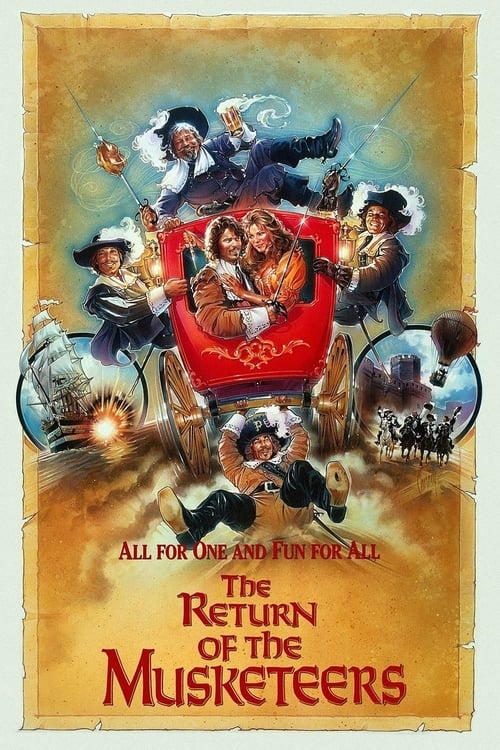
It's 1649: Mazarin hires the impoverished D'Artagnan to find the other musketeers: Cromwell has overthrown the English king, so Mazarin fears revolt, particularly from the popular Beaufort. Porthos, bored with riches and wanting a title, signs on, but Aramis, an abbé, and Athos, a brawler raising an intellectual son, assist Beaufort in secret. When they fail to halt Beaufort's escape from prison, the musketeers are expendable, and Mazarin sends them to London to rescue Charles I. They are also pursued by Justine, the avenging daughter of Milady de Winter, their enemy 20 years ago. They must escape England, avoid Justine, serve the Queen, and secure Beauford's political reforms.
The Return of the Musketeers

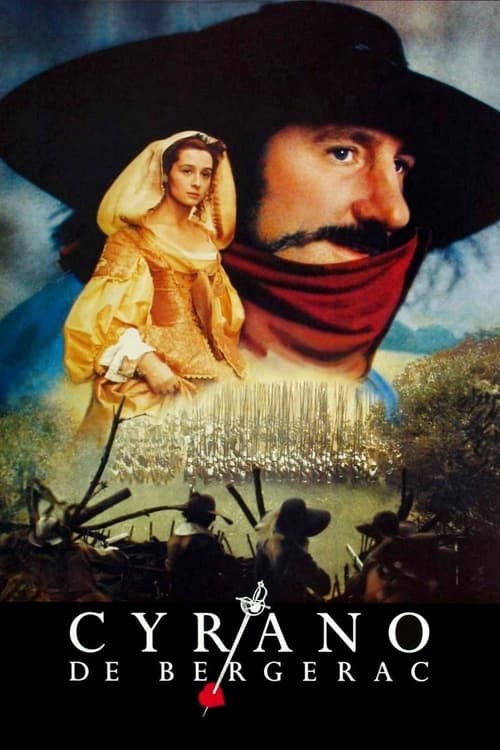
Famed swordsman and poet Cyrano de Bergerac is in love with his cousin Roxane. He has never expressed his love for her as he his large nose undermines his self-confidence. Then he finds a way to express his love to her, indirectly.
Cyrano de Bergerac

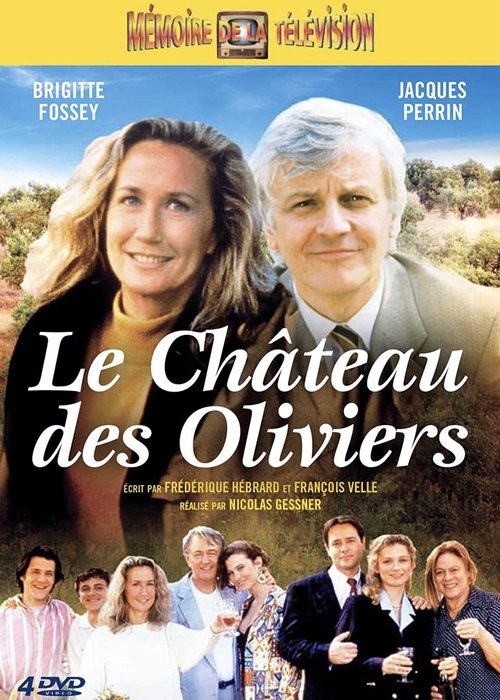
The Castle of Olive Trees is the ancestral home of the "Laborie de Sauveterre". Located at "Châteauneuf-du-Pape", it holds many mysteries and legends. Like every summer "Estelle Laborie" goes there to take some time off. But this summer she take an important decision: run from Paris and stay here at the castle definitively. Little does she knows that her arrival will awake a lot of drama and secrets, beginning with this enigmatic "Pierre Séverin" who wants to demolish the castle to the ground, to make an amusement parc "Cigaleland". She will learn unfortunately that this "Pierre Séverin" is also knowned as "Marceau" the little boy of the steward of the castle when her father was the master of the domain. That steward also died in terrible circumstance. However Estelle decides to face this vengeance and save the castle with the aid of archaeologist "Raphaël Fauconnier"...
The Castle of Olive Trees

Hsiao-Kang, a Taiwanese film director, travels to the Louvre in Paris, France, to shoot a film that explores the Salomé myth.
Visage

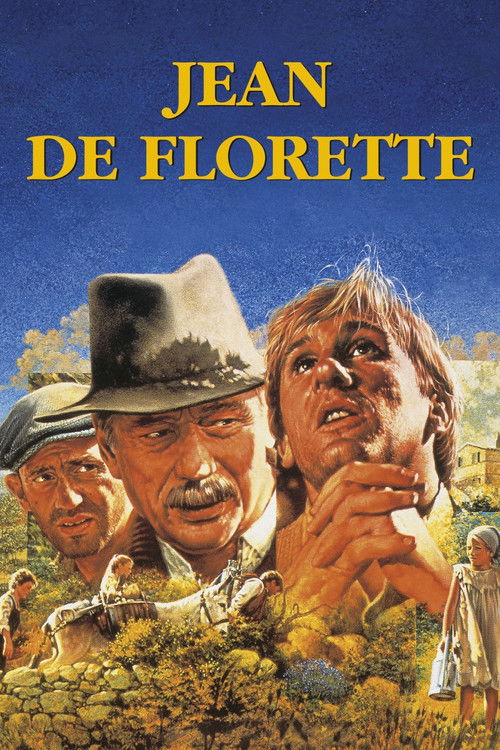
In a rural French village, an old man and his only remaining relative cast their covetous eyes on an adjoining vacant property. They need its spring water for growing their flowers, and are dismayed to hear that the man who has inherited it is moving in. They block up the spring and watch as their new neighbour tries to keep his crops watered from wells far afield through the hot summer. Though they see his desperate efforts are breaking his health and his wife and daughter's hearts, they think only of getting the water.
Jean de Florette

Schulmeister, l’espion de l’empereur (Schulmeister, the Emperor's Spy) is a French historical adventure television series consisting of 13 episodes (1971–1974), inspired by the real life of Charles Louis Schulmeister, a famous spy in the service of Napoleon I. It alternates between historical facts and fiction, offering a fictionalized portrait of a cunning spy, loyal to Napoleon, and always ready to turn a situation to his advantage.
Schulmeister, l'espion de l'Empereur

A young woman, Tara Maguire (Robin Wright) scandalizes her provincial Irish village in the 1950s by having a baby out of a wedlock, and refusing to name the father. She has a rare beauty and every man in town desires her, especially Sergeant Hegarty (Albert Finney). The arrival of a dramatic troupe stirs things up even more, especially when she falls in love with one f the "Playboys", Tom Casey (Aidan Quinn).
The Playboys

Based on the true story of acclaimed music icon "Dalida" born in Cairo, who gained celebrity in the 50s, singing in French, Spanish, Arabic, Hebrew, German, Italian, playing in awarded Youssef Chahine's picture "Le Sixième Jour", and who later committed suicide in 1987 in Paris, after selling more than 130 million records worldwide.
Dalida

After World War II, a small French village struggles to put the war behind as the controlling Communist Party tries to flush out Petain loyalists. The local bar owner, a simple man who likes to write poetry, who only wants to be left alone to do his job, becomes a target for Communist harassment as they try and locate a particular loyalist, and he pushes back.
Uranus

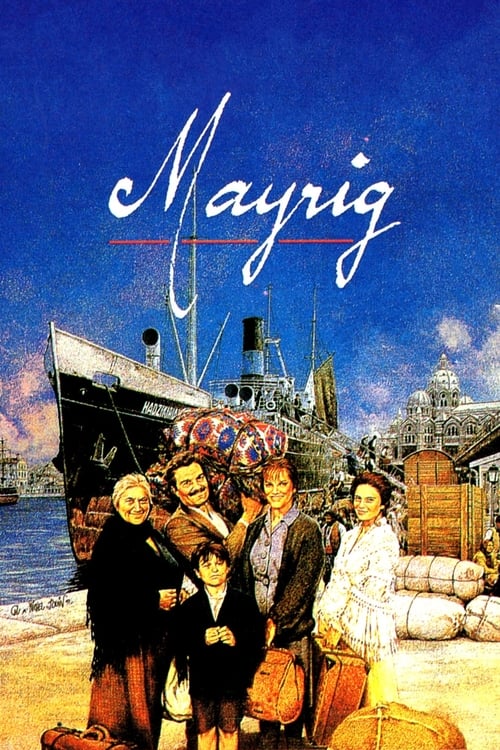
Henri Verneuil was born Achod Malakian of Armenian parentage on October 15, 1920, in Rodosto, Turkey, and his family fled to France and settled in Marseilles when he was a young child. He later recounted his childhood experience in the novel Mayrig, which he dedicated to his mother and made into this 1991 film with the same name.
Mother

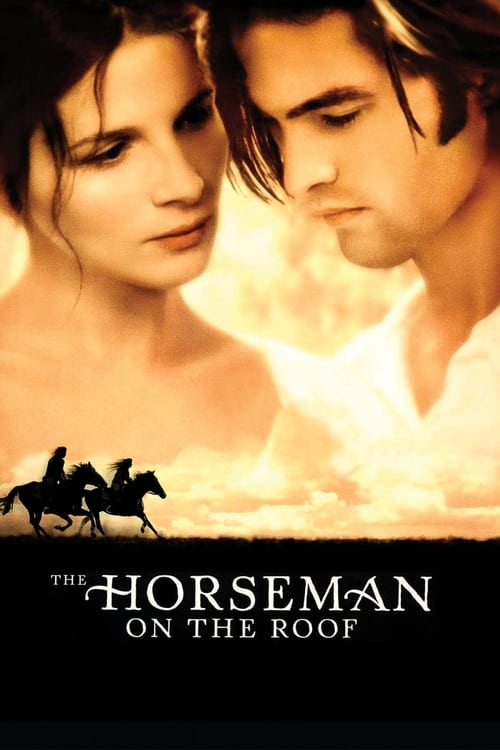
In a time of war and disease, a young officer gallantly tries to help a young woman find her husband.
The Horseman on the Roof

An 18th century poet travels through time in search of divine wisdom. In a mysterious wasteland, he has a series of enigmatic encounters with symbolic phantoms with whom he muses about the nature of art and his own career. Ultimately, the poet strives to achieve his rebirth as a celestial being.
Testament of Orpheus

Beaumarchais the Scoundrel is a biopic film based on the life of the French playwright, financier and spy Pierre Beaumarchais depicting his activities during the American War of Independence and his authorship of the Figaro trilogy of plays.
Beaumarchais the Scoundrel

Hugo is a writer whose one great book was based on an affair he had with Lea, a sculptor. Bereft of inspiration for a follow-up, Hugo returns years later to rekindle the flame of romance and creativity. Lea soundly rejects him, and her student Prudence feels a burning hatred for the man who deserted the teacher she admires.
Sadness and Beauty
This sumptuously photographed period drama is set in 1791 Vienna. Maximilian Bardo, an opportunistic 18-year old Viennese man with aspirations to rise above his bourgeois upbringing, looks for a chance to shoehorn himself into the nobility. His hopes lead him to the castle of a wealthy inventor, Alexander Plant. It is here that a strange story is played out, as Maximilian, full of naive illusions and innocent ideals of what it means to be wealthy and noble, quickly loses his innocence. Falling prey to the jaded aristocrats in residence, he is cruelly initiated into their decadent games.