Acting
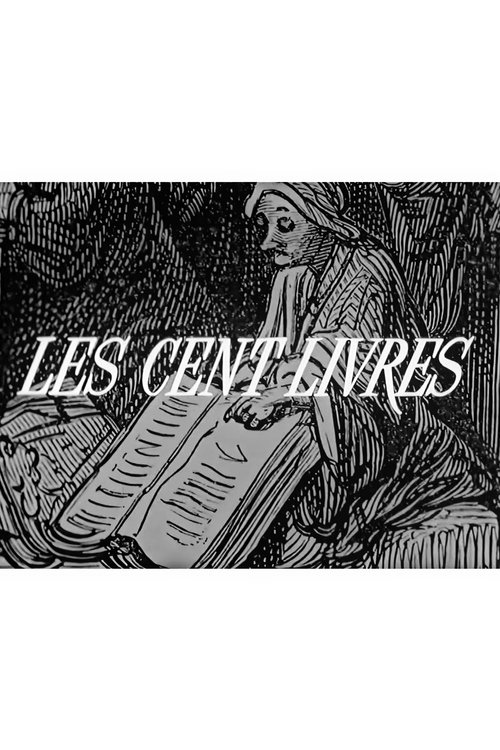
Les Cent Livres des Hommes (ORTF, 1969-1973) was a series of literary programs created by Claude Santelli and Françoise Verny, and produced notably by Santelli, Jean Archimbaud, and Serge Moati. Planned for one hundred episodes but completed at thirty-nine, the series aimed to introduce great literary works, 'chefs-d’œuvre', to a younger audience through a mix of dramatization, reading, and documentary techniques. It marked a transfer of cultural legitimacy from writers and critics to a generation of television producers, offering a new model of educational and creative literary broadcasting - 'télévision d’auteur'.
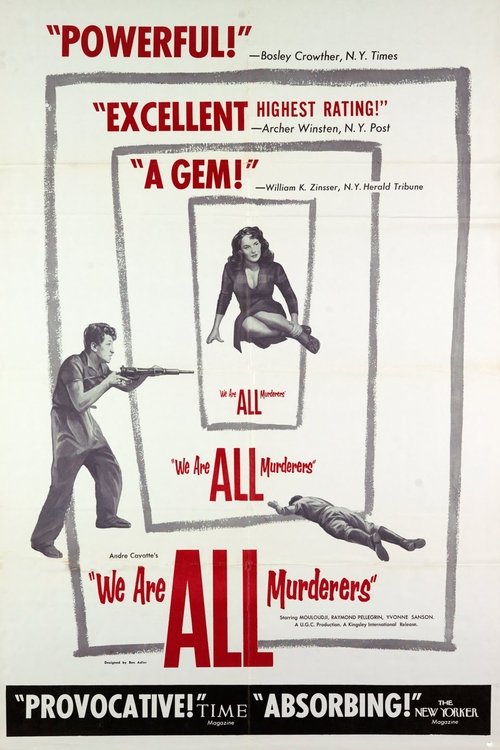
Originally titled Nous Sommes Tout des Assassins, We Are All Murderers was directed by Andre Cayette, a former lawyer who detested France's execution system. Charles Spaak's screenplay makes no attempt to launder the four principal characters (Marcel Mouloudji, Raymond Pellegrin, Antoinine Balpetre, Julien Verdeir): never mind the motivations, these are all hardened murderers. Still, the film condemns the sadistic ritual through which these four men are brought to the guillotine. In France, the policy is to never tell the condemned man when the execution will occur--and then to show up without warning and drag the victim kicking and screaming to his doom, without any opportunity to make peace with himself or his Maker. By the end of this harrowing film, the audience feels as dehumanized as the four "protagonists." We Are All Murderers was roundly roasted by the French law enforcement establishment, but it won a special jury prize at the 1952 Cannes Film Festival.
A tale of the tender relationship between a twelve-year-old boy and the fourteen-year-old upperclassman who is the object of his desire, all set within the rigid atmosphere of a Jesuit-run school.
Vassili Mikhailovich Ordynov, a poor and reclusive young man, must look for new accommodation. By chance, he meets a middle-aged man, Mourine, and a young woman, Catherine, who accepts him as a sub-tenant...
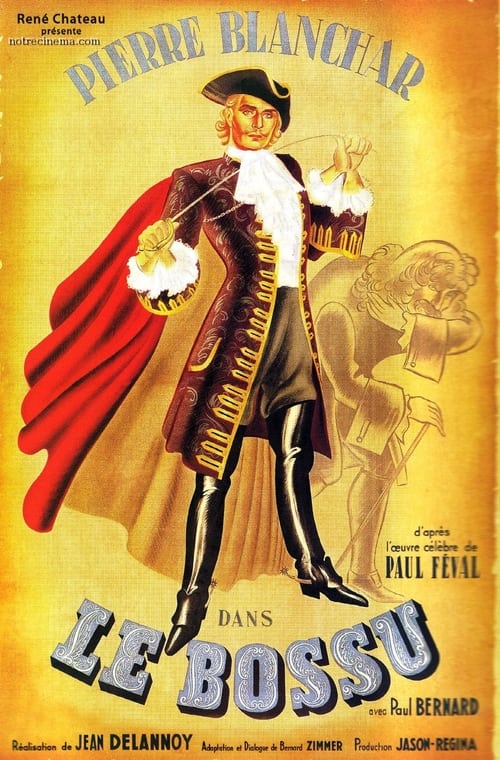
The knight Henri de Lagardère wants to avenge the death of his friend, the duke Philippe de Nevers assassinated by the prince de Gonzague, a few years before.
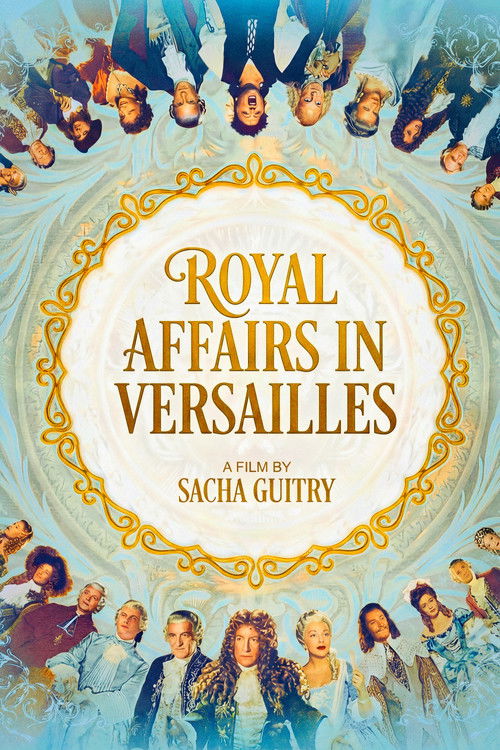
Witty narration follows the history of Versailles Palace; founded by Louis XIII, enlarged by autocratic Louis XIV, whose personal affairs and amours, and those of his two successors, are pursued in more detail to the start of the Revolution, after which the story is brought rapidly up to date.
An anthology of four historical love affairs: at Versailles, Louis XIV shares his mistress with one of his subjects; a courtesan tries to disfigure her lover with acid; a medieval wife faces the wrath of her husband's father, who has her condemned to death; and a stage actress provides advice on life and love to her young colleague.
This telefilm in black and white is diffused on the first French chain the November 6th 1965. It undoubtedly remains the most known adaptation of the Dom Juan of Molière.
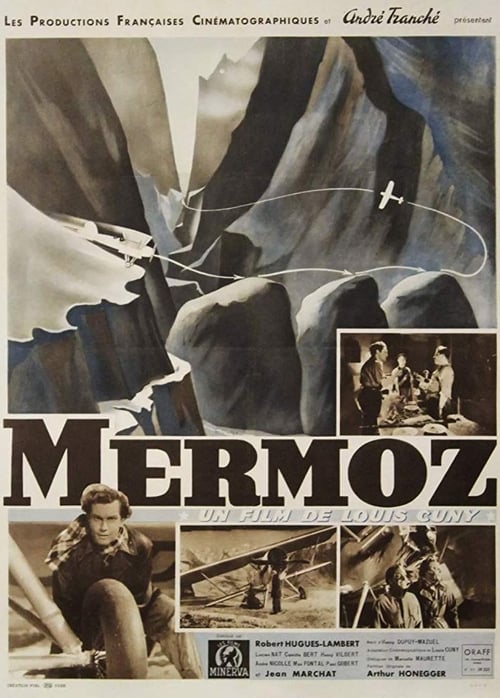
Biography and apology of the famous pilot, nicknamed by some the Archangel, who organized the airmail network of South America, flew the first over the Andes Cordillera, maintained the mystique of the South Atlantic, militated in the Crosses of Fire and perished at the controls of "La Croix du Sud" during its twenty-fourth crossing.
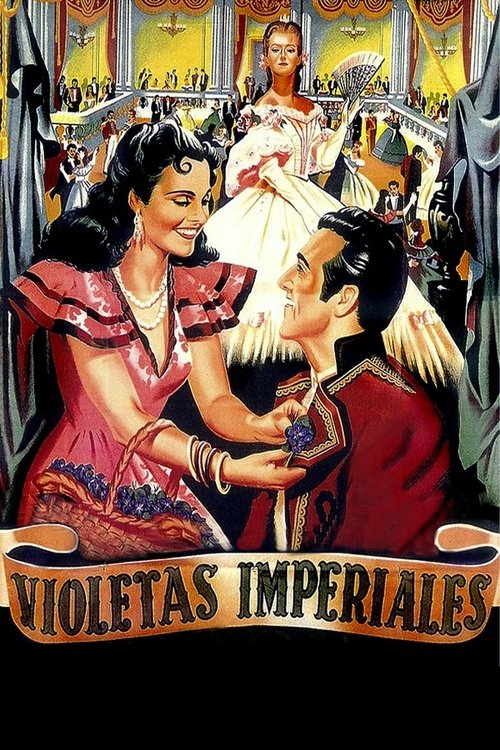
Violeta, an Andalusian gypsy, foretells a lady she will become empress. The lady is Eugenia de Montijo, and when she marries emperor Luis Napoleón of France she takes the young girl with her. The empress'cousin readily makes her his focus of attention, then she discovers a criminal attempt against the empress.
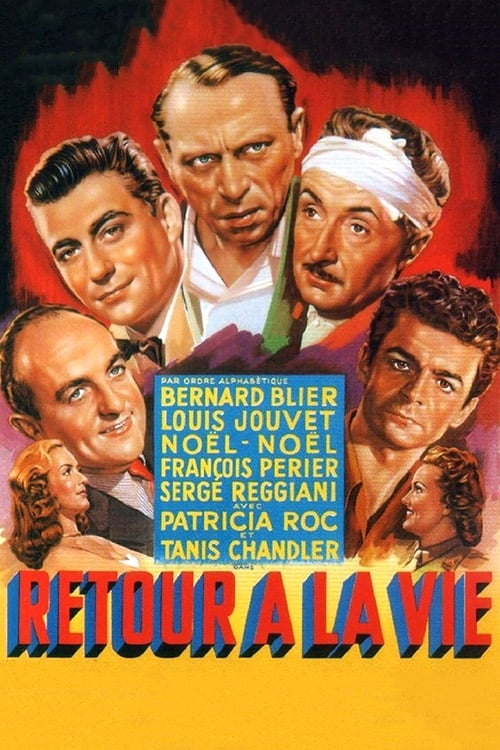
In France in 1946, the difficult return to civilian life of five deportees and prisoners of war after having lived through the hell of the Second World War.
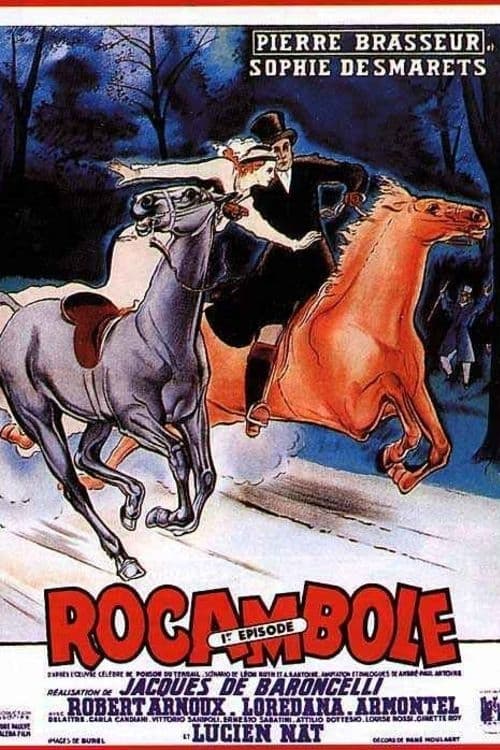
In the 19th century, a thug from the slums of Paris pretends to be a young aristocrat, but is unmasked by a demi-mondaine, from the same background as him.
No description available.
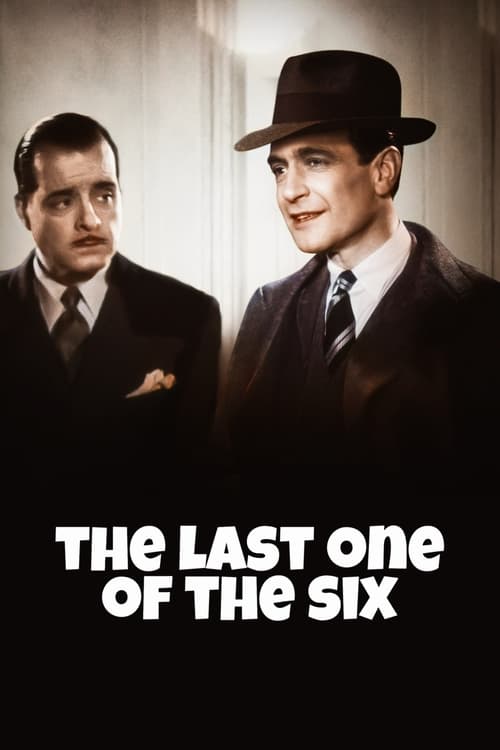
Paris, France. Commissaire Wens is put in charge of the investigation into the murder of one of six friends who, in the past, made a very profitable promise.
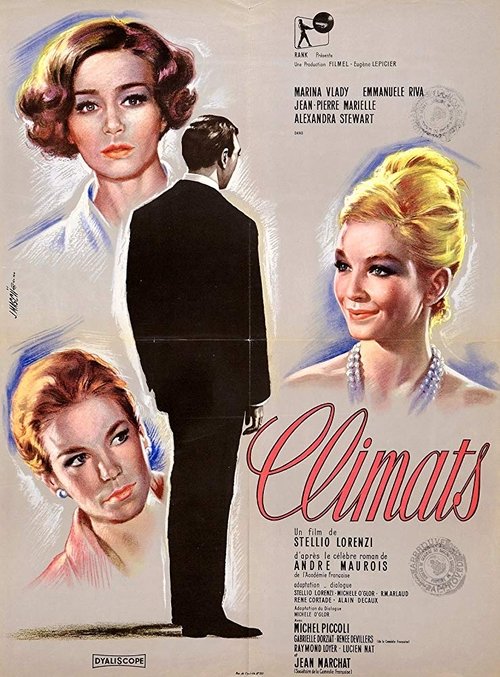
The Marcenat couple seem to have everything they need to be happy. However, Odile's frivolity and Philippe's jealousy drive the couple apart. Philippe, manager of the family printing business, finds solace in Isabelle, a long-time employee at the paper mill. Isabelle's routine life, entirely devoted to her work, leads Philippe to strike up a romantic relationship with the playful young Misa. But, faced with Isabelle's grief, Philippe puts an end to the romance. When Odile, inconsolable since their break-up, finally commits suicide, Philippe realizes that she was his true love.
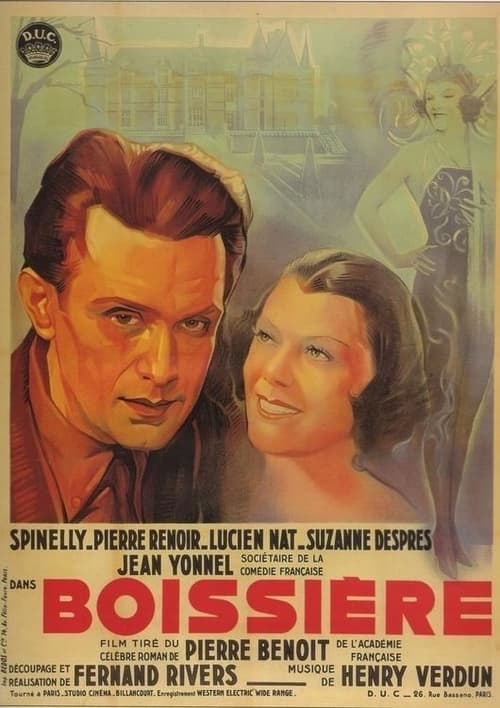
In 1914, during the First World War, the rich chatelaine de Boissière, with a sulphurous past, took in Jean le Barois, a young soldier lost in territory occupied by the Germans, who was none other than the son of the man she loved, then ruined. The young man, after having despised her, falls madly in love with the woman who pushed his father to suicide.
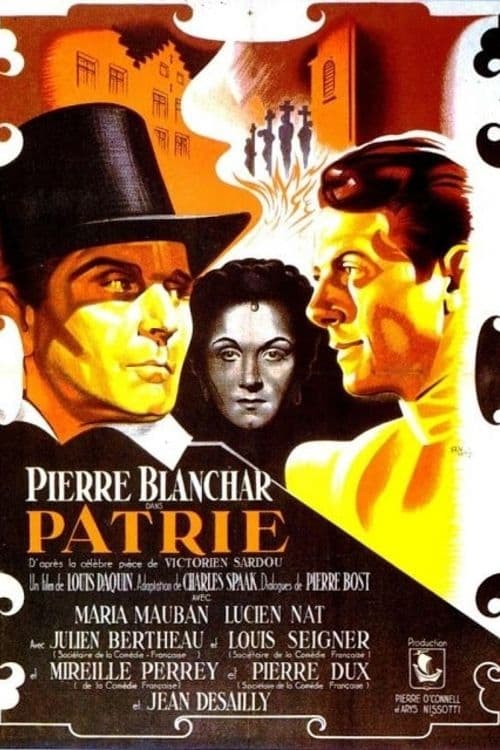
Brussels in the year 1568, as the Flemish people are fighting against the tyranny of the Spanish occupiers. Led by Count de Rysoor, the revolt against the ruthless Duke of Alba, is meant to help Prince William of Orange to get into the city and come to power. Now, the count's lieutenant, has an affair with Elisabeth, Rysoor's wife. For the time being, the count, who thinks of his homeland first, turns a blind eye. But such a relationship might well undermine the whole rebellion movement.
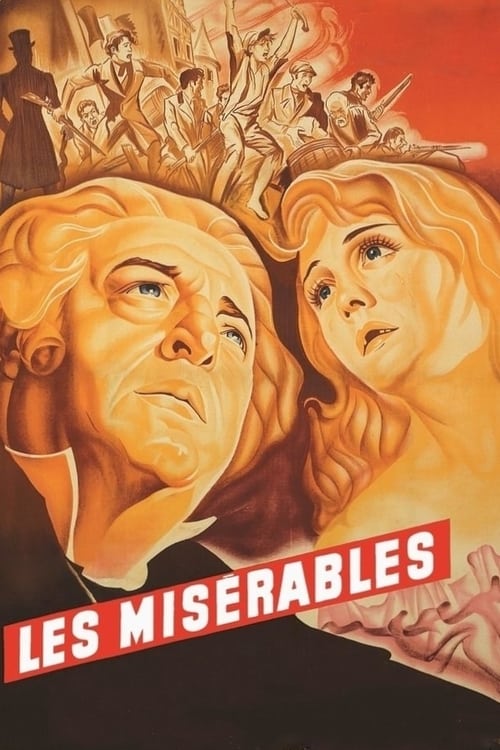
An ex-convict who wants to make an honest life for himself is pursued by the implacable hatred of a policeman.
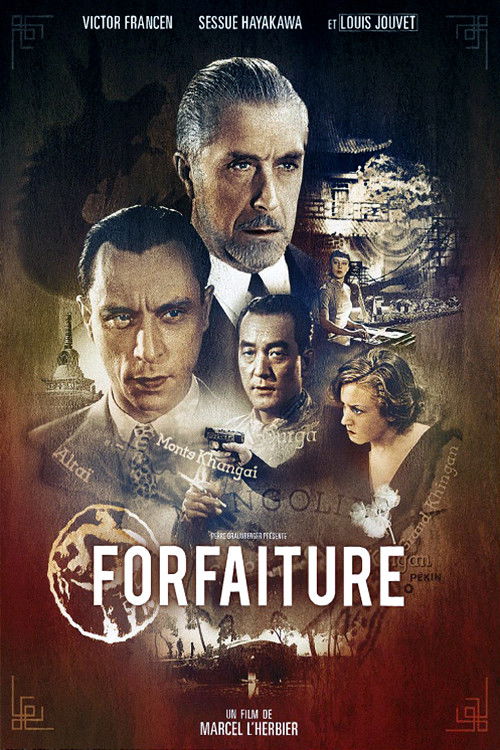
Denise Moret joins her husband, Pierre, in Mongolia where he works as a civil engineer. One night she loose a lot of money on the roulette and therefore is forced to borrow money from Prince Lee-Lang. The Prince immediately begins to flirt and make advances towards Denise. Advances she rejects.
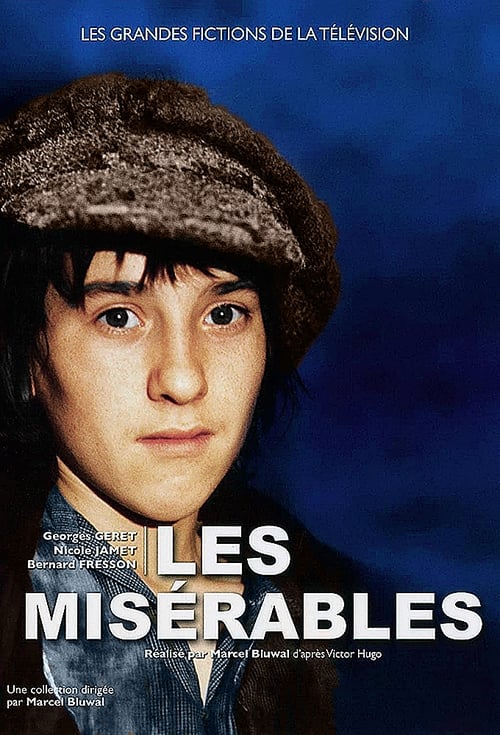
In 19th century France, Jean Valjean, a man imprisoned for stealing bread, must flee a relentless policeman named Javert. The pursuit consumes both men's lives, and soon Valjean finds himself in the midst of the student revolutions in France.