Acting
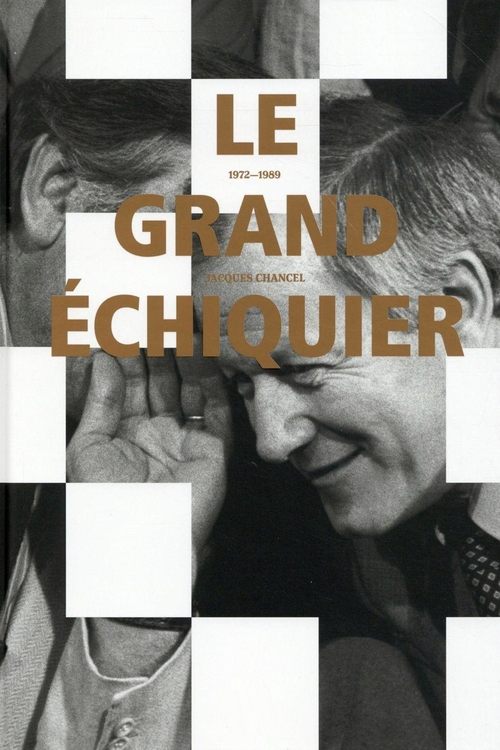
Le Grand Échiquier is a French variety television program created and presented by Jacques Chancel. It aired at 8:30 pm on the first channel of the ORTF from January 12, 1972 to July 12, 1972, then on the second color channel of the ORTF from September 1972 to December 1974, and finally on Antenne 2 from January 1975 to December 21, 1989. The program returned to France 2 on December 20, 2018 and is hosted by Anne-Sophie Lapix.
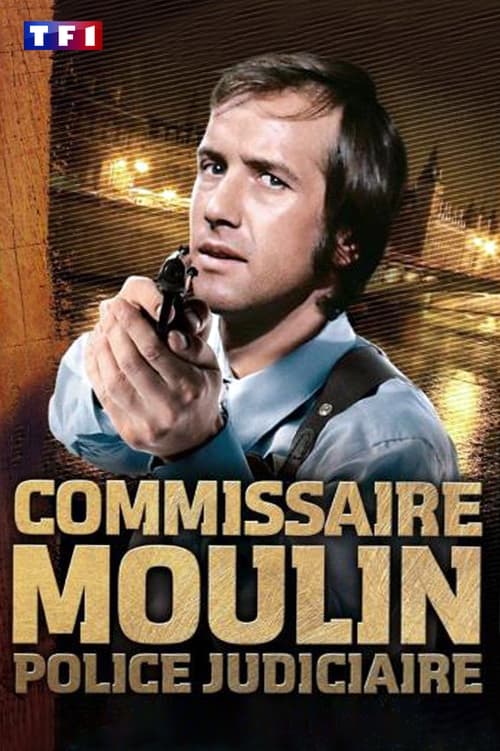
The series follows the adventures of lighthearted Jean-Paul Moulin, a police Commissaire, and his team as they solve crimes.
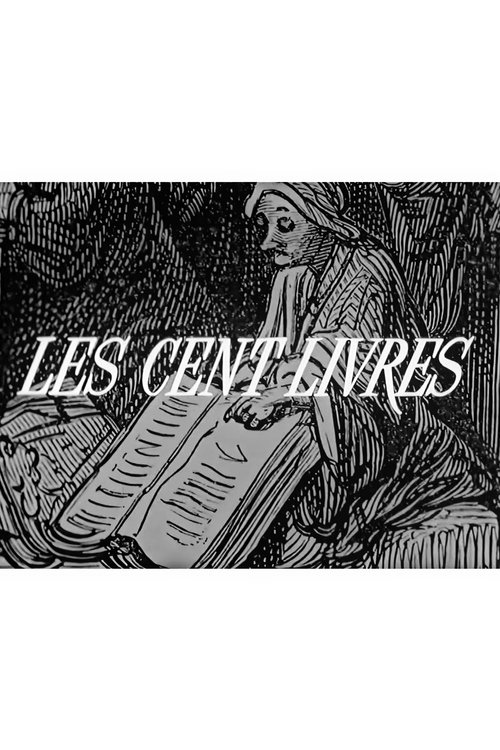
Les Cent Livres des Hommes (ORTF, 1969-1973) was a series of literary programs created by Claude Santelli and Françoise Verny, and produced notably by Santelli, Jean Archimbaud, and Serge Moati. Planned for one hundred episodes but completed at thirty-nine, the series aimed to introduce great literary works, 'chefs-d’œuvre', to a younger audience through a mix of dramatization, reading, and documentary techniques. It marked a transfer of cultural legitimacy from writers and critics to a generation of television producers, offering a new model of educational and creative literary broadcasting - 'télévision d’auteur'.
L'Alpagueur is a free-lance spy from the French secret agency. He's put on the investigation about L'epervier, a serial-killer who employs young boys to help him robbing banks before killing them.
Two young men and a young girl, who do not know each other, try to escape a constraining society, in search of another world, which is in their image. In the raging crowd, they find each other, get lost, find themselves on a beach, where life becomes different. A film without dialogue and without words, bathed in music.
Theater play "Les précieuses ridicules" played by the "Comédie française" in 1997.
In the forest, knight-errant Hans meets and falls in love with Ondine, a water-sprite who is attracted to the world of mortal man.
No description available.
An ex-convict who wants to make an honest life for himself is pursued by the implacable hatred of a policeman.
A young woman passionate about reading immerses herself in the adventures of a fictional character who makes reading her profession. As she explores different neighborhoods and wintertime Provence, her imagination blends with reality, revealing the mysteries behind each word.
A staging of Pierre Corneille's play "Horace" by Jean-Pierre Miquel.
A medical intern finds himself drawn into a world of international intrigue after discovering a shrunken human head in his luggage.
In Passy, Paris, 1895. The young widow Hélène calls the doctor Henri Deberle during the night, when her daughter Jeanne suddenly gets breathless. Together they spend the night at the bedside, and it develops from a trusting encounter a love relationship. When the doctor Hélène one day confesses his love, the daughter comes from jealousy in another, life-threatening crisis. A film adaptation of the eponymous novel by Émile Zola, which addresses the social milieu of the bourgeois family in the "Second Empire".
This stage play from 1977 is adapted from the well-known play "Lorenzaccio" written by French poet and playwright Alfred de Musset. Set in 16th-century Florence, the play revolves around the complex and tormented protagonist Lorenzo, known as Lorenzaccio, who faces inner conflicts as he struggles with his desire for personal freedom and the responsibility he feels towards his city. Between political corruption, morality, and the struggle for justice; the stage blends with historical drama and psychological exploration.
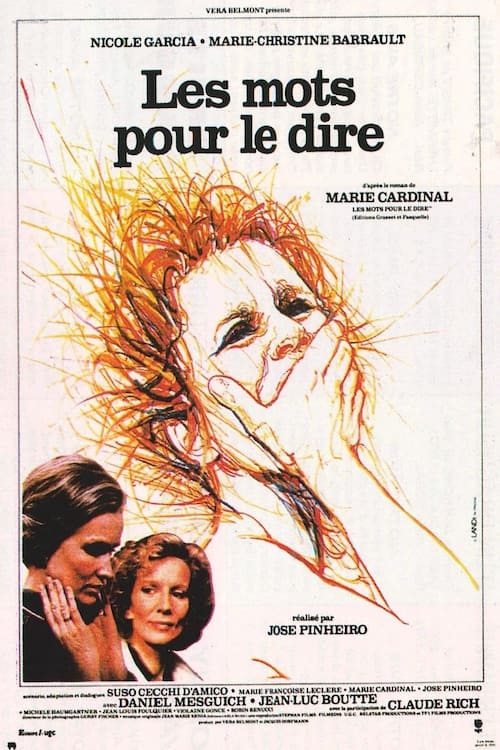
A psychological drama that details the tormented relationship between Marie and her mother, stemming from Marie's childhood on their estate in Algeria. The mother, Eliane had lost a child before Marie was born and was consumed with hatred for her husband who was carrying tuberculosis and may have been the cause of the child's death. That hatred was never resolved, and Marie grew up in a bitter and strained household. As both women grow older, Marie marries and raises a family while her mother sinks ever deeper into anger, frustration, poverty, and isolated despair. She vents her destructive emotions on her daughter and is completely resistant to her daughter's attempts to help her, to make her life better.
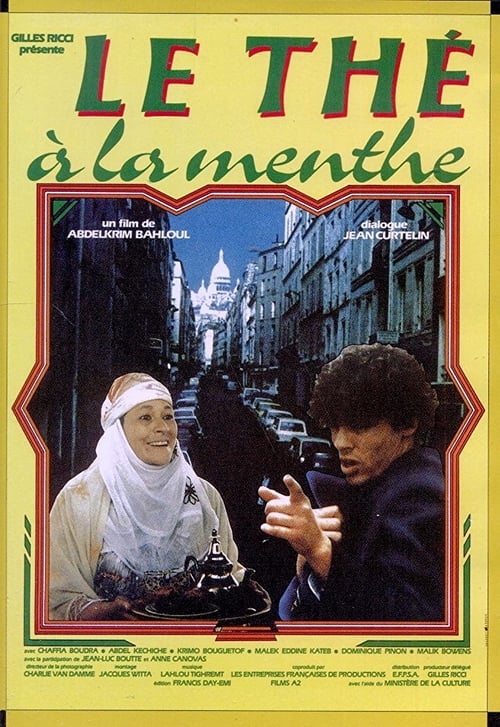
A young Algerian in Paris has not been as successful as he claims in letters home, and when his mother unexpectedly arrives for a visit of several months, he is hard put to hide his circumstances -- and the fact that he has resorted to small-time criminal activity to support himself. His mother disembarks in her traditional attire, a warm-hearted woman who does not have a clue as to how this foreign society functions but also has absolutely no inhibitions about finding out, if the need arises. As the story progresses, the mother catches on to her son's circumstances though the two are still not able to confront the deception and right it. Even with a low budget, this first-time feature-length story by Bahloul Bahloul combines satire, comedy, and pathos to bring home a relationship between mother and son that transcends life's many obstacles.