Silvia Monfort
Acting
Biography
Silvia Monfort (born Silvia Favre-Bertin; 6 June 1923, Paris–30 March 1991, Paris) was a French actress and theatre director. Daughter of the sculptor Charles Favre-Bertin and wife of Pierre Gruneberg. She was named Knight of the Legion of Honor in 1973, Officer of Arts and Letters in 1979 and then Commander of Arts and Letters in 1983. She is buried in the Père Lachaise cemetery. Description above from the Wikipedia article Silvia Monfort, licensed under CC-BY-SA,full list of contributors on Wikipedia.
Known For

Midi Première is a French variety show presented by Danièle Gilbert, directed by Jacques Pierre and broadcast from January 6, 1975 until January 1, 1982 on TF1. The program was generally broadcast between 12:15 p.m. and 12:55 p.m., then giving way to the 1:00 p.m. TV news. However, the broadcast schedule could change, depending on the guests, and the setting where the recording of the program was shot. Certain performances by artists who have become cult like the one where Ringo jostles with a demonstrator in interpretation (1977), that of Dalida with the title There is always a song with the soundtrack that does not start, twice, at the right speed (1978), Claude François and his Clodettes, who, in the provinces, are unable to join "the set" in order to interpret his song, the latter being taken by the crowd of delirious fans (summer 1977) . The group Supertramp performed there with the title "Dreamer" on March 8, 1975.
Midi Première

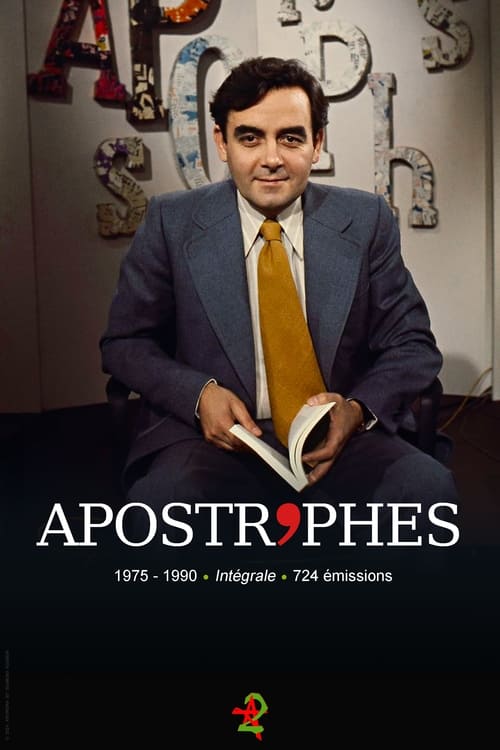
Apostrophes was a live, weekly, literary, prime-time, talk show on French television created and hosted by Bernard Pivot. It ran for fifteen years (724 episodes) from January 10, 1975, to June 22, 1990, and was one of the most watched shows on French television (around 6 million regular viewers). It was broadcast on Friday nights on the channel France 2 (which was called "Antenne 2" from 1975 to 1992). The hourlong show was devoted to books, authors and literature. The format varied between one-on-one interviews with a single author and open discussions between four or five authors.
Apostrophes

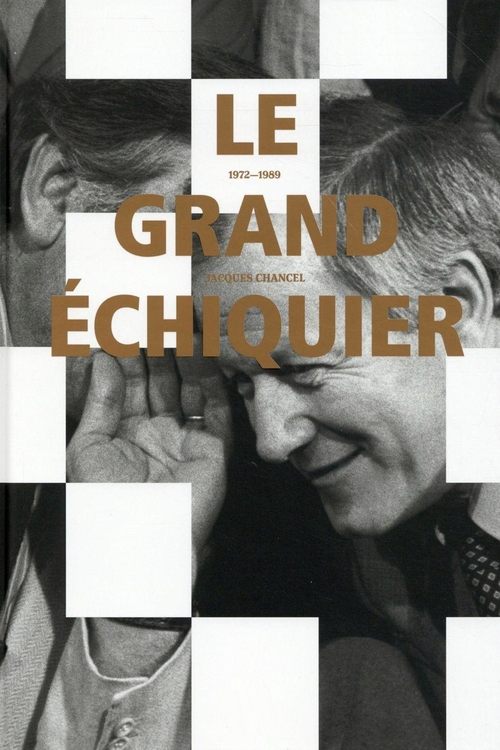
Le Grand Échiquier is a French variety television program created and presented by Jacques Chancel. It aired at 8:30 pm on the first channel of the ORTF from January 12, 1972 to July 12, 1972, then on the second color channel of the ORTF from September 1972 to December 1974, and finally on Antenne 2 from January 1975 to December 21, 1989. The program returned to France 2 on December 20, 2018 and is hosted by Anne-Sophie Lapix.
Le Grand Échiquier
No description available.
Midi trente

No description available.
Discorama

Les Cinq Dernieres Minutes is a crime based French television series
Les Cinq Dernières Minutes

No description available.
À bout portant

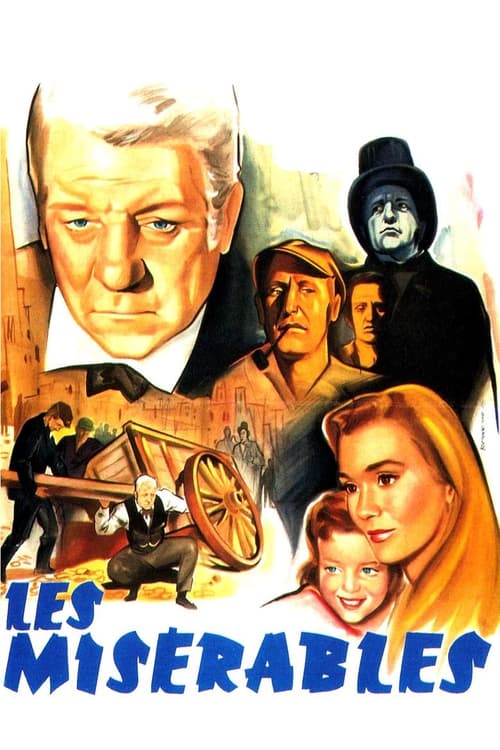
In 19th century France, Jean Valjean, a man imprisoned for stealing bread, must flee a relentless policeman named Javert. The pursuit consumes both men's lives, and soon Valjean finds himself in the midst of the student revolutions in France.
Les Misérables

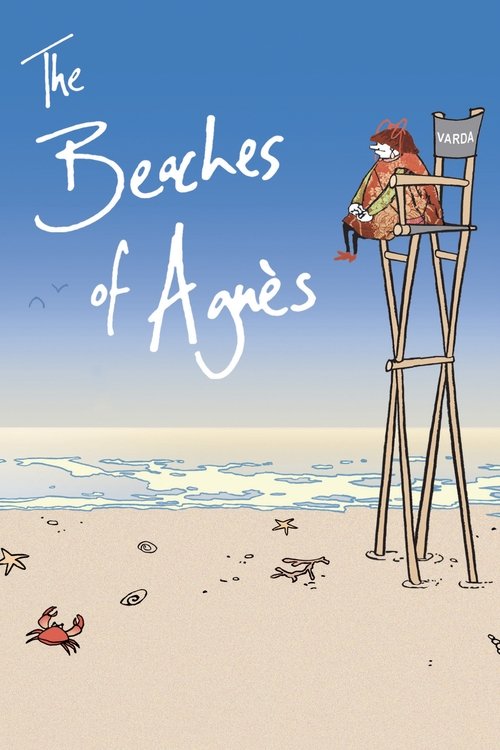
Filmmaking icon Agnès Varda, the award-winning director regarded by many as the grandmother of the French new wave, turns the camera on herself with this unique autobiographical documentary. Composed of film excerpts and elaborate dramatic re-creations, Varda's self-portrait recounts the highs and lows of her professional career, the many friendships that affected her life and her longtime marriage to cinematic giant Jacques Demy.
The Beaches of Agnès

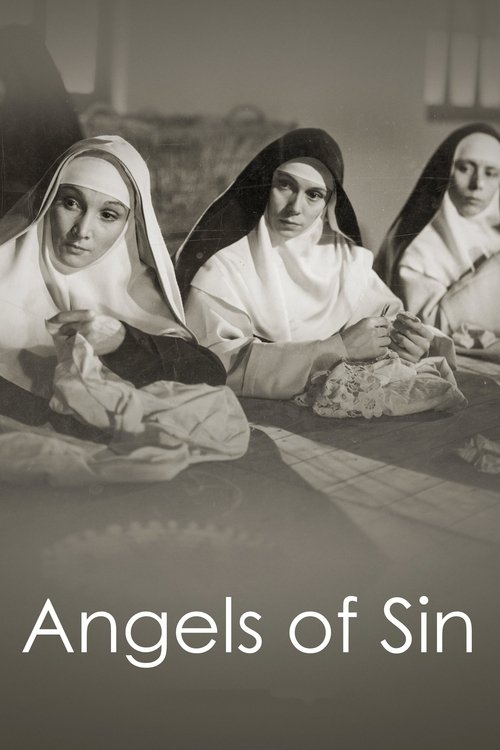
A well-off young woman decides to become a nun, joining a convent that rehabilitates female prisoners. Through their program, she meets a woman named Thérèse who refuses any help because she says she was innocent of the crime she was convicted for. After being released from prison, Thérèse murders the actual perpetrator of the crime and comes to seek sanctuary in the convent.
Angels of Sin

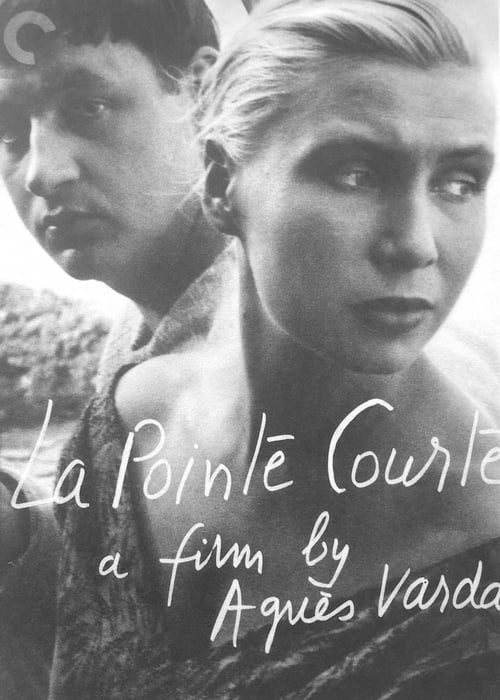
A penetrating study of a marriage on the rocks, set against the backdrop of a small Mediterranean fishing village. Both a stylized depiction of the complicated relationship between a married couple and a documentary-like look at the daily struggles of the inhabitants of Sète in the South of France.
La Pointe Courte

It was the reign of Louis XV and, in 1750, France was at war all the time, and the people, suffocated by taxes, liked their beloved Louis less and less. When the governor of Dauphiné arrived in Saint-Étienne-de-Saint-Geoirs, he had to deal with opponents of the regime who had gathered around cooper Louis Mandrin. Mandrin becomes the vigilante who respects his king, but does not tolerate the oppression of the poor through taxation.
Mandrin

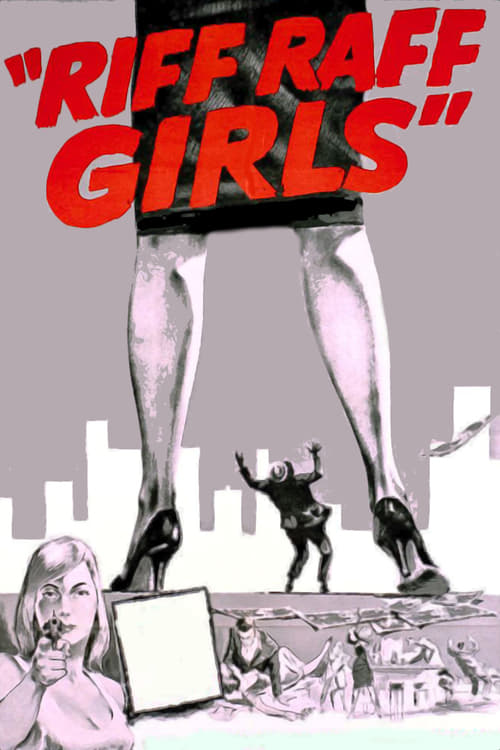
Vicky de Berlin, a female gangster, haunted by wartime memories , runs a floating night-club in Brussel. Marcel, her partner and lover, is in charge of the banknotes forgery manufacture concealed in the bottom of the boat. He decides to rob the Bank of Belgium and exchange a huge sum of counterfeit money for its equivalent in genuine one. But things get complicated when Yoko, the she leader of another gang and her lover The Bug interfere...
Riff Raff Girls

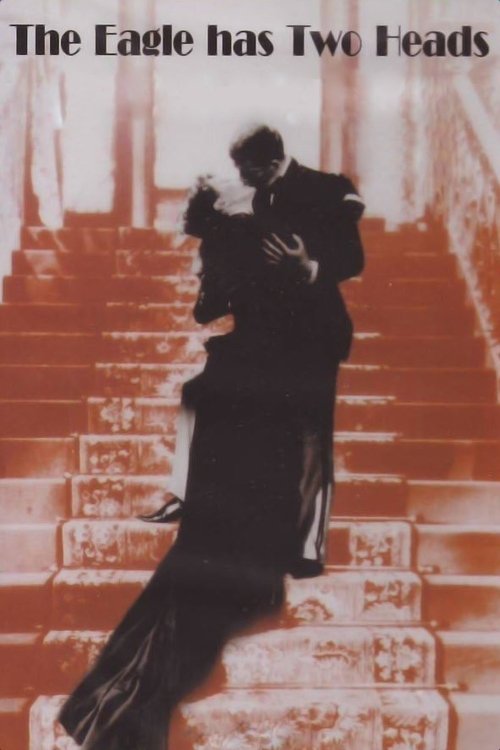
Political intrigue and psychological drama run parallel. The queen is in seclusion, veiling her face for the ten years since her husband's assassination, longing to join him in death. Stanislas, a poet whose pen name is Azrael, is a suicidal anarchist, his imagination haunted into hate by longing for this queen who's drawn apart. He enters her private quarters intent on killing her then himself, but they fall in love, in part because he looks like the king. Stanislas wants her to regain political power by appearing to the public, and she tries to convince him to find hope and escape. All the while, the queen's enemies plot to keep the lovers together but to thwart their plans.
The Eagle with Two Heads

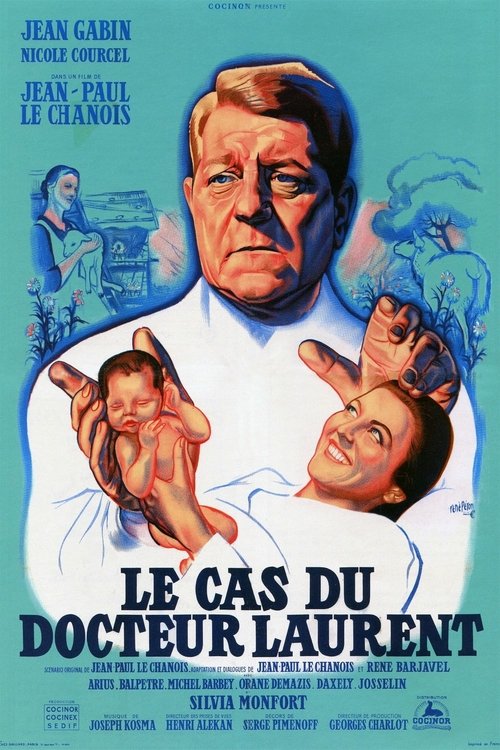
A Paris-based doctor tries to spread the gospel of Natural Childbirth. Working in a cloistered rural community, Gabin runs up against the stone walls of fear and prejudice. His theories are proven sound when unwed mother Nicole Courcel gives birth within Gabin's methodology. The childbirth sequence is filmed straight-on with a delicate combination of taste and frankness. Nonetheless, the lurid ad campaign of Cas Du Dr. Laurent sensationalized this sequence all out of proportion.
The Case of Dr. Laurent

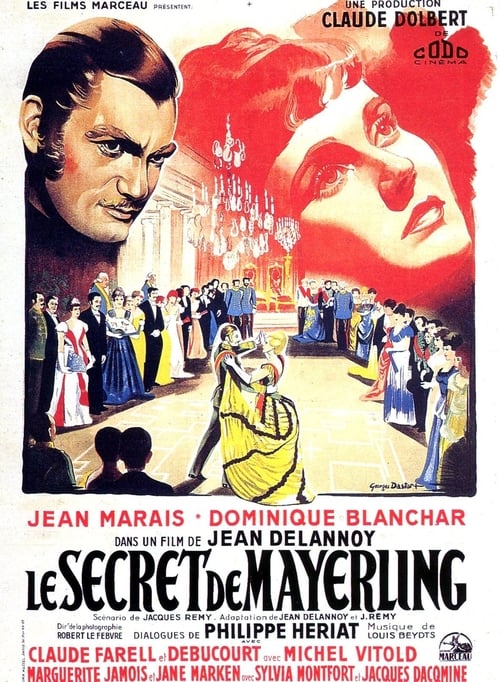
On the morning of January 30, 1889, the Archduke Rodolphe de Habsbourg and his mistress Marie Vetsera were found dead. The remains of Rodolphe are discreetly repatriated to Hofburg, while that of Mary is hastily thrown into the depths of a tomb.
The Secret of Mayerling

The T.N.P., the Théâtre National Populaire, an important experimental theater directed by Jean Vilar. Franju combines sequences from theatrical performances with documentary images, creating links and confrontations between theater and the real world.
Le Théâtre National Populaire

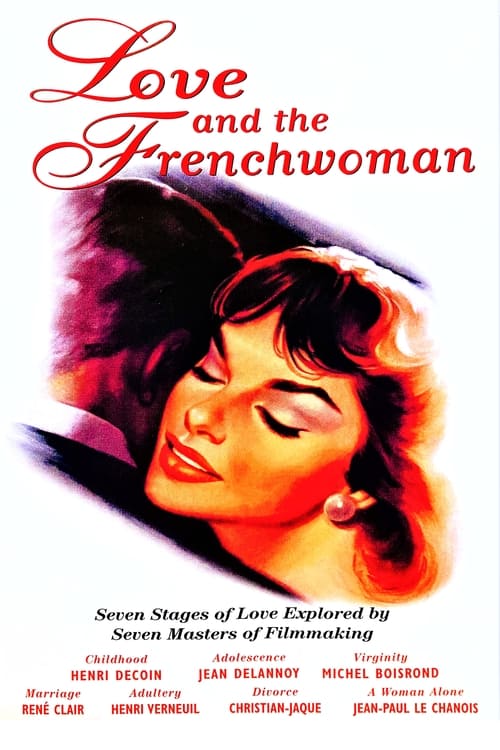
The seven stages in the life of the modern Frenchwomen are disclosed by seven directors in a witty way: 1 - Childhood, 2 - Adolescence, 3 - Virginity, 4 - Marriage, 5 - Adultery, 6 - Divorce, 7 - The Single Woman.
Love and the Frenchwoman

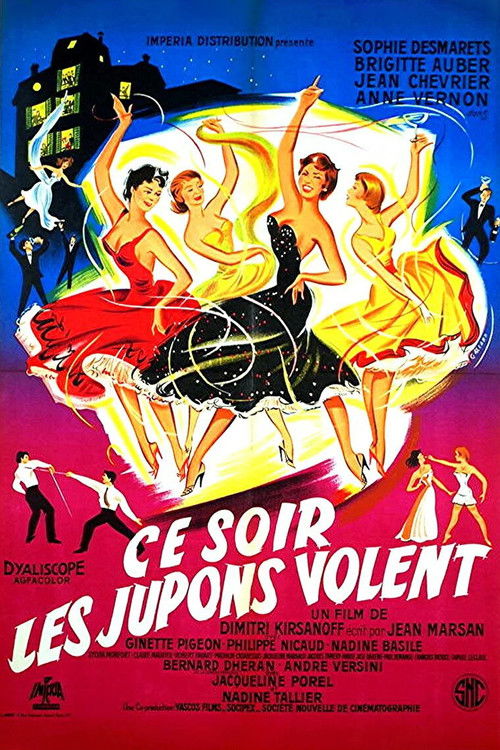
At Christmastime, the love affairs of five clothing models working for Pierre Roussel, a renowned Paris fashion designer. Marlène hesitates between two suitors. Blanche, who loves Jean, Roussel's son, wants him to talk to his father about their relationship. Catherine learns that her lover has a wife and two kids. Jeannette throws herself into the arms of an Oriental prince. In despair the fifth one attempts to commit suicide...
Tonight the Skirts Fly

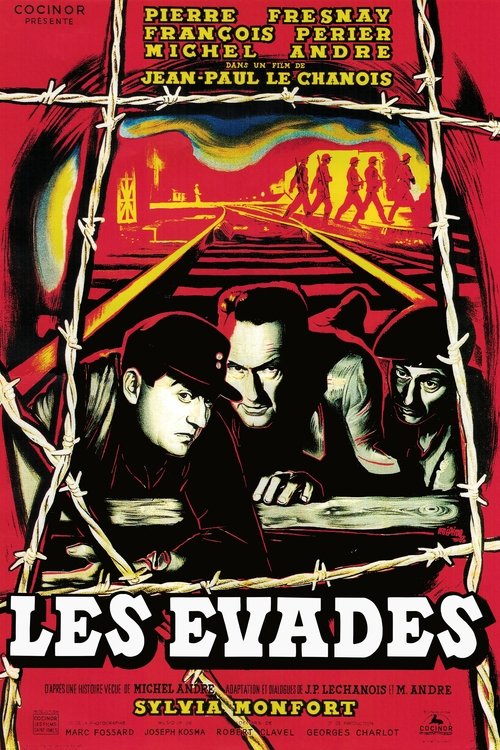
During the Second World War, in 1943, two French prisoners, François and Michel, escape from Stalag B377 in northern Germany near the Baltic Sea. They meet another escaped compatriot, Pierre, who has donned the uniform of a German officer and joins them. Their goal: to reach neutral Sweden. To get there, they'll have to walk part of the way, then take a train to the coast and, from there, find a way to cross the sea to the shores of Sweden.