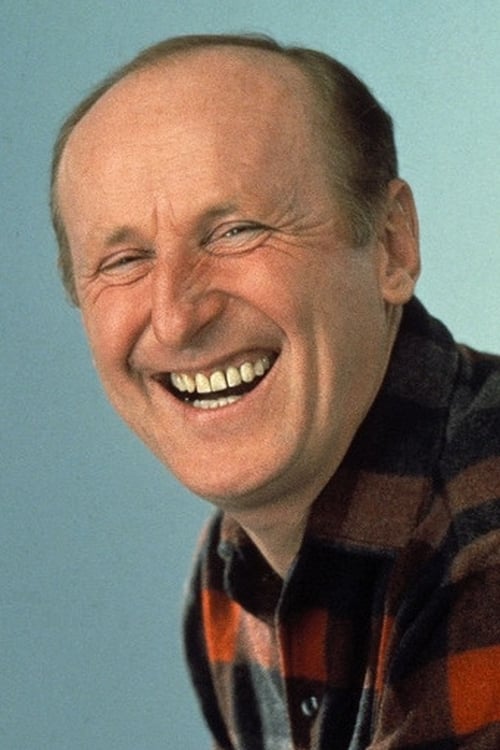
Bourvil
Acting
Biography
André Robert Raimbourg (27 July 1917 – 23 September 1970), better known as André Bourvil, and mononymously as Bourvil, was a French actor and singer best known for his roles in comedy films, most notably in his collaboration with Louis de Funès in the films Le Corniaud (1965) and La Grande Vadrouille (1966). For his performance in Le Corniaud, he won a Special Diploma at the 4th Moscow International Film Festival. Bourvil's father was killed in the First World War before he was born. As a result, he spent his entire childhood in the village of Bourville, from which he took his stage name. He married Jeanne Lefrique on 23 January 1943. After a battle with Kahler's syndrome, which attacks the bone marrow, he died at the age of 53. He is buried in Montainville, Yvelines. In his comic performances Bourvil principally played roles of gentle and well-meaning characters who were often a bit obtuse or naïve, such as his roles opposite the hyperactive, dishonest and bossy ones played by Louis de Funès. Bourvil's characters not only managed to make viewers laugh, but also to save themselves, often unwittingly, from the Machiavellian designs of his adversaries. Bourvil was, however, also capable of more dramatic roles such as the handyman in L'Arbre de Noël (1969). In this role he observes the relationship between a man he works for and the young son who has fallen ill. The audience can identify with the character played by Bourvil, just as they can in his comic roles, so often as a simple man. One can also note his role of Monsieur Thénardier in the film adaptation of Les Misérables (1958), and his penultimate role as the policeman Mattei in Jean-Pierre Melville's Le Cercle rouge (1970). In March 1948, Bourvil took part in the complete recording of Offenbach's The Tales of Hoffmann with artists of the Paris Opéra-Comique conducted by André Cluytens, playing the four 'servant' roles. Description above from the Wikipedia article Bourvil, licensed under CC-BY-SA, full list of contributors on Wikipedia.

Known For

No description available.
Champs-Elysées

Marcello Mastroianni, Isabelle Adjani, Alain Delon, Martin Scorsese, Woody Allen... the biggest stars in cinema were welcomed by Christian Defaye on his show Spécial cinéma. Between intimate confessions from actors and immersion in the world of the greatest filmmakers, Christian Defaye took viewers on a journey into the fascinating world of cinema for nearly thirty years.
Spécial cinéma
No description available.
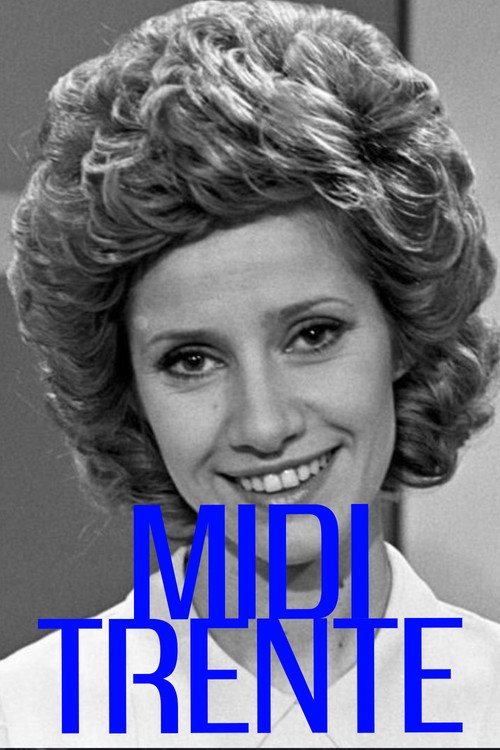
Midi trente

No description available.
Cinépanorama

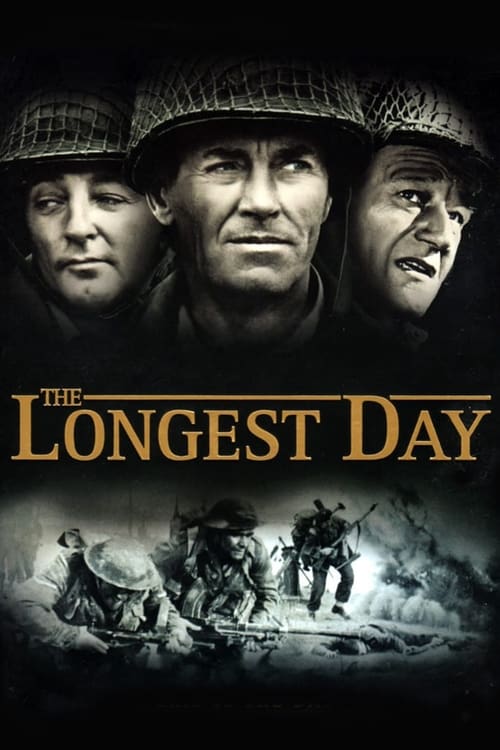
The retelling of June 6, 1944, from the perspectives of the Germans, US, British, Canadians, and the Free French. Marshall Erwin Rommel, touring the defenses being established as part of the Reich's Atlantic Wall, notes to his officers that when the Allied invasion comes they must be stopped on the beach. "For the Allies as well as the Germans, it will be the longest day"
The Longest Day

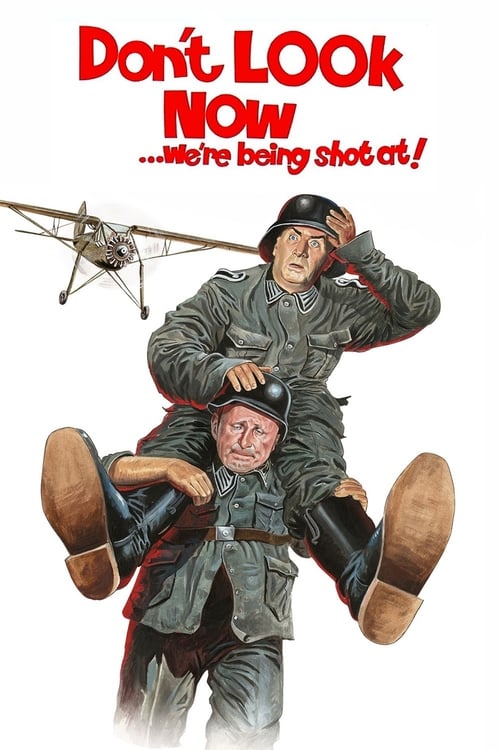
During World War II, two French civilians and a downed British Bomber Crew set out from Paris to cross the demarcation line between Nazi-occupied Northern France and the South. From there they will be able to escape to England. First, they must avoid German troops – and the consequences of their own blunders.
Don't Look Now... We're Being Shot At!

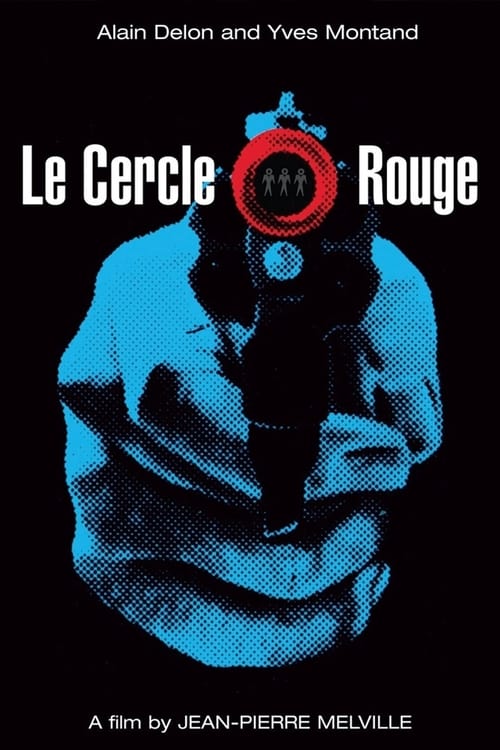
When French criminal Corey gets released from prison, he resolves to never return. He is quickly pulled back into the underworld, however, after a chance encounter with escaped murderer Vogel. Along with former policeman and current alcoholic Jansen, they plot an intricate jewel heist. All the while, quirky Police Commissioner Mattei, who was the one to lose custody of Vogel, is determined to find him.
Le Cercle Rouge

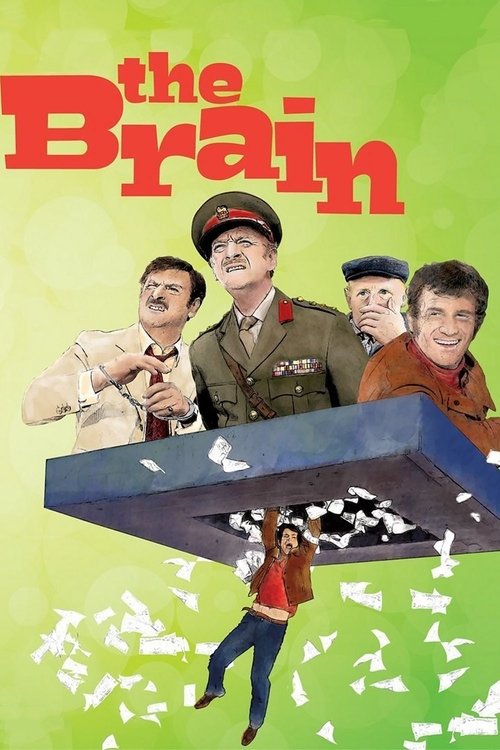
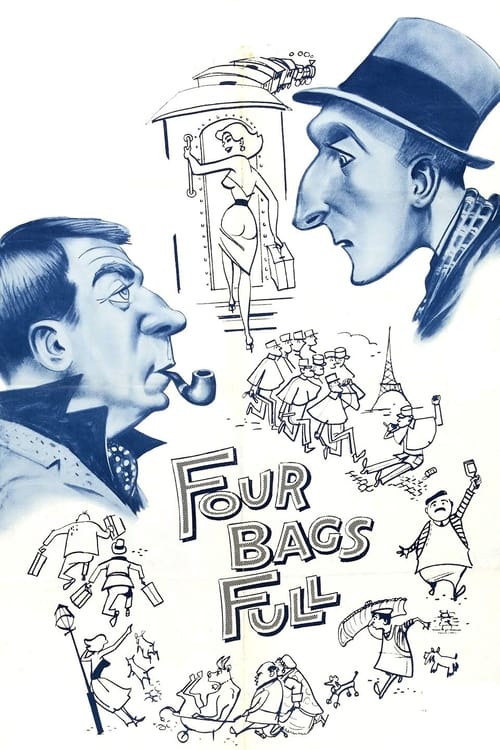
Arthur and Anatole are two little robbers. They want to rob money, money that will travel in a special train from Paris to Bruxelles. They don't know that other people have planned to do the same thing.
The Brain

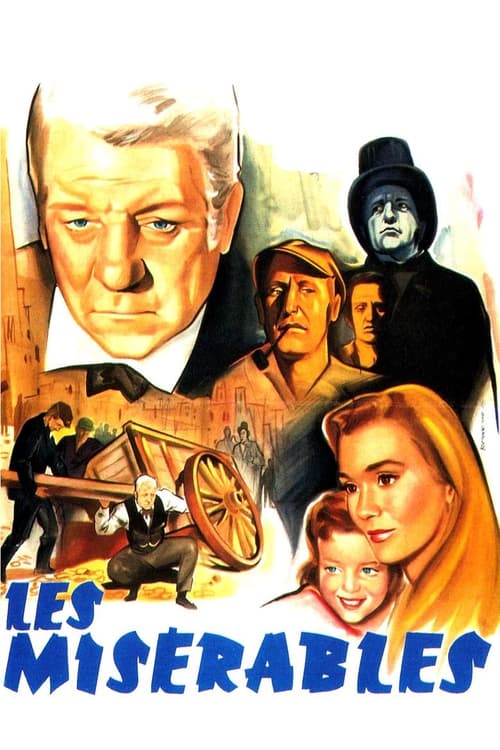
In 19th century France, Jean Valjean, a man imprisoned for stealing bread, must flee a relentless policeman named Javert. The pursuit consumes both men's lives, and soon Valjean finds himself in the midst of the student revolutions in France.
Les Misérables

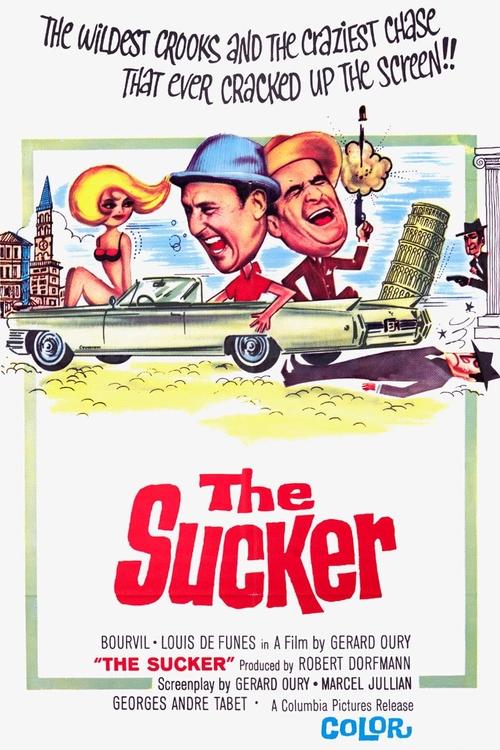
In this Franco-Italian gangster parody, a shopkeeper on his way to an Italian holiday suffers a crash that totals his car. The culprit can only compensate his ruined trip by driving an American friend's car from Naples to Bordeaux, but as it happens to be filled with such contraband as stolen money, jewelry and drugs, the involuntary and unwitting companions in crime soon attract all but recreational attention from the "milieu".
The Sucker

Duke Philippe de Nevers is an influential and popular man who is married to a beautiful wife called Aurore. His rival Philippe de Gonzague hates him enough to organise an attempt on him. The Duke is accompagnied by Henri de Lagardère when de Gonzague's henchmen altogether attack him. Lagardère cannot save his friend because the both of them are hopelessly outnumbered. He has to escape in order to save the Duke's daughter and swears revenge. Together with his old buddy Passepoil he raises the little girl in Spain. At the same time he returns frequently to France where he detects confronts his friend's murderers and puts them to the sword one by one until only their former leader is left. Finally he discovers that Philippe de Gonzague is the man for whom he is looking.
The Hunchback of Paris

The umpteenth adaptation of Dumas' novel finds d'Artagnan and his friends promoting the love affairs of Anne of Austria and the Duke of Buckingham, incurring the wrath of the Cardinal and exposing themselves to the cold cruelty of Milady de Winter. Also featured are the tender Mme Bonacieux, the hilarious Planchet, the Queen's ferrets and Bethune's executioner, against a backdrop of clanging swords.
The Three Musketeers

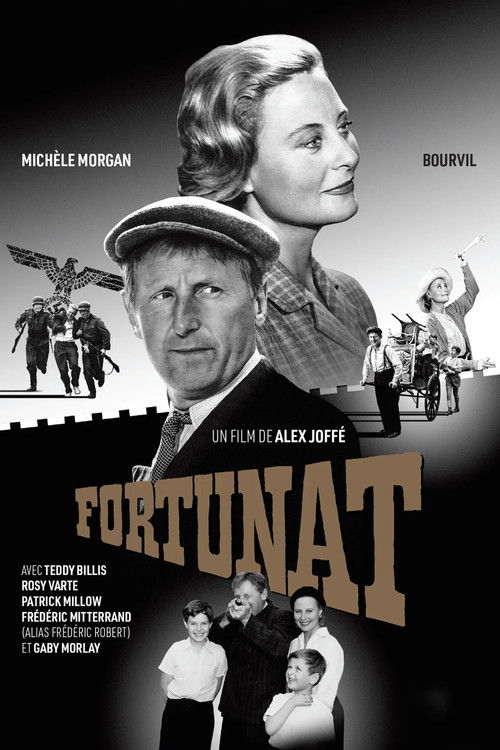
1944. Léon Duchemin owns a restaurant with his sister. His clients are Germans, Résistance et black marketeers. Léon unwillingly joins the Résistance when a British pilot is shot down and hides in his attic and, through a series of mishaps, he accidentally steals the plans for Hitler's V1 missiles.
Atlantic Wall

A green mare makes the fortune of her owner, the horse dealer Haudouin. Shortly after his death, war broke out in 1870. One day, his neighbor Zèphe Maloret denounces Honoré, Haudouin's son, a maverick, to the Prussians. Following this denunciation, their non-commissioned officer enters the Haudouin home and rapes the mother while Honoré is hidden under the bed. The resentment already existing between the Haudouin and Maloret families turns to hatred... A letter recalling the events is lost, which doesn't help matters.
The Green Mare

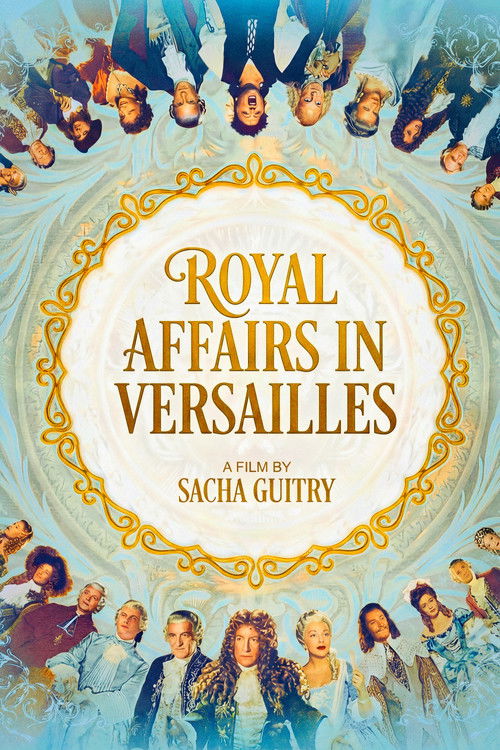
Witty narration follows the history of Versailles Palace; founded by Louis XIII, enlarged by autocratic Louis XIV, whose personal affairs and amours, and those of his two successors, are followed in more detail to the start of the Revolution, after which the story is brought rapidly up to date. A huge cast plays mainly historical persons who appear briefly.
Royal Affairs in Versailles

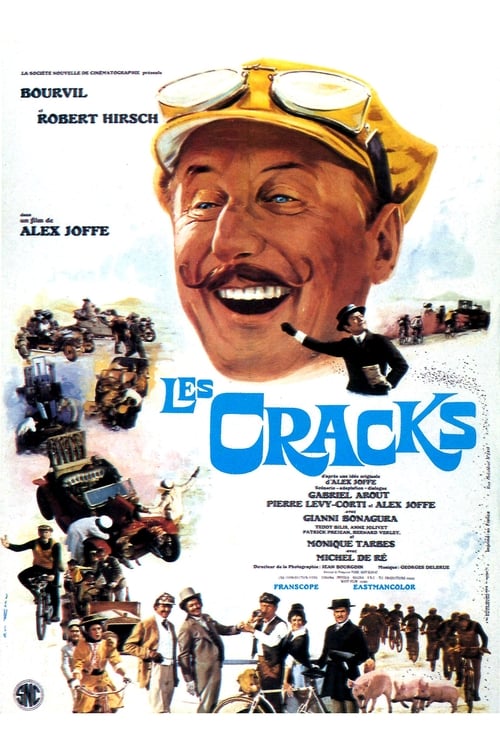
Sequel to "Those Magnificent Men In Their Flying Machines". This time an international car rally from England to Monte Carlo provides the comedic farce.
Monte Carlo or Bust!

Hector Valentin returns to France from Canada when he inherits a small sawmill. He has difficulties restarting the run-down operation which has inefficient workers and is hampered by the dirty tactics of its bigger...
The Wise Guys

A French-American millionaire, his girlfriend and his war buddy try to grant his dying son's every wish.
The Christmas Tree

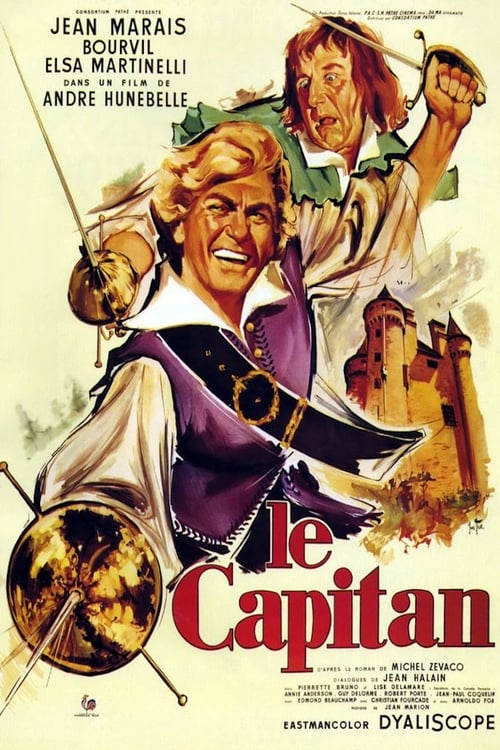
Le capitan is a 1960 French-Italian swashbuckler film directed by André Hunebelle and starring Jean Marais, Bourvil, Elsa Martinelli and Lise Delamare. It is based on a novel by Michel Zévaco.
Captain Blood

Antoine Rossi, a recidivist prisoner of war in Germany, manages to escape with the cowardly Fendard. Fendard does everything in his power to help him even though he is wounded, but Antoine tries to get rid of him as he boards the train to freedom.