Victor Hugo
Writing
Biography
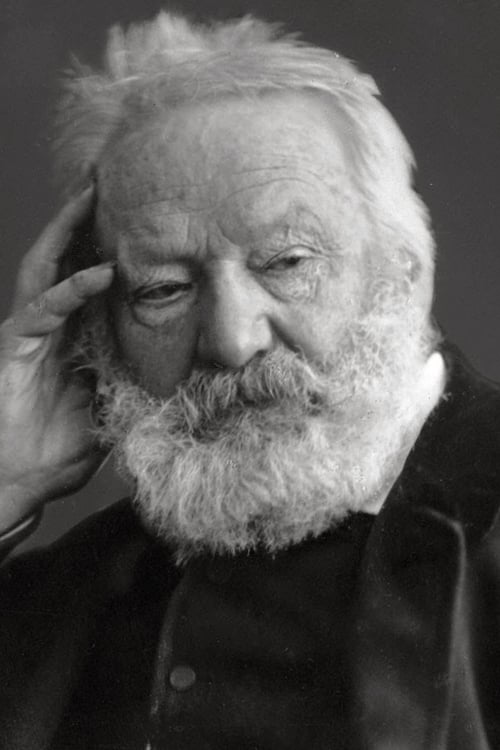
Victor-Marie Hugo, vicomte Hugo (26 February 1802 – 22 May 1885) was a French Romantic author, poet, essayist, playwright, journalist, human rights activist and politician. His most famous works are the novels The Hunchback of Notre-Dame (1831) and Les Misérables (1862). In France, Hugo is renowned for his poetry collections, such as Les Contemplations and La Légende des siècles (The Legend of the Ages). Hugo was at the forefront of the Romantic literary movement with his play Cromwell and drama Hernani. His works have inspired music, both during his lifetime and after his death, including the opera Rigoletto and the musicals Les Misérables and Notre-Dame de Paris. He produced more than 4,000 drawings in his lifetime, and campaigned for social causes such as the abolition of capital punishment and slavery. Although he was a committed royalist when young, Hugo's views changed as the decades passed, and he became a passionate supporter of republicanism, serving in politics as both deputy and senator. His work touched upon most of the political and social issues and the artistic trends of his time. His opposition to absolutism, and his literary stature, established him as a national hero. Hugo died on 22 May 1885, aged 83. He was given a state funeral in the Panthéon of Paris, which was attended by over two million people, the largest in French history. ... Description above from the Wikipedia article Victor Hugo, licensed under CC-BY-SA, full list of contributors on Wikipedia.

Known For

Isolated bell-ringer Quasimodo wishes to leave Notre Dame tower against the wishes of Judge Claude Frollo, his stern guardian and Paris' strait-laced Minister of Justice. His first venture to the outside world finds him Esmeralda, a kind-hearted and fearless Romani woman who openly stands up to Frollo's tyranny.
The Hunchback of Notre Dame

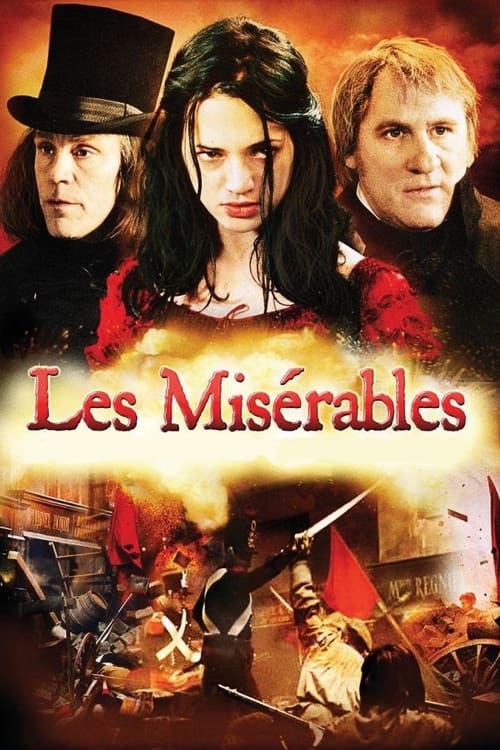
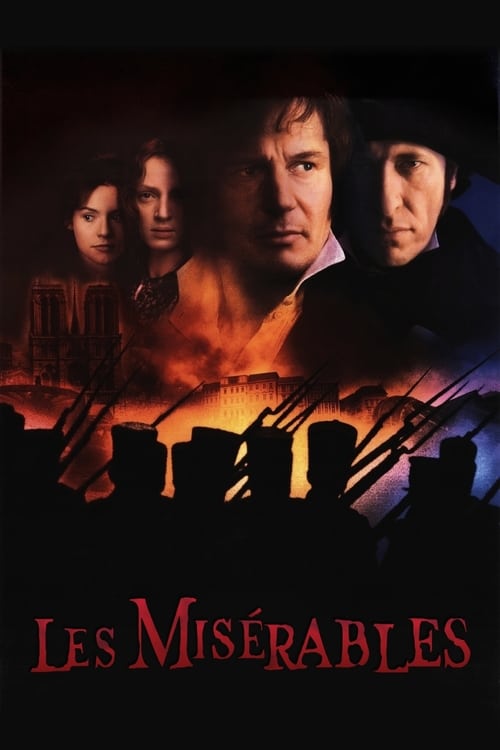
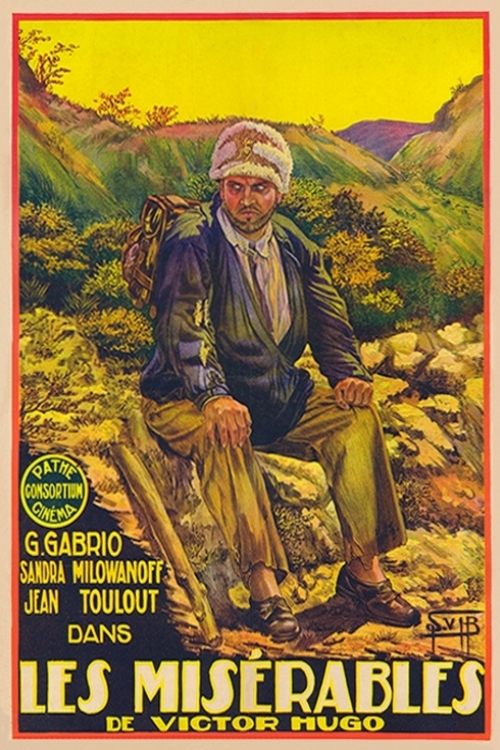
France, 1815. Jean Valjean, a common thief, is released from prison after having lived a hell in life for 19 years, but a small mistake puts the law again on his trail. Ruthless Inspector Javert pursues him thorough years, driven by a twisted sense of justice, while Valjean reforms himself, thrives and dedicates his life to good deeds. In 1832, while the revolution ravages the streets of Paris, Valjean and Javert cross their paths for the last time.
Les Misérables

An adaptation of the successful stage musical based on Victor Hugo's classic novel set in 19th-century France. Jean Valjean, a man imprisoned for stealing bread, must flee a relentless policeman named Javert. The pursuit consumes both men's lives, and soon Valjean finds himself in the midst of the student revolutions in France.
Les Misérables

No description available.
Alta comedia

In 19th century France, Jean Valjean, a man imprisoned for stealing bread, must flee a relentless policeman named Javert. The pursuit consumes both men's lives, and soon Valjean finds himself in the midst of the student revolutions in France.
Les Misérables

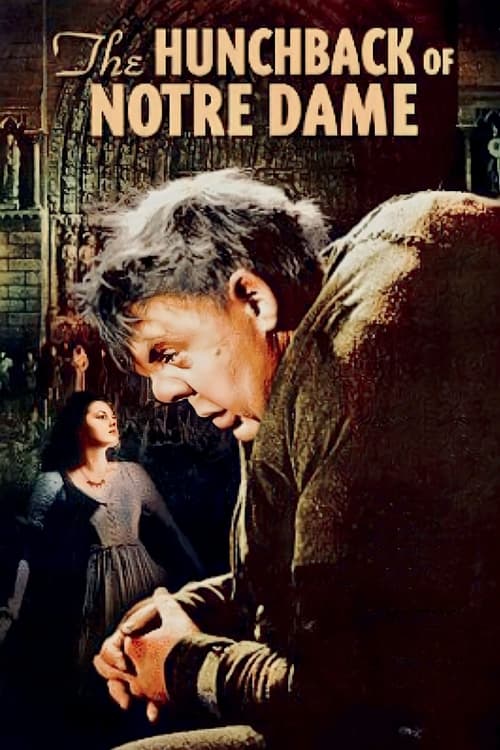
Paris, France, 1482. Frollo, Chief Justice of benevolent King Louis XI, gets infatuated by the beauty of Esmeralda, a young Romani girl. The hunchback Quasimodo, Frollo's protege and bell-ringer of Notre Dame, lives in peace among the bells in the heights of the immense cathedral until he is involved by the twisted magistrate in his malicious plans to free himself from Esmeralda's alleged spell, which he believes to be the devil's work.
The Hunchback of Notre Dame

Being a single mother is hard in early 19th Century France. When young Cosette was traveling with her mother trying to find a job and a place to live, they were always shunned away because very few employers hire single mothers. When she is promised with the prosperity of working in the big city, Cosette is separated from her mother in the hopes a caretaker will watch over her while her mother earns some money.
Les Misérables: Little Girl Cosette

Set against the background of the French Revolution and based on Victor Hugo's classic novel this is the story of Jean Valjean who is sent to prison for stealing a loaf of bread and is released after nineteen years. He meets and cares for a beautiful but poverty-stricken young girl named Fantine who has daughter Cosette. After Fantine's death Valjean brings Cosette up but he is haunted by Javert - a policeman whose search for Valjean has become an obsession.
Les Misérables

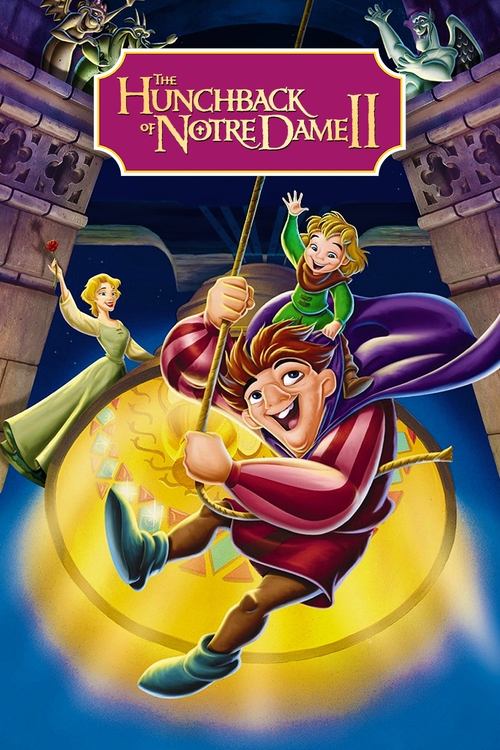
Now that Frollo is gone, Quasimodo rings the bell with the help of his new friend and Esmeralda's and Phoebus' little son, Zephyr. But when Quasi stops by a traveling circus owned by evil magician Sarousch, he falls for Madellaine, Sarouch's assistant.
The Hunchback of Notre Dame II

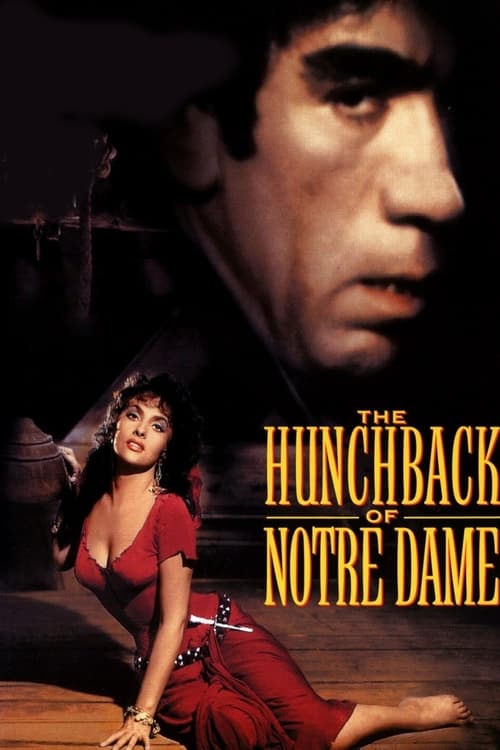
Paris, 1482. Today is the festival of the fools, taking place like each year in the square outside Cathedral Notre Dame. Among jugglers and other entertainers, Esmeralda, a sensuous gypsy, performs a bewitching dance in front of delighted spectators. From up in a tower of the cathedral, Frollo, an alchemist, gazes at her lustfully. Later in the night, Frollo orders Quasimodo, the deformed bell ringer and his faithful servant, to kidnap Esmeralda. But when the ugly freak comes close to her is touched by the young woman's beauty...
The Hunchback of Notre Dame

Jean Valjean is released from prison after nineteen years of hard labor, violence, and suffering. Filled with anger and a deep sense of injustice, he has become a dangerous man who trusts no one and nothing. When he arrives in a small village in Provence, he is repeatedly turned away. Desperate, he unknowingly finds refuge at the house of Bishop Bienvenu, who lives simply, with his sister and a single servant. There, he is surprised by their warm welcome, and his inner demons start to waver. But the temptation to be what society sees in him still haunts him, and he steals the Bishop’s silverware. When the police ultimately catches him, the Bishop forgives him and gifts him the candlesticks. This acts becomes the starting point of Jean Valjean’ transformation into a new man who reclaims his humanity.
Jean Valjean

Based on Victor Hugo's famed novel, the story of Quasimodo, the deformed bell ringer of Notre Dame, and his unrequited love for the gypsy girl, Esmeralda.
The Hunchback

In 19th century France, Jean Valjean, a man imprisoned for stealing bread, must flee a relentless policeman named Javert. The pursuit consumes both men's lives, and soon Valjean finds himself in the midst of the student revolutions in France.
Les Misérables

Gavroche learns that his father, who was exiled to hard labor, dies. Hatred of the tyrant-king leads the boy to the barricades of Montmartre.
Gavroche

In 19th century France, Jean Valjean, a man imprisoned for stealing bread, must flee a relentless policeman named Javert. The pursuit consumes both men's lives, and soon Valjean finds himself in the midst of the student revolutions in France.
Les Misérables

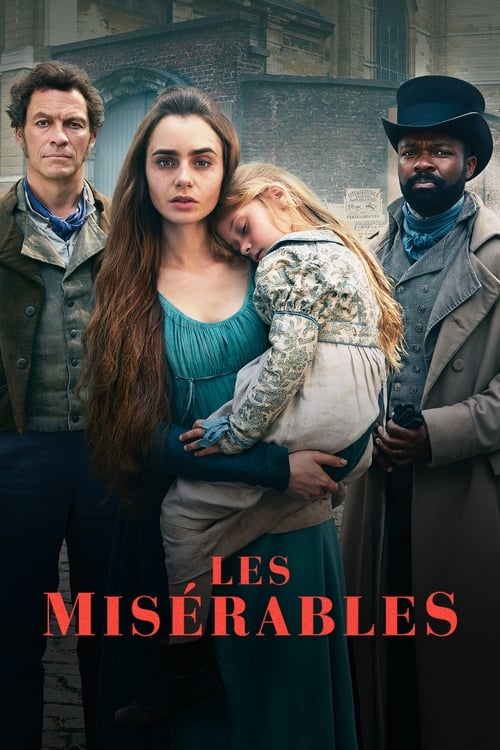
After enduring 19 years in prison for stealing a loaf of bread, Jean Valjean emerges a hardened man. He seeks redemption by reinventing himself as a respected dignitary under a new identity. He promises Fantine, a dying factory worker, to rescue and protect her daughter Cosette, who is being exploited and mistreated by the deceitful Thénardier family. As Valjean raises Cosette as his own, he is relentlessly pursued by Inspector Javert. Admist the social unrest shaking France, the fates of Valjean, Cosette, her lover Marius, and Javert become intertwined in a turbulent, revolutionary Paris. Through struggles, sacrifices, and a deep yearning for justice, Valjean strives to complete his journey of redemption and offer Cosette a future of love and freedom.
Les Misérables

In 19th century France, Jean Valjean, a man imprisoned for stealing bread, must flee a relentless policeman named Javert. The pursuit consumes both men's lives, and soon Valjean finds himself in the midst of the student revolutions in France.
Les Misérables

In 19th century France, Jean Valjean, a man imprisoned for stealing bread, must flee a relentless policeman named Javert. The pursuit consumes both men's lives, and soon Valjean finds himself in the midst of the student revolutions in France.
Les Miserables

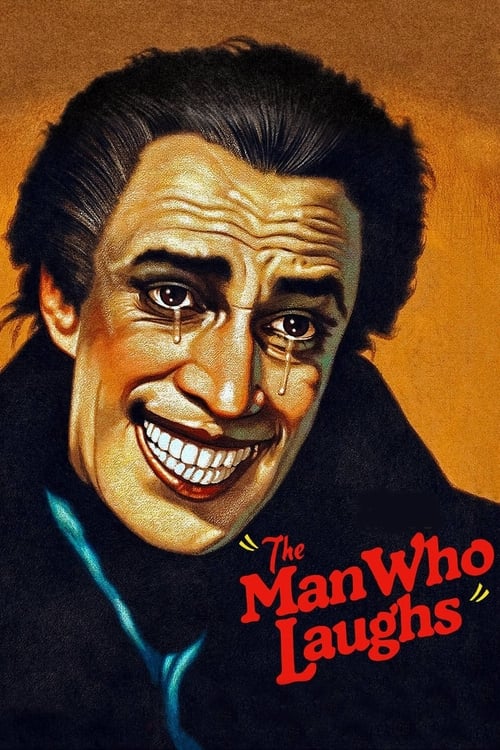
When a proud noble refuses to kiss the hand of the despotic King James in 1690, he is cruelly executed and his son surgically disfigured.
The Man Who Laughs

This concert, recorded to celebrate the 25th anniversary of the landmark musical Les Miserables, gathers the casts of the show's 2010 original production at the Queen's Theatre, the 1985 original production by the London company, and the 2010 production at the Barbican together for one performance. Together with talents like Michael Ball, Hadley Fraser, and John Owen-Jones, the performers present the play's musical numbers in a semi-theatrical style, fully costumed and with all the emotion of the musical's heyday.