Acting
A police department, lead by an older, experienced detective solve crimes together.
Derrick was a German TV series produced by Telenova Film und Fernsehproduktion in association with ZDF, ORF and SRG between 1974 and 1998 about Detective Chief Inspector Stephan Derrick and his loyal assistant Inspector Harry Klein, who solve murder cases in Munich and surroundings.
Der Kommissar is a German television series about a group of detectives of the Munich homicide squad. All 97 episodes, which were shot in black-and-white and first broadcast between 1969 and 1976, were written by Herbert Reinecker and starred Erik Ode as Kommissar Herbert Keller. Keller's assistants were Walter Grabert, Robert Heines, and Harry Klein who, in 1974, was replaced by his younger brother Erwin Klein.
No description available.
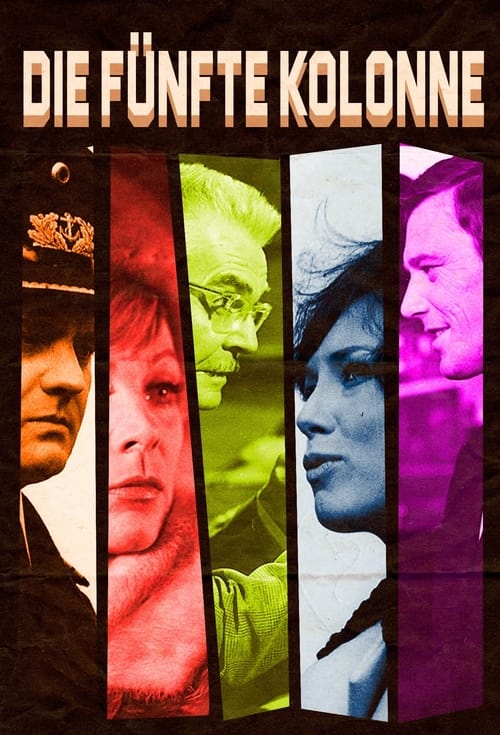
Die fünfte Kolonne is a German television series.
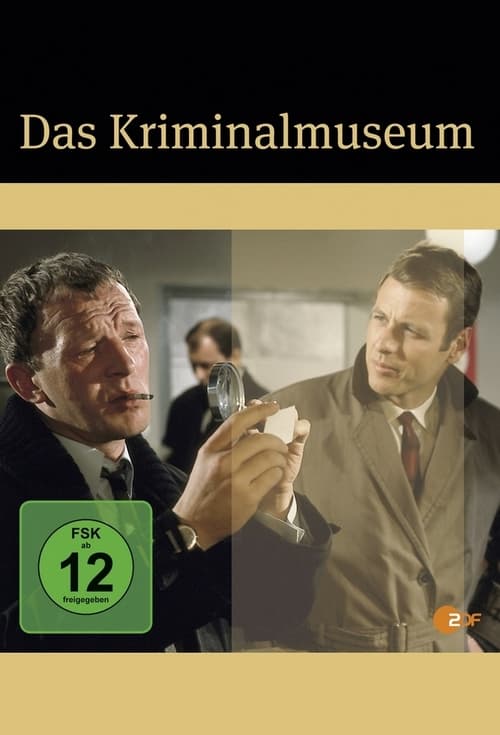
Das Kriminalmuseum was a German television series. It ran from 1963 to 1970 on ZDF and was one of its first programs. Each episode began with a tracking shot through an unspecified crime museum, stopping at one of the displays, whose story was then told. Each episode was between 60 and 75 minutes long and featured different actors as the criminal commissioner. The best known was Erik Ode, who in 1969 moved to Der Kommissar, appearing in 97 episodes. The theme music of the series was written by German composer Martin Böttcher, who also composed the complete scores for five episodes.
Dem Täter auf der Spur is a German television series.
A story about the life of Maximiliane Irene von Quindt based on a classic novel by Christine Bruckner .
A group of German boys are ordered to protect a small bridge in their home village during the waning months of the second world war. Truckloads of defeated, cynical Wehrmacht soldiers flee the approaching American troops, but the boys, full of enthusiasm for the "blood and honor" Nazi ideology, stay to defend the useless bridge. The film is based on a West German anti-war novel of the same name, written by Gregor Dorfmeister.
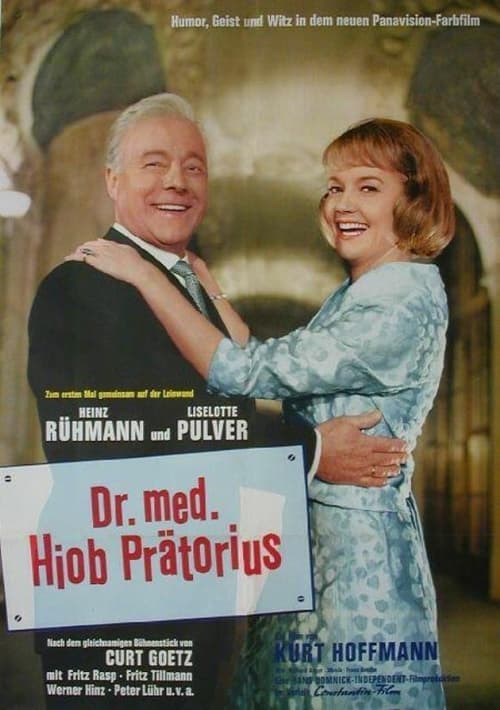
Dr. med. Job Prätorius enjoys great popularity among patients, doctors and students alike thanks to his kindness and philanthropy. Only his colleague Prof. Speiter begrudges him his success. When his patient Maria Violetta wants to commit suicide because of an extramarital pregnancy, Prätorius takes care of the young woman. When he tries to gently prepare her father for the news, the latter considers Praetorius to be a more than welcome admirer of his daughter. As a deep affection develops between the doctor and his patient, the two eventually marry. Their private happiness fuels Prof. Speiter's envy. With the help of Praetorius' mysterious factotum Shunderson, he finally believes that he can uncover some dark secrets from the doctor's past. But Praetorius manages to refute all the accusations in a court of honor with wit and astonishing revelations.
In wartime Berlin, a factory foreman, Otto Quangel and his wife, Anna learn that their only son, Paul, has been killed in action in France. In their grief, the couple decide to take action against the Nazi regime. They create their own form of resistance, writing postcards urging people to resist Hitler and the Nazis and quietly distributing the postcards around Berlin. Various people enter the picture, showing the fear and distrust of the times. People, such as the actor Harteisen, find the cards and race to turn them in, lest they be found with them and come under suspicion. The police and the Gestapo are baffled for over a year, but finally find the source of the cards. The Volksgerichtshof sentences the Quangels to death.
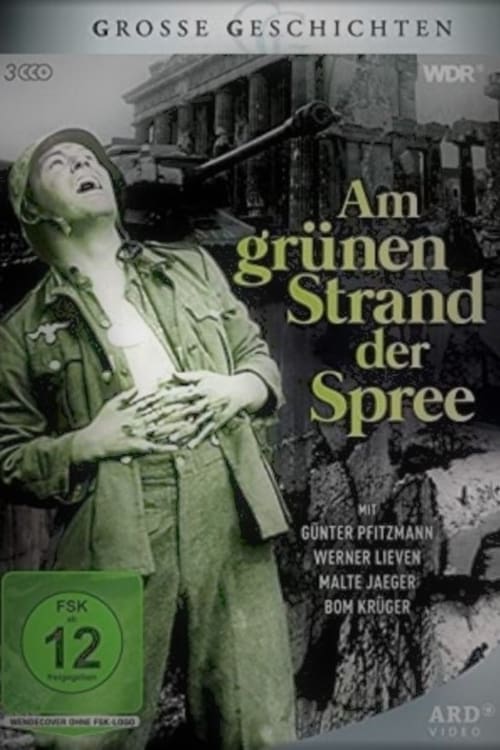
Am grünen Strand der Spree was a five-part German television movie which first aired in 1960. It was based on a novel by Hans Scholz and has been called a Straßenfeger in German, a television program that was watched by so many, the streets were empty. It was produced by German broadcaster Nord- und Westdeutscher Rundfunkverband in Cologne, Germany.
Inspector Welling, the warden Miss Pierce and the convicted murderess Sarat Carn are on their way back to Norwich from London. They are returning from a court hearing at which Carn's appeal against the death sentence imposed on her was rejected...
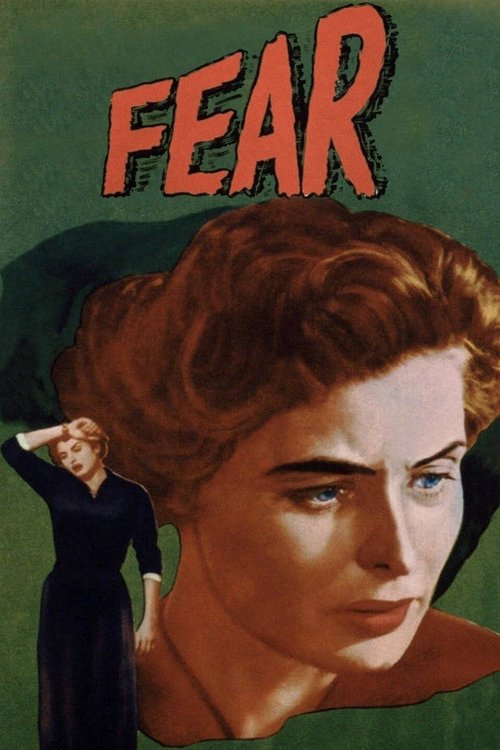
Irene Wagner, the wife of the prominent German scientist Professor Albert Wagner, had been having an affair with Erich Baumann. She does not disclose this to her husband, hoping to preserve his innocence and their "perfect marriage". This fills her with anxiety and guilt. However, Johanna Schultze, Erich's jealous ex-girlfriend, learns about the affair and begins to blackmail Irene, turning Irene's psychological torture into a harsh reality.
Sherlock Holmes and Dr. Watson embark on a search for Cleopatra's ancient necklace, which has been stolen.