Acting
Derrick was a German TV series produced by Telenova Film und Fernsehproduktion in association with ZDF, ORF and SRG between 1974 and 1998 about Detective Chief Inspector Stephan Derrick and his loyal assistant Inspector Harry Klein, who solve murder cases in Munich and surroundings.
No description available.
Der Kommissar is a German television series about a group of detectives of the Munich homicide squad. All 97 episodes, which were shot in black-and-white and first broadcast between 1969 and 1976, were written by Herbert Reinecker and starred Erik Ode as Kommissar Herbert Keller. Keller's assistants were Walter Grabert, Robert Heines, and Harry Klein who, in 1974, was replaced by his younger brother Erwin Klein.
A 30-minute weekly cultural magazine program. The head of aspekte, Wolgang Herles, describes the program as follows: "For 40 years, "aspekte" has repeatedly set out to enrich television with cultural contrasts. "aspekte" understands culture not as the sum of facts and events, but as the taste, the sound, the rhythms of the times. It has proven itself as a journal of true luxury and fashions as well as an instrument of public education and information."
The retelling of June 6, 1944, from the perspectives of the Germans, US, British, Canadians, and the Free French. Marshall Erwin Rommel, touring the defenses being established as part of the Reich's Atlantic Wall, notes to his officers that when the Allied invasion comes they must be stopped on the beach. "For the Allies as well as the Germans, it will be the longest day"
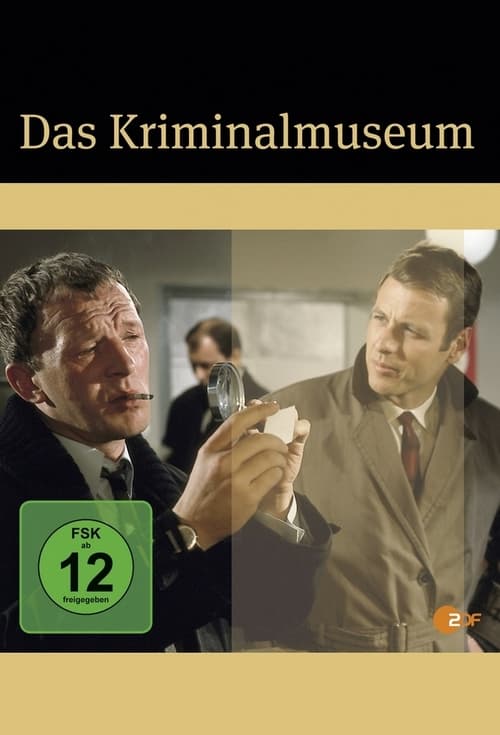
Das Kriminalmuseum was a German television series. It ran from 1963 to 1970 on ZDF and was one of its first programs. Each episode began with a tracking shot through an unspecified crime museum, stopping at one of the displays, whose story was then told. Each episode was between 60 and 75 minutes long and featured different actors as the criminal commissioner. The best known was Erik Ode, who in 1969 moved to Der Kommissar, appearing in 97 episodes. The theme music of the series was written by German composer Martin Böttcher, who also composed the complete scores for five episodes.
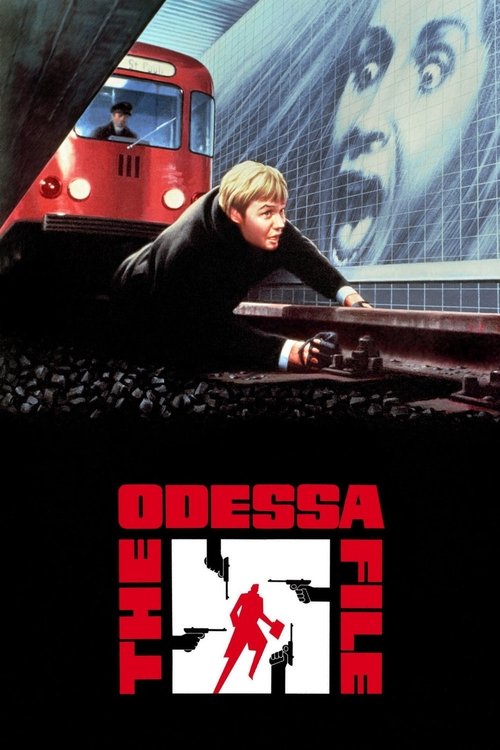
Following the suicide of an elderly Jewish man, investigative journalist Peter Miller sets out to hunt down an SS Captain and former concentration camp commander. In doing so he discovers that, despite allegations of war crimes, the former commander has become a man of importance in industry in post-war Germany, protected from prosecution by a powerful organisation of former SS members called Odessa.
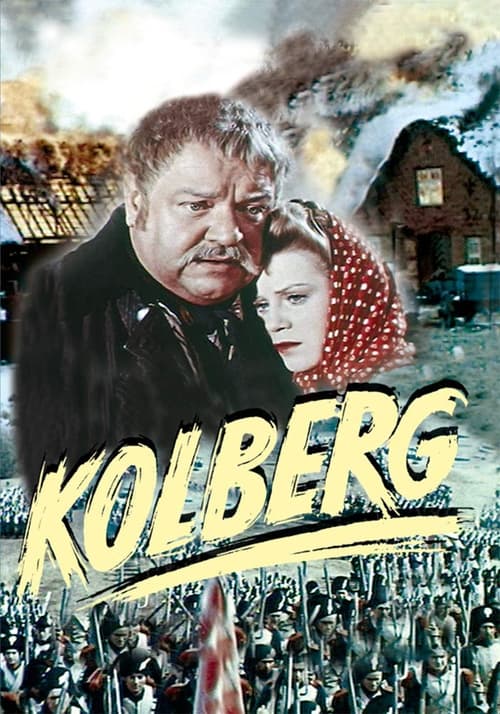
During Napoleon's victorious campaign in Germany, the city of Kolberg gets isolated from the retreating Prussian forces. The population of Kolberg refuses to capitulate and organizes the resistance against the French army, which immediately submits the city to massive bombardments.
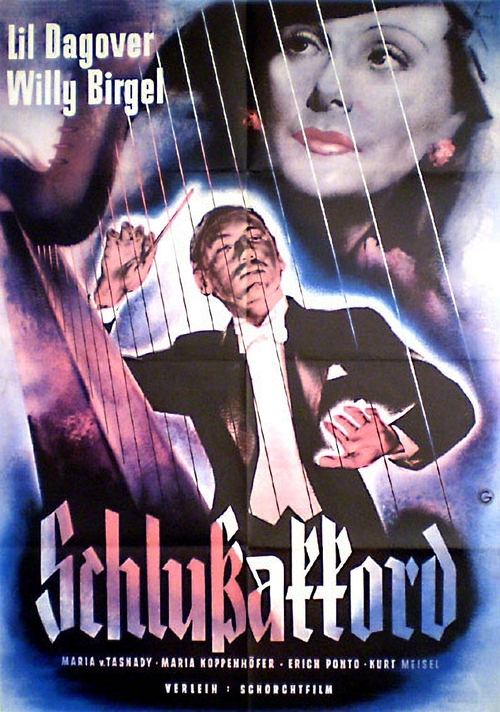
After her husband dies, a German woman who gave up her infant for adoption to emigrate to America returns to Germany, discovering that her child is being raised by a married orchestra conductor.
The young Styrian woman Therese Brandl desperately wants to work in the theater and therefore travels by train to Vienna to pursue artistic training. The scholarship granted by the elderly Countess Hoyer is intended to guarantee her financial independence. Unaware that she is to be picked up from the Vienna train station, the student immediately takes a taxi upon arrival and asks for recommendations for both an affordable hotel and a charming little pub. Therese gets approached by an older gentleman, a gray-haired bon vivant with considerable life experience. After several glasses of wine, they leave the establishment together and go to Therese's room. Apparently, things escalate there, and they spend the night together without having been introduced. The surprise is all the greater for Therese when she goes to the drama academy the following day to begin her training: her future teacher is none other than the gallant and lover from the previous night, Dr. Alexander Dahlen.
Der kleine Doktor is a German television series.
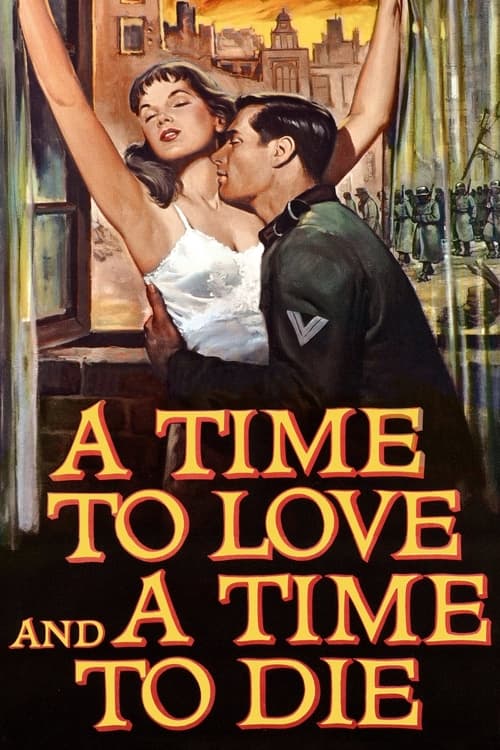
A German soldier home on leave falls in love with a girl, then returns to World War II.
During the closing stages of the Second World War, a bureaucratic mistake leads to a German officer being reassigned from the dangerous Eastern Front to Berlin and a new non-existent unit.
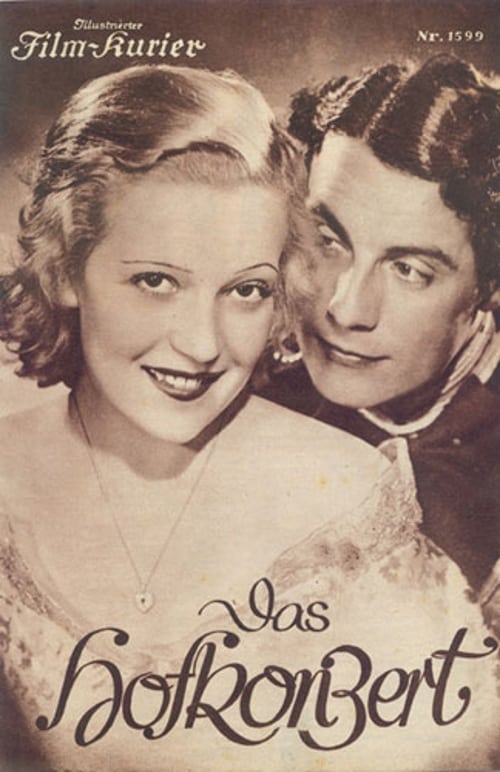
Before he became cult director Douglas Sirk, Detlef Sierck cut his teeth on such lavish European star vehicles as Das Hofkonzert (The Court Concert). Marta Eggerth is cast as Christine, a young singer who aspires to find out who her father was. Her odyssey brings her to the court of a mythical kingdom, where she is romanced by handsome lieutenant Walter (Johannes Heesters). He is warned not to lose his heart to a "commoner," but all turns out all right when King Serenissimus (Otto Tressler) turns out to be Christine's long-lost daddy. Hofkonzert was designed as a comeback for Marta Eggerth, whose star had eclipsed by the mid-1930s.
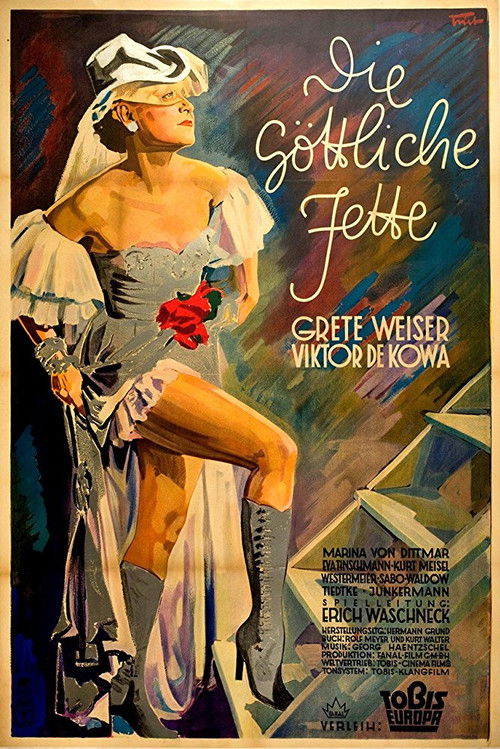
Cheeky Jette is a typical Berlin girl. Together with her mother, she performs couplets in a Berlin suburb theatre every night. Then, a young Austrian baron, who is worshipping Jette, enables her to audition for Königstädtisches Theater. Although she at first fails with an aria from an opera, Jette wins over the hearts of the board members with her fresh style when she performs a cheeky couplet that was written by Barsch, the stage manager of the suburb theater.