FEEL IT.STREAM
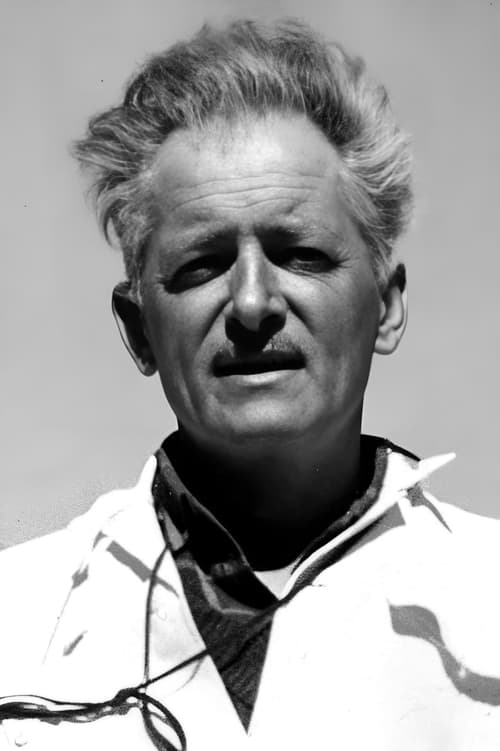
Georges Tairraz II

Georges Tairraz II

Crew

Biography

Between 1857 and 2000, four photographers will, from father to son, invent and pass on the art of mountain photography. They are called Tairraz. Joseph Tairraz, Georges Tairraz I, Georges Tairraz II, and Pierre Tairraz. The story begins in Chamonix in 1857. Joseph Tairraz, son of the syndic (mayor), buys a daguerreotype device in Geneva. Four years later, before Auguste-Rosalie Bisson, the Emperor's official photographer, he took the first photograph at the top of Mont-Blanc. Very quickly, the young man opened a studio in the center of Chamonix. He will pass the baton to his son Georges. The dynasty is spawned. Georges Tairraz (1900-1975), who will be called Georges Tairraz II, will in turn follow the double career of guide and photographer, extended from 1920 to the practice of cinema. He made his first documentary in 1934, L'Ascension des Aiguilles Ravanel et Mummery, before starting a long collaboration with Roger Frison-Roche. Technical adviser on the shooting of the film Premier De Cordée directed in 1943 by Louis Daquin, Georges Tairraz II accompanied Frison-Roche on his expeditions to Hoggar and Antarctica. With the guide and writer Gaston Rébuffat, he made two films on the north face of the Alps. Georges Tairraz II is the father of Pierre Tairraz who also happened to retrace the history and transformations of Chamonix and mountaineering. For a century and a half, the Tairraz will be the incomparable photographers of Mont-Blanc and, over the generations, will taste the cinema and will befriend other great smugglers of the Alps, such as Roger Frison-Roche and Gaston Rébuffat. The dynasty went dormant on the death of Pierre Tairraz in 2000. It leaves us with a certain way of looking at the mountain, of magnifying its forms to express the emotions of those who think about it.
Known For

Third Man on the Mountain
6.7

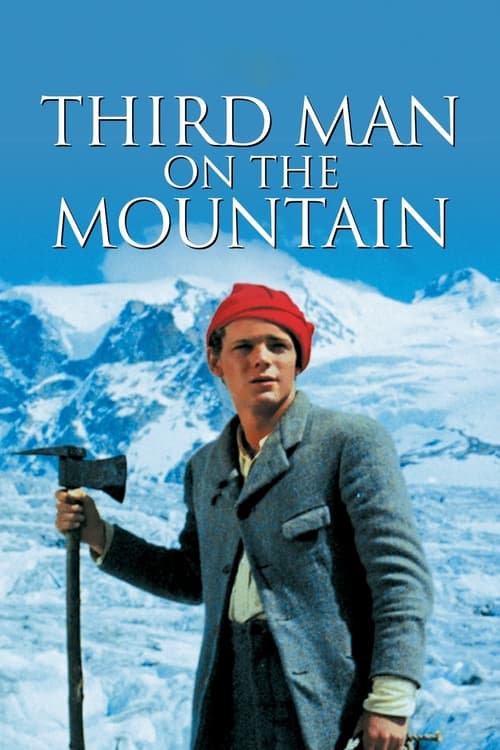
Famous British mountaineer Winter wants to climb a difficult summit, the Citadel. He goes to a small village but no guide wants to accompany him. A young man from the village, Rudi Matt, whose father died fifteen years earlier during an attempt to climb the Citadel, is determined to accompany him, with the help of his uncle. Winter also manages to hire a guide from a neighboring village and competitor, Emil Saxo. The roped party of four men then begins the ascent of the still untouched summit.

Third Man on the Mountain

1959
Broken Journey
6.1

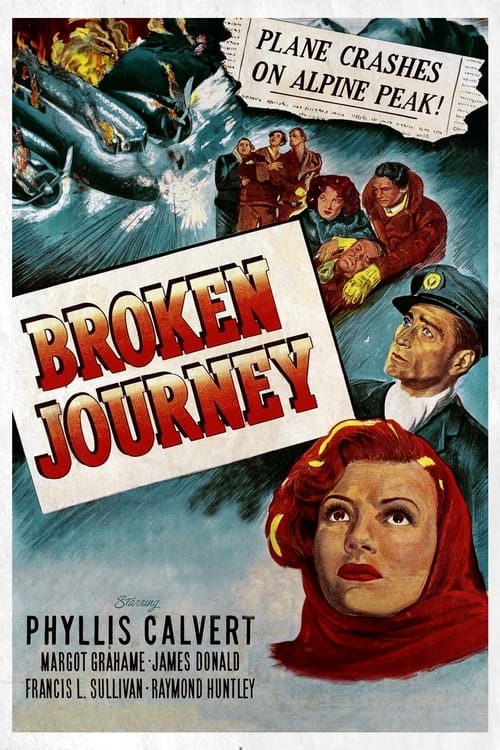
A plane flying over the Swiss Alps develops engine trouble and is forced to crash-land on a glacier. Unable to radio for help because of damaged batteries and with limited food supplies, the survivors must come to a decision -- whether to stay and wait for help they believe is coming or to leave the shelter of the wrecked plane and set out in bad weather to try to reach civilization.

Broken Journey

1948
Perilous Assignment
10.0

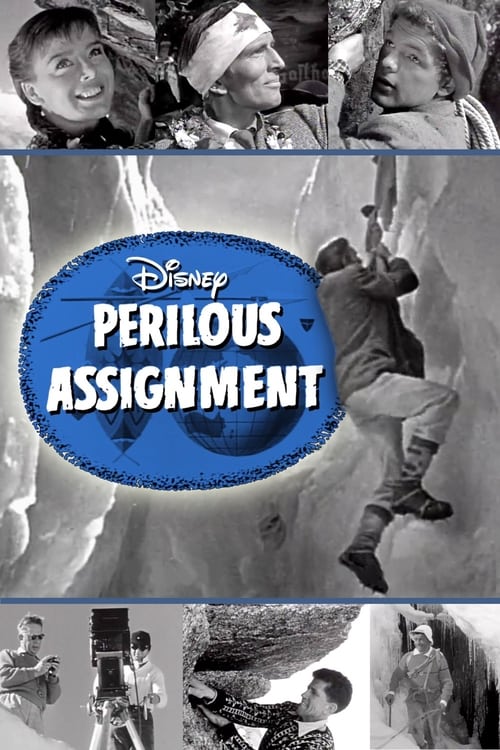
"Perilous Assignment" is an episode of ABC's Walt Disney Presents. Disney loved to show viewers behind the scenes of the daring shoots of its theatrically released or TV shows. The theme of the episode is the making of his next film, The Third Man on the Mountain, an adaptation of James Ramsey Ullman's novel Banner in the Sky, based on the true story of the first ascent of the Matterhorn. Walt Disney will not be limited to a simple promotional making-of. He offers to meet exceptional people, including the French mountain guide Gaston Rébuffat. The latter will show climbing techniques and then reveal breathtaking images of his ascents of steep cliffs with a client for the ascent of Mont-Blanc, filmed for the occasion. In 1958, Walt Disney will therefore offer him to be deputy director on the high mountain scenes of the film "The Third Man on the Mountain".

Perilous Assignment

1959
Le Regard Tairraz
10.0

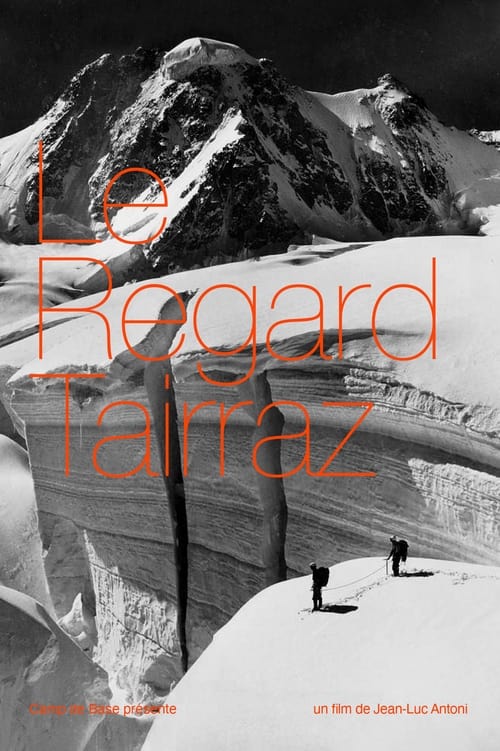
For a century and a half, mountain images by their beauty have largely gained from its influence, its frequentation and its development. But they are also a tool in the service of science, fixing the transformation of landscapes, habitats... Over 150 years, the Tairraz dynasty photographed the mountain. Four generations of photographers have magnified the Mont-Blanc massif. From the first photograph taken at the summit of Mont-Blanc in 1861 to the present day, this art is at the origin of many mountaineering vocations and has largely contributed to the tourist development of these formerly ignored valleys. Here is the wonderful story of a dynasty of photographers, the Tairraz, which stretches from 1861 to the dawn of the 2000s.

Le Regard Tairraz

2015
First in Line
7.1

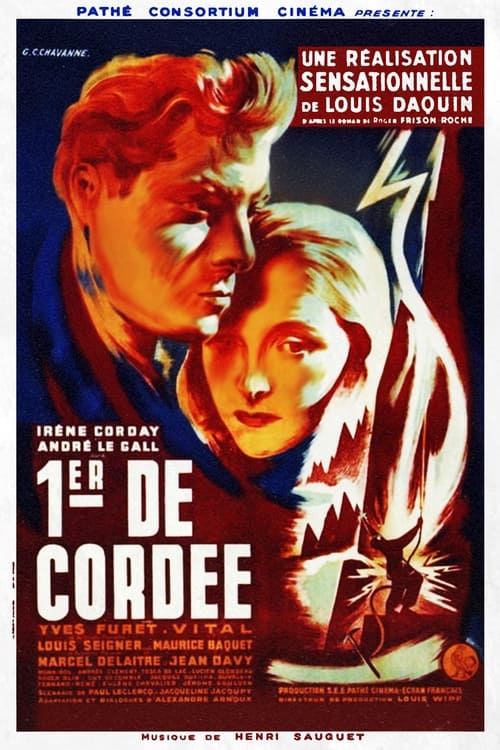
A screen adaptation of the well-known novel by Roger Frison-Roche about the harsh lives of mountain guides and their families in the French Alps, near Chamonix and the French/Swiss/Italian borders... Like his father, Zian Servettaz is a dedicated mountain man. His Italian-born wife Bianca does not adjust well to his mountain village in France, and to the ever life-threatening dangers presented by his mountain guiding and climbing. She briefly returns to Italy and to her family. However, after Zian's insistence and trip to Italy, she returns to mountain life in the French Alps. Once back there, events will unfold, changing their lives as well as those of other mountain people forever.

First in Line

1944
Il Était... Trois Chansons
10.0

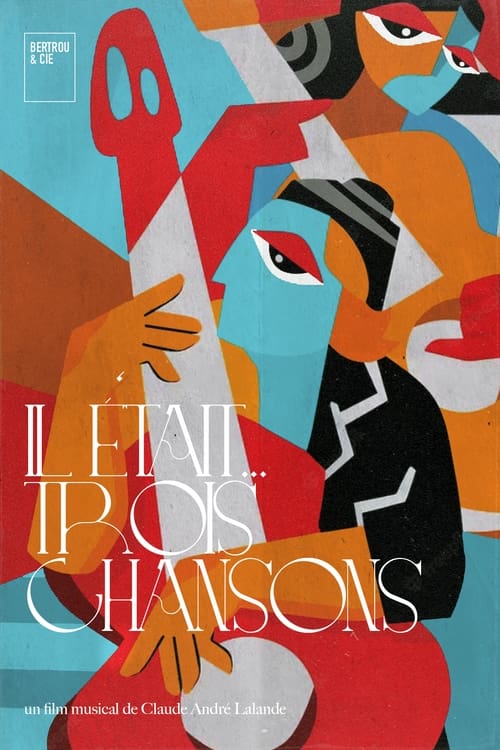
Director Claude André Lalande illustrates the theme of three songs in images. We see and hear in turn Roland Gerbeau "Himalaya", Jacqueline François "From Montmartre to the Latin Quarter" and Jean Marco "The Ghost of Aunt Anna". This mini musical is one of the ancestors of music videos.

Il Était... Trois Chansons

1947
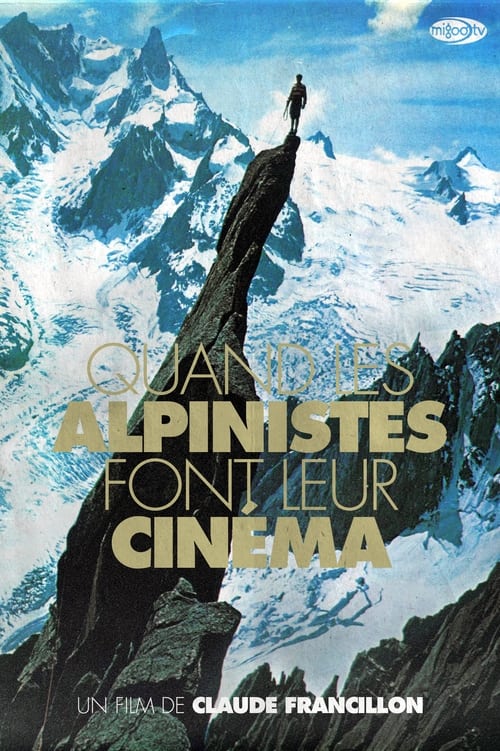
When the Mountaineers Make Their Cinema
10.0

Many mountaineers as part of their activity have used cameras and films to allow us to participate through images in their adventures and their emotions. Many of them have become true film professionals: Joseph Vallot, Lionel Terray, Marcel Ichac, Renè Vernadet, Jean Afanasieff, Pierre Royer, Denis Ducroz, Kurt Diemberg and many others are among the conquerors of the image of the mountain. The film depicts the passion of these men on the highest mountains in the world... behind the lens.

When the Mountaineers Make Their Cinema

2000
They Met on Skis
8.5

The owner of the place of Chamonix covets the inn, run by the Michel's uncle, whose business goes bad. Michel decides to participate in a ski competition to help uncle.

They Met on Skis

1940
Le Grand Désert
10.0

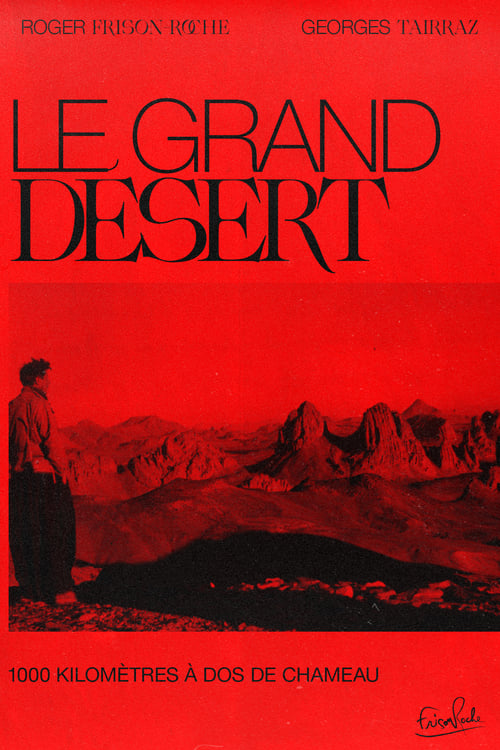
In 1950, the explorer Roger Frison-Roche made a crossing of more than a thousand kilometers on the back of a camel with the photographer Georges Tairraz II, in the heart of the Sahara, from Hoggar then Djanet in Algeria to Ghat in Libya. From their journey they brought back a large number of color films and documents. Among thousands of photos, they selected 47 images which reflect the various aspects of these immense spaces which occupy a third of Africa in the book "The Great Desert". “The Great Desert, 1000 kilometers on camelback” is the eponymous 85-minute documentary of this epic, released in 1950.

Le Grand Désert

1950
La Traversée du Grépon
10.0

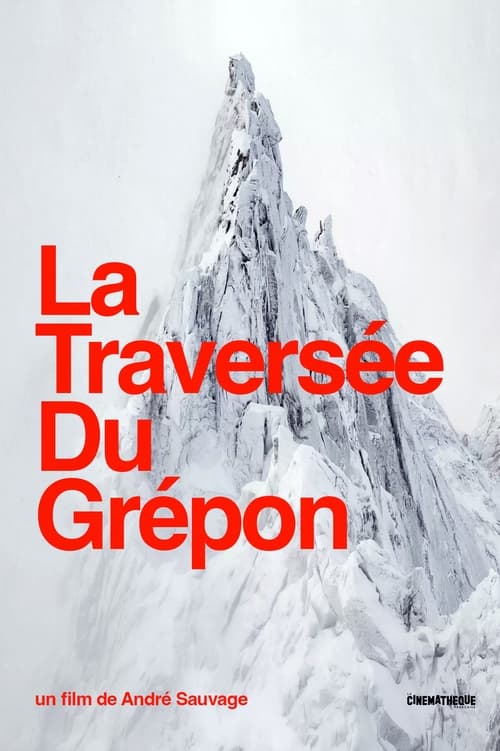
In 1923, André Sauvage produced his first film La Traversée du Grépon. Dedicated to mountaineering in the Mont Blanc massif, this documentary is a performance that earned him the recognition of his peers. André Sauvage and his companions decide to climb the Grépon, the best known of the Aiguilles de Chamonix, in the Mont Blanc Massif. Early in the morning, they cross the Mer de Glace, climb rocky peaks, abseil summits, cross crevasses, snowfields and long seracs. After sixteen hours of effort, the climbers return to the refuge. With his camera, Sauvage documents the difficult undertaking, also showing his strong passion for the mountains. "The deepest perception of mountains begins where intelligence ends." (A. Sauvage). Two long versions of the film have disappeared, one of 90 and the other of 51 minutes and only eight minutes are preserved.

La Traversée du Grépon

1923
The Call Of The Peaks
10.0

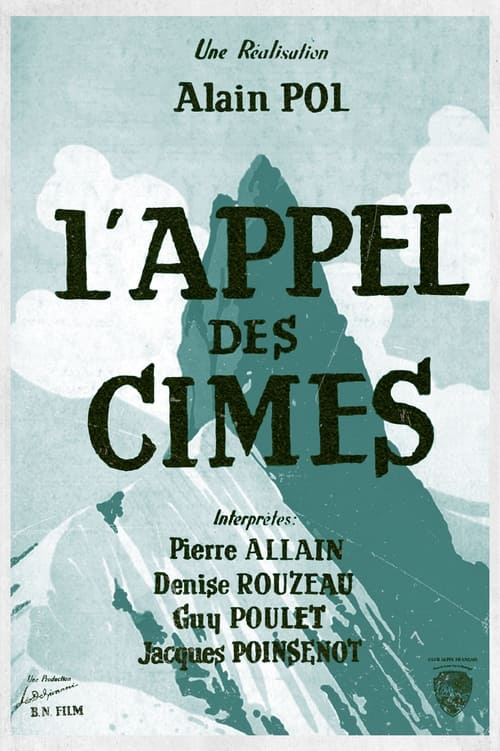
L'Appel Des Cimes, directed by Alain Pol, is a documentary commissioned by the CAF and the various French ministries on the practice of post-war mountaineering. In 1946, climbers trained at the Fontainebleau Climbing School. Guy Poulet and Jacques Poincenot try to climb the Aiguilles de Chamonix but fail during the climbing phase. After a night in a refuge with Denise Rouzeau and the guide Pierre Allain, the mountaineers make a new attempt. Successful demonstration for those who continued the approach walk then the passage of the seracs of the glacier. On the rock, the roped party crosses a chimney and a crack to reach the summit and abseil down. Led by high mountain scouts, Guy and Jacques rediscover the glaciers and needles of the Mont-Blanc massif during the next lesson.

The Call Of The Peaks

1946
Des Hommes Et Des Montagnes
10.0

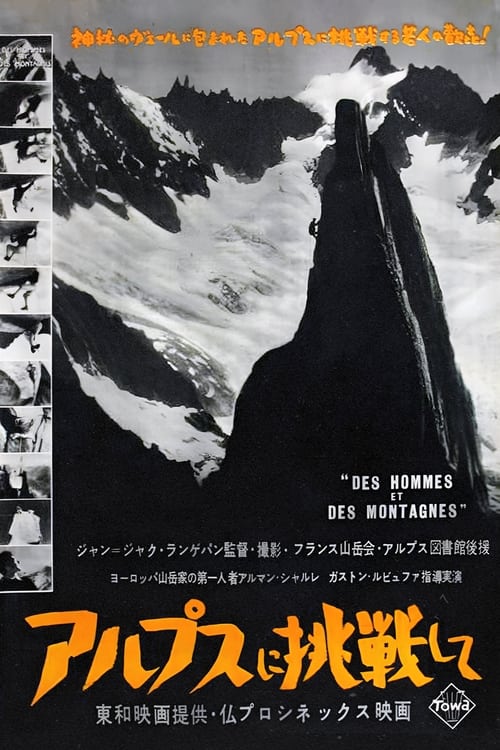
History, advice and demonstrations of mountaineering in the Mont Blanc massif by the renowned guides of the National School of Ski and Mountaineering from Chamonix. The film starts with an historical summary illustrating the aspirations and methods that lead man to conquer the mountains. Armand Charlet teaches mountaineering techniques and takes his students to the field for glacier or rock exercises. Gaston Rebuffat makes demonstrations of particularly dangerous climbs. At altitude, people move in solitude, cold and silence, like circus acrobats without spectators, but nothing stops the modern mountaineer.

Des Hommes Et Des Montagnes

1953
L'Ascension Des Aiguilles Ravanel Et Mummery
10.0

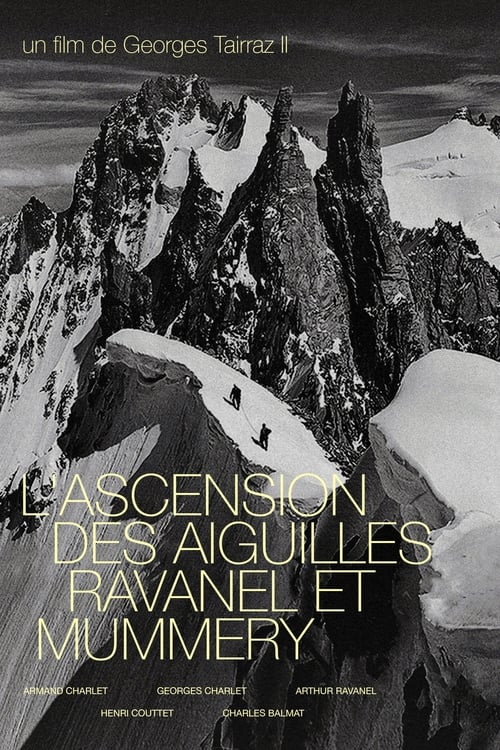
"The ascent of the Aiguilles Ravanel and Mummery", climbed by young guides in cycling pants: The brothers Armand Charlet and Georges Charlet, Arthur Ravanel, Henri Couttet and Charles Balmat. The film was shot by Georges Tairraz II, Chamoniard mountain photographer, representative of the third generation of a family line of mountain photographers and filmmakers. George Tairraz II's film will lay the groundwork for a French vision of mountain film; In the 1930s, a French school of mountain cinema emerged, less expressionist, more stripped down and realistic than the German school. These are the films of Marcel Ichac, Roger Frison-Roche, Samivel, Georges Tairraz II, etc. It develops according to the principles set by Marcel Ichac, in opposition to the German school. It is both about getting out of the dramatic vision of the mountain and placing the mountain and the climbers at the heart of the plot.

L'Ascension Des Aiguilles Ravanel Et Mummery

1924
Entre Terre et Ciel
10.0

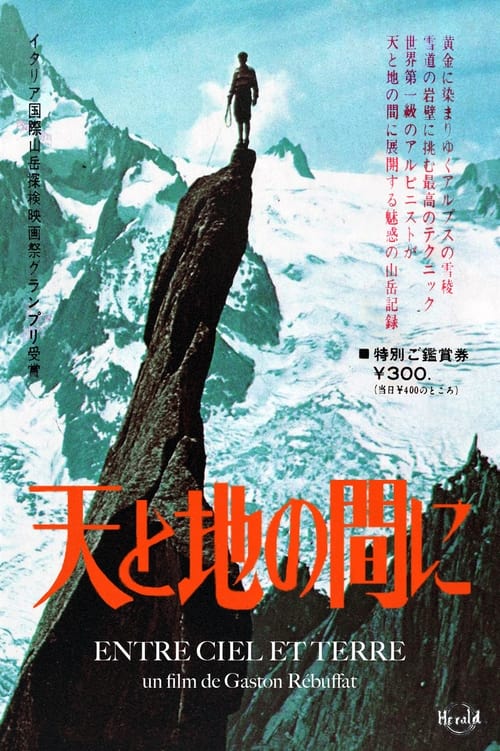
This is Gaston Rebuffat's fourth film, in which, with several close friends, he discovers the sublime landscapes of the Alps. “Mont-Blanc is beautiful. I climbed it several times depending on the time, the color of the sky and the shape of the cornices and ridges. Because of the weather and also because of this feeling of altitude, Mont-Blanc provides great pleasure. For the guide, Mont Blanc is his garden, but the garden becomes more beautiful when shown to a friend. Personally, I really like the bivouacs; only there one penetrates a little the mystery of the altitude. That's why I immediately accepted when Tazieff expressed the desire to spend the night at the top of Mont Blanc in an igloo. The film won the Grand Prix at the Trento Film Festival in 1961.

Entre Terre et Ciel

1961
Stars and Storms
10.0

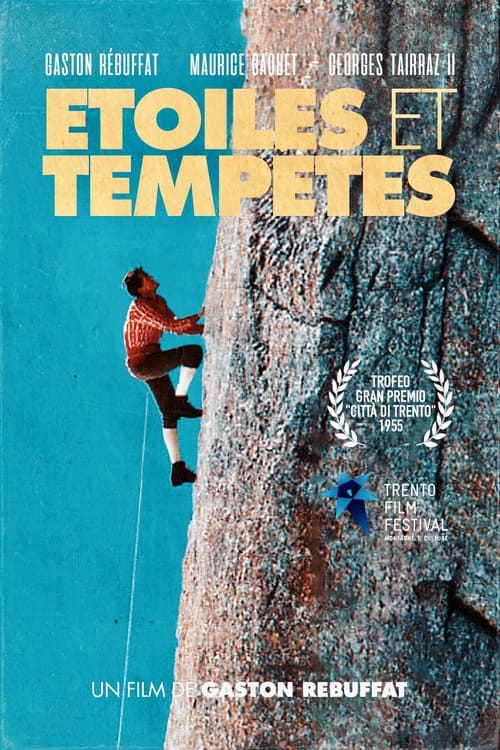
Gaston Rébuffat is part of the history of mountaineering. Marseillais prodigy, high mountain guide of the Chamonix guide company and famous for the ascent of the most famous north faces: some are 1st rehearsals, others 1st French or 1st as a guide. Filmed by Georges Tairraz, this masterpiece released in 1955 reveals the beauty of effort and the pleasure of sharing in the mountains. Apart from the feat, the mountains are not there to satisfy egocentric ambitions. A classic !

Stars and Storms

1955
Sur Les Traces De Premier De Cordée
10.0

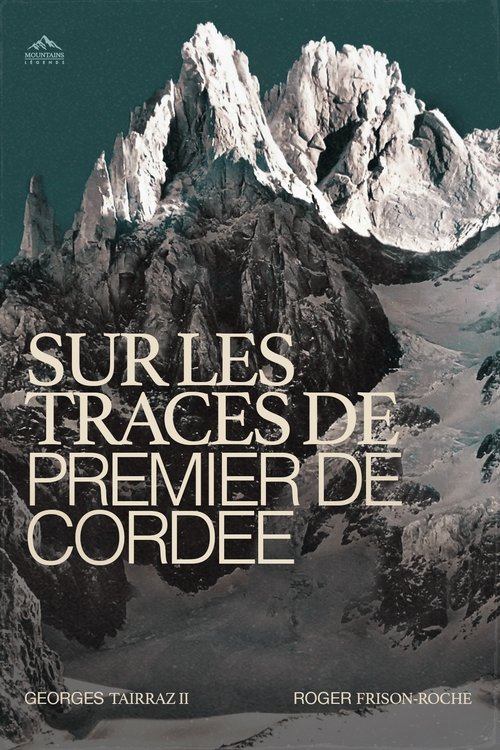
"Sur Les Traces De Premier De Cordée", a color documentary from 1952 which will be released the same year as the eponymous photo book published by Arthaud, features Roger Frison-Roche and his sidekick Georges Tairraz II on the Aiguille du Grépon (3482 m) in the Aiguilles massif which overlooks the Chamonix valley. Together they co-produce the images of the ascent. The young Pierre Tairraz, who completed his training in Paris, at the school in the rue de Vaugirard (Cinema promotion in 1953), also took part in this very technical aerial filming as assistant to his father Georges Tairraz II and cameraman.

Sur Les Traces De Premier De Cordée

1952
Le Pilier de la Solitude
10.0

No description available.

Le Pilier de la Solitude

1959