Niels Bolbrinker
Directing
Biography
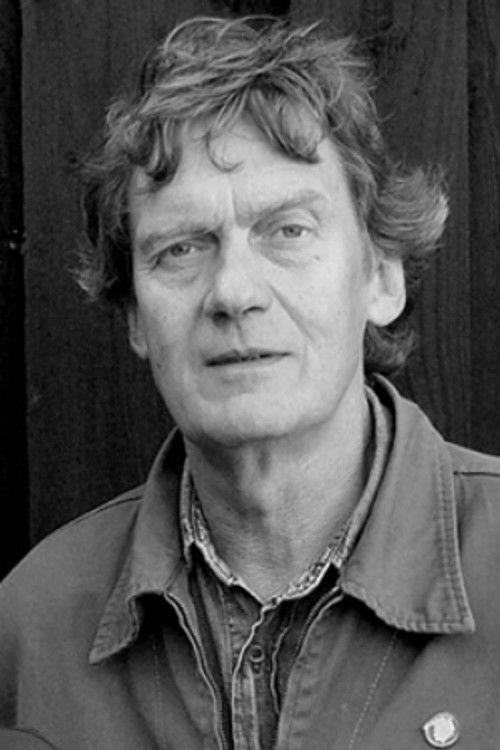
Niels Bolbrinker has been working as a freelance cameraman and director since the mid-1970s, after studying photography and graduating in visual communication. In 1976 he was one of the founders of the Wendlandische Filmkooperative, an association of documentary filmmakers in the Lüchow-Dannenberg district, which is still dominated by the anti-nuclear movement. As a cinematographer and for the cut of "Do it right and shy nobody" Bolbrinker 1977 was awarded the Federal Film Award. (Wikipedia)
Known For

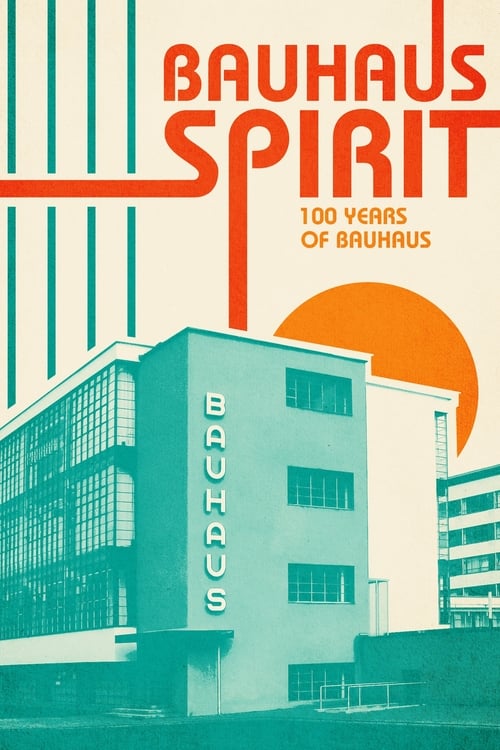
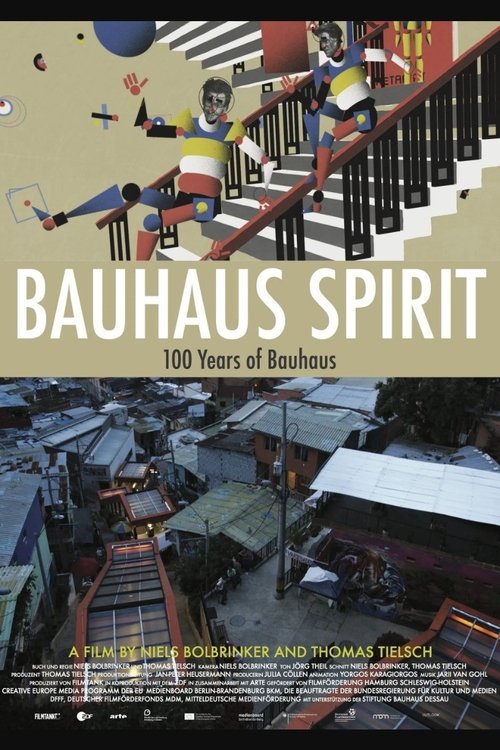
Founded in 1919 by Walter Gropius, Bauhaus was supposed to unite sculpture, painting, design and architecture into a single combined constructive discipline. It is a synthesis of liberated imagination and stringent structure; cross-medial concepts that embellish and enrich our existence, illumination and clarity, order and playfulness. But Bauhaus was never just an artistic experiment. Confronted with the social conditions of that particular time, as well as the experience of WWI, the movement concerned itself with the political and social connotations of design from the very outset. Hence, Bauhaus history is not just the history of art, but also the history of an era that stretches from the early 20th century to the modern day.
Bauhaus Spirit: 100 Years of Bauhaus
Ilya Kabakov is considered one of the most important contemporary artists worldwide. Born and raised in the Ukraine in the period between Stalin and Gorbatschow he left the country in the 80s. In his Installations and his numerous paintings Kabakov creates a world of its own, which leaves the heaviness of socialist and post-socialist life far behind. The film links Ilya Kabakovs artistic spaces with insights into Russian everyday life, which itself sometimes appears like an installation by the artist.
Flys and Angels

In the spring of 1980, anti-nuclear activists occupied a drilling site near Gorleben and set up a "village of peace" there, consisting of homemade wooden houses and tents. The 33-day occupation was accompanied by discussions, concerts, and theater performances—and by the Wendland Film Cooperative, which documented the anti-nuclear movement from the very beginning. The "Free Republic of Wendland" was a dream that came true for a short time before several thousand police officers cleared the site. In addition to the construction and clearance, the film also shows what is at risk: the untouched landscape and the people who live there.
Der Traum von einer Sache

A documentary about the clashes between squatters and the police in Berlin in early 1981. Despite the absence of commentary, this is an openly partisan film that aims less for political analysis than for an up-close description of the situation and mood.
Schade, daß Beton nicht brennt
A documentary film about the citizens' initiatives and protests by various segments of the population in the Federal Republic of Germany against the planned nuclear waste reprocessing plant in Gorleben from 1977 to 1979.
Die Herren machen das selber, daß ihnen der arme Mann Feyndt wird

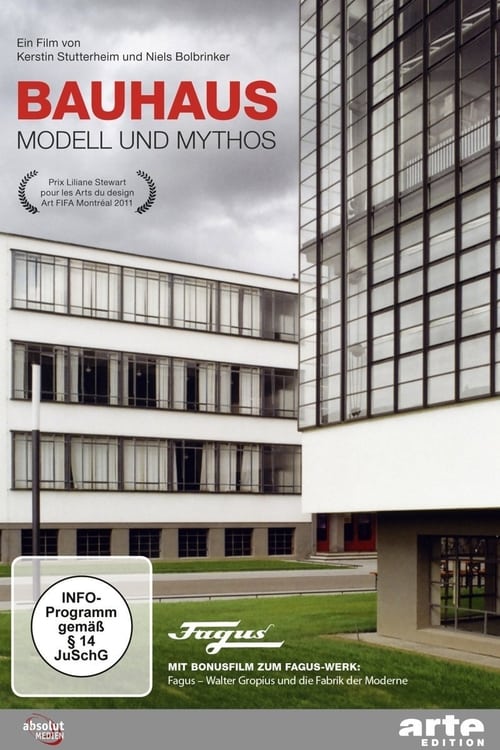
The bauhaus school has been and still is the most influential art School not only in Europe. Till today the Bauhaus is remembered to be the nucleus of modern architecture and design. But bauhaus was more than a cubic building or a steel tube chair. It is a model till today. Bauhaus-teachers has been international well known artists as Wassily Kandinsky, Lyonel Feininger, Paul Klee Oskar Schlemmer, the architects Walter Gropius and Mies van der Rohe. The documentary shows how the school started after World War I, how it became revolutionary and tells the true story about the closing and the enmashment of some of the Bauhaus-people during Nazi-Germany. Most of these is told by former students at the Bauhaus male and female Bauhaus-alumni.
Bauhaus - Modell und Mythos

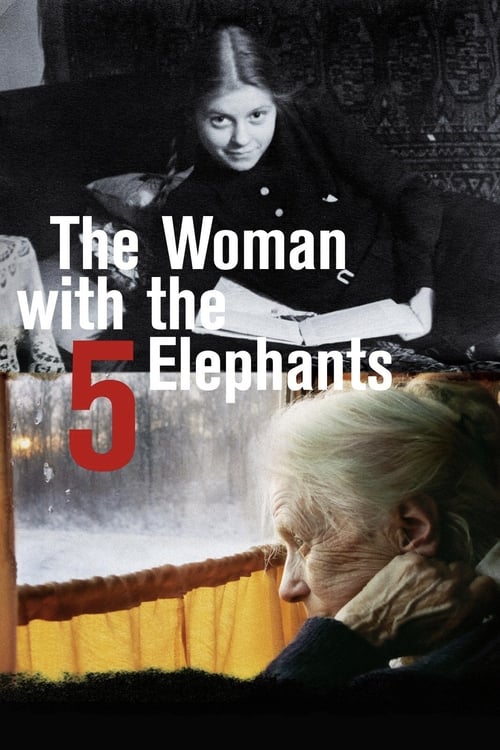
Documentary about Svetlana Geier, a Ukranian who has translated the great works of Dostoyevsky into German. First her father ends up in one of Stalin's prison camps, then young Svetlana herself experiences the German invasion. In order to survive she learns German at home in Kiev. She is good and gets work as a translator before ending up in a German camp in 1943. Now, 65 years later, she is a renowned translator who in her twilight years has translated the great works of Dostoevsky. For the first time in all these years, she returns to Kiev together with her granddaughter.
The Woman with the 5 Elephants
Behind the scenes of the Ernst Deutsch Theater in Hamburg - a special world, a country within a country during a single performance.
Applausordnung
Between 1962 and 1966, sex murderer Jurgen Bartsch cruelly tortured and killed four children in an old air raid bunker in Germany. This documentary examines the personality of the killer who died in 1976 during voluntary castration surgery at the age of 30. Vilified by the press for his heinous crime, Bartsch also became a case study for famous found criminal psychologists like Alice Miller (who maintains that no one abuses without being abused as a child, and murderers tend to have their own childhood abuse denied by the adults around them). Bartsch never met his birth parents, he was raised in a clinic and later adopted by a cold, unaffectionate couple. By the age of 15, he tortured and killed his first child victim. This informative, fact-filled documentary provides enough details for viewers to come away with a broader understanding of the nature of the criminally insane and society's role in their formation.
Obituary of a Beast
Documentary about the clandestine German jazz music scene in the 1940s.
it don't mean a thing if it ain't got that swing
In the past, those who were convinced that they were being pursued by invisible rays or that their telephone conversations were being monitored were considered to be paranoid. Nowadays, people are being monitored as soon as they produce any sign of life. That is just the beginning, however. The research is ongoing and the reality is not far behind.
Reality Check

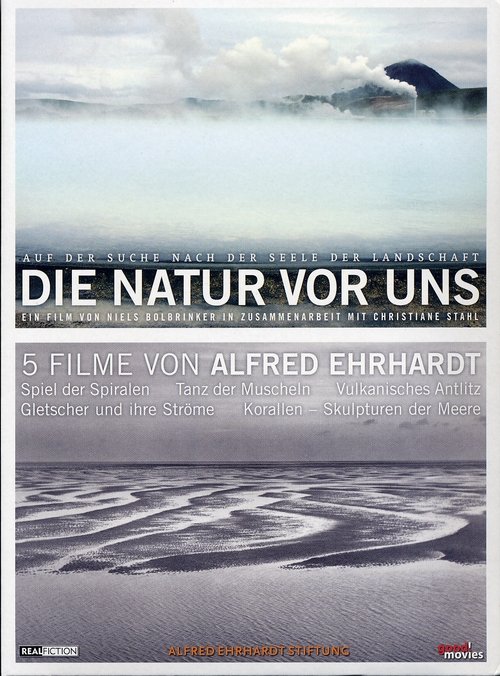
Documentary about the Bauhaus student Alfred Ehrhardt, who devoted his photographs to the archetypes of nature.
Die Natur vor uns
No description available.
Landfrauen
Designed as an exciting hybrid between documentary and fiction, this film offers a special look at the nuclear resistance in Gorleben in the years 1981-1985 in Germany. A fictional acceptance researcher tries to mediate between the fronts of the anti-nuclear movement and the police. With his sociological lectures, the committed scientist often contrasts the political utopia of the opponents of nuclear power with the given political reality in a tongue-in-cheek manner. Exciting ironic-self-critical nuances in the documentary material, which shows the turbulent events in the Wendland in the 1980s.
Zwischenzeit

No description available.
Bauhaus Spirit
Documentary about the German city of Boppard
Boppard, Du mein Heimatstädtchen
No description available.
Die Thuranos

Chronicles the odyssey of a gay musician in Nazi Germany. Director Klaus Stanjek's cheerful Uncle Willi lived with his family, except when he was touring as a musician across Germany. Only when Willi turned 90 did his nephew Klaus Stanjek detect what his whole family had hidden: that Uncle Willi has spent eight years in Nazi camps and that he was gay. In a radical personal approach, veteran filmmaker Stanjek follows the complex turns that his family takes when they confront his Uncle Willi's secret. The result is a personal and political portrait of his beloved uncle, a talented singer and accordion player, that is one part historical inquiry and one part fascinating detective story.
Sounds from the Fog
Ever frequently, irritations, anxiety disorders, burn-out, depressions, and other psychological illnesses have become a reason for employees to obtain a sick certificate. How are 24/7 availability, multitasking, or the abolition of regular working hours linked to this phenomenon? BURNING WITHIN draws a picture of the globalisation of work and the insecurity caused by it.
Burning Within
The last film footage of Günther Anders, who died in December 1992, consists of a conversation with him about his "career," his position on nuclear power, and his reflections on violence and resistance. The film is intended as a document; only sentences or individual words spoken by the philosopher Anders are repeated, preceded by intertitles, "underlined," and placed in a different context than Anders intended. It is about reflecting on our possible range of actions.