Acting
Polizeiruf 110 is a long-running German language detective television series. The first episode was broadcast 27 June 1971 in the German Democratic Republic, and after the dissolution of Fernsehen der DDR the series was picked up by ARD. It was originally created as a counterpart to the West German series Tatort, and quickly became a public favorite.
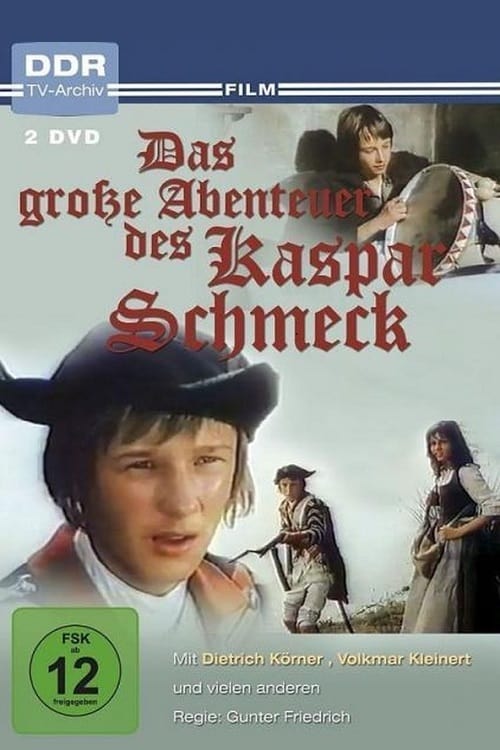
Das große Abenteuer des Kaspar Schmeck is a German television series.
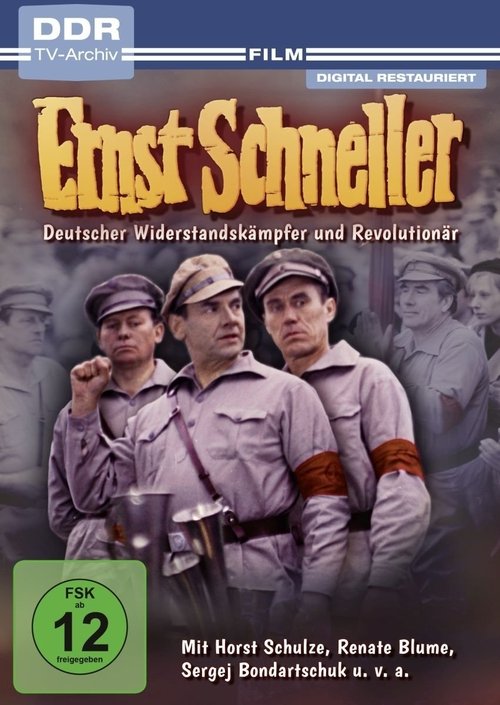
The movie begins by showing how Schneller takes up the profession of a teacher out of love for the children. When the First World War begins, he becomes a 'volunteer officer' and slowly the political situation begins to shape him. He develops into a revolutionary fighter.
She is called Dona Juanita: the attractive young architect Anita Nachtigall, who manages a department on a large construction site with great success. She is said to have had many affairs and, so it is said, the death of a certain Sawallish. The evil afterspeech puts Anita so that she announces her place. But a young safety inspector on the job site doesn't want her to leave. He cares what really happened...
No description available.
The story of a young German boy and his father who befriend a Jewish family during WWII.
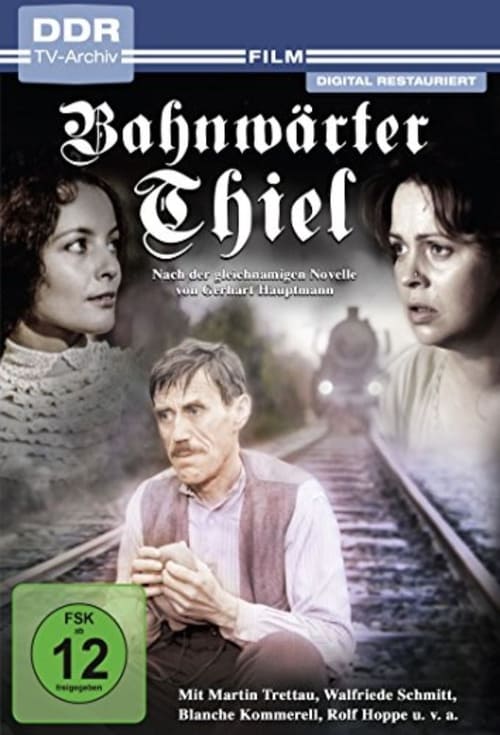
The film tells the tragic fate of railroad guard Thiel at the end of the 19th century. Thiel, who spends his days in the dull, monotonous fulfillment of his duties, has lost his gentle, quiet wife Minna. He remarries out of concern for his young son Tobias. His second wife Lene, with whom he also has a child, is superior to him in vitality and has a rough passion. He discovers that his child from his first marriage is being discriminated against and tormented by her - Thiel withdraws more and more into himself and becomes lonely. When Tobias is killed in an accident, he blames Lene, and disaster is inevitable...
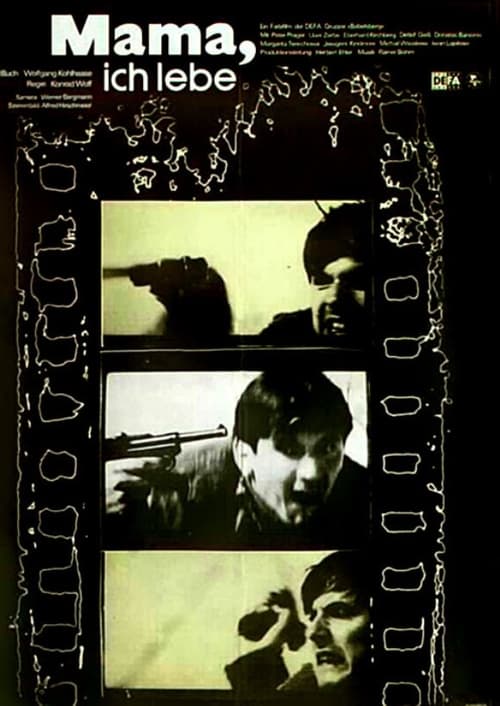
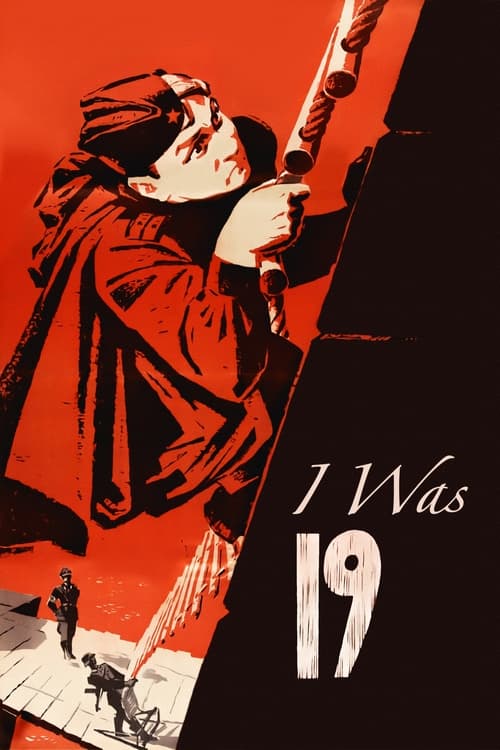
In a Russian POW camp, four Germans determined to end WWII agree to pose as Red Army soldiers. Are they patriots or traitors, heroes or opportunists? Although they go to the frontlines, their new Russian comrades are initially unsure whether to trust them. Three of them then accept a mission behind German lines, but they are unprepared to fire upon their countrymen and it ends up costing the life of a Russian soldier. In the meantime, the fourth man has fallen in love with Russian radio operator Svetlana. After being criticized by the other Russians, he too agrees to participate in the mission..
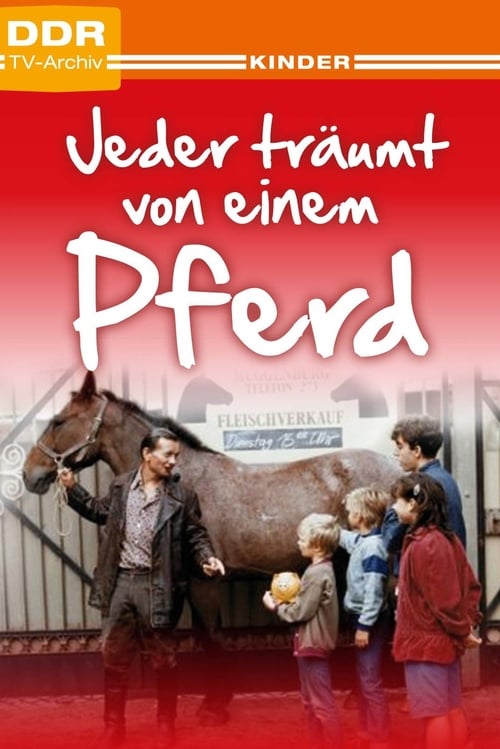
Everyone dreams of a horse - and especially four Kulman family children...
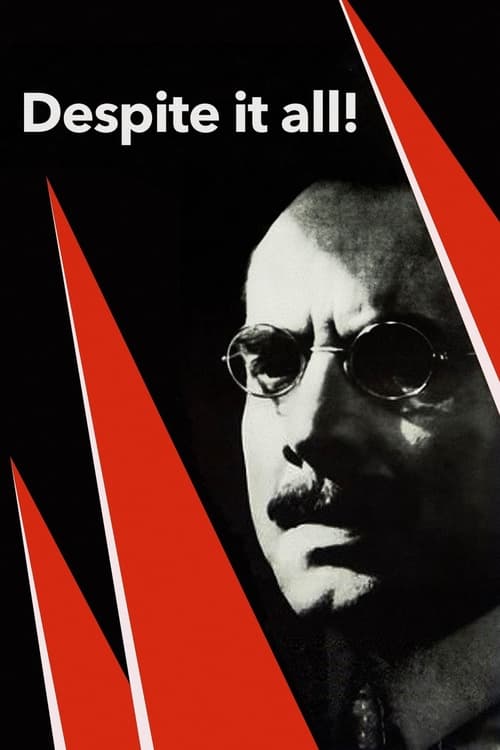
October 1918: Karl Liebknecht is released from prison and Berlin workers celebrate his release. Although WWI is almost over, the German Kaiserreich in vain sends its last reserves to the slaughter. The working class is in a rebellious mood; the uprising of Kiel’s sailors against war and militarism sets off a call for revolution led by Liebknecht. On November 9, Liebknecht declares the Free Socialist Republic of Germany. But pro-Kaiser military and right wing Social Democrats oppose him.
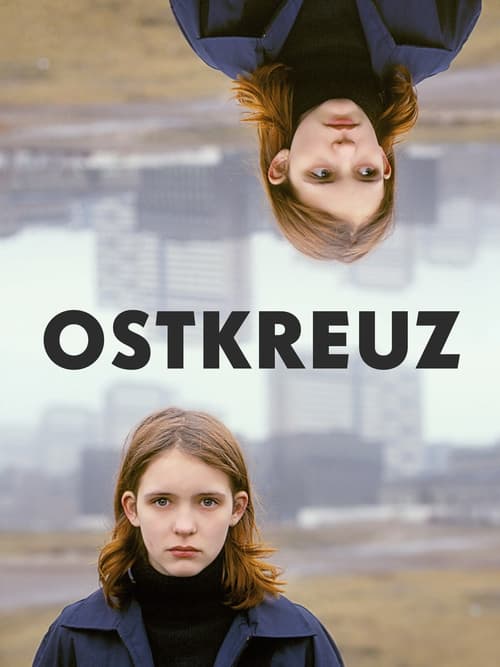
15-year-old Elfie literally and metaphorically inhabits a no-man’s-land between the two Germanies shortly after the fall of the Berlin Wall. The film deploys a neorealist aesthetic to reinforce the difficulties confronting the girl, and by inference, Germany.
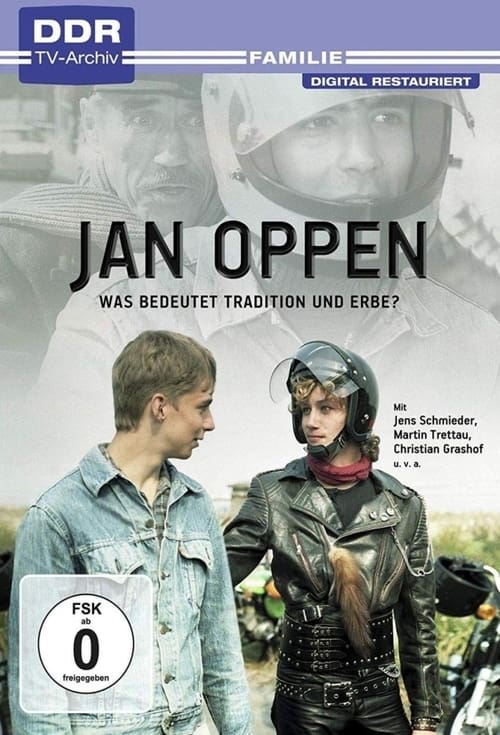
The Oppen family has lived in Berlin, Griesener Straße, for generations. The first names of the family members are also repeated, so the grandson Jan has the same first name as his grandfather. The Oppens' husbands have maintained a tradition up to now: they were or are all carpenters. But the latter does not yet fall on fertile ground with 16-year-old Jan, whose passion is the moped, his "machine". Of course, he is a newcomer among the motorcycle fans around the black Jonny, but he loves to be in their company to experience adventures, and of course he wants to be able to "keep up" with them. Jan has already developed a strategy for how he can do this.
A young soldier enters Germany with Soviet troops at the end of WWII, feeling like a stranger in his homeland. As he meets Germans, he grapples with his ambivalence, realizing he is both a victor and one of the vanquished. His inquisitive nature leads him to confront the atrocities and lies he encounters along the way.
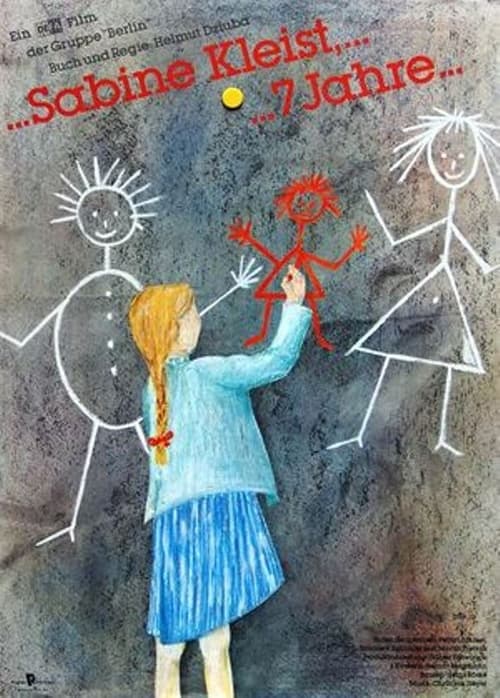
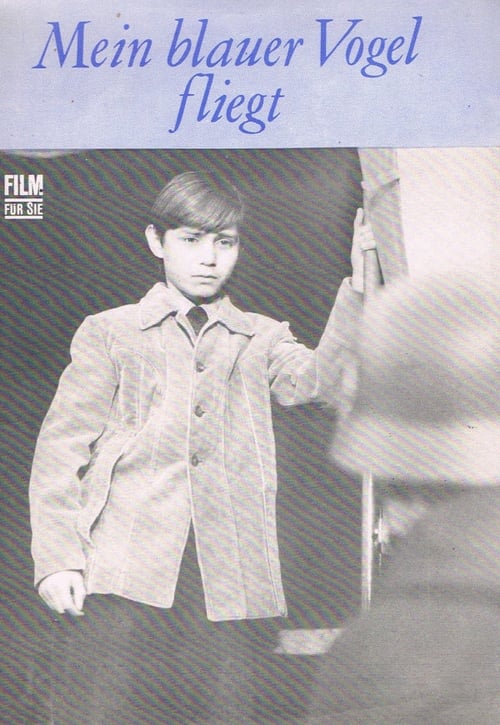
Little Sabine has spent her childhood in an orphanage after her parents died in a car accident. When one of the women in charge at the orphanage, Edith, leaves to have a baby, Sabine runs away, because Edith was the only adult there she could trust. She then wanders through the city to find someone to take her in. She meets a lot of people on her journey, but she seems out of place everywhere she goes until, at last, she realizes that there is a special place where she belongs.
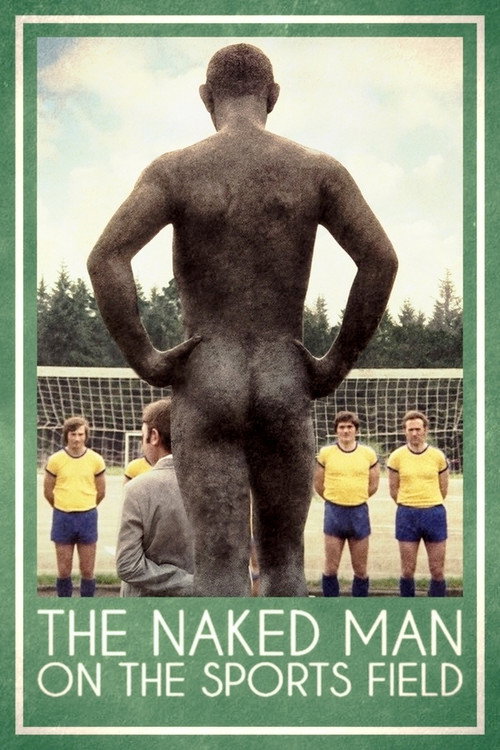
Kemmel, a sculptor with a troubled nature, wonders, as he approaches his fortieth birthday, whether he has created any truly significant work.
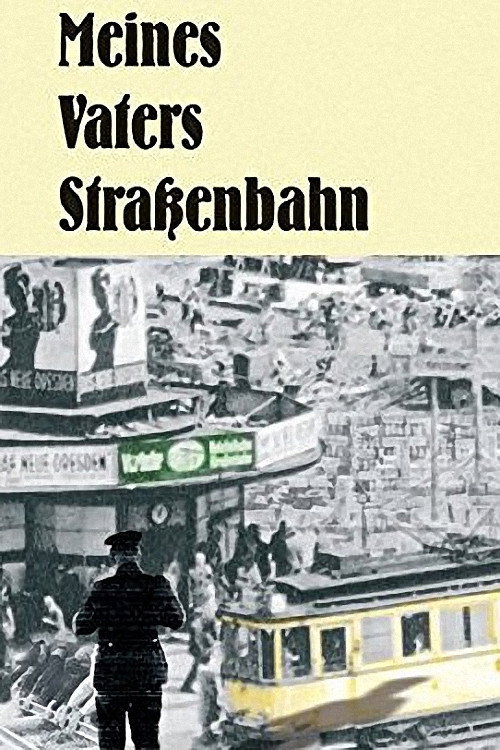
Ralph grows up in pre-war Dresden as the eldest son of a principled and orderly streetcar conductor. With the rise to power of the Nazis, the war, the collapse and the hesitant new beginning, his firmly established middle-class world is also thrown off course. His father is one of the first to be called up to the front. His mother is left alone with the responsibility for Ralph and his younger brother Achim. In the air-raid shelter, during the nights of bombing and later in the daily struggle against misery and hunger, the mother quickly abandons all moral baggage and develops a pragmatic will to survive, for which she admires Ralph. At the same time, the boy is frightened by his mother's desperate claim to happiness because he perceives her affairs as a betrayal of his father, who has gradually faded into a symbol of a happy, carefree childhood.
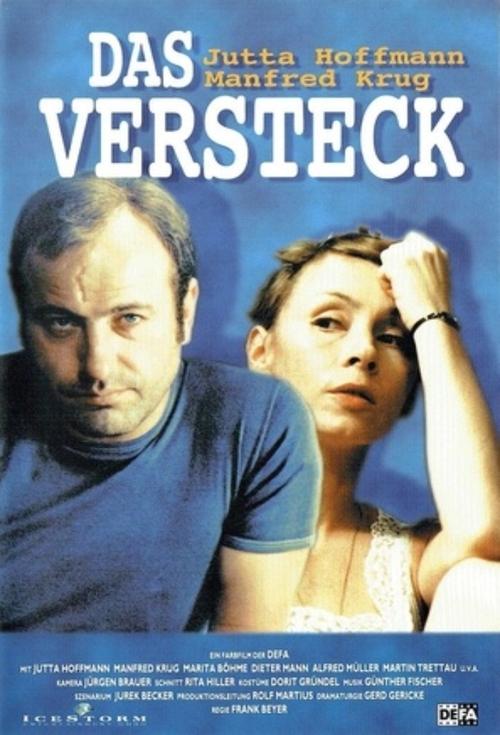
One year has passed since Max and Wanda got their divorce. Max has come to the realization that he wants his ex-wife back - no matter what the cost! So he concocts a sneaky plan: he asks Wanda to hide him from the police, who are apparently looking for him. At first, Wanda rejects all his attempts to restart their relationship. But she is soon unable to resist Max's convincing promises and even throws her lover out of the house. But then she discovers Max's lie.
Based upon a true story, the movie centers on the German communist Robert, a "Kapo" in a concentration camp. When some Polish children are brought to the camp, Robert tries to save them from certain death. Due to his efforts they are being trained as masons and become part of his construction gang. Nevertheless, the boys, and mainly the clever Janusz, are very suspicious of Robert. They have already experienced too much evil and do not want to trust anybody – least of all a German.
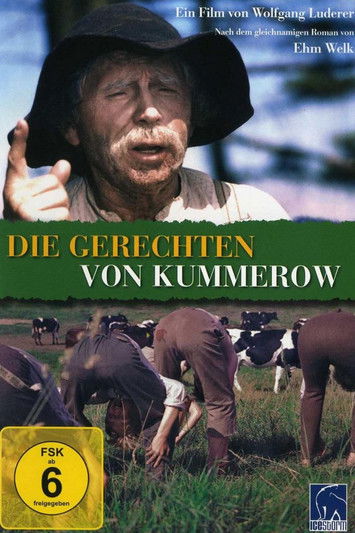
In a remote Prussian village, the shepherd Krischan with his fantastic stories is the attraction point for the children. One day they experience together how the Müller Düker beats his horse to death and intervene. Düker sues her for body injury at the district court, and because the main accused, Krischan, lives illegally in the village without papers, the village community decides to deport him before the trial. Krischan disappears. The children feel the loss painfully, are outraged by the adults. The boys Martin and John search for Krischan on an adventurous ride and are put by the police. Krischan remains gone.
From Martin Anderson Nexo's novel comes this loved story of a Swedish boy and his elderly father trying to make a better life for themselves in Denmark. A bleak future quickly becomes apparent when the two find employment on a farm full of misery.