Axel de Roche
Directing
Known For
Annual awarding of the Grimme Awards.
Grimme Award
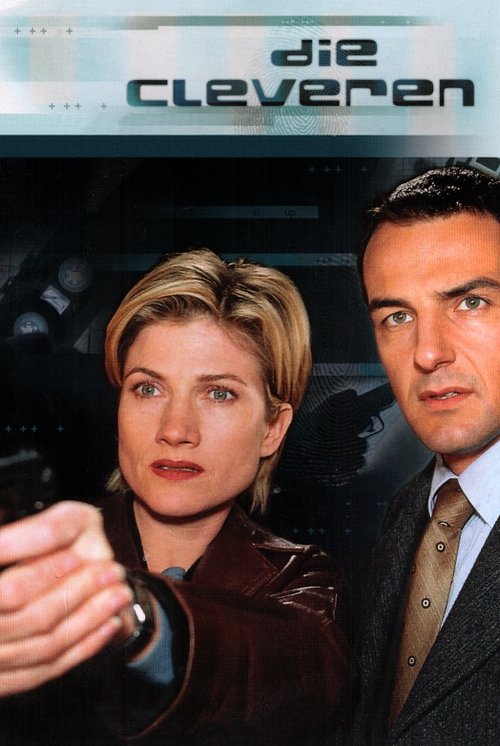
Die Cleveren is a German television series that was produced from 1998 to 2003 on RTL. It is about a nation wide special unit of the German Bundeskriminalamt, dealing with serial offenders. The main characters are the profiler Dr. Dominik Born and a policewoman of the BKA, who co-ordinates the necessary steps to be taken by the local police authorities.
Die Cleveren
No description available.
Der König

This critically acclaimed drama focuses on the Drombuschs, an average German family living in Darmstadt near Frankfurt.
Diese Drombuschs
No description available.
Der Fürst und das Mädchen
No description available.
Sardsch
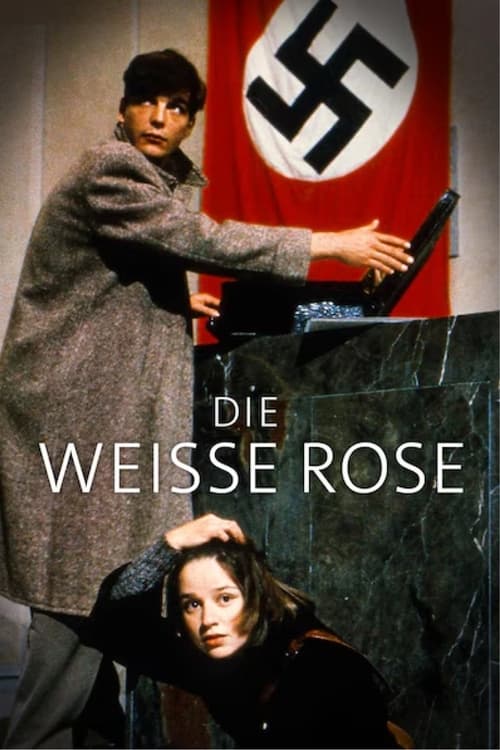
During the Second World War, a small group of students at Munich University begin to question the decisions and sanity of Germany's Nazi government. The students form a resistance cell which they name the "White Rose" after a newsletter that is secretly distributed to the student body. At first small in numbers and fearful of discovery, the White Rose begins to gain massive support after a Nazi Gauleiter nearly incites a student riot after a provokative speech. At this point, the matter is taken over by the German Gestapo, who pledge to hunt down and destroy the members of the White Rose.
The White Rose

Josh Engel owns a martial arts gym. Despite working daily with blows and blows, his life is calm and peaceful, as he prefers to focus on the peaceful and poetic side of the Eastern philosophies that form the basis of fights. Therefore, he is a kind of "guru" for the city's children. However, everything changes in Josh's life when Lisa is taken hostage during a criminal action. Negotiations between the bandits and the police become more tense with each passing moment. Commissioner Jackie Winter and her partner Mehmet Schulz, from the anti-crime division, have no other option and enlist the help of Josh, also known as Der Puma. It is in this extreme situation, disturbed by the tension of seeing her one step away from death, that Josh will be forced to use all his knowledge and techniques to try to save Lisa's life.
Der Puma - Kämpfer mit Herz

When a young woman investigates her town's Nazi past, the community turns against her.
The Nasty Girl
Alice Mancini, the young German wife of the Italian ambassador in Berlin, Mario Mancini, unexpectedly meets her husband's younger brother Vittorio who is presumed dead. Vittorio makes several mysterious references to the fate of Mario's first wife Alma, who apparently committed suicide ten years previously. Her curiosity aroused, Alice starts doing some research - but gets no answers either from her husband or his family. Several warnings later, when Alice still won't stop digging up the past , she suddenly finds herself the subject of an evil and complex intrigue: she is suspected of murder, and is forced to flee.
Alice on the Run
No description available.
Geraubte Unschuld
Prosecutor Thomas Kopper is transferred to Berlin and confronts the cigarette mafia after a warehouse manager is executed. As Kopper pursues justice, his car is bombed and key witnesses die. Facing a possible leak within the prosecutor’s office, and suspecting his new lover or even the justice minister, he fights to expose the syndicate.
Honigfalle – Verliebt in die Gefahr
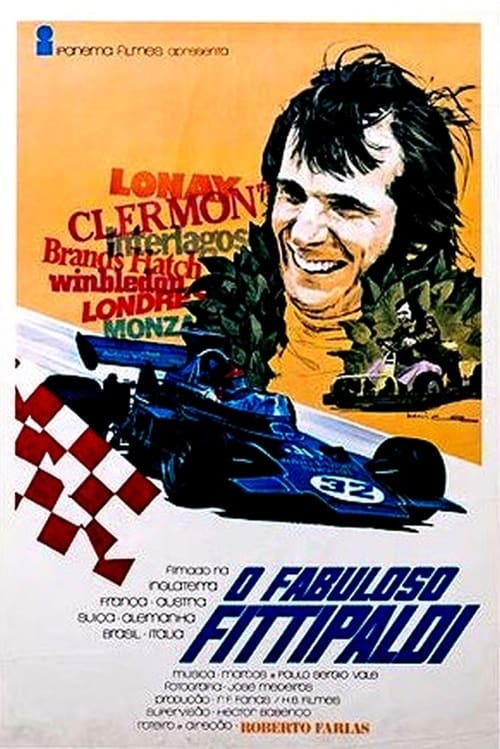
Documentary about race car driver Emerson Fittipaldi
O Fabuloso Fittipaldi
Film by Michael Verhoeven.
Schlaraffenland
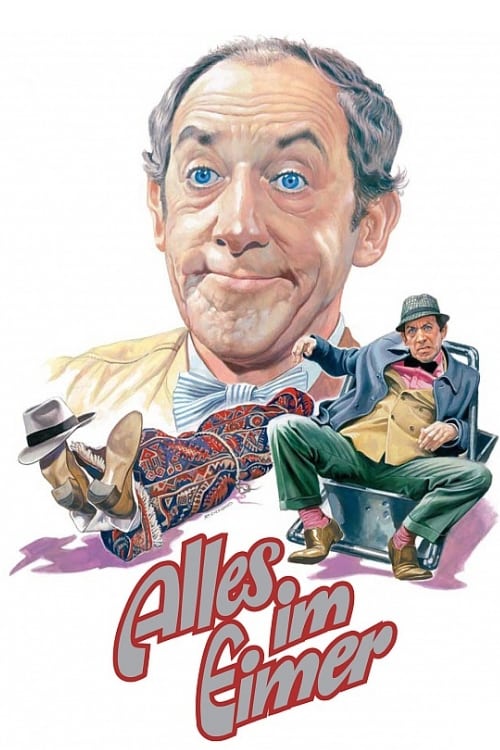
The unsuccessful inventor Leo Bergert is the awkwardness in person: Everything he tackles goes wrong. His latest project, the development of a totally new fuel goes, clearly failed. Now he is deeply in debt, and the bank will immediately return their money. As also leaves him his Dauerverlobte and also the rich Erbtante nothing rausrückt, he sees only one way out: Suicide. But even while he proves to be a failure: All attempts to convey himself to death, miscarry. He hires a hitman to kill him. But then his situation improves suddenly, he wants to live and make the job undone. But that turns out to be not so easy.
Alles im Eimer
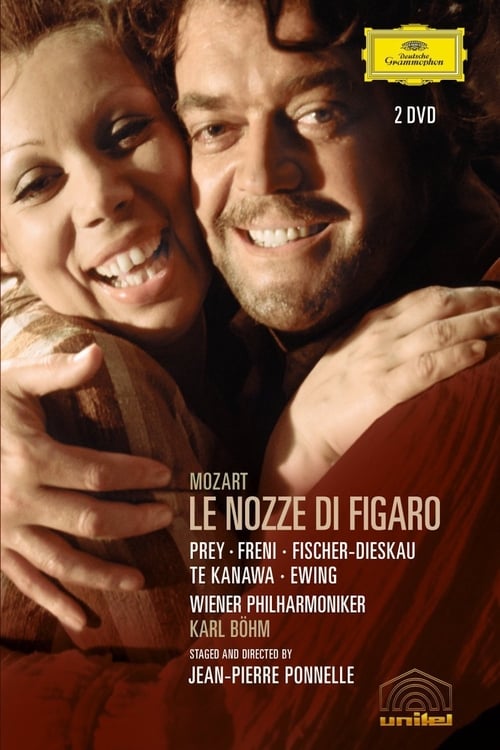
Mozart's Marriage of Figaro is a comedy whose dark undertones explore the blurred boundaries between dying feudalism and emerging Enlightenment. Herman Prey's Figaro is admirably sung in a firm baritone and aptly characterized. So too, is his antagonist, Dietrich Fischer-Dieskau as the Count perpetually frustrated by the scheming wiles of Figaro and Susanna, here the perky Mirella Freni, who sings and acts like a dream. The Countess is creamy-voiced Kiri Te Kanawa, and the Cherubino, Maria Ewing, looks just like the horny, teenaged page she's supposed to be. The all-star leads are complemented by worthy supporting singers, the Vienna Philharmonic at the top of its form, and the experienced Mozartian, Karl Böhm conducting a stylishly fleet performance.
The Marriage of Figaro
No description available.
Rosamunde Pilcher: Die Rose von Kerrymore
No description available.
Meine grüne Freiheit - Ein Frühling in Irland

Rita Schuhmacher works in a music publishing house in Munich and is once again without a steady boyfriend. Then one day the dapper lawyer Paul shows up at her publishing house. And instead of suing her, he falls in love with Rita and she with him. The first major problems in their relationship arise when he introduces his girlfriend to his posh parents. They don't think much of the unmannerly Rita.
La Dolce Rita
The tranquil family life of a police officer is disrupted when a colleague on duty goes berserk and expects him to make a false statement. A question of conscience? But how does one live with a guilty conscience if one violates the unwritten laws of the police?