Acting
Tatort is a long-running German/Austrian/Swiss crime television series set in various parts of these countries. The show is broadcast on the channels of ARD in Germany, ORF in Austria and SF1 in Switzerland.
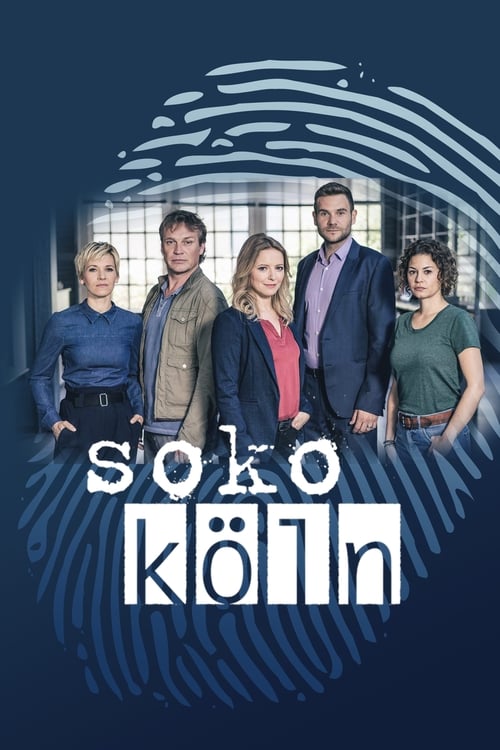
The SOKO Köln investigates the cathedral city with humor and often with hard work. Their cases take them into a variety of environments, from the Cologne clique to the terraced housing estates on the outskirts of the city.
The spin-off to the original series 'In aller Freundschaft' focuses on the young doctors in a fictional clinic in Erfurt. In this emotional drama series, hospital staffers and patients navigate life's challenges.
Polizeiruf 110 is a long-running German language detective television series. The first episode was broadcast 27 June 1971 in the German Democratic Republic, and after the dissolution of Fernsehen der DDR the series was picked up by ARD. It was originally created as a counterpart to the West German series Tatort, and quickly became a public favorite.
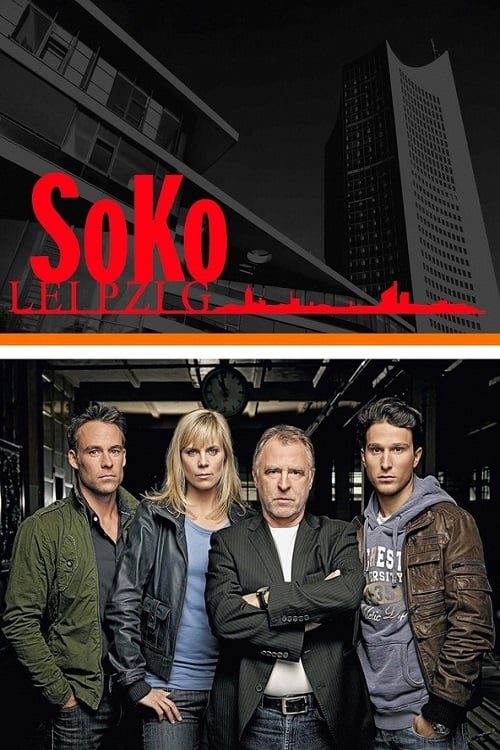
SOKO Leipzig is a German police procedural television programme, a spin-off of the earlier German police programme SOKO 5113. It was first broadcast on 31 January 2001, on German television channel ZDF. On 12 November 2008, the first part of a two-part crossover between SOKO Leipzig and British police procedural The Bill was aired, with the same version being shown on both ZDF and British television channel ITV1.
No description available.
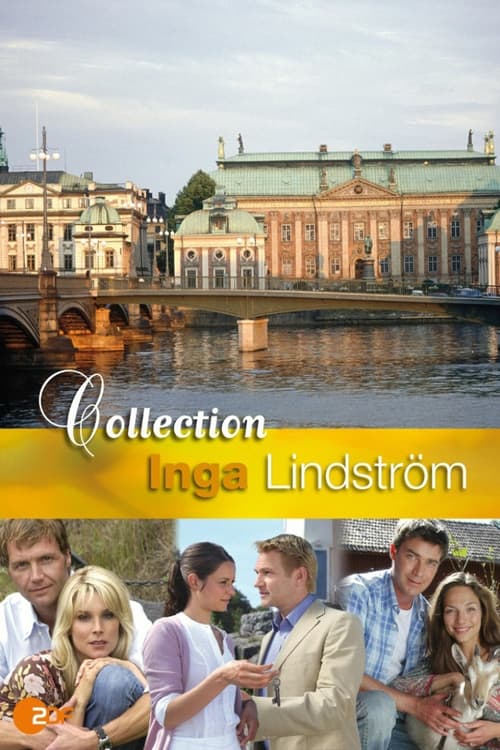
Series written by Christiane Sadlo about writer and journalist under the pseudonym "Inga Lindström" and her family. Characterized by impressive landscapes, all of which are shot on location in Sweden. Series has no continuous storyline, and each episode is filled with new characters.
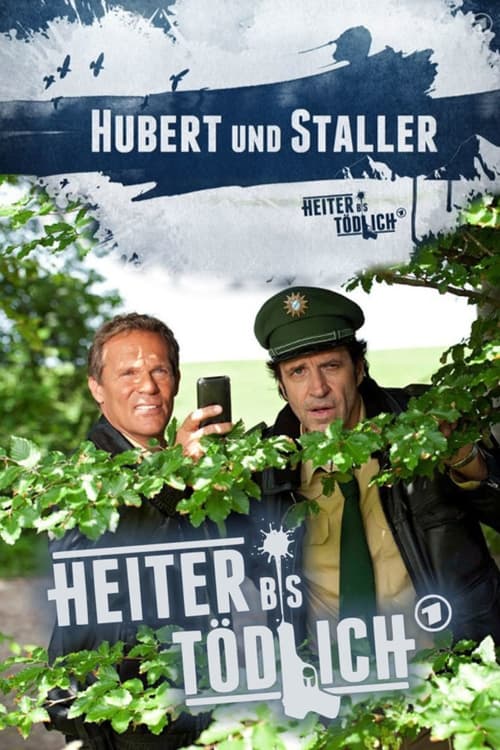
A show about two Bavarian police officers, Franz Hubert and Johannes Staller, who sometimes work a bit differently. Where Franz wants to follow regulations, Johannes likes to do things his own way.
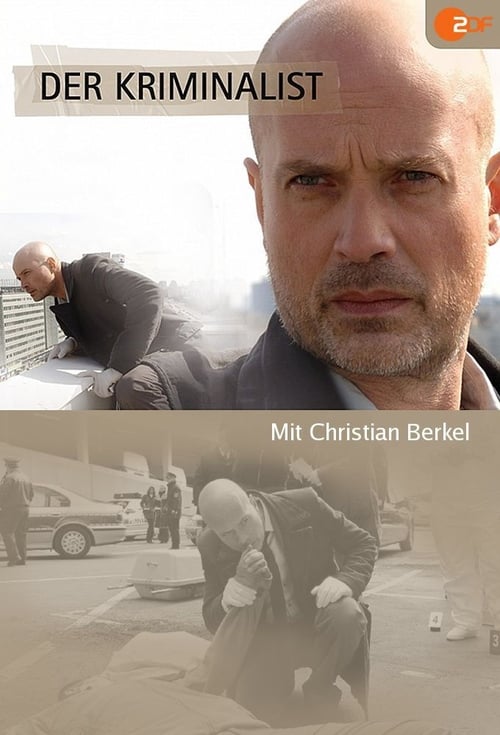
Der Kriminalist is a German television series produced by Monaco Film Hamburg, subsidiary of Odeon Film. Directors during the first season were Sherry Hormann and Torsten C. Fischer, during the second: Thomas Jahn, Jobst Oetzmann and Torsten C. Fischer.
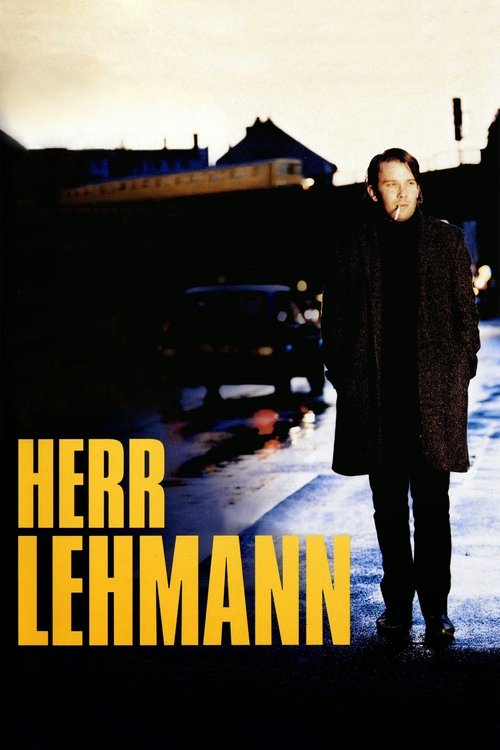
In October 1989, the part of the West Berlin borough of Kreuzberg called SO 36, had been largely shut off by the Wall from the rest of the city for 28 years. A lethargic sub-culture of students, artists, bohemians and barflys had flourished among crumbling buildings. Part of that microcosm is barkeeper Frank, semi-formally called 'Herr Lehmann' by friends and patrons. He hangs out drinking, sports utter disregard for anything beyond SO 36 and lazily pursues an affair with cook Katrin. His lifestyle is gradually disturbed, when his parents show up for a visit, things go awry with Katrin and his best friend Karl starts to act strange. Meanwhile, political turmoil mounts on the other side of the Wall.
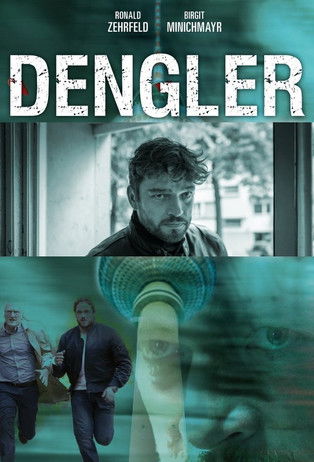
Georg Dengler is a private investigator after his unpleasant departure from the BKA. His missions, which are often very politically explosive, take him to all areas of Germany and also to other European countries. His experience and connections from his time at the BKA benefit him, and he now mostly works with the people he previously had to hunt down. The series is a film adaptation of the Dengler novels by Wolfgang Schorlau and has been broadcast on ZDF since 2015. A characteristic feature of Schorlau's works is the criticism of social and political conditions; the films in the series are often based on true events, but the specific plot is fictitious.
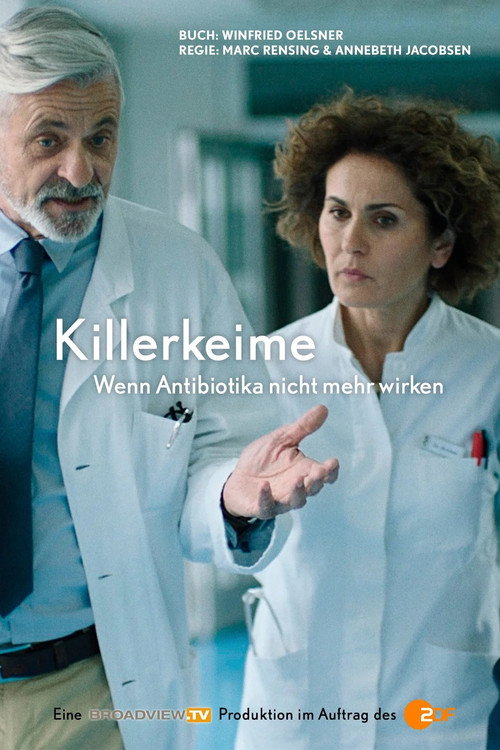
The docudrama addresses the global threat posed by antibiotic-resistant bacteria. The film takes a scientifically grounded approach to exploring what lies ahead if antibiotics lose their effectiveness, and how and why resistance continues to spread. It places a particular focus on Germany—specifically the German healthcare system, German agriculture, and the German pharmaceutical industry.