Acting
The role of events in the seventies of the last century, when Kuwait was an example of human and material development and progress. The series deals with several social and humanitarian issues, such as social class, materialism, love of control and equality between men and women, through three families that struggle directly and indirectly among themselves.
No description available.
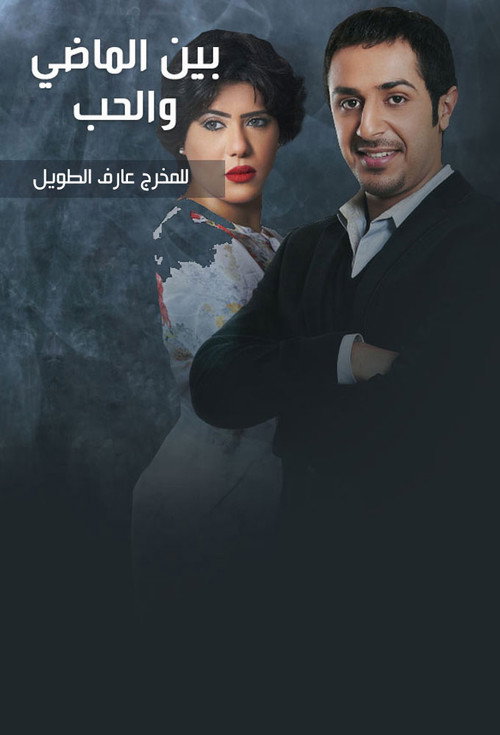
When romance is mixed with social issues and problems, it will inevitably express a real reality about love relationships, marriage, divorce, various social and family issues, and the traditions and customs of the surrounding society.
Laila lives with her mother in London. After she spends her life wondering about her father whom she has never seen, her mother's death leads to the discovery of important papers that reveal a shocking truth about her father and what he did to her mother's family.
A social comedy that revolves around Samiha and her son Hilal, and his uncle Dahi’s interference with their lives, until he marries Fawzia, so Hilal tries to convince his mother to marry the divorced Nouf, but his mother rejects the matter, until she recognizes Nabil and everything changes.
In 1967, three brothers from the Badr Al-Dajji family live on his personal path, Haji, the older brother who owns a sweets shop, the middle brother who died early, and the younger brother who takes what he is unjustly entitled.
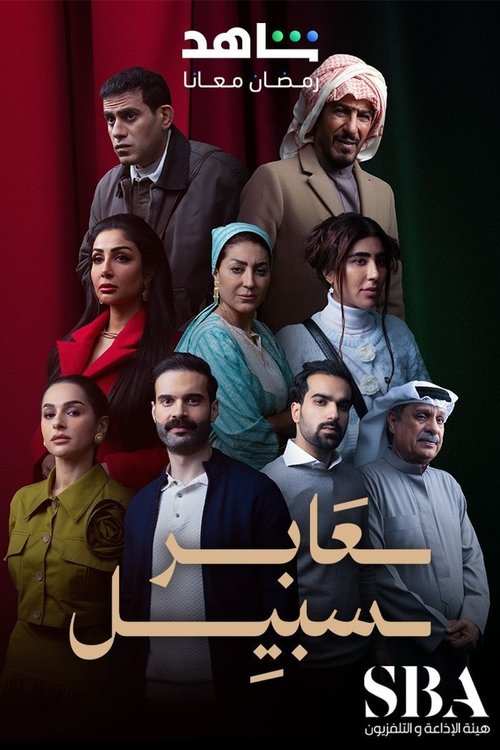
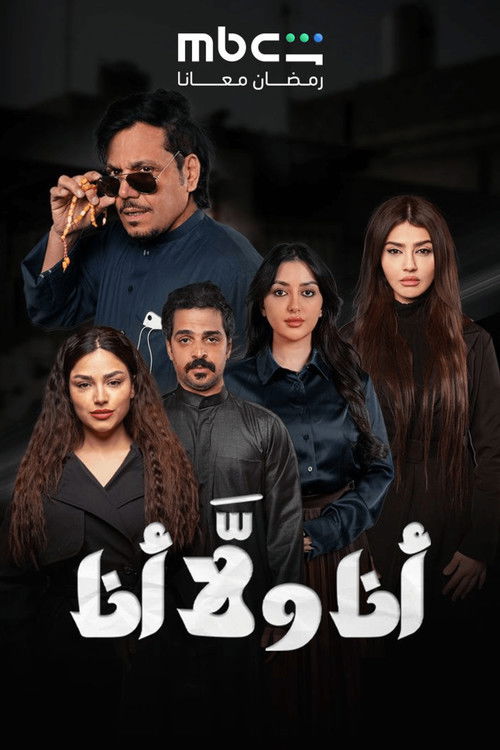
A gripping drama about family, ambition, and deception. Aaber seeks to claim his late brother Jan’s inheritance, clashing with Jan’s widow Sabah, who guards a secret. Aaber teams up with Zainab, a mother plotting to reclaim her son, while Ayoub and his wife Habiba face a custody battle against their scheming half-sister Hind. Mixing dark comedy and intense drama, the series explores whether innocence can overcome greed or if self-interest will triumph.
Umm Jassim takes care of her children and her business after her husband's death. Sultan competes with her in the market, and he agrees with his assistant to spy on her for his own benefit and take revenge on her. However, Sultan eventually gets what he deserves for what he does.
The series deals with the story of three girls in their first year at university, and the problems they face in that new life with its variables, in addition to family life.
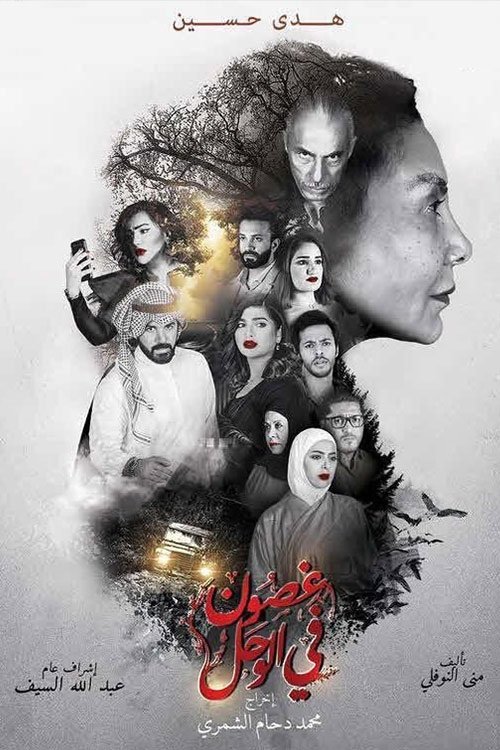
In a social framework, the events revolve around Laila, who suffers from the treatment of her husband Jacob, and when her cousin Rashid is killed, he flees from the country, and with him his son and years later he returns again.
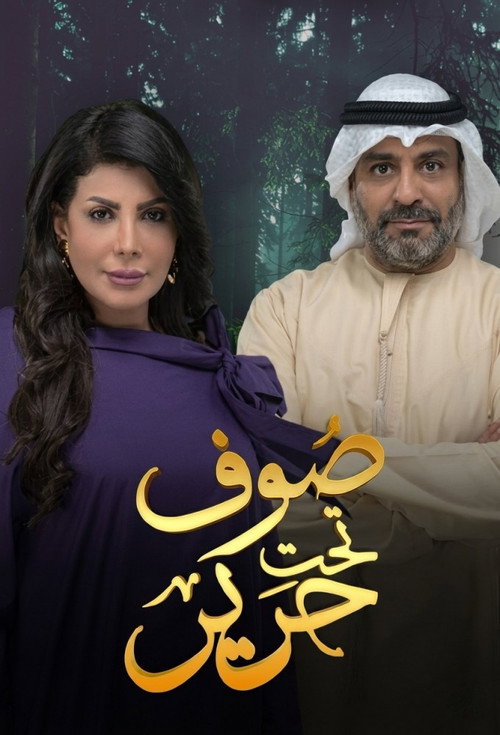
A 40 year old woman with mental problems that made her aggressive and hate people, she tries to hurt them as a revenge for her condition.
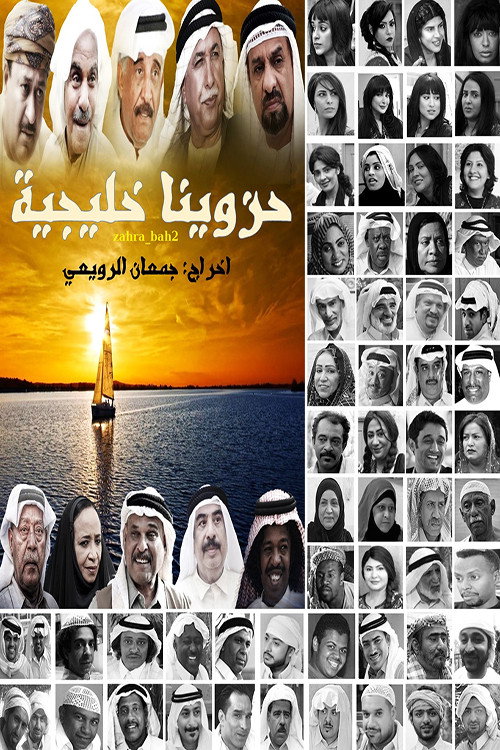
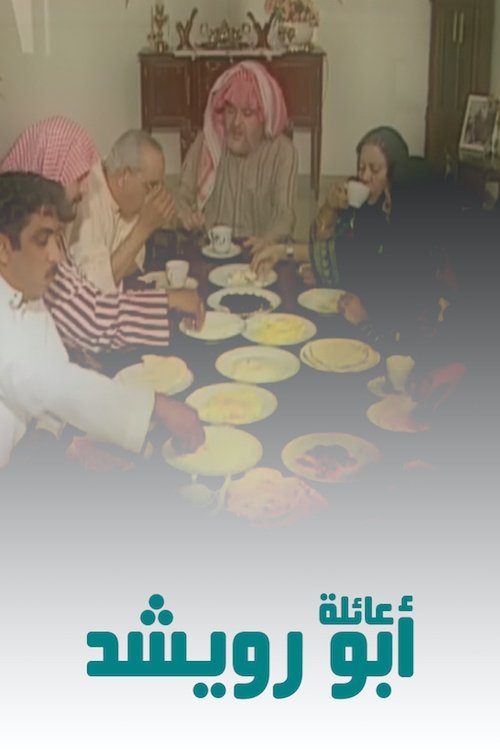
The events revolve around the life of (Abu Ruwaished) and his ramified and intertwined family consisting of his sons and daughters who are married to his sons and brother (Abu Marzouk). The whole family lives in the same house. The events deal with the relationships between each couple and the comic situations that happen between them.
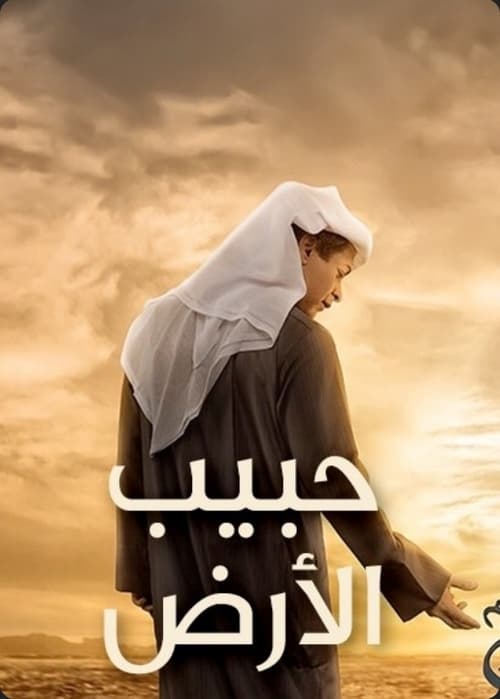
The series in the form of social drama deals with the life of a deaf and dump orphan who cannot express his sufferings and demands and faces severe injustice from his relatives who seize his money.
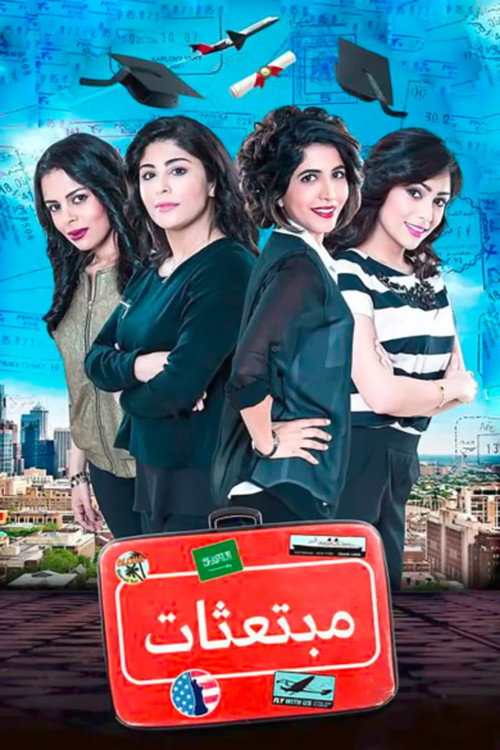
Four Saudi women travel abroad to continue their university studies. They develop a strong friendship and reveal to one another the real reasons that led each of them to study in the West. Throughout the events, the series explores the social and cultural challenges the women face while living abroad.
The story of Suleiman deals with the single 40-year-old man who lives with his misery mother and controls him and refuses his marriage so that his wife does not have children to inherit him, and the attempts of her speaking relative Umm Faisal to convince her to marry her son fail, until the speech decides to challenge Um Suleiman and cooperate with her relative, the widow Taiba, in order to marry her to Suleiman with trick.
After their father’s death, a family battles to stay afloat as fate hands over the reins to his children—revealing their true nature when everything hangs in the balance.
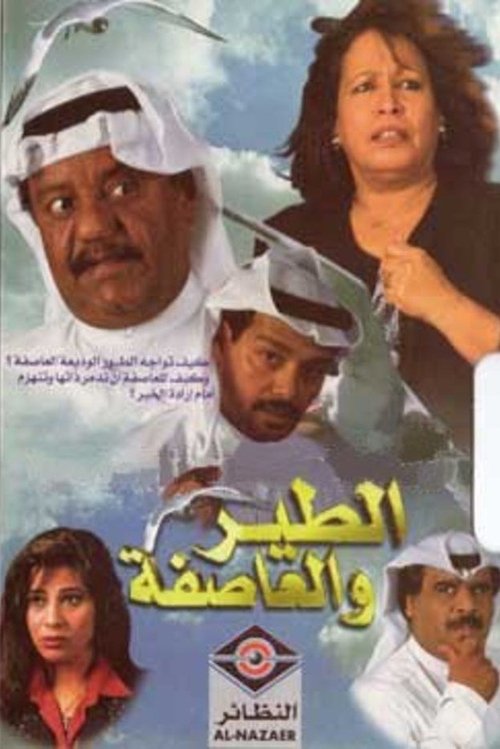
The series revolves around (Bin Zeidan), an evil man who controls the village where he lives in the midst of great injustice to its people, who realize that they will not get rid of this injustice, unless they encounter (Ibn Zeidan), so they kill and chase his followers, and expel him from the village.
The film shows the life story of the martyred poet (Fayek Abdul-Jalil), whose words were sung by many of the most prominent Gulf artists, including (Abdul-Rab Idris), (Talal Maddah), (Abu Bakr Salem), and (Ebadi Al-Jawhar), who became after his arrest by the Iraqi forces, the most famous Kuwaiti prisoner during the Iraqi invasion of Kuwait in the early nineties, after writing many patriotic songs.
Bumatih is a miserly, greedy father, lover of interests. His main concern is access to money in any way. Bumatih’s family and those around him are affected by his bad nature. We see some of his family support him and others who want to be freed from him, in addition to some social problems that occur between Bumatih, his neighbors, his only sister and her husband.