Production
Documentaries are broadcast every week on Dutch TV Channel NPO 2 under the name 2Doc: inspiring stories of the here and now.
Currently, purchasing cannabis is done through 'the back door'. What is sold legally is purchased illegally. The end of 2019 marked the start of a four-year experiment in which cannabis grown under state supervision is legally traded. This should lead to less crime and better quality weed with fewer harmful substances. After a strict selection procedure, ten growers are selected who can supply this government weed. Bromet follows seasoned grower John - who wanted to run his nursery as legally and transparently as possible, but still lost everything after a lawsuit - and the businessmen of plan C who want to grow cannabis for the first time. Bromet also interviews coffee shop owners, politicians involved and both supporters and opponents. A follow-up documentary was made in 2024.
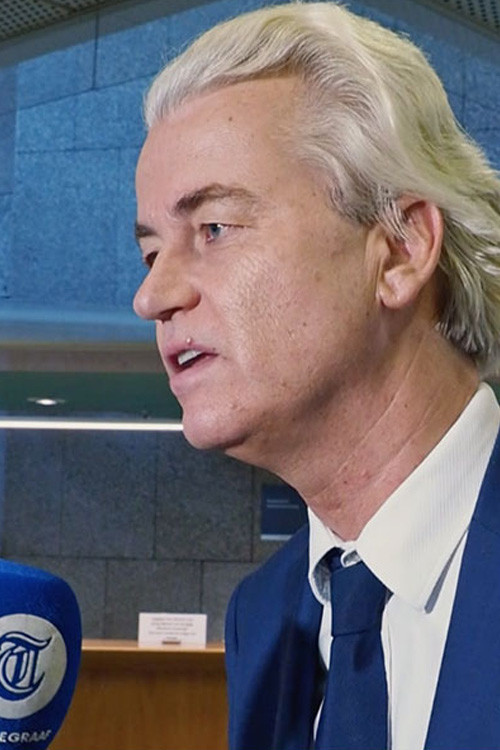
Frans Bromet seeks out representatives of various right-wing movements, opinion leaders, and parties. He wants to know what their vision of the future Netherlands looks like. What do they stand for, rather than what are they against?
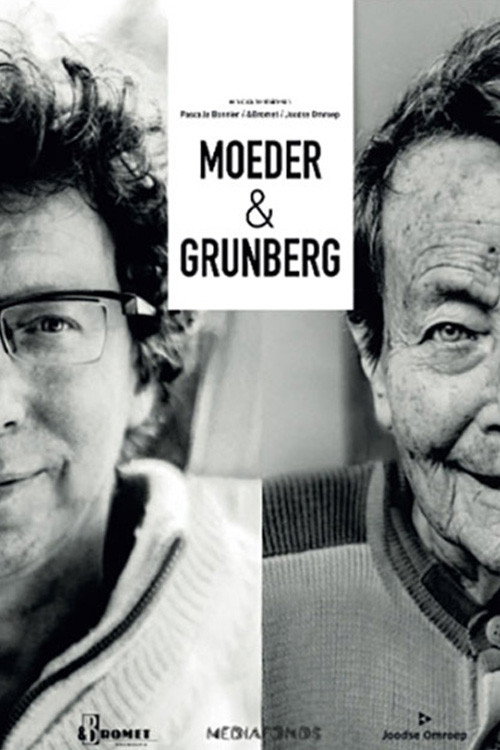
Arnon Grunberg leaves his parental home in Amsterdam South when he is eighteen. He wants to become an actor and escape his childhood nest, his dominant mother, and his taciturn father. By now, he is 44 and returns to his parents. Arnon Grunberg leaves New York for the Netherlands to write a book about his mother, Hannelore Klein. During conversations about the war years, the tension between mother and son becomes palpable, as does the unconditional love they feel for each other. The conversations are interspersed with intimate scenes, revealing the world the writer has always carefully shielded from his public life.
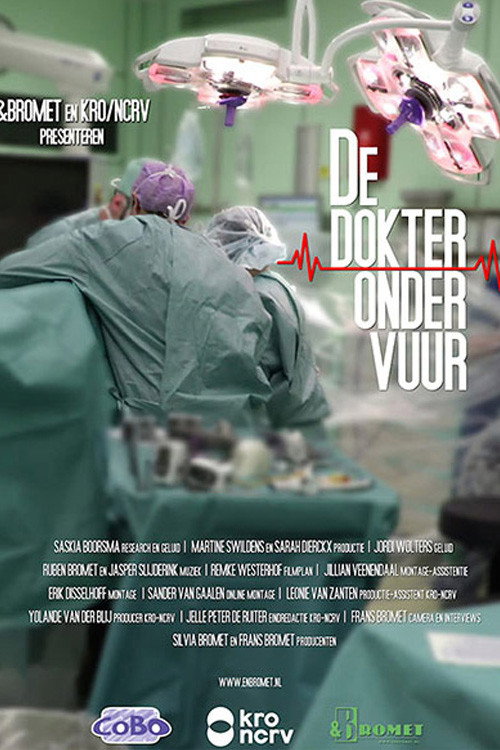
Making mistakes is human. But when doctors make mistakes, it often has far-reaching consequences. Frans Bromet speaks with doctors who have made serious medical errors. Talking about mistakes is by no means a matter of course within the medical profession. The trust that the patient places in the doctor proves to be a great asset. Betraying that trust is a devastating experience for the medical professionals. Yet they are willing to speak openly ‘because otherwise you deny the patient and their family the opportunity to understand, to process what has happened.’ But above all, because you can only learn from mistakes by making them open for discussion. Only then can hospitals actually take measures or implement improvements.
You are Jewish when your mother is too. But when a Jewish mother is absent, it is still possible to become Jewish, namely through the phenomenon of 'coming out'. Frans Bromet portrays various individuals preparing to come out: people who are already Jewish and rabbis—Orthodox and Liberal—who make coming out possible, sometimes against their will.
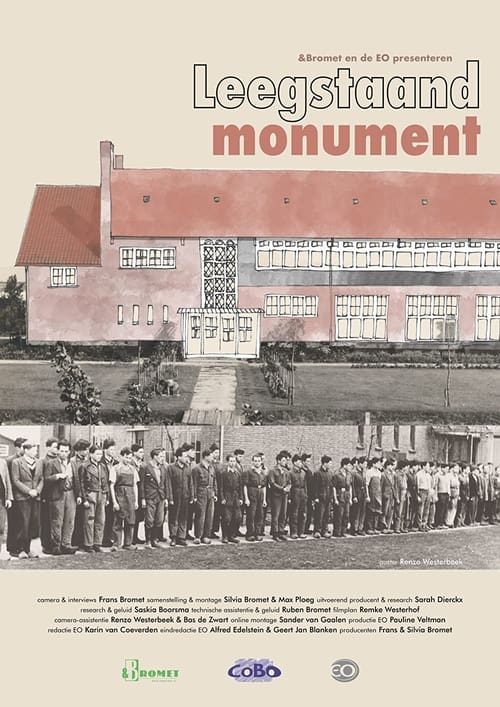
Documentary about the monument Joods Werkdorp.
Frans Bromet follows scoot drivers of different ages about their lives. He talks to them about what has changed since they got a mobility scooter, about how their living space has increased, about the limitations of the vehicle and about what is and is no longer possible in private.
Documentary series by Frans Bromet about the relationship between man and his best friend: the dog.
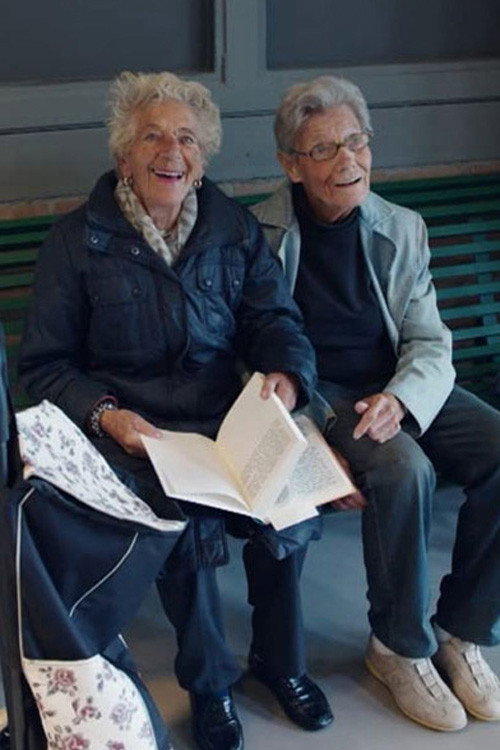
Uit elkaar is a two-part documentary by filmmakers Frans and Silvia Bromet. They followed couples who are forced to live separately after a long marriage. One of them has dementia, and living at home is no longer possible. What do you do then?
Programme maker Frans Bromet visits eight public libraries with camera and microphone and speaks to visitors, staff, and volunteers. The idea that libraries are boring institutions where you only go to borrow books and CDs turns out to be completely outdated. Everyone is welcome in the library, it is a pleasant place to spend time, and not unimportantly: the library is the only public place that is accessible for free all day long. From the homeless person to the millionaire and from the student to the pensioner: the library is a place where the whole of the Netherlands comes together.
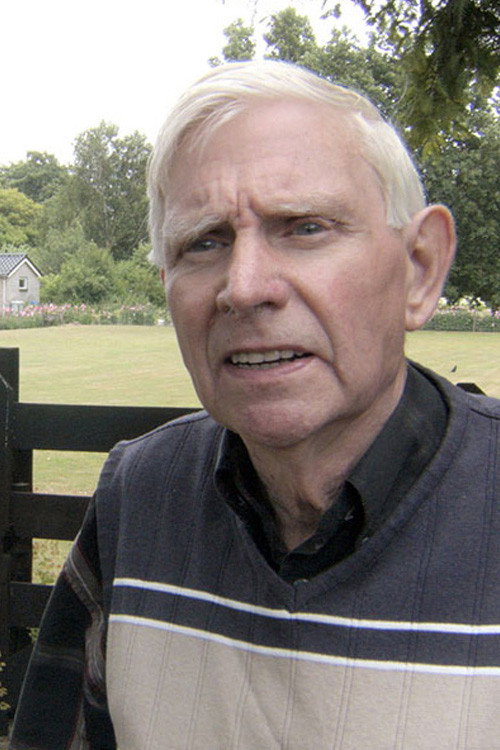
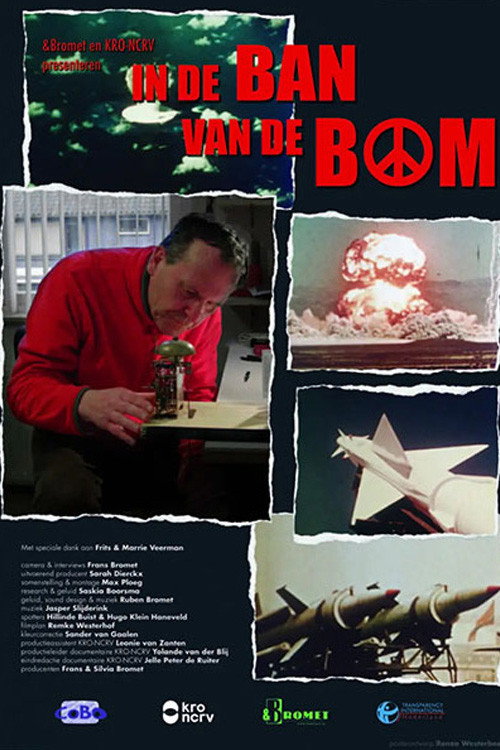
Documentary about whistleblower Frits Veerman, who in the 1970s exposed the nuclear espionage at Urenco in which his Pakistani colleague Abdul Khan smuggled nuclear data out of the country. He was fired and fought for 40 years for rehabilitation. Frans Bromet examines the moral compass of the headstrong whistleblower in the politically shadowy and high-profile espionage scandal. Bromet wants to understand what underlies years of backroom politics, an intelligence agency that refuses to grant access to the file, and international interests that apparently prevail over the protection of an observant citizen by his government. The fact that the Dutch State takes no responsibility in this matter weighs heavily, literally and figuratively, on Veerman. The threat of a nuclear bomb remains real. Will a potential rehabilitation offer the satisfaction he has been waiting for forty years?
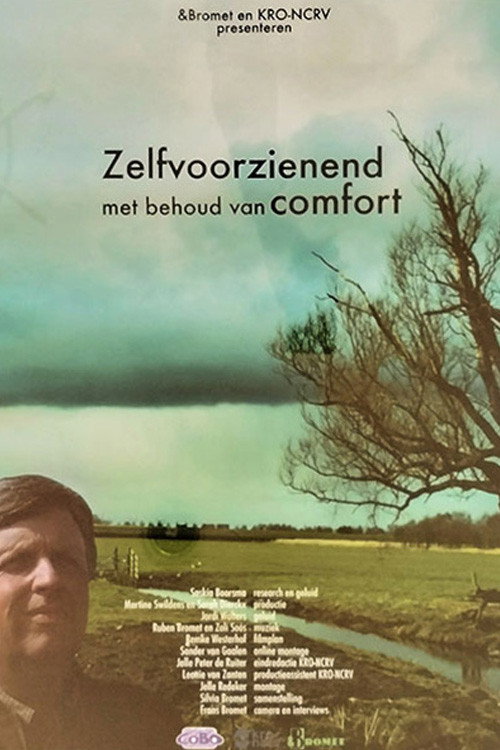
If it were up to Matthieu Smakman (52), a living community would rise in rural Purmer in the foreseeable future, where residents would be entirely autonomous in meeting their own needs. A place where vegetables come straight from the vegetable garden and you can still see the stars in the night sky, 'to get in touch with nature and bring your life into balance.' That is necessary because, at the height of Smakman's eventful career as an entrepreneur, he is often so busy that he forgets the names of his children. What begins as a small-scale and noble endeavor grows ever larger. With inexhaustible enthusiasm, the couple conquers the administrative offices. However, they also face setbacks. Will Matthieu Smakman manage to hold on to his ideals at all costs?
Beukbergen is a documentary that paints a comprehensive picture of the large-scale renovation of the Beukbergen trailer park, the largest trailer park in the Netherlands. This documentary, broadcast on NPO 2, offers a unique look behind the scenes of a project that is drastically changing the lives of many people.
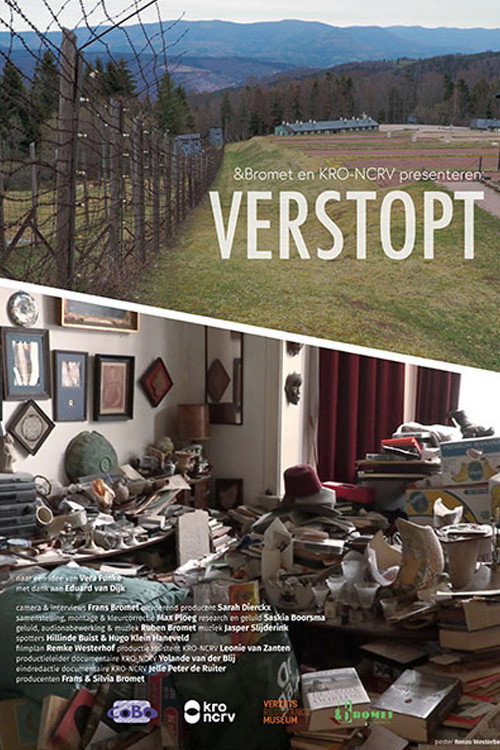
Eduard van Dijk's home has become uninhabitable. While clearing it out, emotional memories of his father, who died as a resistance fighter in the Natzweiler concentration camp, surface for Eduard. In Verstopt, Bromet follows an old friend of Eduard's: Vera. She helps to make Eduard's house habitable again. During the clearing process, it becomes clear how strongly Eduard is attached to all his belongings: with every book he picks up, he has a special memory. Will Vera succeed in making the house habitable again? And will Eduard manage to part with the items to which he feels so emotionally connected?
In 2022, 92% of those affected encountered aggression or violence. Frans Bromet portrays six influences who encounter violence while carrying out their work. The violence with which the actual consequences are, leaves personal physical, especially mental, traces.
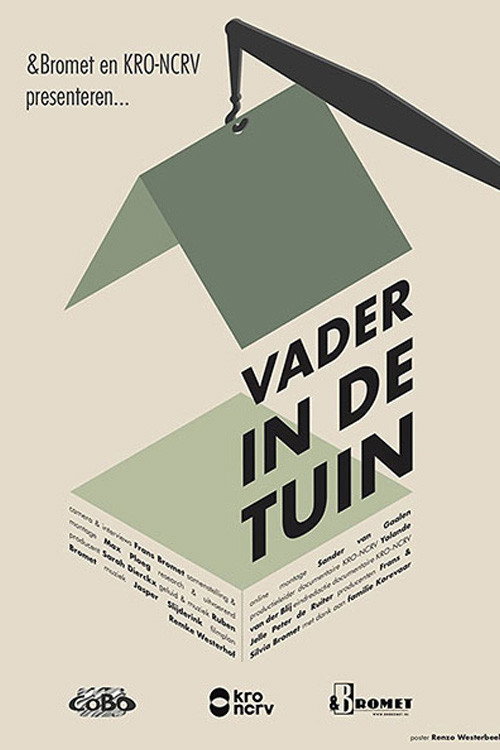
Grandpa Koos (89) is a widower and still lives independently, but he is becoming lonely and his health is deteriorating. He does not want to spend his last years in a nursing home. Daughter-in-law Anita suggests that he could come and live with them in the garden. One day, a brand-new, ready-made care home is hoisted into the garden.
In 1995, Frans Bromet created the successful series Opvoeden (Raising Children), in which he portrayed families facing significant parenting challenges. Twenty years later, Frans looks back on the difficult childhoods of the now-adult children. As ‘products’ of their parents, are the protagonists capable of taking a completely different approach, or does the parenting style they inherited prove to be deeply embedded in their DNA?
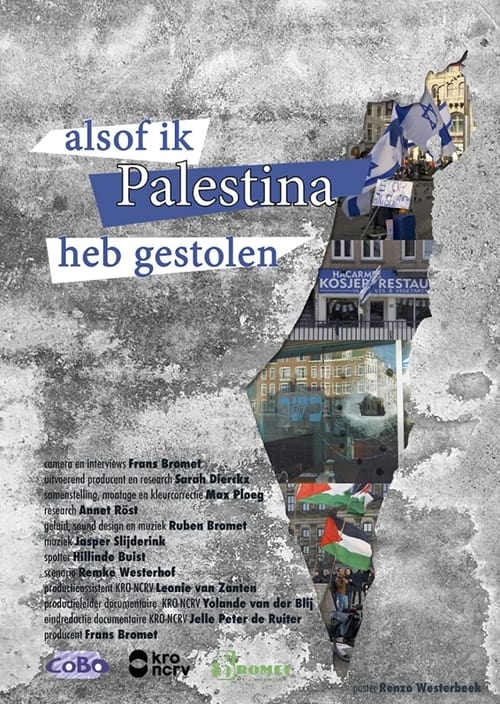
Criticism of Israel is often labeled as antisemitism, particularly by a segment of the Jewish community. To what extent is this the case? Frans Bromet asks people with differing viewpoints on this complex subject.
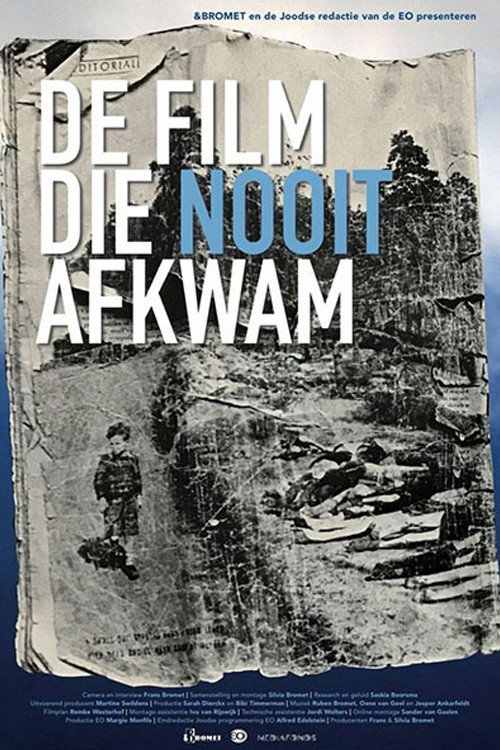
In the late 1970s, filmmaker Frans Bromet worked on a film about Holocaust survivor and painter Sieg Maandag. The film was intended to answer the question of how one can continue living after a concentration camp. Sieg Maandag was the little boy in the famous photo in the American magazine LIFE, walking towards his freedom shortly after the liberation of the Bergen-Belsen concentration camp. The film 'Life’s Picture' was never completed at the time due to a conflict between Bromet and the producer, who envisioned a heroic film about the Second World War, whereas Bromet wanted to keep it small and personal. Behind the search for answers to the question of why the film failed, a loving monument emerges to a survivor who, despite the misery he endured, managed to create a life in which optimism and inspiration predominated.