Acting
No description available.
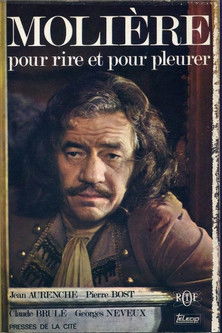
Molière pour rire et pour pleurer recounts the life of Jean‑Baptiste Poquelin, from his childhood in an artisan family to his rise as Molière, a central figure of French theatre. The series shows his difficult decision to abandon the family trade and join Madeleine Béjart to found L’Illustre Théâtre, marked by debts and repeated setbacks. While touring the provinces, he shapes his style and discovers the power of comedy. Back in Paris, he makes a name for himself with Les Précieuses ridicules, but his sharp satires provoke fierce opposition, especially during the Tartuffe scandal. Supported by Louis XIV, he continues despite attacks, literary rivalries, and tensions within his troupe, particularly with Armande Béjart. The miniseries also follows his growing exhaustion, his determination to perform at any cost, and his final breath after Le Malade imaginaire, the ultimate symbol of an artist who lived — and died — for the stage.
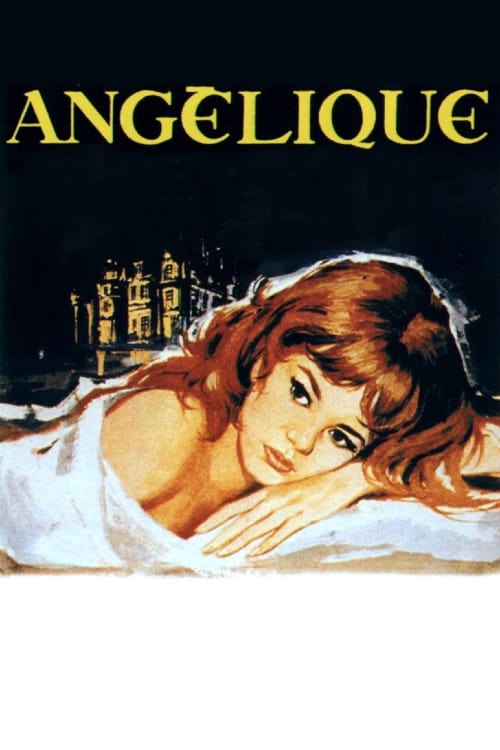
In 17th-century France, beautiful country maiden Angélique marries wealthy neighbor Jeoffray de Peyrac out of convenience, but eventually, she falls in love with him. So when Jeoffray is arrested and then vanishes, she bravely sets out to find him. This is the first of many dramas based on Anne and Serge Golon's novels about strong-willed Angélique and her adventures during the reign of Louis XIV, the Sun King.
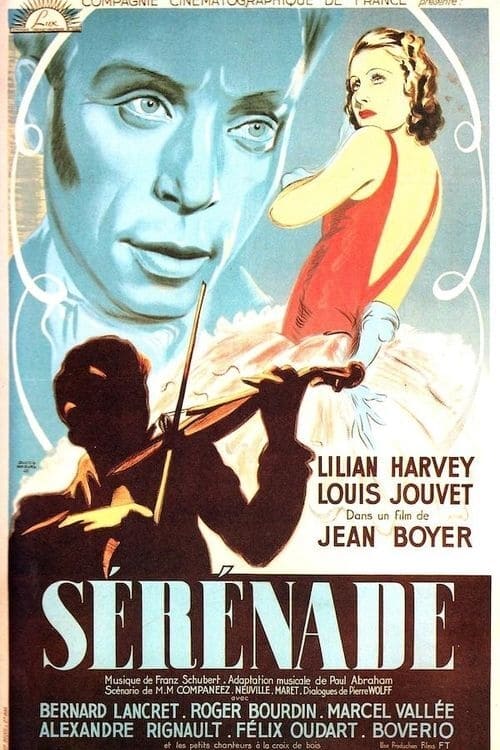
Serenade represented the return to the screen of international favorite Lillian Harvey after an absence of two years. Based loosely on the life of composer Franz Schubert, the film casts Bernard Lancret as Schubert, Harvey as his dancer sweetheart, and Louis Jouvet as a possessive Baron who has his own designs on our heroine.
Junior doctors do their first internship in a big hospital in Paris. A mandarin position is to take.
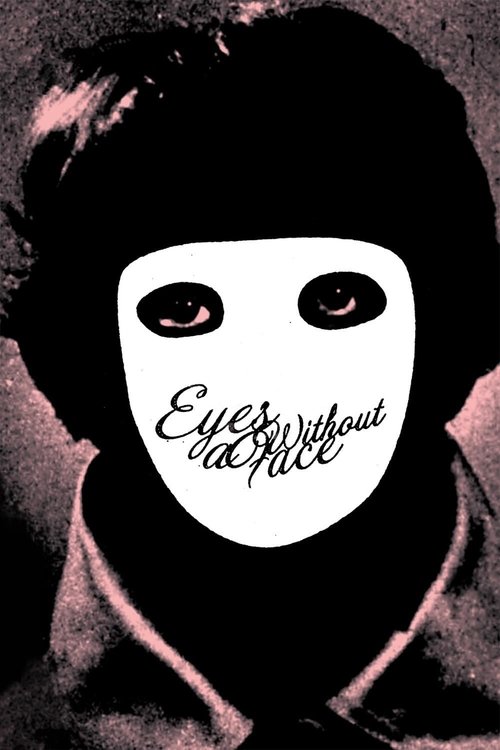
Dr. Génessier is riddled with guilt after an accident that he caused disfigures the face of his daughter, the once beautiful Christiane, who outsiders believe is dead. Dr. Génessier, along with accomplice and laboratory assistant Louise, kidnaps young women and brings them to the Génessier mansion. After rendering his victims unconscious, Dr. Génessier removes their faces and attempts to graft them on to Christiane's.
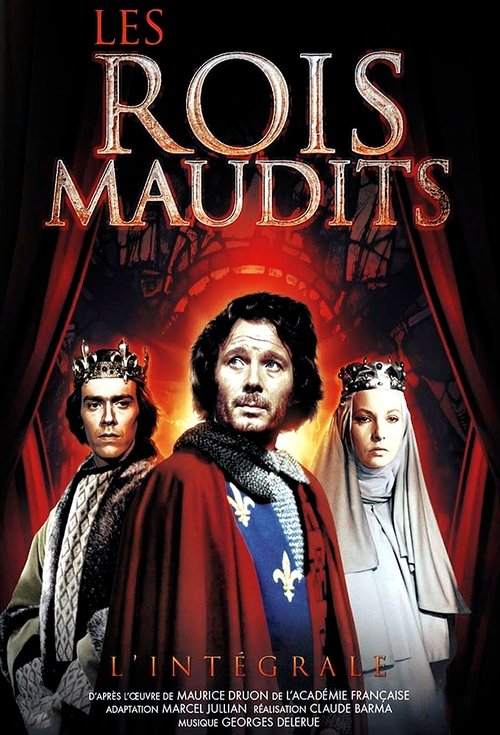
It is the start of the 14th century and Philip IV the Fair reigns supreme over France. His three sons would rule after him. Isabelle, his only daughter, is married to King Edward II of England. Under Philip's reign, France is great but its people are unhappy. Only one power dares to stand up to him: the order of the Knights Templar. When the last Grand Master of the Temple, Jacques de Molay, is burned at the stake, he curses Philip and so begins a dark period, full of blood and violence, death and tears ...
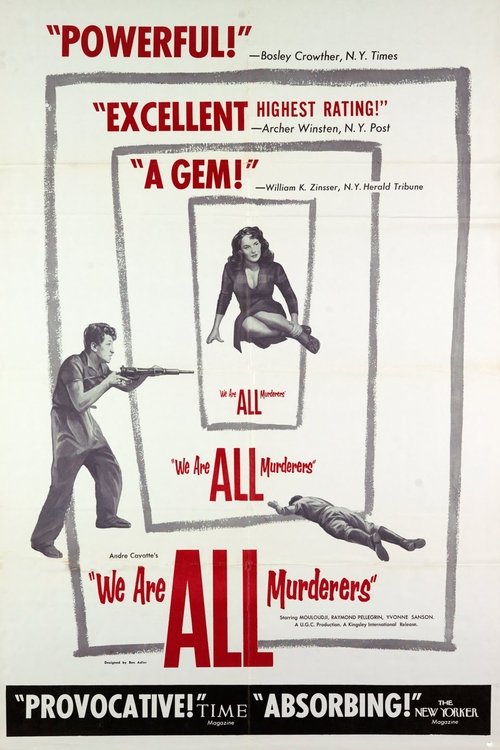
Originally titled Nous Sommes Tout des Assassins, We Are All Murderers was directed by Andre Cayette, a former lawyer who detested France's execution system. Charles Spaak's screenplay makes no attempt to launder the four principal characters (Marcel Mouloudji, Raymond Pellegrin, Antoinine Balpetre, Julien Verdeir): never mind the motivations, these are all hardened murderers. Still, the film condemns the sadistic ritual through which these four men are brought to the guillotine. In France, the policy is to never tell the condemned man when the execution will occur--and then to show up without warning and drag the victim kicking and screaming to his doom, without any opportunity to make peace with himself or his Maker. By the end of this harrowing film, the audience feels as dehumanized as the four "protagonists." We Are All Murderers was roundly roasted by the French law enforcement establishment, but it won a special jury prize at the 1952 Cannes Film Festival.
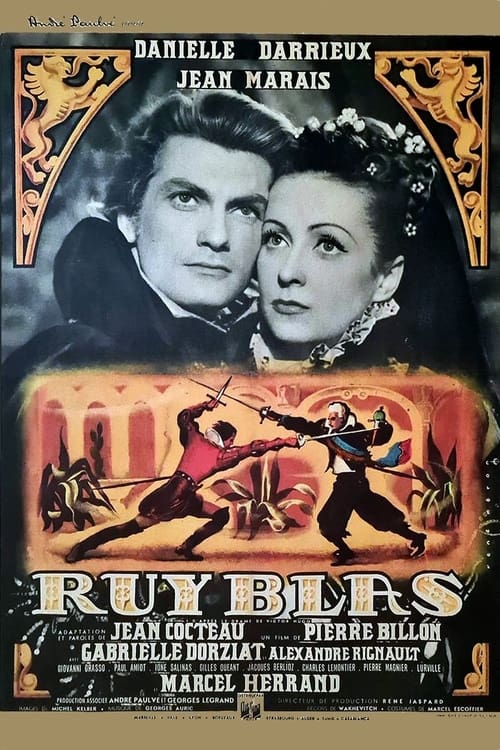
Exiled from the court of Spain, Don Salluste, the chief of police, wants to take revenge on the Queen. One day he meets Ruy Blas, a young student who happens to be a lookalike of Don Cesar, his nephew. Salluste disguises Ruy Blas and presents him as Don Cesar. It doesn't take long before Ruy Blas, intelligent, virtuous and generous as he is becomes popular and the Queen, who has fallen in love with him, appoints him Prime Minister. All seems for the best in the best of worlds but Salluste has not forgotten his revenge, far from that ...
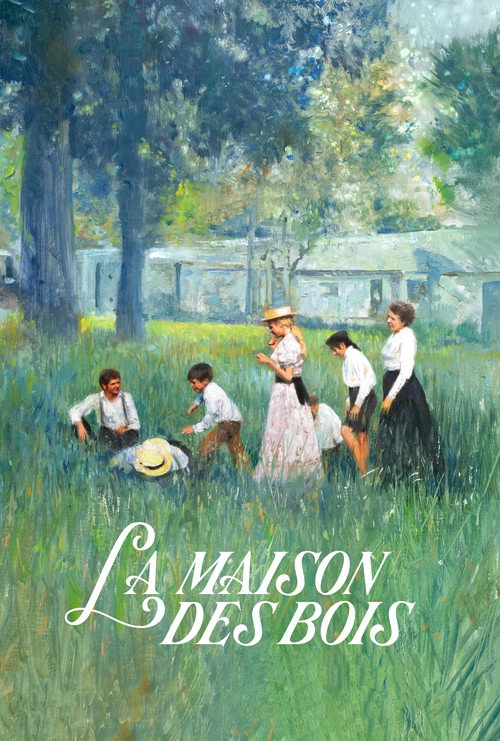
During World War One, in a small rural French village far away from the front, a gamekeeper and his wife take in children displaced by the war.
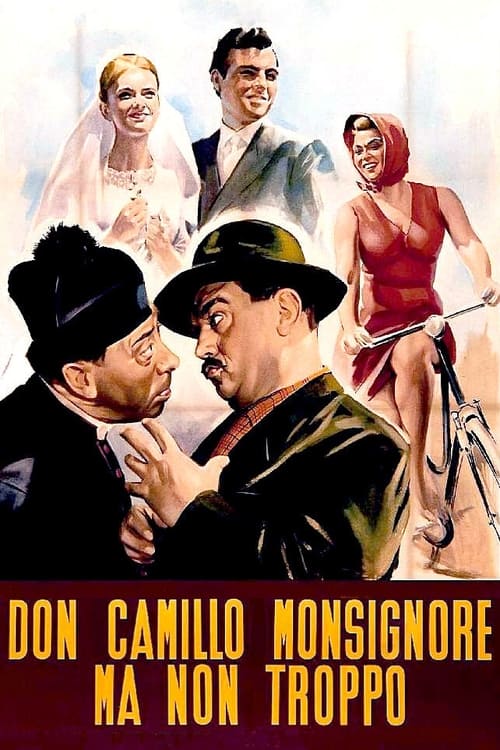
Don Camillo (now bishop) and Peppone (now senator) return to the town of Brescello and rekindle their friendly rivalry.
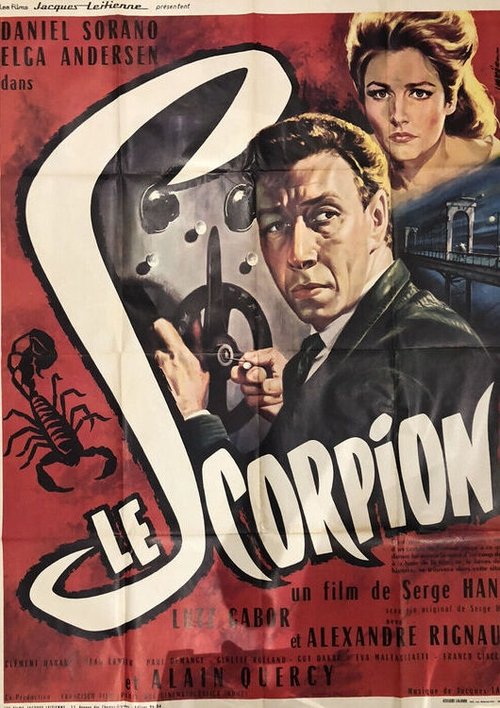
Peter is commissioned by William to rob an Amsterdam bank. He wants to find out who li is working for. With the help of Corinne, a young prostitute, he investigates and approaches the bank.
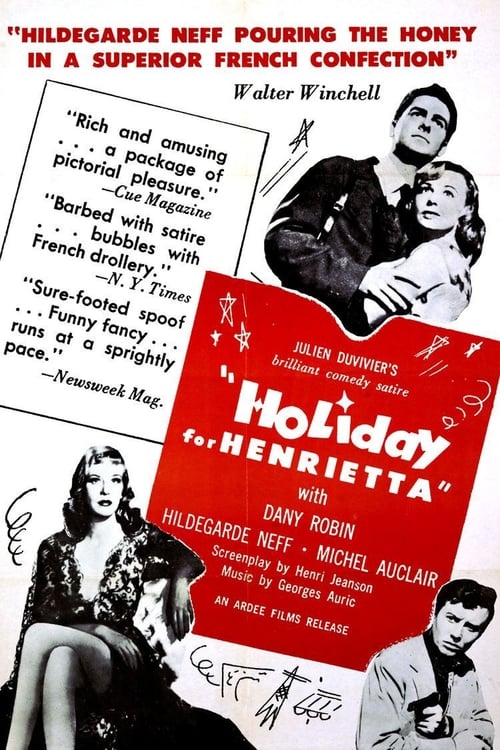
Two scriptwriters argue about the fate of Henrietta, a charming and gamine shopgirl. One favors a comical path for their heroine, who is overcome with sentimental love for a young photographer on Bastille Day. The other has a more thrilling and dastardly fate in mind for her. Among the film's irresistible conceits is Hildegarde Neff as an oversexed circus bareback rider.
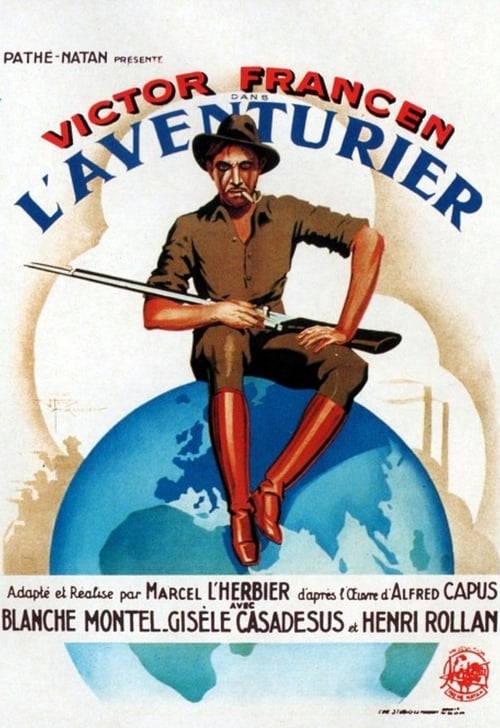
A scandalised Frenchman returns from Africa where he has been involved in illegal trading of mines (resulting in the deaths of many African miners). His bourgeois family are wary of the shame that he will bring so he must try to redeem himself and his family's name.
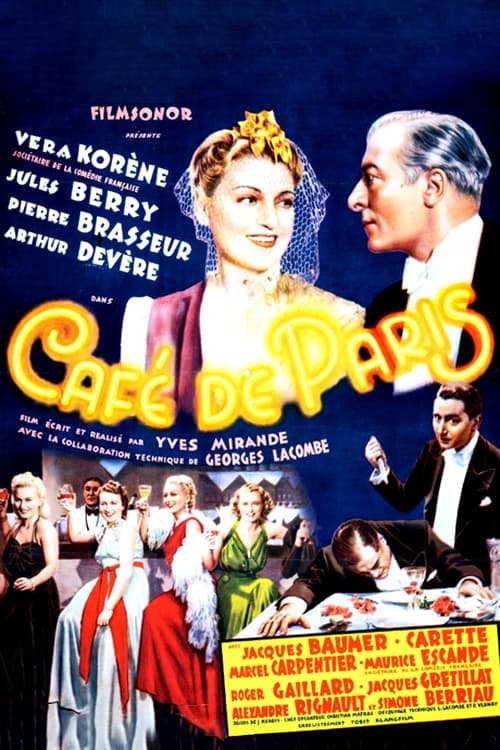
This murder mystery is set in a Parisian cafe and examines the mysterious murder of a famed journalist and extortionist who is killed at his table in the cafe. Though the prime suspects are gathered together( including his wife and her lover, the gun-runner, the creditor, and a playboy) and all of them have motives, none of them did it. So whodunit?
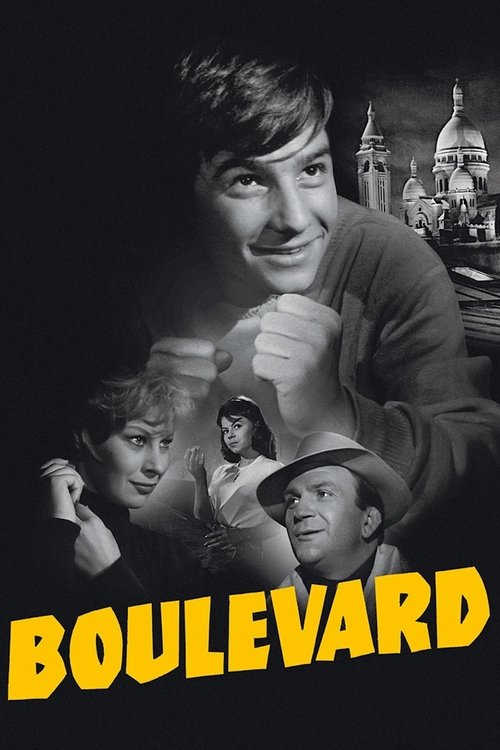
Boulevard focuses on Georges 'Jojo' Castagnier, an adolescent who lives in a poor room under the roof of a block of apartments in the Pigalle section of Paris. He ran away from home when he realized that his step-mother hated him from day-one. Among Jojo's many neighbors is the gorgeous Jenny Dorr , a nightclub dancer, whose lover he dreams of being. But, to Jojo's disappointment, Jenny becomes the lover of Dicky, a former boxer, who spends his time loafing about the Pigalle cafés. Jojo lacks for steady work, but manages to meet his financial obligations with a series of odd jobs. He tries selling magazines, which is a success for a while, though posing as Narcissus for two gay artists proves to be something of a disaster. Eventually, he woos Marietta, one of his other neighbors and a girl more suited to his age. But when things go really awry, Jojo becomes desperate and tries to commit suicide by jumping off the roof of his building
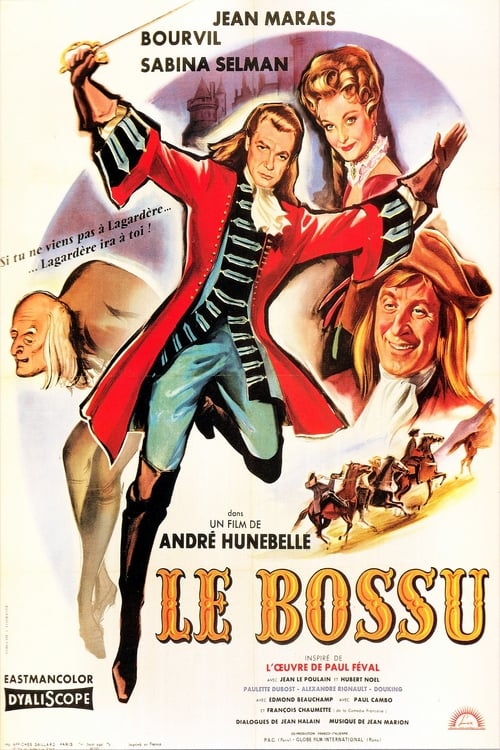
Duke Philippe de Nevers is an influential and popular man who is married to a beautiful wife called Aurore. His rival Philippe de Gonzague hates him enough to organise an attempt on him. The Duke is accompagnied by Henri de Lagardère when de Gonzague's henchmen altogether attack him. Lagardère cannot save his friend because the both of them are hopelessly outnumbered. He has to escape in order to save the Duke's daughter and swears revenge. Together with his old buddy Passepoil he raises the little girl in Spain. At the same time he returns frequently to France where he detects confronts his friend's murderers and puts them to the sword one by one until only their former leader is left. Finally he discovers that Philippe de Gonzague is the man for whom he is looking.
Fanfan is a young handsome peasant. He joins the army to escape marriage because a gypsy girl predicted he will get glory and the king's daughter as a wife. But the gypsy girl was in fact Adeline, the daughter of the recruiting officer. Once he has discovered the stratagem, Fanfan refuses to forget this dream and decides to fulfill the destiny of the fake prediction.