Arthur Miller
Writing
Biography
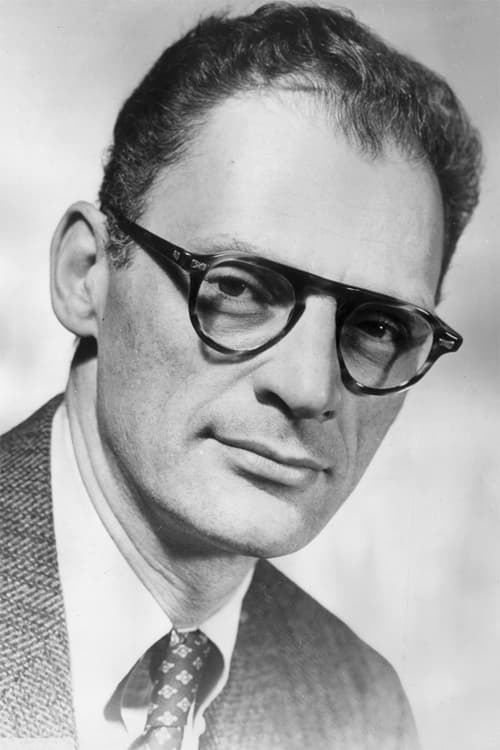
Arthur Asher Miller (October 17, 1915 – February 10, 2005) was an American actor and writer of plays in the 20th-century American theater. Among his most popular plays are All My Sons (1947), Death of a Salesman (1949), The Crucible (1953), and A View from the Bridge (1955). He wrote several screenplays, including The Misfits (1961). The drama Death of a Salesman is considered one of the best American plays of the 20th century. Description above from the Wikipedia article Arthur Miller, licensed under CC-BY-SA, full list of contributors on Wikipedia.
Known For

The best in the performing arts from across America and around the world including a diverse programming portfolio of classical music, opera, popular song, musical theater, dance, drama, and performance documentaries.
Great Performances

The Antoinette Perry Award for Excellence in Theatre, more commonly known as a Tony Award, recognizes achievement in live Broadway theatre. The awards are presented by the American Theatre Wing and The Broadway League at an annual ceremony in New York City. The awards are given for Broadway productions and performances, and an award is given for regional theatre.
Tony Awards

A BBC television anthology series featuring productions of classic and contemporary stage plays usually broadcast on BBC1. Each production featured a different work, often using prominent British stage actors in the leading roles. The series was transmitted from October 1965 to September 1983.
BBC Play of the Month

Apostrophes was a live, weekly, literary, prime-time, talk show on French television created and hosted by Bernard Pivot. It ran for fifteen years (724 episodes) from January 10, 1975, to June 22, 1990, and was one of the most watched shows on French television (around 6 million regular viewers). It was broadcast on Friday nights on the channel France 2 (which was called "Antenne 2" from 1975 to 1992). The hourlong show was devoted to books, authors and literature. The format varied between one-on-one interviews with a single author and open discussions between four or five authors.
Apostrophes

American Masters is a PBS television series which produces biographies on enduring writers, musicians, visual and performing artists, dramatists, filmmakers, and others who have left an indelible impression on the cultural landscape of the United States.
American Masters

Theatre 625 is a British television drama anthology series, produced by the BBC and transmitted on BBC2 from 1964 to 1968. It was one of the first regular programmes in the line-up of the channel, and the title referred to its production and transmission being in the higher-definition 625-line format, which only BBC2 used at the time.
Theatre 625

Anthology series of dramatic works.
ITV Saturday Night Theatre

The Kennedy Center Honors is an annual honor given to those in the performing arts for their lifetime of contributions to American culture.
The Kennedy Center Honors

The history of the sport of baseball in America, told through archival photos, film footage, and the words of those who contributed to the game in each era. Writers, historians, players, baseball personnel, and fans review key events and the significance of the game in America's history.
Baseball

A documentary on the American Civil War narrated by Ken Burns, covering the secession of the Confederacy to the assassination of Abraham Lincoln.
The Civil War

No description available.
Alta comedia

Folio, a precursor to CBC's renowned fine-arts series Festival, aired for four years starting in 1956. The series showcased original dramas, music compositions, and ballets, many originating from diverse regions across Canada. Notable episodes featured Barry Morse in a new staging of MacBeth, along with performances by Canadian talents like Robert Goulet and Sharon Acker. One of the highlights included a musical adaptation of the beloved Canadian classic, Anne of Green Gables. Airing without sponsorship, Folio thrived until its conclusion in the fall of 1960. Producers: Robert Allen, Harvey Hart, David Greene, Mario Prizek and Ronald Weyman.
Folio

The West, sometimes marketed as Ken Burns Presents: The West, is a documentary film about the American Old West. It was directed by Stephen Ives and the executive producer was Ken Burns. The film originally aired on PBS in September 1996.
The West

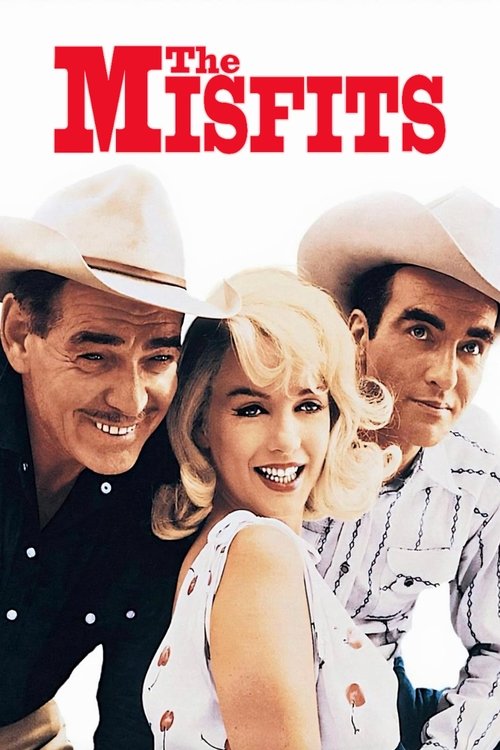
While filing for a divorce, beautiful ex-stripper Roslyn Taber ends up meeting aging cowboy-turned-gambler Gay Langland and former World War II aviator Guido Racanelli. The two men instantly become infatuated with Roslyn and, on a whim, the three decide to move into Guido's half-finished desert home together. When grizzled ex-rodeo rider Perce Howland arrives, the unlikely foursome strike up a business capturing wild horses.
The Misfits

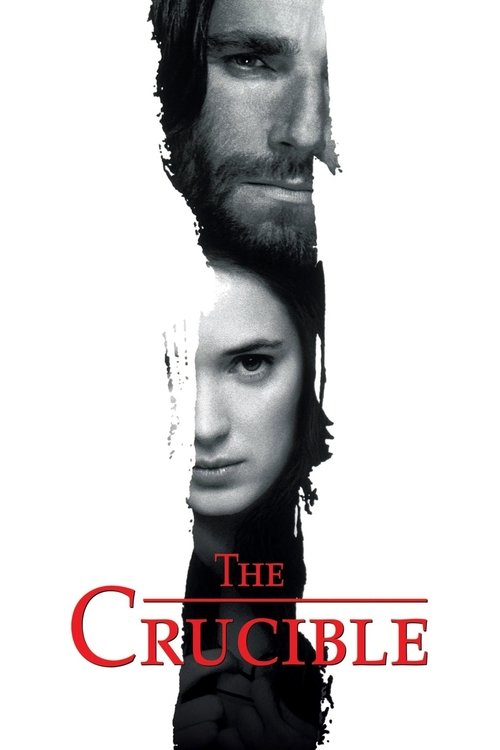
A Salem resident attempts to frame her ex-lover's wife for being a witch in the middle of the 1692 witchcraft trials.
The Crucible

Willy Loman, an aging, failing salesman, struggles to accept reality and his failure to achieve the American Dream.
Death of a Salesman

James Lipton sits down with some of the world's most accomplished actors and directors for penetrating, fascinating interviews.
Inside the Actors Studio

Biography of risk-taker and raconteur John Huston from his childhood to become one of the most highly respected filmmakers in the world.
John Huston: The Man, the Movies, the Maverick

America, 1947. Despite hard choices and even harder knocks, Joe and Kate Keller are a success story. They have built a home, raised two sons and established a thriving business. But nothing lasts forever and their contented lives, already shadowed by the loss of their eldest boy to war, are about to shatter. With the return of a figure from the past, long buried truths are forced to the surface and the price of their American dream is laid bare.
National Theatre Live: All My Sons

A small forest town is trying to promote itself as a place for tourists to come enjoy the therapeutic hot springs and unspoiled nature. Dr. Stockmann, however, makes the inconvenient discovery that the nature around the village is not so unspoiled. In fact, the runoff from the local tanning mill has contaminated the water to a dangerous degree. The town fathers argue that cleaning up the mess would be far too expensive and the publicity would destroy the town's reputation, so therefore news of the pollution should be suppressed. Dr. Stockmann decides to fight to get the word out to the people, but receives as very mixed reaction.