Jean-Paul Sartre
Writing
Biography
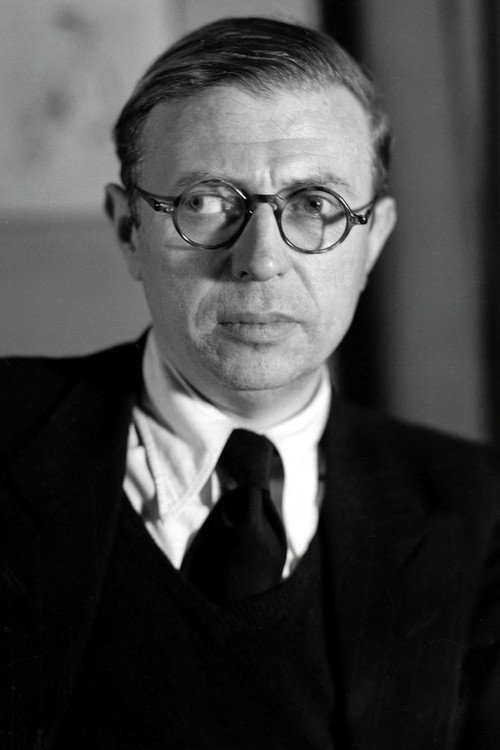
Jean-Paul Charles Aymard Sartre (21 June 1905 – 15 April 1980) was a French philosopher, playwright, novelist, screenwriter, political activist, biographer, and literary critic. From Wikipedia, the free encyclopedia
Known For

An anthology series of television plays which aired on BBC1 from October 1964 to May 1970. The plays were usually written for television, although adaptations from other sources also featured.
The Wednesday Play

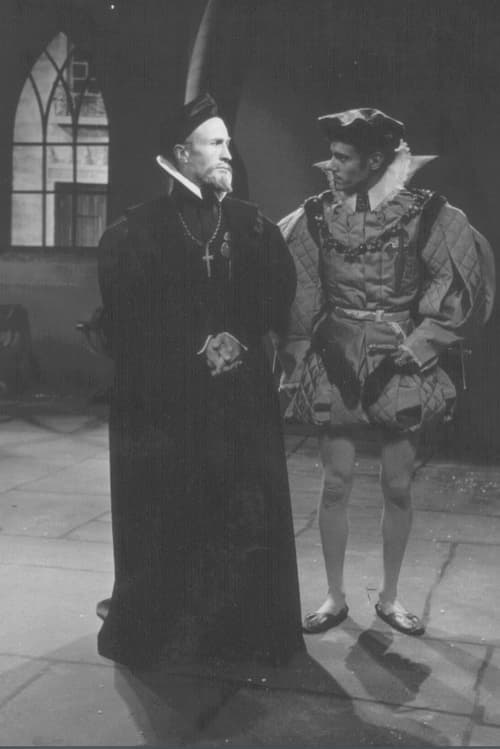
A BBC television anthology series featuring productions of classic and contemporary stage plays usually broadcast on BBC1. Each production featured a different work, often using prominent British stage actors in the leading roles. The series was transmitted from October 1965 to September 1983.
BBC Play of the Month

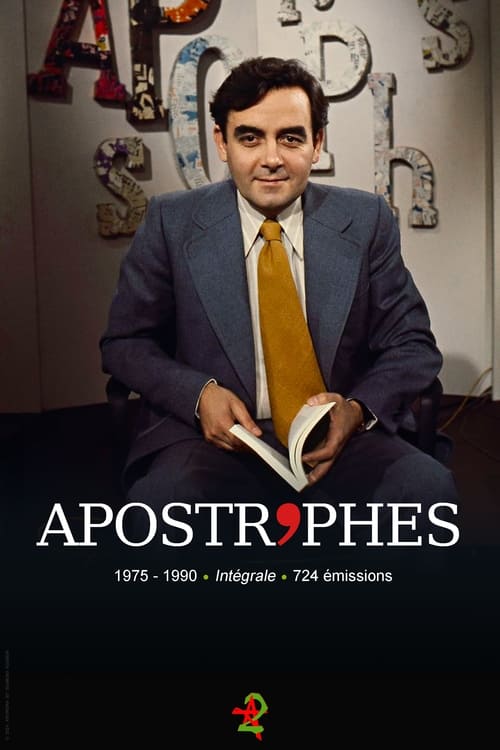
Apostrophes was a live, weekly, literary, prime-time, talk show on French television created and hosted by Bernard Pivot. It ran for fifteen years (724 episodes) from January 10, 1975, to June 22, 1990, and was one of the most watched shows on French television (around 6 million regular viewers). It was broadcast on Friday nights on the channel France 2 (which was called "Antenne 2" from 1975 to 1992). The hourlong show was devoted to books, authors and literature. The format varied between one-on-one interviews with a single author and open discussions between four or five authors.
Apostrophes

A talk show presented by Michel Drucker
Les Rendez-vous du dimanche

Folio, a precursor to CBC's renowned fine-arts series Festival, aired for four years starting in 1956. The series showcased original dramas, music compositions, and ballets, many originating from diverse regions across Canada. Notable episodes featured Barry Morse in a new staging of MacBeth, along with performances by Canadian talents like Robert Goulet and Sharon Acker. One of the highlights included a musical adaptation of the beloved Canadian classic, Anne of Green Gables. Airing without sponsorship, Folio thrived until its conclusion in the fall of 1960. Producers: Robert Allen, Harvey Hart, David Greene, Mario Prizek and Ronald Weyman.
Folio

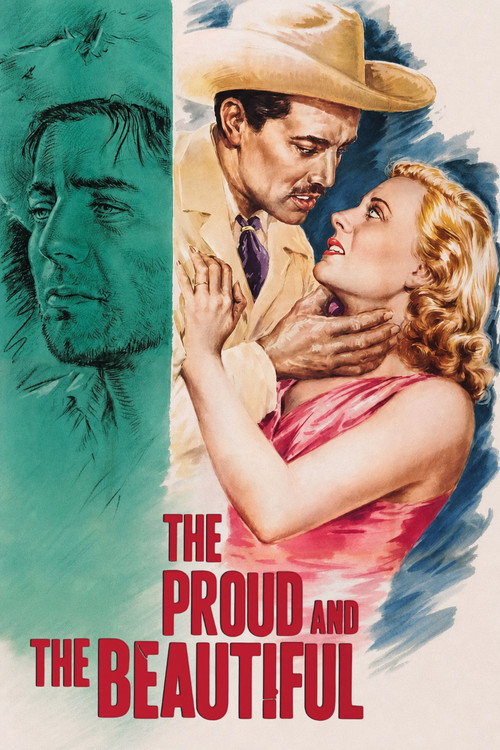
Life in a small Mexican village where joy and misery, hope and pain, passion and guilt, love and decay, life and death are mixed in the peasants life and two French citizens who end up stranded in there, during a typhoid epidemic.
The Proud and the Beautiful

A BBC television series of forty-five-minute excerpts from stage plays running in London.
Theatre Night

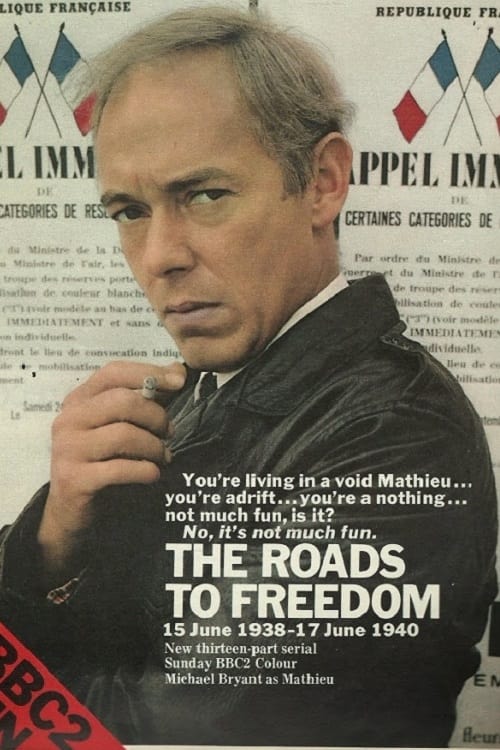
Taboo-busting adaptation for television of Jean-Paul Sartre's trilogy.
The Roads to Freedom

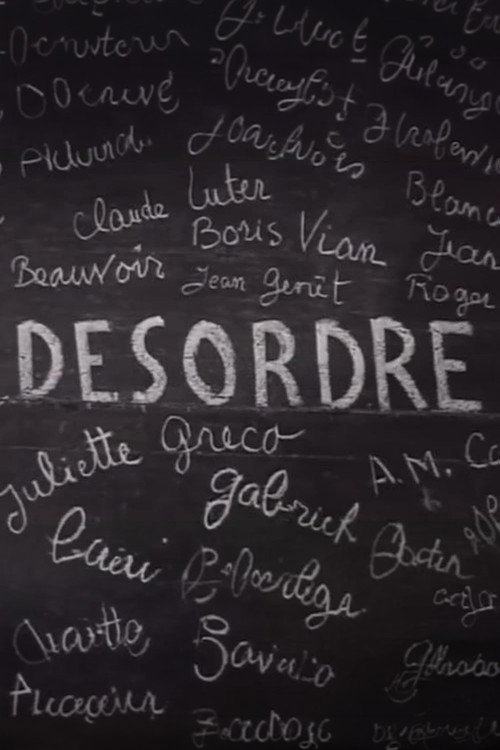
No description available.
Linhas Cruzadas

The story is set in Illyria, fictional central European country, towards the end of World War II. A young man infiltrates into the house of a left-wing politician as his secretary. By order of the Communist party, the young man has to kill the politician, who is suspected of a strategy of compromise with other parties.
Dirty Hands

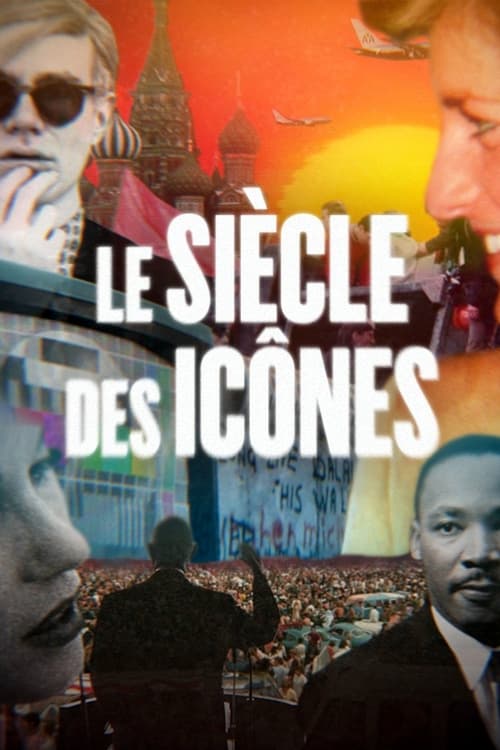
No description available.
The Century of Icons

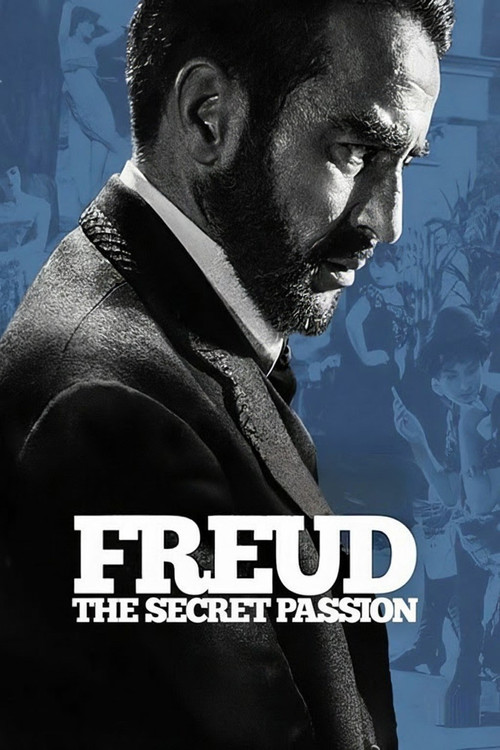
An examination of Austrian psychologist Sigmund Freud's career when he began to treat patients diagnosed with hysteria, using the radical technique of hypnosis.
Freud: The Secret Passion

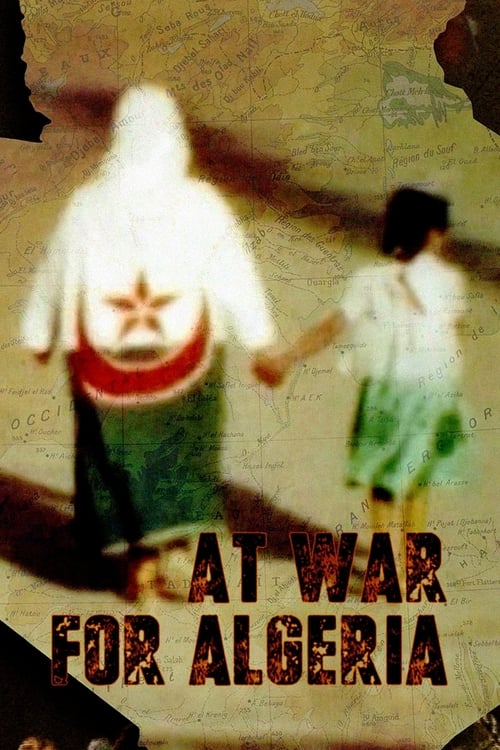
North Africa, 1954. The Algerian war of independence begins, a traumatic and extremely violent catastrophe that for eight long years will shake and finally overthrow the foundations of the colonial regime established by France in 1830.
At War for Algeria

A six-part British television travel series written, directed, and presented by Orson Welles for ITV in 1955. Filmed entirely in Europe, the series follows Welles through Vienna, the Basque Country, Madrid, Paris’s Saint-Germain-des-Prés, and London’s Chelsea Pensioners, blending travelogue, cultural portraiture, and personal essay. Moving between documentary observation and reflective commentary, the episodes combine interviews, local history, and Welles’s distinctive narration into a series that functions as both travel film and cinematic essay.
Around the World with Orson Welles

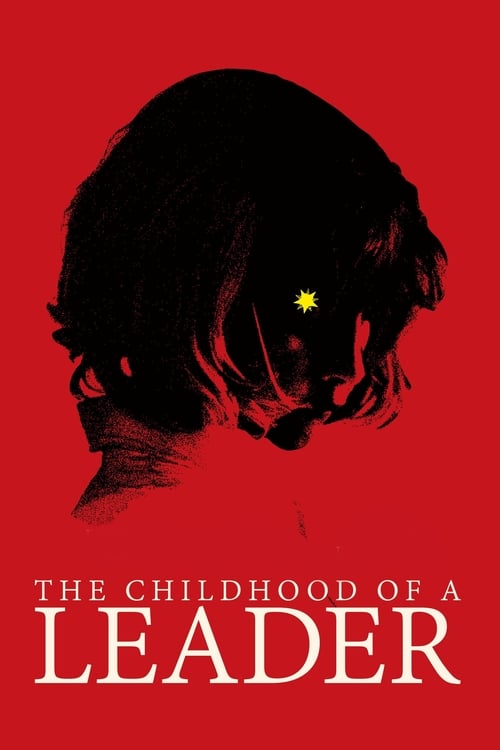
The chilling story of a young American boy living in France in 1918 whose father is working for the US government on the creation of the Treaty of Versailles. What he witnesses helps to mold his beliefs – and we witness the birth of a terrifying ego.
The Childhood of a Leader

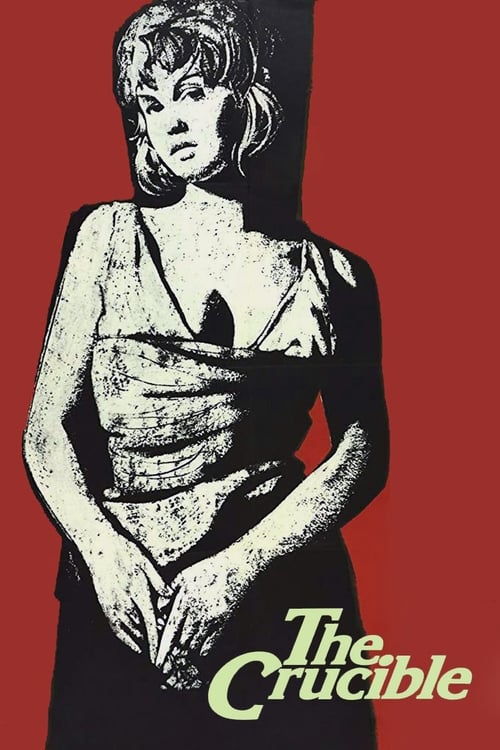
Salem 1692. The young Abigail, seduced and abandoned by John Proctor, accuses John's wife of being a witch in revenge. A series of tragic trials soon befall Salem as fear and suspicion blur the lines of reality.
The Witches of Salem

A dying German magnate invites his youngest son and daughter-in-law home to discuss the future of the family's shipbuilding empire. There, the daughter-in-law stumbles upon a secret of the family's Nazi past.
The Condemned of Altona

A political drama set in the fictional country of Illyria between 1943 and 1945, the story is about the assassination of a leading politician. The country, an ally of Nazi Germany, is on the verge of being annexed to the Eastern Bloc. Kaurismäki's TV adaptation of Jean-Paul Sartre's play Les Mains Sales (Dirty Hands) tells the story of Hugo (Matti Pellonpää) who has just been released from prison. Before going to prison, he has worked as a journalist at his party's newspaper. This timid journalist, who uses the pseudonym Raskolnikov, wants to advance in his career and gets his chance when Hoederer (Sulevi Peltola), the leader of the party, has to be eliminated.
Dirty Hands

Documentary filmmaker Védrès' first semi-fictional feature was released in France in 1949 as La Vie Commence Demain. The film made it to the U.S. in 1952 as Life Begins Tomorrow. Made in cooperation with UNESCO, the film speculates on the future of mankind after the advent of Atomic Energy. Many prominent French artists and intellects contribute to the narration: Jean-Pierre Aumont plays The Man of Today, Andre Labarthe is the Man of Tomorrow, and Jean-Paul Sartre, Daniel Agache, Jean Rostand, Le Corbusier, Pablo Picasso and Andre Gide are respectively seen as "The Existentialist," "The Psychiatrist,' "The Biologist," "The Architect," "The Artist" and "The Author". Film clips of hospitals, schoolrooms, scientific laboratories, and even nightclubs are woven into Védrès' fascinating tapestry.
Life Begins Tomorrow

The Valet enters a hotel room with Joseph Garcin in tow. The windowless room has a single entrance and no mirrors. Two women, Inès Serrano and Estelle Rigault, are then led in; afterwards, the Valet leaves and locks the door. Realising that they are in hell, the trio expects to be tortured; however, no torturer is forthcoming. While waiting, they strike up a conversation and discuss each other's sins, desires, and unpleasant memories. Adaptation of the play by Jean-Paul Sartre.