
Romy Coccia Di Ferro
Writing
Known For
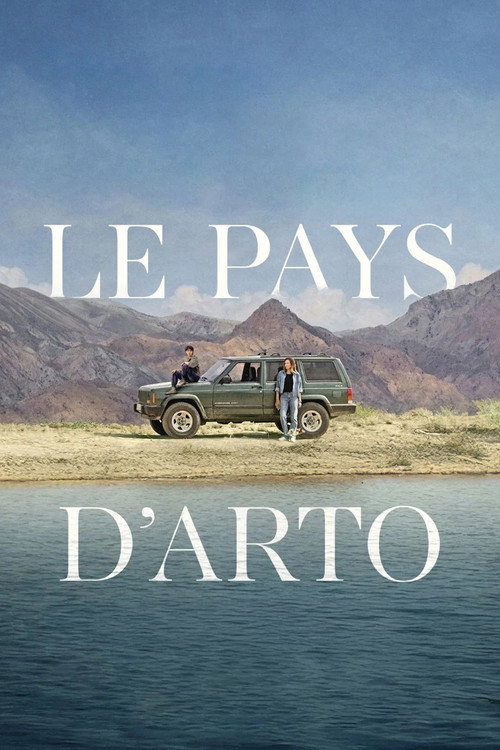
Céline arrives in Armenia for the first time to legalize the death of Arto, her husband. She discovers that he has lied to her, that he fought in the war, usurped his identity, and that his former friends consider him a deserter.
In the Land of Arto
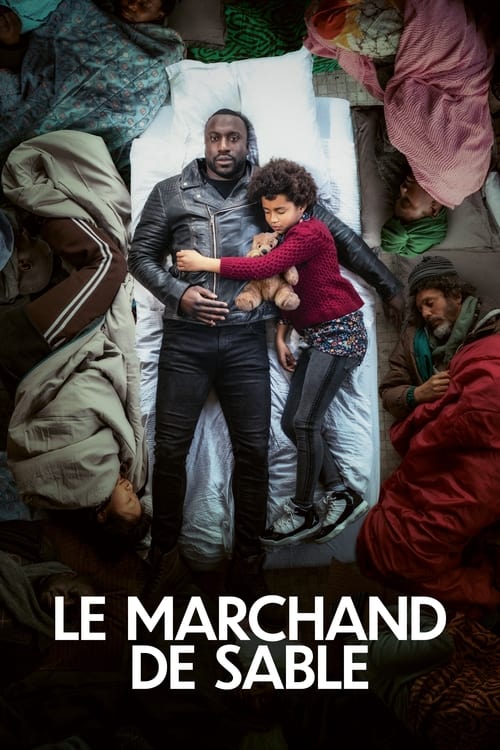
Marked by years of prison, Djo, a parcel delivery man in the Paris suburbs, lives modestly with his mother and daughter. One day, an aunt who has just fled the Ivorian conflict arrives at their home with her three children. In a hurry, Djo manages to find them a place to live. But faced with the growing demand and with the prospect of offering a decent life to his daughter, Djo switches and becomes a sleep merchant.
Le Marchand de sable
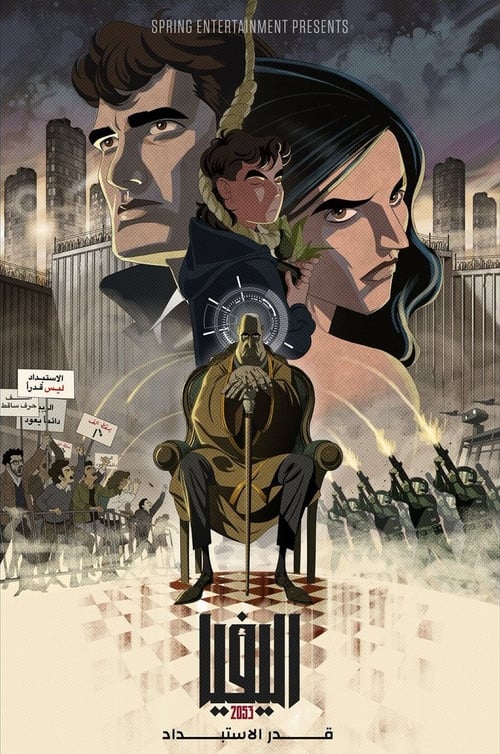
The film plunges the viewer into 2053, in Alephia, a fictional Arab country, “Dystopian and imaginary”, whose name is taken from Aleph, the first letter of the Arabic alphabet and “ia” (or “ya”), the last letter of this alphabet. Three characters will unite their efforts to free his people from the yoke of the regime “The most authoritarian and the most developed in history”, described L’Orient-Le Jour.
Alephia 2053
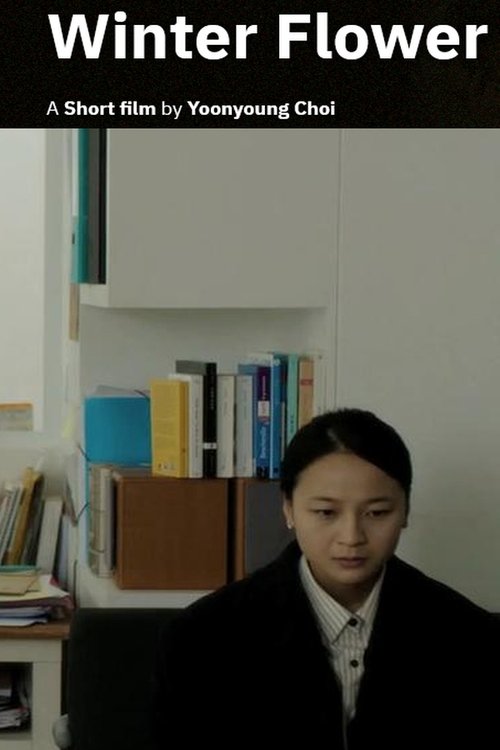
Yoon is a South Korean. He lives in France. Someday, he encounters a woman who seems lost, alone, and miserable. That is Sulhwa, from North Korea. Yoon offers her a roof for a night. It is the first time Yoon has ever met a North Korean, and that Sulhwa has ever been in the real world.
Winter Flower
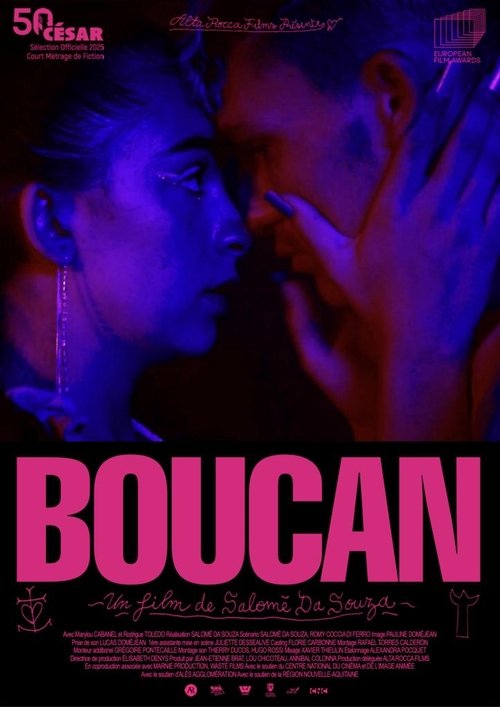
It’s summer and the votive festivities start in the south of France. Johannes and Gabin are teenagers from the countryside who share everything. The same school, same friends and the same family - they are cousins. Only, they are also in love.
Clamor
A young Frenchman of Cambodian origins goes to his country in search of himself.
Ducks
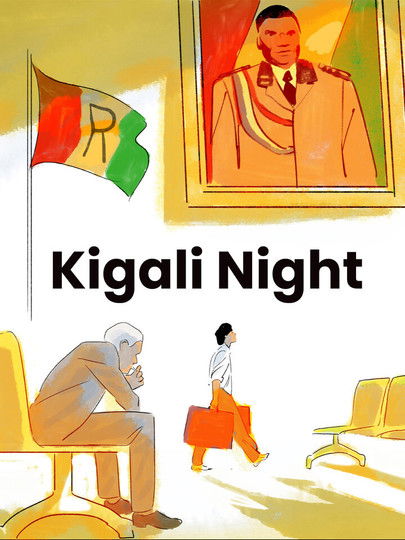
Samuel is 23 when he arrives in Rwanda as an audiovisual facilitator at the French Cultural Centre in Kigali. Having made this choice to avoid the classic military service, he finds himself without a camera in a country at war. The French army has even set up camp within the Cultural Centre. During the 18 months he spends there, the warning signs accumulate, but Samuel doesn't believe or doesn't want to believe them. What he is told seems impossible to him: France cannot possibly support a regime that commits or encourages such atrocities. It doesn't keep him though from enjoying the country and partying, but doubt creeps in, his certitudes start wavering, and Samuel finally opens his eyes.