John Winn
Directing
Biography
John Winn (USA, 1993) is a filmmaker, writer, and curator. John has screened his work at festivals, galleries, and microcinemas around the world.
Known For
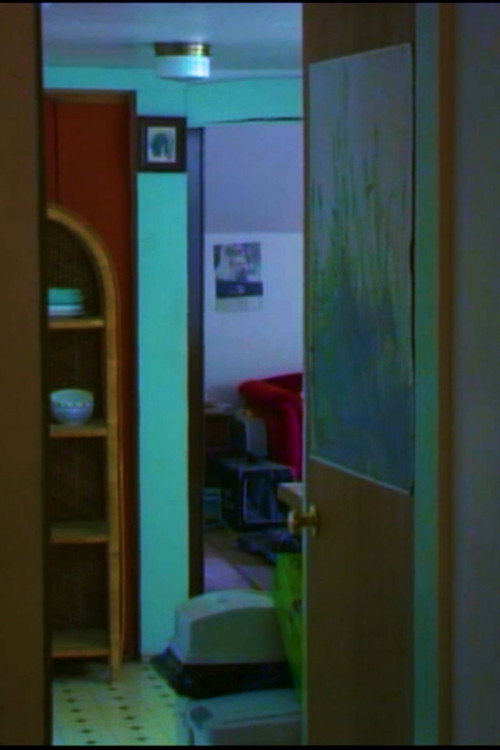
A story of long, long ago. When the world was just beginning.
Long Ago
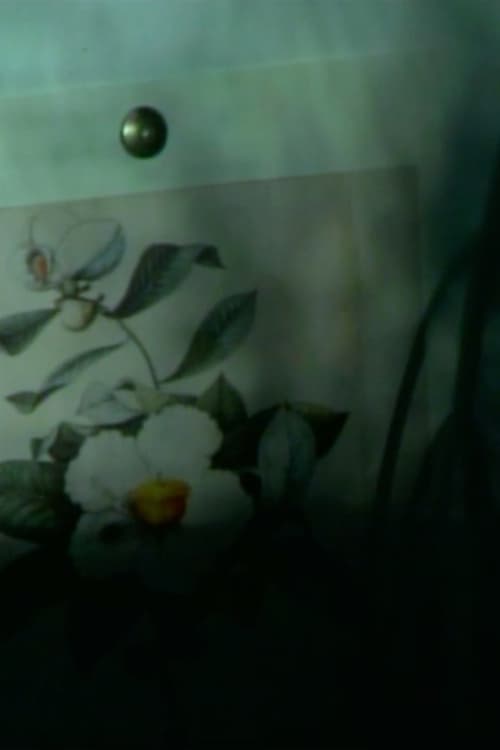
the franklinia flower, now extinct in the wild, appears here as a printed image (a drawing from 1782) pinned against a kitchen wall. hand and figure move disjointedly. the light of day gives way to electricity, to darkness, and to morning. recorded on a video camera built in 2002: an obsolete image tracing some accidental gestures and capturing a form of life existent only in cultivation. some fragments of vermeer, general electric, and chiquita brands international.
out of touch (franklinia still life)
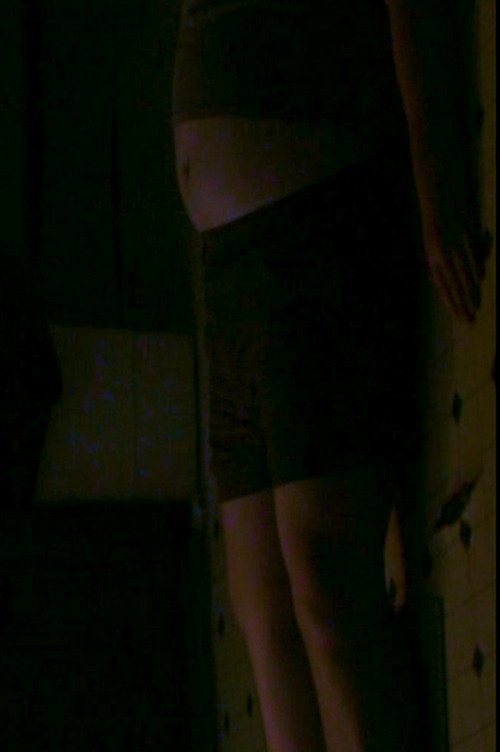
Actuality of a man inflating a woopie cushion in his home.
Man Inflating a Woopie Cushion

An oblique remake of Nicholas Ray’s On Dangerous Ground (1951), Ray’s Place follows Ray from his haunts in New York City to Binghamton where, exiled from Hollywood, he taught alongside members of the American avant-garde. Participating in both Hollywood’s golden age and the experimental cinema of the 1970s yet at home in neither, what is Ray’s place?
Ray's Place
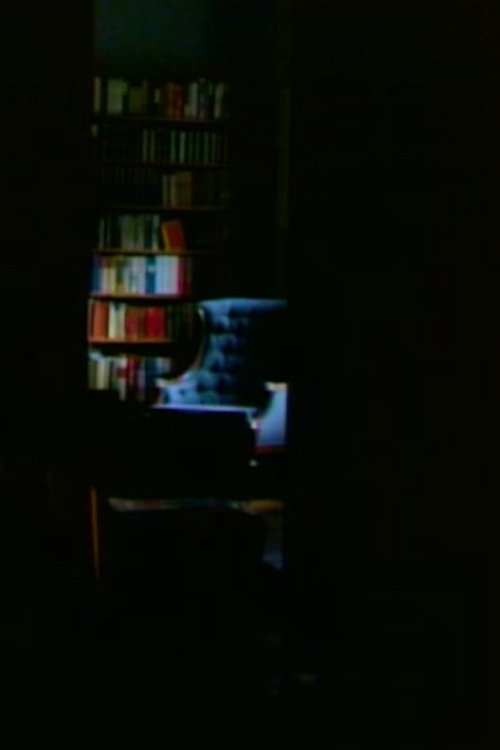
Time spent house-sitting for Fredric Jameson from 2020 until 2022. Assembled after his death as a memento for myself and others.
Redwood Souvenirs
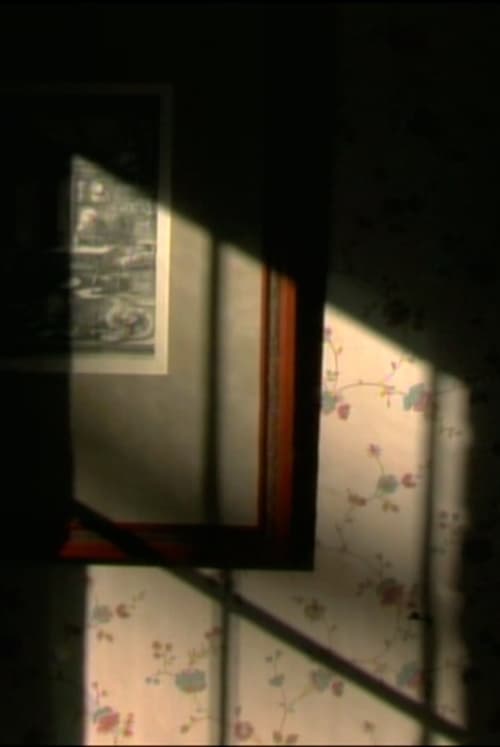
"Every single entity contains an adumbration or landskip of the whole Universe" (Jan Baptist van Helmont, 1650).
Landskip
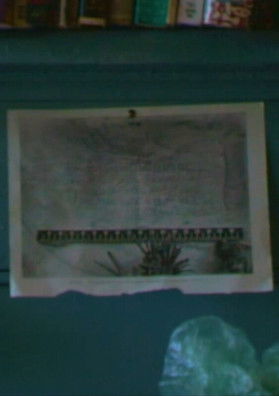
The narration—interrupted by the soundtrack of Alfred E. Green's 1948 western Four Faces West—describes a 19th century photograph by Timothy O’Sullivan, titled Historic Spanish Record of the Conquest. The photograph is slightly out of focus, pinned against a bluish wall, and flaps in response to the occasional wind of a droning fan. And there’s bit of sunlight, reflected against a map of the West Indies.
Historic Record of the Conquest (El Morro)
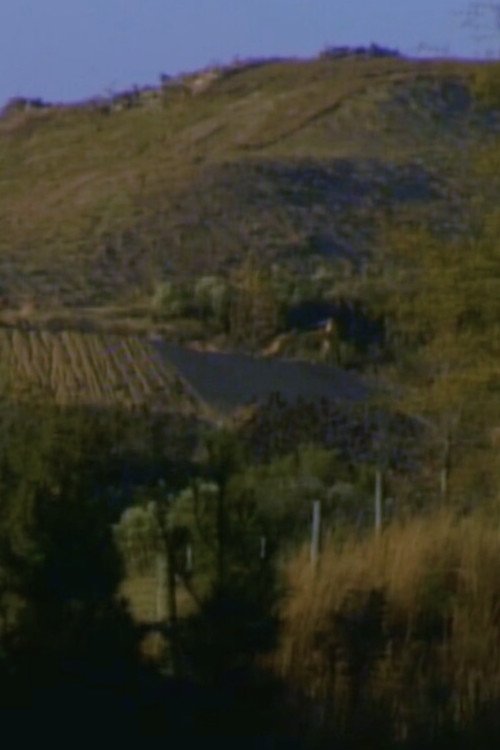
Located somewhere between the writings of Robert Smithson and the westerns of Howard Hawks—that somewhere being the present, momentarily suspended in a few video fragments of the landscape. A here and an elsewhere, a site (sight) and its nonsite (nonsight). Another movie adrift in the atmosphere. Pieces of information on the assembly and disassembly of Red River (1948) played and fast-forwarded against a background of fall leaves. Cattle, cowboys, and everything else that once made up the cinematic imaginary.
Red River Nonsites
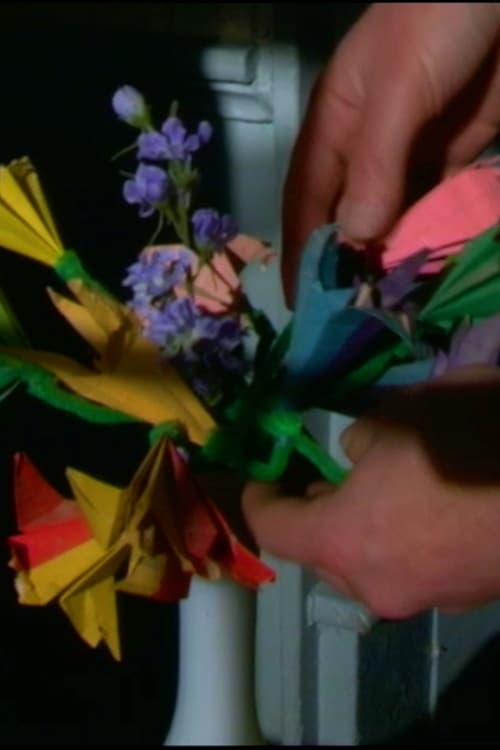
The landscape here is an assemblage of fragments—of disjuncts. Some vain repetitions as the season changes and a cloud passes by. "We are expected to rejoice in darkness, and triumph in mutability; to lay the foundation of happiness in things which momentarily change or fade; and to expect the utmost satisfaction and instruction from what it is impossible to arrest, and difficult to apprehend” -John Ruskin, 1856
Invocations for Spring
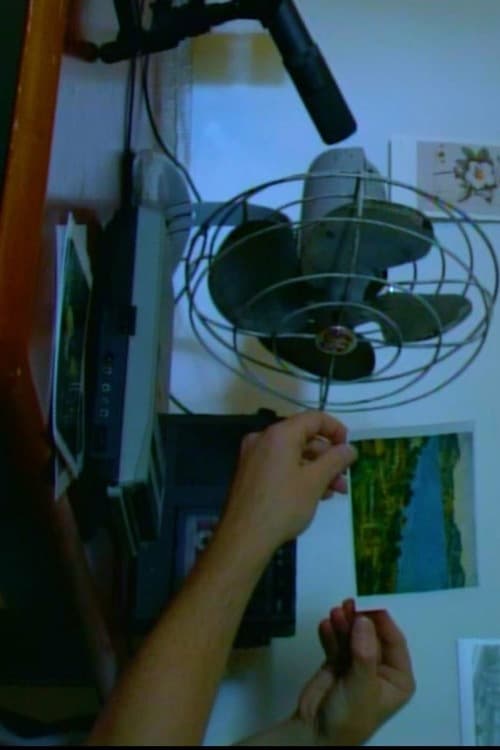
Seven images, each staging their own disappearance.
Seven Images of Disappearance
“All that which in Picture is not of the body or argument thereof is Landskip, Parergon, or By-work” (Thomas Blount, Glossographia, 1656).
Parergon
Study of a window frame that faces West in December of 2023, put together hastily on Saturday morning in July 2024.
Facing West (study)

Daily dedications to a minor artisan of the classical Hollywood western. Each segment was originally a kind of letter, a private correspondence, sent in fragments to a friend over a few weeks—an ode to R.G. but also to B.C. (an ode to cinema, to everyday life, and to the cinephilic fantasy of their becoming indistinguishable).
Ode to R.G. Springsteen
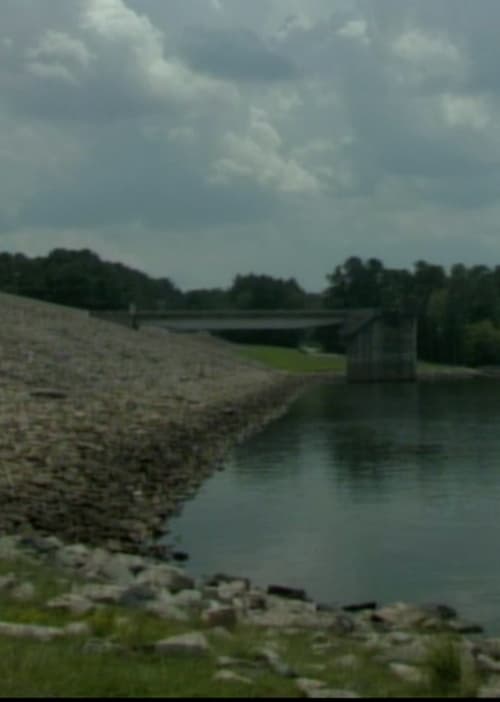
Set at an artificial reservoir in North Carolina, RESERVOIR (SEVEN FRAGMENTS) is a meditation on the unnatural histories of the American environment. The film approaches both the cinematic image and the landscape it captures as damaged, estranged things—things adrift in a world of irreparable discord.
Reservoir (Seven Fragments)

Images of something like nature struggling to endure against the noise of an entropic electronic signal.
weak signal
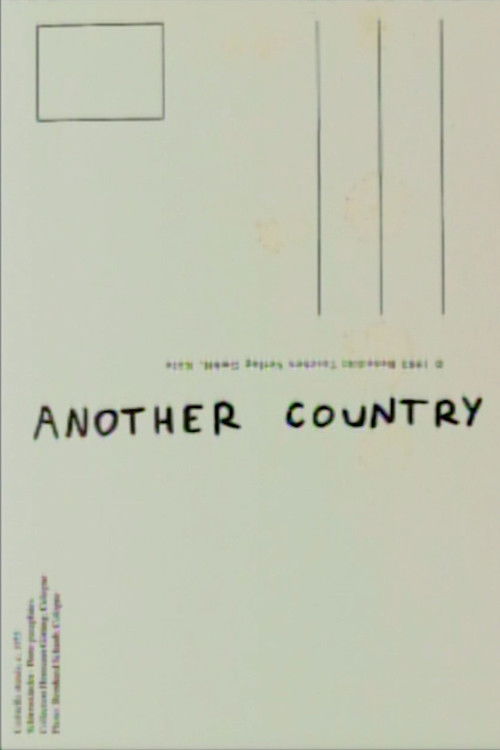
"A supplementary country called cinema … I began collecting stamps in my passport, with this infantile, idiotic, idea that I could set foot in all the countries of the world … Where I almost stumbled into catastrophe was when the postcard, a strange clandestine umbilical chord, couldn't be found." – Serge Daney
Another Country

A solitary figure pirates "A Ilha dos Prazeres Proibidos" (Carlos Reichenbach 1979), while also downloading "Carson City" (André De Toth, 1952). We see some of the latter film. The figure departs, wakes up, to then go about his day, leaving the door open. It is early spring.