Lucie Mannheim
Acting
Biography
From Wikipedia, the free encyclopedia. Lucie Mannheim (30 April 1899 – 28 July 1976) was a German singer and actress. Mannheim was born in Berlin–Köpenick where she studied drama and quickly became a popular figure appearing on stage in plays and musicals. Among other roles, she played Nora in Ibsen's A Doll's House, Marie in Büchner's Woyzeck, and Juliet in Shakespeare's Romeo and Juliet. She also began a film career in 1923, appearing in several silent and sound films including Atlantik (1929) – the first of many versions of the story of the ill-fated RMS Titanic. The composer Walter Goetze wrote his operetta Die göttliche Jette (1931) especially for Mannheim. However, as a Jew she was obliged to stop acting in 1933, when her contract at the State Theatre was cancelled. She promptly left Germany, first to Czechoslovakia, then to Britain. She appeared in several films there, notably as the doomed spy Annabella Smith in Alfred Hitchcock's 1935 version of The 39 Steps. During World War II she appeared in several films, as well as broadcasting propaganda to Germany – including performing an anti-Hitler version of Lili Marleen in 1943. In 1941, she married the actor Marius Goring. She returned to Germany in 1948 and resumed her career as an actress on stage and in film. In 1955 she joined the cast of the British television series The Adventures of the Scarlet Pimpernel as Countess La Valliere. She made her final English-language film appearance in the 1965 film Bunny Lake Is Missing. Her last appearance was in a 1970 TV movie. She died in Braunlage. Description above from the Wikipedia article Lucie Mannheim, 1st Baron Tweedsmuir, licensed under CC-BY-SA,full list of contributors on Wikipedia.
Known For
No description available.
German Film Award

Sunday Night Theatre was a long-running series of televised live television plays screened by BBC Television from early 1950 until 1959. The productions for the first five years or so of the run were re-staged live the following Thursday, partly because of technical limitations in this era, and the theatrical basis of early television drama. Some of the earliest collaborations between Rudolph Cartier and Nigel Neale were produced for this series, including Arrow to the Heart and Nineteen Eighty-Four. The Sunday night drama slot was subsequently renamed The Sunday-Night Play which ran for four seasons between 1960 and 1963. ITV transmitted its own unrelated run of Sunday Night Theatre between 1971 and 1974.
Sunday Night Theatre

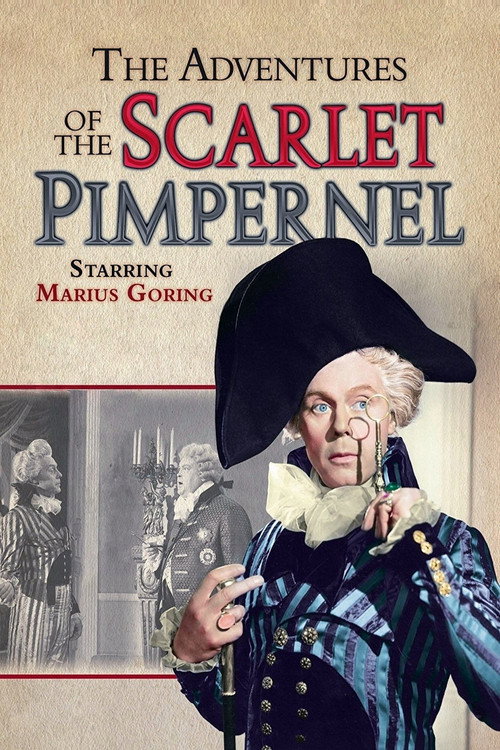
The second collection of short stories written by Baroness Orczy about the gallant English hero, the Scarlet Pimpernel and his League.
The Adventures of the Scarlet Pimpernel

Based on extensive interviews, shot on 16mm in a series of static long takes, Filmemigration aus Nazideutschland, is one of the most fascinating examples of "Film history on film" ever produced. Straschek devoted years to researching the topic and accumulating both film and non-film materials. Apart from some radio features and articles, however, this 290-minute TV programme remains the only published trace of Straschek's lifelong work on the emigration of film personnel. He had intended to publish a three-volume book, encompassing all available data about 3,000 emigrants originating from the centre and peripheries of film production, but the book never materialised.
Film Emigration from Nazi Germany

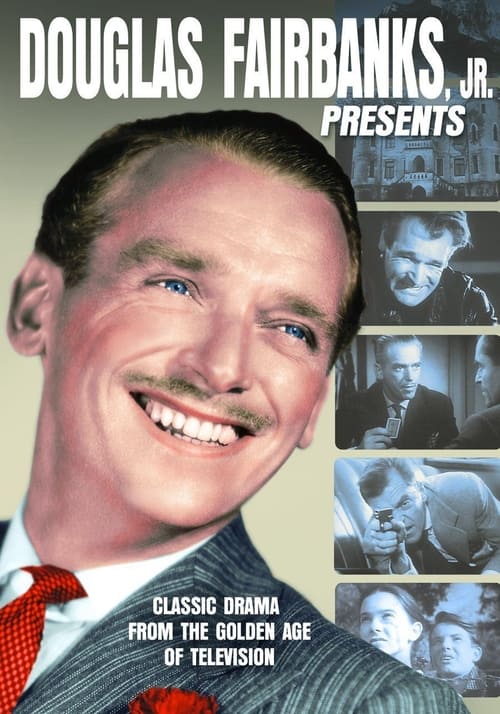
Douglas Fairbanks, Jr., Presents, is a 1950s syndicated anthology series hosted and occasionally starring Douglas Fairbanks, Jr.. The series offered Buster Keaton in his first dramatic role in the episode entitled "The Awakening". British actor Christopher Lee appeared in varied role in thirteen episodes, including "Destination Milan". The program aired from 7 January 1953 to 11 February 1957 for a total of 117 episodes. Fairbanks himself starred in forty-eight episodes. In Melbourne, Australia the series was aired under the title Chesebrough Ponds Playhouse.
Douglas Fairbanks, Jr., Presents

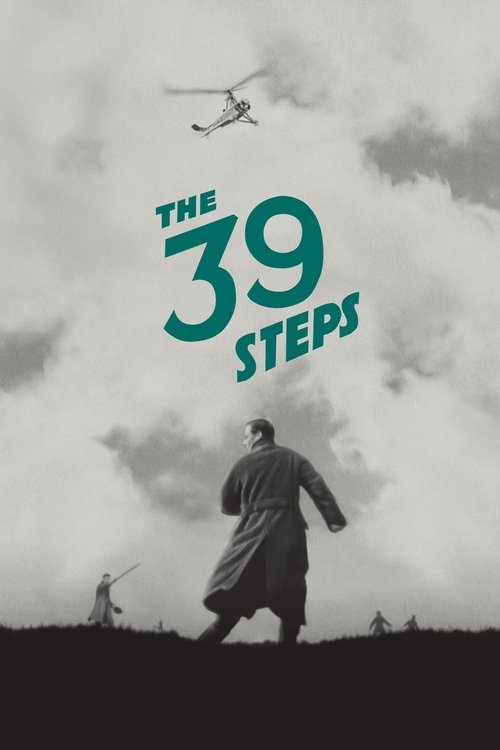
Richard Hanney has a rude awakening when a glamorous female spy falls into his bed - with a knife in her back. Having a bit of trouble explaining it all to Scotland Yard, he heads for the hills of Scotland to try to clear his name by locating the spy ring known as The 39 Steps.
The 39 Steps

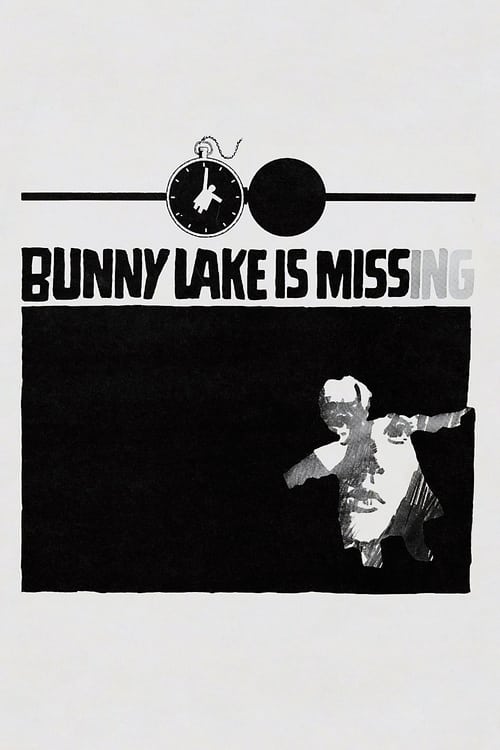
A woman reports that her young daughter is missing, but there seems to be no evidence that she ever existed.
Bunny Lake Is Missing

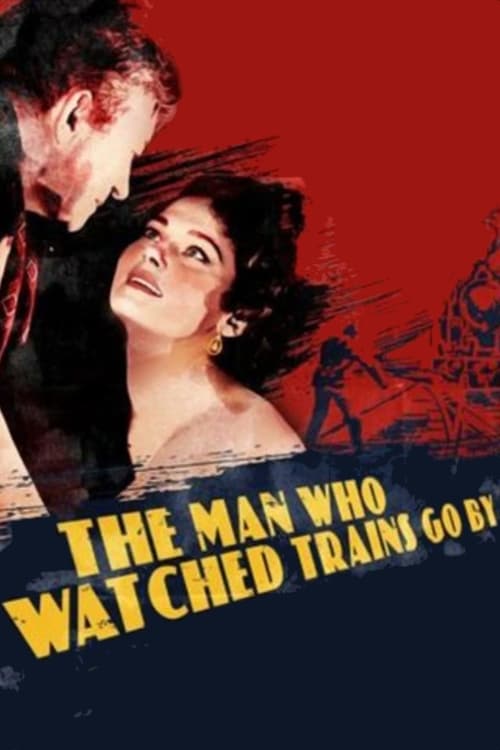
A Dutch company's owner bankrupts his own company, burns the incriminating ledgers and plans to run to Paris with the company funds but he is caught in the act by his accountant who challenges his actions, leading to a reversal of roles.
The Man Who Watched Trains Go By

Gustav Hartmann is in trouble. Because of the new taxis he doesn't get many passengers in his horse-drawn carriage. To prove what he and his horse are capable of, he starts a trip from Berlin to Paris.
Der eiserne Gustav

In 1940 Sally Maitland is forced to leave England, ostracised as a Nazi sympathiser by everyone including her well-to-do family. On the ship to Halifax, Canada, she is courted by Polish aristocrat Jan Orloch and by awkward British navel intelligence officer Jimmy Garrick. She shows herself somewhat more amenable to Orloch's advances, and agrees to meet his mother in Halifax. Once there however, it becomes clear no-one is really who they say they are.
Yellow Canary

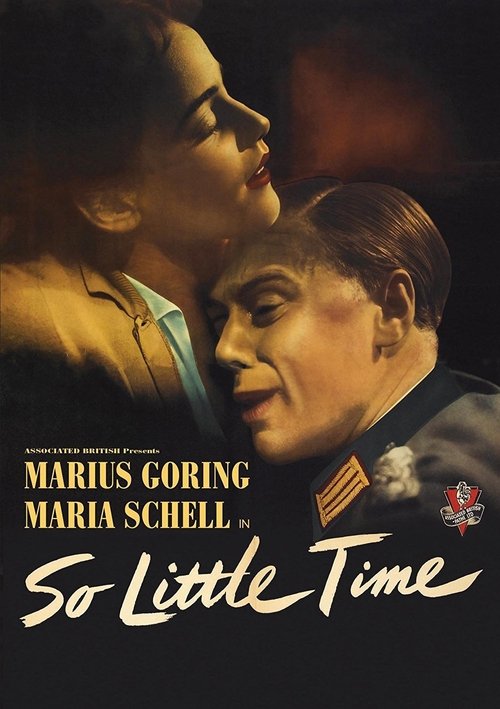
During World War II, German soldiers occupy the home of a beautiful Belgian girl and her mother.
So Little Time

German-language version. "Atlantic" is a drama film based on the sinking of the RMS "Titanic" and set aboard a fictional ship, called the "Atlantic". The main plotline revolves around a man who has a shipboard affair with a fellow passenger, which is eventually discovered by his wife. The ship also has aboard an elderly couple, Heinrich and Anna Thomas, who are on their anniversary cruise. Midway across the Atlantic Ocean, the "Atlantic" strikes an iceberg and is damaged to the point where it is sinking into the Atlantic. The German version was filmed at the same time as the British version, with each scene first being filmed in English for the British version, then the same scene being filmed in German by a German cast, using the same sets.
Atlantic

On the surface a straightforward tale of the search for a buried treasure, the film is a textbook example of German expressionism, with the passions of the protagonists conveyed as much through symbolism as action.
The Treasure

A general must come to terms with a crime he commited years earlier.
The High Command

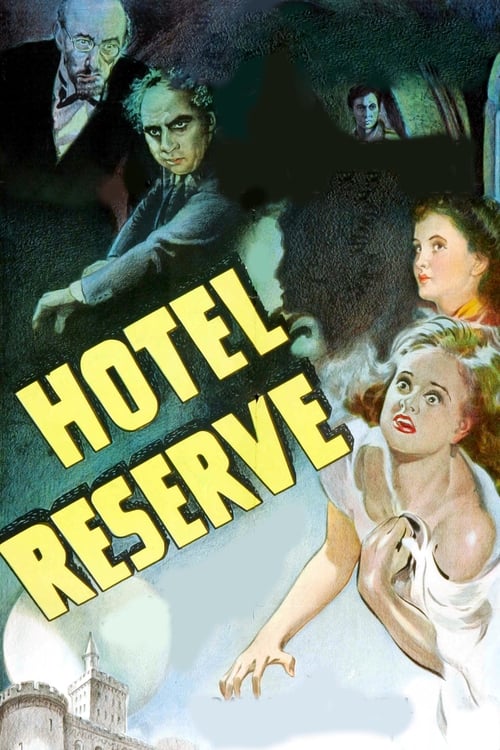
A hunt for a spy in a hotel in the South of France just before World War Two.
Hotel Reserve

A British flight officer plans to rescue an airline stewardess who is trapped in East Germany.
Beyond the Curtain

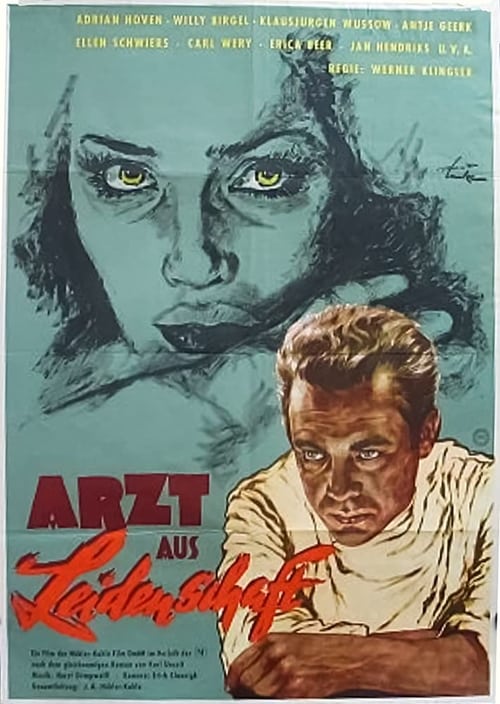
A doctor goes to meet a beautiful girl at a park bench near a wooded area. When he arrives, he finds her battered body lying next to a stream! He then finds himself to be the prime suspect. Who's the killer?
Confess, Dr. Corda

This pre-WW II German costume drama chronicles the French Revolution with a particular focus upon Danton, Robespierre, and Marat. It depicts the dramatic downfall and execution of Georges Danton in 1794 at the hands of Maximilien Robespierre. The film also presents an interesting, if not historically inaccurate, portrayal of Louis XVI.
Danton

An industrial plant gets into difficulties. The factory owner then decides to sell the company and makes all the employees redundant. How do the dismissed employees deal with the new situation?
Secrets of the City

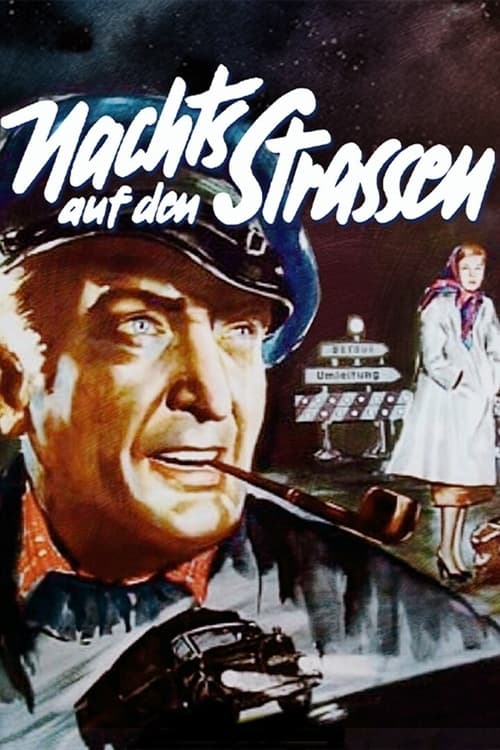
An aging truck driver finds smuggled money and becomes involved with a hijacking crowd.