Jody Stillwater
Sound
Biography
Jody Stillwater 周青海, a filmmaker and artist in the San Francisco Bay Area, is renowned for his expertise in dynamic movement, semiotic language, time cycles, rhythm, and archetype synthesis. With over 30 films directed, his work often intricately explores the diverse Bay Area cultural ecology and the theme of growth following disruption. An Emmy-nominated filmmaker and co-founder of Yanasa Creative Group, Jody has showcased his work at prestigious venues including the MoMA in NYC, Hammer Museum, de Young Museum, YBCA, Mutek, Gray Area, Honolulu Museum of Art, Transfer Gallery, and ISEA. He has also been a finalist for the SFFILM Kenneth Rainin Screenwriting grant and has been commissioned by notable companies such as Google, Meta/Facebook, Knotel, and Bentley Mills. He has screened films at Marfa Film Festival, Denver Film Festival, Bucharest Int’l Dance Film Festival, performed live video projects at Gray Area Foundation for the Arts and participated in various multi-disciplinary labs such as the Tribeca Film Festival Hacks Lab (incorporating film + technology) and the San Francisco Dance Film Festival Co-Lab (built around choreography + film). He works in multiple mediums and holds a BA in Film & Digital Media from UC Santa Cruz.
Known For
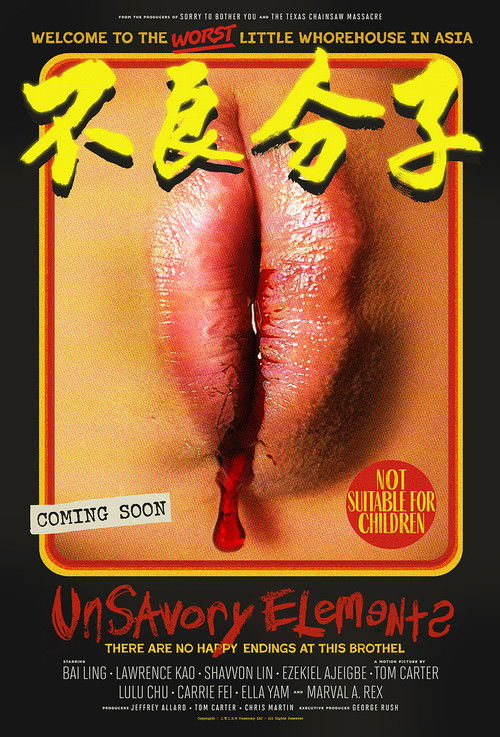
Boys' night out to an Asian brothel becomes a bloody fight for survival.
Unsavory Elements

Fame driven Ken Dean becomes the subject of a documentary when he attempts to start a pornography company. Following the failure of the company, Ken uses his father's religious music to start a Christian rock band but finds himself trapped in a gay conversion cult.
The We Should Game
follows a young African-American man, Dwight Porter, an unwilling criminal on the run. After committing murder, Dwight grows remorseful and leaves his environment with a goal: walk across the United States in search of a former teacher, the one person who believed in him
Mother Country
In 1979, Native Hawaiian poet Wayne Kaumualii Westlake (1947–1984) published MANIFESTO [for Concrete Poetry], a sardonic and avant-garde three-page poem that challenged the conventions of language and form. Reexamining the roots of Dadaism and the International Concrete Poetry movement of the 1950s, the film transforms text into a living, dynamic force—an interplay of words, sound, and movement that defies traditional narrative constraints.
MANIFESTO FOR CONCRETE POETRY
The Wind Telephone is a journey into the fantastic world of a child and the profound longing and love she has for her mother.
The Wind Telephone
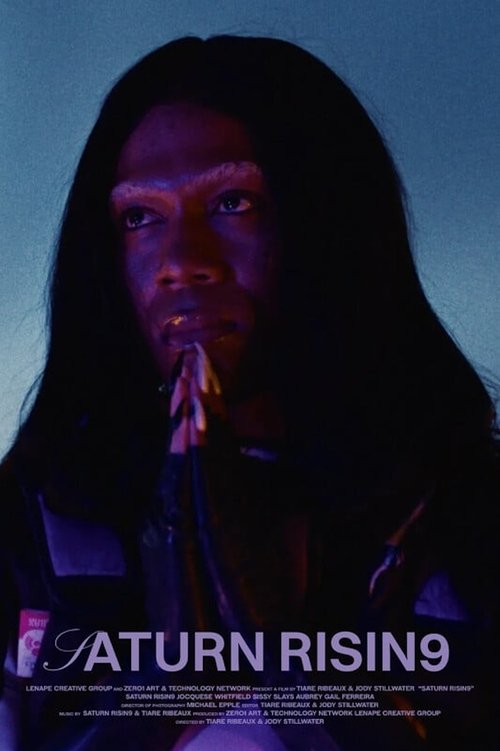
Queer performance artist and musician Saturn Risin9 returns home to the Bay Area to share their journey of perseverance centering self discovery, healing and creative expansion poetically told through dance, visual narrative, performance, and documentary.
Saturn Risin9
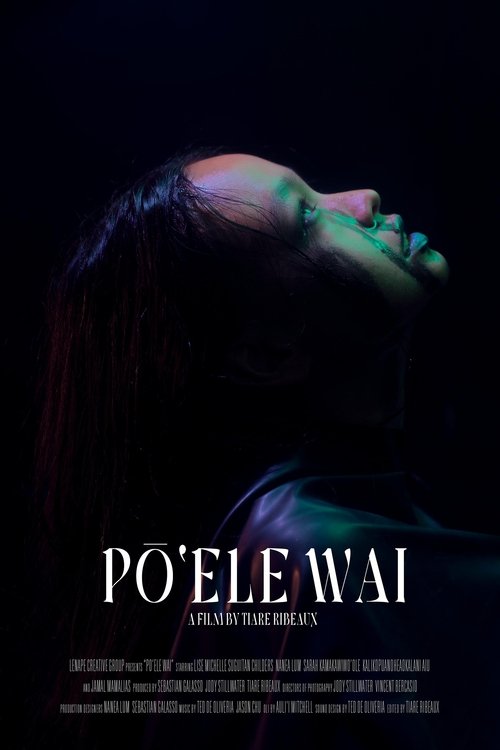
A weaver navigates between survival and her connection to the land while a mysterious rash grows on her body. While working as a cleaner, she becomes entranced by a mysterious painting and learns it is inspired by a Hawaiian creation story. As her rash worsens, she realizes her drinking water has been poisoned by fuel leaking into the island’s watersheds, and undergoes a major transformation.
As The Water Darkens
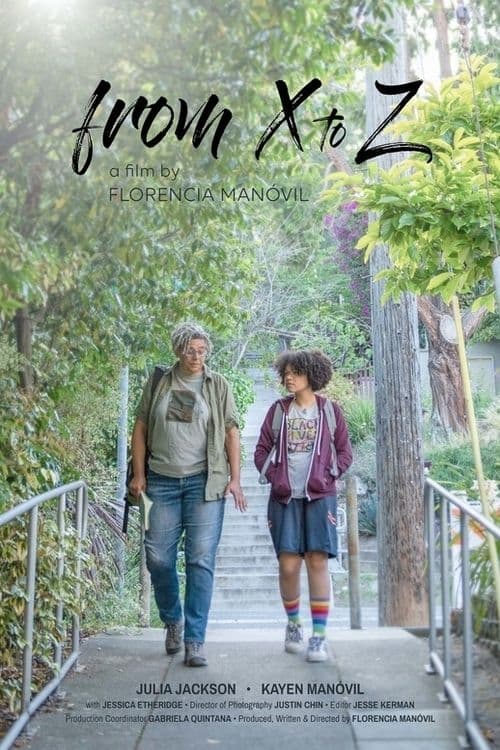
A cranky Gen X butch is forced to spend time with a genderqueer Gen Z’er whose gender-affirming upbringing and experiences elicits the former to critique how kids today have it easier. Generational differences aside, the two find comfort in their similarities that defy generation.
From X to Z

Speculative mutualisms of the future are revealed showing humans living in symbiosis with cyanobacteria and other organisms in scenarios that are peaceful, provocative, and surreal.
CYANOVISIONS
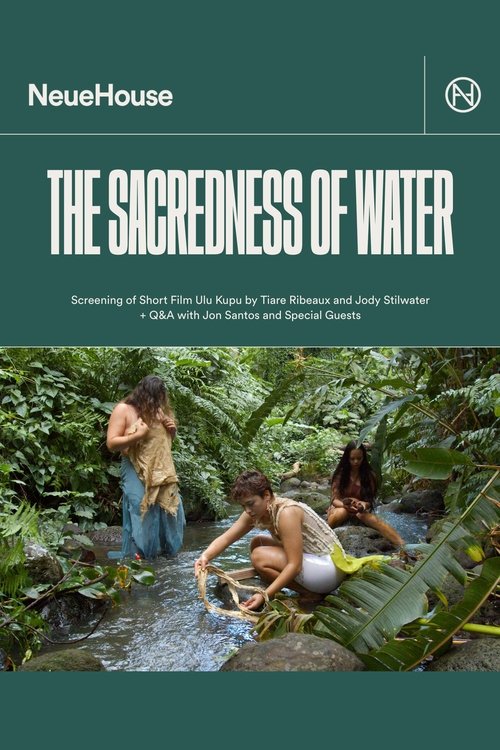
Ulu (ʻŌlelo Hawai'i): “to grow, increase, spread, to protect, to rise”; Kupu: “sprout, offspring, germinate” or a “spirit or supernatural being”. Through video that mixes parallel visual narratives, Ulu Kupu follows a “Labor Hula”, a performance of harvesting plants/materials from the 'āina (land): hala which is used for weaving; wauke, which is used to create kapa or tapa, a textile; and hau which is also used as a textile or decorative fiber. This dance with the materials of the land is further expanded through the performance of a dancer, wearing the materials on their body and dancing in a wahi pana (sacred place) as well as in a grove of hau trees.
Ulu Kupu
At sunrise in San Francisco, The Bereft ends a relationship and discards painful reminders, including a mysterious book. Sold to a used bookstore, the book passes through the hands of The Patron, The Hustler, and The Broken—each navigating their own struggles. As their lives intersect, a red Victrola, a café, and a fleeting exchange spark moments of pain, creativity, and transformation. Through these chance connections, they discover that even the smallest encounters can alter life’s course.