Directing
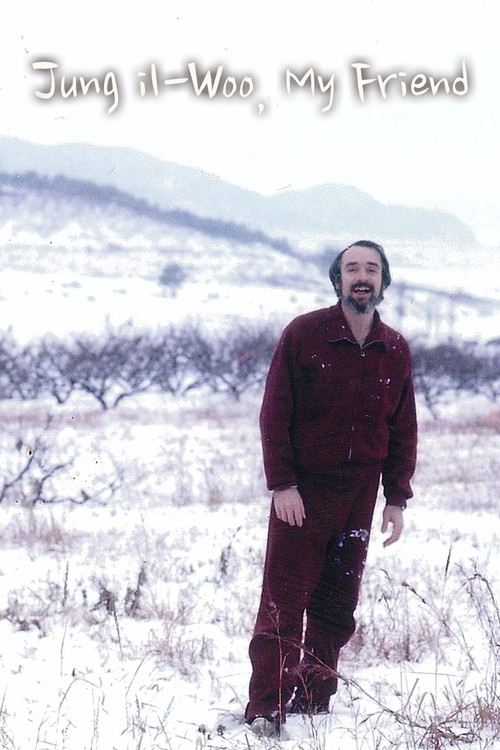
As one quotes in the movie, Fr. Jung was a 'real' human who can purely meet another person as a person itself transcending not only the boundary of religion but all human border such as race or nationality. This doesn't mean he was a great perfect human being. He was an 'ordinary' person who easily turns sulky, plays drunken frenzy, and had stinky feet. If there was anything special about this man, it would be that he had proactively chosen poverty and knew how to enjoy that poverty.
There are five grandmothers, four of whom went to Jeonju Prison due to the Jeju 4.3. All of them were young people around the age of 20 at the time of the incident in 1948. The outline of the incident is formed when hearing the experiences of those who were sent to prison without trial particularly as women. The audience feels indescribable emotions by the fact that they have lived on despite what they had gone through, things that are just too much for a human being to bear.
No description available.
Du-yeol feels that his life ended after being diagnosed HIV/AIDS positive ten years before. Gabriel falls in love for the first time ten years after his diagnosis. The two start living together in a rooftop house, but eventually, Du-yeol leaves, marking the beginning of an endless chain of breakups and getting back together. Although they share similar pains, love seems difficult for them as they have different desires.