Angela Su
Directing
Biography
Angela Su is a Hong Kong artist known for her biomorphic drawings, fictional films and hair embroideries, exploring the imagery of the body through metamorphosis, hybridity and transformation. She was trained a biochemist as well as a visual artist. In 2014, Su was featured in Art Radar on a list of influential Asian female artists making an impact on the international art stage. She represents Hong Kong in the Collateral Event at the 59th International Art Exhibition - La Biennale di Venezia with a solo exhibition titled: Angela Su: Arise, Hong Kong in Venice.
Known For

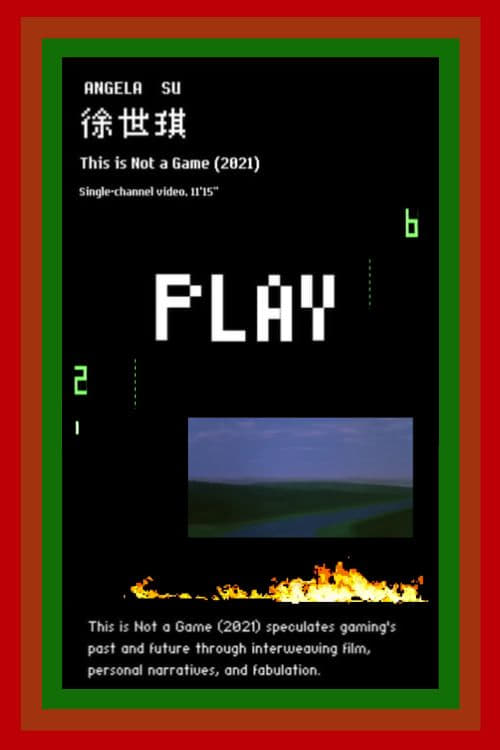
Angela Su’s fictional artist Rosie Leavers is the last remaining person to upload her consciousness to a video game. Contemplating during a pandemic year which also saw people’s resistance movements in many parts of the world, the work pinpoints the uncanny affinities between gaming and warfare strategies. They have mutually informed the infrastructure of both worlds since time immemorial when diplomatic conflicts played out on the battlefield of the 64 squares of a chess board to flight simulation technologies which were adapted to shape gaming experiences as we know it now. When the conflict is between the state and its people, she speculates that gaming strategies empower civilians in resistance movements to counter imperialism through its own operative logic. But once we upload our consciousness, are we able to return to the sensibilities and political motivation that inspired the revolution to begin with?
This is Not a Game

Lacrima is purportedly based on the life of a clairvoyant, quantum physicist, and Surrealist artist called Nina Palladino. Her story is linked to the disappearance in advance of an exhibition of the artist “Angela Su,” the construction of electromagnetic portals between worlds, and a series of unexplained events on the mysterious, mist-shrouded island of the work’s title… Combining clips from filmmakers as varied as Georges Méliès, Hans Richter, Luis Buñuel, and the choreographer Busby Berkeley, Su builds an alternative reality out of unsettling correspondences, secret patterns, psychographic messages, and dream logics. The viewer is invited to take a “leap of faith” into worlds beyond ordinary perception that, for all their strangeness, hold up a mirror to the violence and injustice that shape our own.
Lacrima

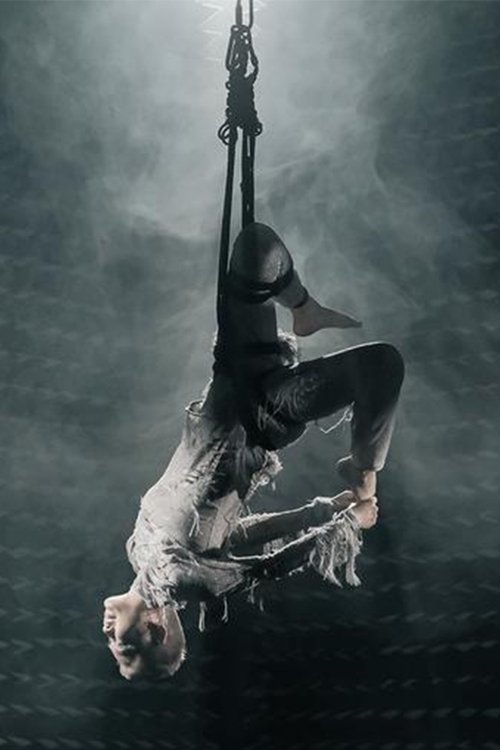
Su shot The Magnificent Levitation Act of Lauren O at Hong Kong’s Shaw Studios. She came up with the character after she came across American science fiction writer Octavia Butler’s Parable of the Sower, which followed protagonist Lauren Oya Olamina on a quest for freedom. Su’s character belongs to a fictional activist-anarchist group called Laden Raven which was founded in the 1930s. Composed of circus performers—often viewed as social outcasts—and other marginalised members of society, the group attempts to change the world as did the 60s counterculture movement.
The Magnificent Levitation Act of Lauren O

Phone Made Good Film No.6
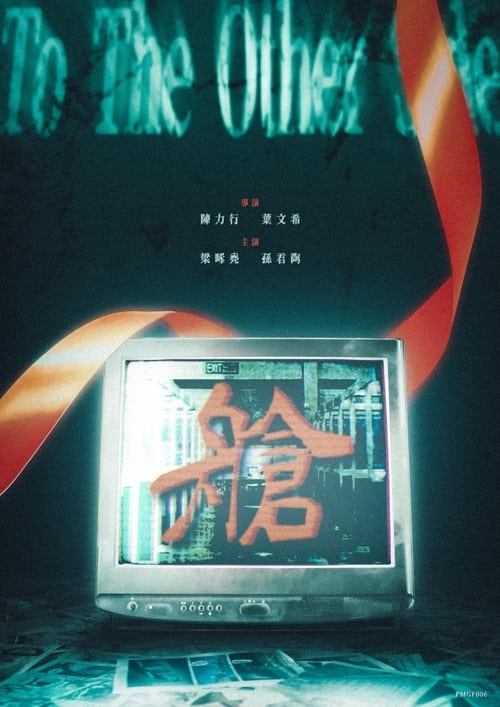
To The Other Side

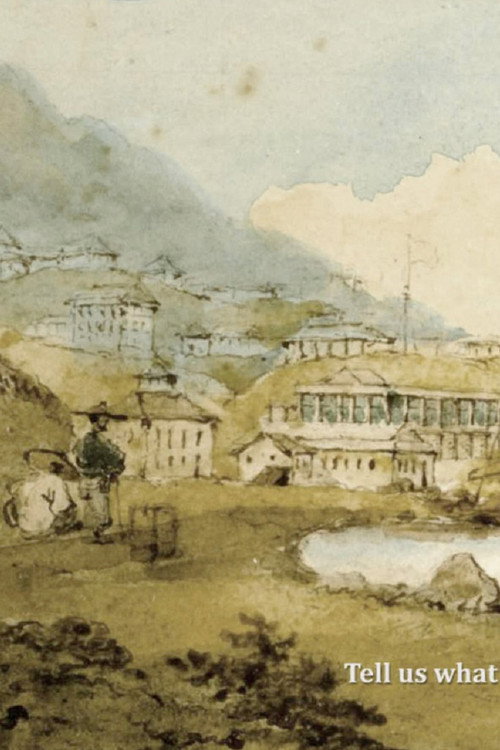
In 1998, the island of Caspiar sinks, forcing all its inhabitants to flee and become refugees in places such as Hong Kong. Su’s fictional story about one such refugee unfolds through a seemingly stoic interview. The interviewee – a French-speaking white man – works as a domestic worker, a role that subverts colonial expectations of the white expatriate living in Hong Kong. The video concludes with a quotation from the famous “madeleine” passage in Marcel Proust’s In Search of Lost Time, foregrounding the centrality of memory and recollection in the reimagination of places, identities and histories.