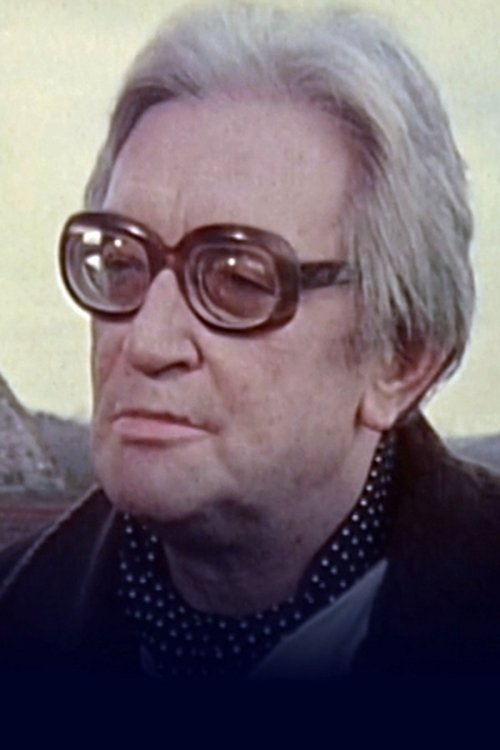
Maurice Clavel
Writing
Biography
Maurice Clavel (1920-1979) was a French writer, journalist, and philosopher. Maurice Clavel was born on 10 November 1920 in Frontignan, Hérault to a family headed by a father who was a pharmacist. This conservative milieu of small shopkeepers in Languedoc led him to be an activist in the French Popular Party (FPP) in his hometown of Frontignan. A brilliant pupil, he got into the prestigious École Normale Supérieure in the Rue d'Ulm in Paris. There he became acquainted with Trotskyist Jean-Toussaint Desanti and Maurrassian Pierre Boutang. The latter, having been appointed in the Secretariat of Public Instruction, invited him to serve by his side under Marshal Philippe Pétain. Having just gotten his certificate of morale and sociology in Montpellier, Maurice Clavel accepted but was soon disillusioned. While preparing a thesis on Immanuel Kant, he then joined the Résistance (1942). As head the French Forces of the Interior of Eure-et-Loir, he took part in the liberation of Chartres where he greeted General Charles de Gaulle on the cathedral's forecourt. At the Libération, he denounced the blind epuration and tried to save the heads of Robert Brasillach and Drieu La Rochelle. That did not prevent him from being a fervent activist in the Rally of the French People (RPF) whose acerbic criticism of communism got him to be accused by the French Communist Party (PCF) of being "Goebbels' voice". He then founded with Henri d'Astier de La Vigerie and André Figueras a newspaper called L'Essor. Meanwhile, he wrote plays directed by Jean Vilar like Les Incendiaires (The Incendiaries) in 1947 or La Terrasse de midi (The Noon Terrace) in 1949. But those failed, and as he was torn apart after breaking his relationship with the actor Silvia Monfort, Clavel accepted a professor tenure in the Carnot high school in Dijon. Barely liked by his superiors, he soon got back to theatrical works when, in 1951, Jean Vilar appointed him as secretary-general of the Théâtre National Populaire. But his new play Malsameda (1954) as well as his first novel Une fille pour l'été (A Girl for the Summer, 1955) turned out to be failures too. From 1955, Clavel started his career as a journalist writing in Combat. Protesting, among other things, against the invasion of Hungary by Soviet tanks in 1956, and the use of torture in Algeria, he got involved with left-wing Gaullists in the Democratic Union of Labour in 1959. Meanwhile, he went back to teaching as philosophy professor in Camille Sée and Buffon high school in Paris, from 1960 to 1963. With Emmanuel Berl, he presented a daily radio programme Qui êtes-vous? (Who are you?). But after the refusal by managers of the radio station to grant Jean Daniel a right of reply about Algeria, he resigned. The following year, after publishing Le Temps de Chartres (The Times of Chartres), he ceased his regular contribution to Combat. However he kept supporting General De Gaulle's position on Algeria, who entrusted him to engage in a dialogue with Messali Hadj. ... Source: Article "Maurice Clavel" from Wikipedia in English, licensed under CC-BY-SA 3.0.
Known For
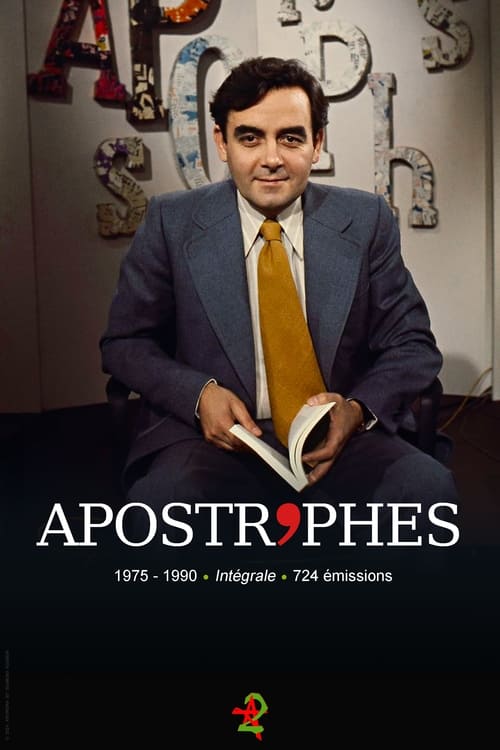
Apostrophes was a live, weekly, literary, prime-time, talk show on French television created and hosted by Bernard Pivot. It ran for fifteen years (724 episodes) from January 10, 1975, to June 22, 1990, and was one of the most watched shows on French television (around 6 million regular viewers). It was broadcast on Friday nights on the channel France 2 (which was called "Antenne 2" from 1975 to 1992). The hourlong show was devoted to books, authors and literature. The format varied between one-on-one interviews with a single author and open discussions between four or five authors.
Apostrophes

Nicolas Philibert goes to America after killing a French aristocrat. On his return he tries to divorce his wife, Charlotte, but when he sees others trying to woo her his own interest is rekindled.
The Married Couple of the Year Two
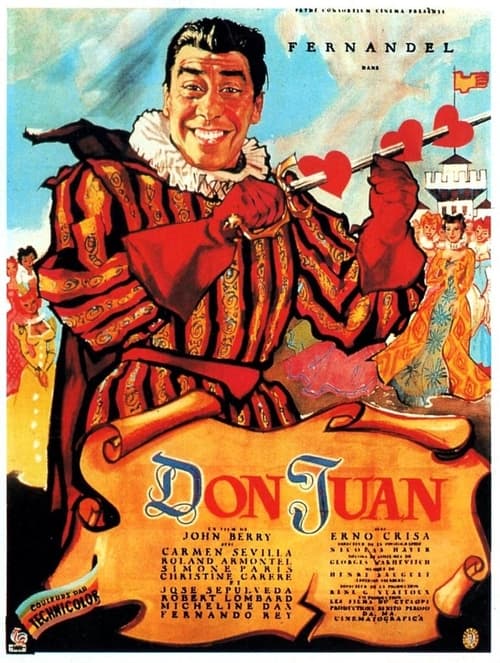
Don Juan is arrested during one of his raids loving, just as he intended to seduce the daughter of the Governor, who was about to marry. His faithful servant, too accustomed to be all sticks, passed by him to save his skin, a situation that will allow you to win the love of a beautiful comic. Meanwhile, the real Don Juan is reduced to the status of servant.
Don Juan
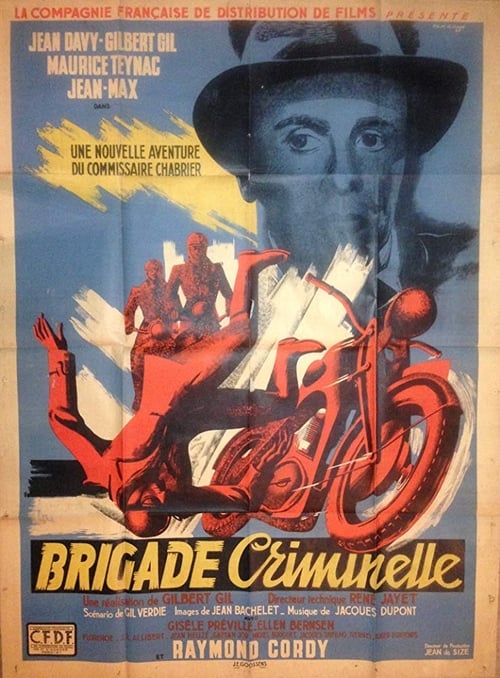
After the discovery of two murders, Commissioner Chabrier, of the French secret services, is investigating the disappearance of plans affecting the national defense of the country robbed by a gang of international spies.
Criminal Brigade
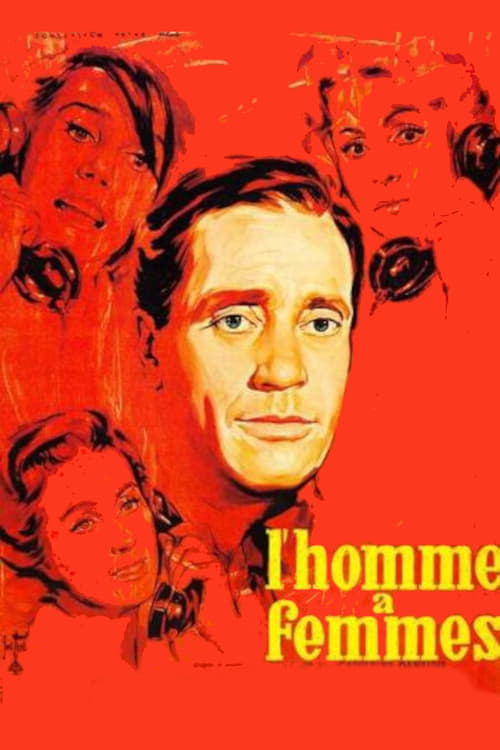
Sentimental events of a rich industrialist which turn to the criminal case.
Ladies Man
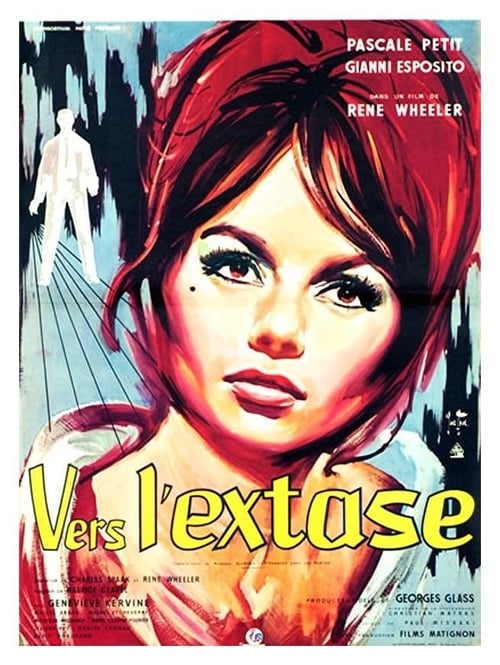
Catherine married Jérôme, a wealthy landowner living in North Africa, from a bourgeois but noxious background. While living in total family harmony, she is seized by a mystical crisis following a vision of a cleric in ecstasy. She abandons her home and worldly possessions to take a job as a maid. After a bumpy road that severely tested her spirituality, Catherine found peace by returning to live with her devoted partner.
Towards Ecstasy
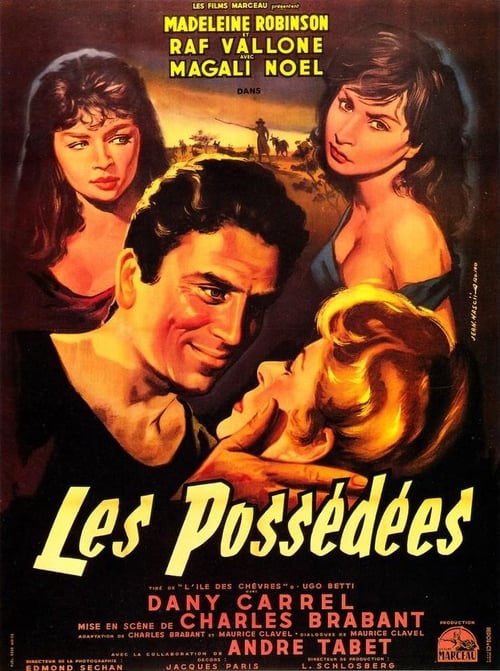
Agata, her daughter Silvia and sister-in-law Pia run a farm lost in the mountains. The hiring of Angelo, an attractive forty-something, will provoke confrontations and rivalries between the three women.
Passionate Summer
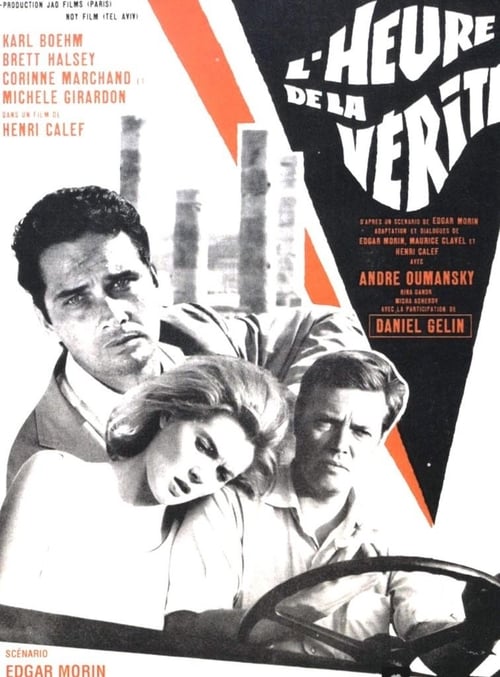
At the end of World War 2, a Nazi escapes arrest by assuming the identity of concentration camp victim. 20 years later, he is threatened with exposure. The only way out would seem to be murder. Hour of Truth was lensed largely on location in Israel.
The Hour of Truth

A voyage to the center of the thought of Michel Foucault (1926-1984), a tireless explorer of the margins, a brilliant and atypical thinker, through excerpts from his books and lectures, and the use of images that resonate with them.
Michel Foucault par lui-même
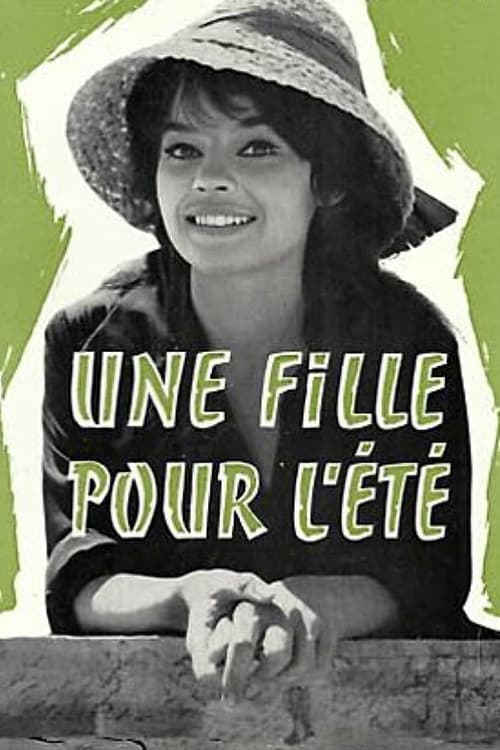
Philippe, a little known artist, has a mistress, Viviane, a woman he does not love. When he learns the bailiffs are about to seize his paintings, Philippe decides to leave alone for the French Riviera and spend, as he regularly does, comfortable and carefree holidays in the luxurious villa of his friend Paule. But, on his way, he meets Manette, a beautiful but poor girl to whom he offers to become his companion for the Summer. Manette accepts the strange deal in exchange for bed and board. As Philippe always comes in the company of his mistress of the time, the presence of Manette does not pose a problem. But the young woman soon feels ill-at-ease in such a dubious environment. moreover, she realizes that she is falling in love with Philippe, who might not be so cynical as he wants to appear.
A Mistress for the Summer

A romantic German girl is brought to France. After an interlude with an old roue, she falls in love with a simple, but married, man. She goes to work for him as a servant, but after a night of love with him, she commits suicide.
Mina de Vanghel
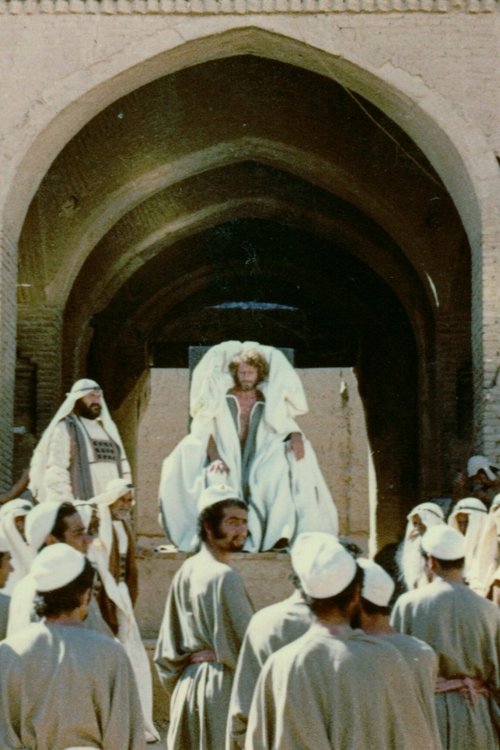
Inspired by the biblical legend, this movie retells the meeting of the Queen of Sheba and King Solomon and the fight of the most beautiful pagan queen to awaken, in the ruler of Israel's heart, a love other than that of heavenly Jerusalem. Having come from her country (located in present-day Yemen) with a caravan and gifts to meet this king known for his wisdom and glory, the queen Balkis embarks on a seduction campaign that soon succeeds. However, she obscurely feels that she will have no real power over him until she breaks down this obstacle between them: his faith.
La Reine de Saba
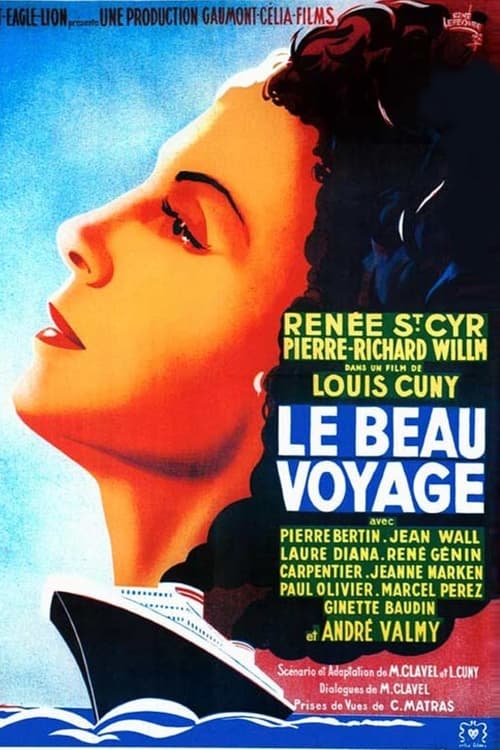
She dragged out a more than mediocre life in the port of Antwerp; he is a renowned pianist-virtuoso. These two solitary beings, totally different, meet by chance on a liner and gradually realize that they complement each other harmoniously.