Acting
An anthology of erotic stories by famous writers like Guy de Maupassant, Nicolas Edme Restif de La Bretonne, Marquis de Sade, Giovanni Boccaccio, Marquis de Foudras, Daniel Defoe, Anton Tchekov, Jin Ping Mei, and Aristophanes.
Jacques Mesrine, a loyal son and dedicated soldier, is back home and living with his parents after serving in the Algerian War. Soon he is seduced by the neon glamour of sixties Paris and the easy money it presents. Mentored by Guido, Mesrine turns his back on middle class law-abiding and soon moves swiftly up the criminal ladder.
No description available.
A man struggles to survive after being shipwrecked on a deserted island.
Miriam and Antoine have recently separated. While she’s willing to permit their 17-year-old daughter Josephine to decide living arrangements for herself, Miriam is desperate to keep her youngest, 11-year-old Julien, away from his father. But the magistrate rules in favour of joint custody, and suddenly the boy is thrown directly into the middle of an escalating parental conflict, where it seems inevitable that sides must be chosen.
An ambitious teaching student's finals studies are interrupted by a passionate affair with a jazz musician.
Based on the 2000 book of the same name by Emmanuel Carrère, it is inspired by the real-life story of Jean-Claude Romand. L'Adversaire's protagonist Jean-Marc Faure (Auteuil) pursues an imaginary career as a doctor of medicine in a plot more closely based on Romand's life and Carrère's book than was Laurent Cantet's 2001 film L'Emploi du Temps. The film was nominated for a Palme d'Or at the 2002 Cannes Film Festival.
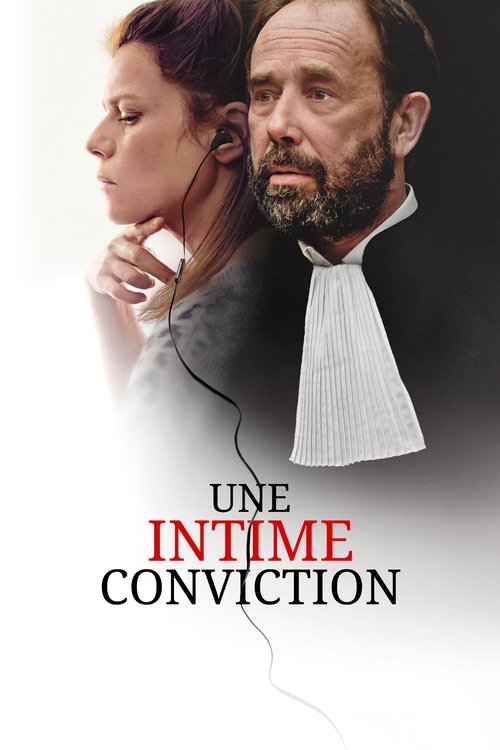
Ever since she served on the jury during his trial, Nora has been convinced that Jacques Viguier is innocent, despite him being accused of murdering his wife. Following an appeal by the public prosecutor’s office, and fearing a miscarriage of justice, she convinces a leading lawyer to defend him during his second trial, on appeal. Together, they will put up a tenacious fight against injustice.
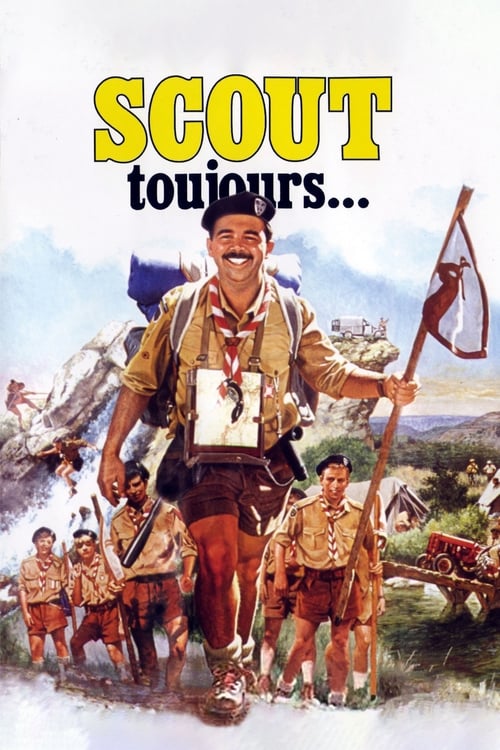
France, 1965 - An aging mamma's boy becomes the replacement leader of a rowdy group of teenage boy scouts who make his life miserable.
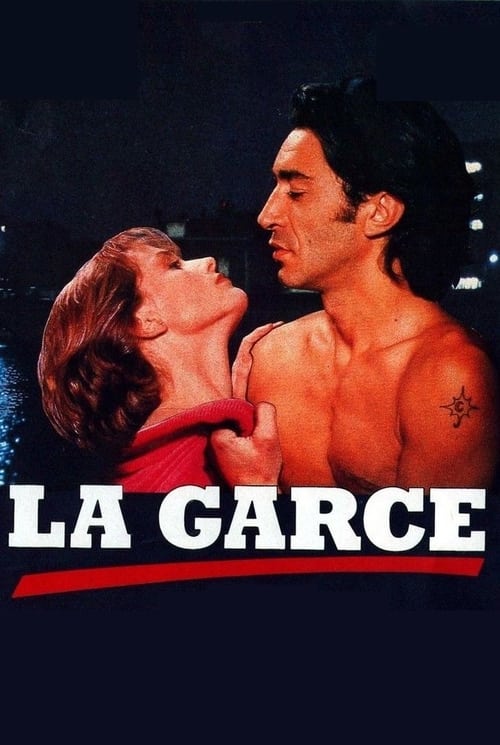
After serving time for sexual assault, a disgraced cop finds work as a private detective and becomes enmeshed in a bizarre web that includes a gangster and his former girlfriend…the same woman who sent the cop to prison years before.
In Brazzaville, in 1944, Alex Emmerich was sentenced to wander the seas by Hélène Latray, the wife of Félix Beauvois, the man Alex loved. In 1962, exiled on Hatray cruises and feeling the coming death, Alex decides to compose for his love a testament: the photographic report of his agony.
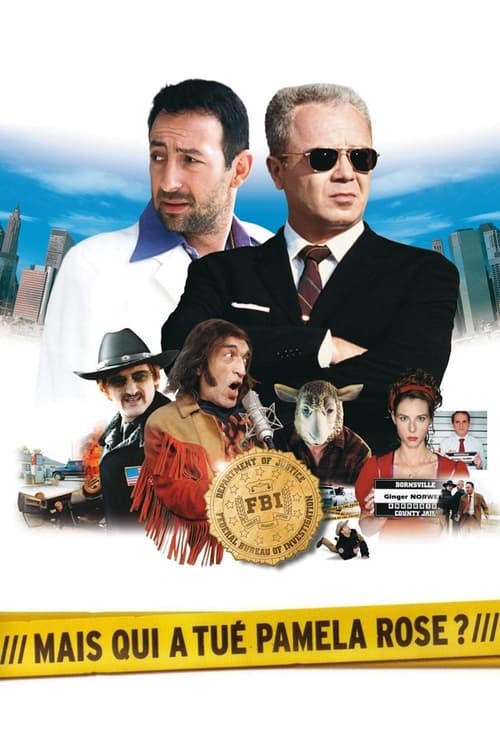
FBI Agents Bullit and Riper investigate the murder of a young dancer called Pamela Rose, found dead in her motel room in Bornsville, a small american town. Despite their differences, they must team up: the local police is hostile and they can only count on themselves to solve the crime. They meet Ginger, Pamela's best friend, and discover soon enough she knows more than she says.
Walter is told by his boss, Sara, to deliver an urgent letter to Henri de Corinthe. On the way he finds a beautiful woman he had been eying in a nightclub, lying in the road, bound up. He takes her to a villa to get a doctor, and ends up being locked in a bedroom with her. While she is making love to him, he has visions of surrealistic images from René Magritte's paintings. In the morning, the girl, Marie-Ange, has vanished, the villa looks derelict, and his neck is bleeding. Was it all just a nightmare?
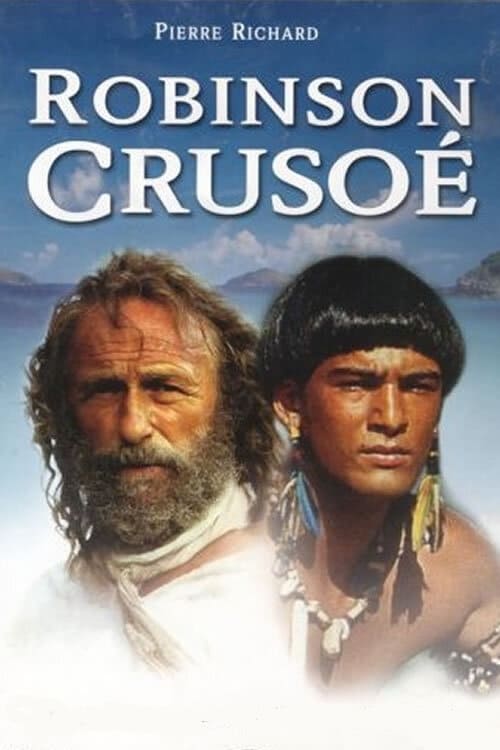
The classical story of Robinson Crusoe, a man who is dragged to a desert island after a shipwreck.
Michel Berthier, a senior executive at a mattress manufacturing company, has just been fired. As he does not dare to tell the truth to Juliette, his partner, he goes into debt to maintain the family’s standard of living, showering them with gifts. But soon he can no longer lie, and he decides to leave the house. After losing his money, his car, and his shoes, he meets Toubib, Mimosa, and Crayon, three “homeless” people who wash themselves in the restrooms at the Gare de l’Est. They take him under their wing and lead him to break into his former company in order to get sleeping bags and beds.
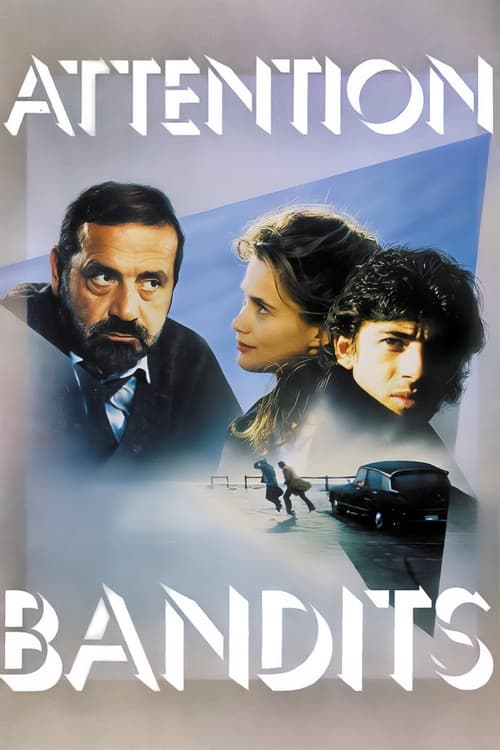
On the day Jean Gabin dies, a kidnaper who also takes a fortune in jewels heisted from Cartiers murders Simon Verini's wife. (Simon was fencing the jewels for a youthful gang who robbed Cartiers; he suspects them of the murder.) He's framed for the theft and spends ten years in prison, writing to his daughter, Marie-Sophie, who's 11 when he's sent away. Released, he reconnects to Marie-Sophie and to the young thieves, seeks revenge, and is quickly arrested again. She doesn't know what to make of her father, retreats to her Swiss fiancé, and is flummoxed when one of the young thieves falls for her. Is resolution possible when crime cuts across families and romance?
Several lives intersect when a middle-aged woman is left by her husband, and she decides to trek him down with the help of her equally troubled sister.
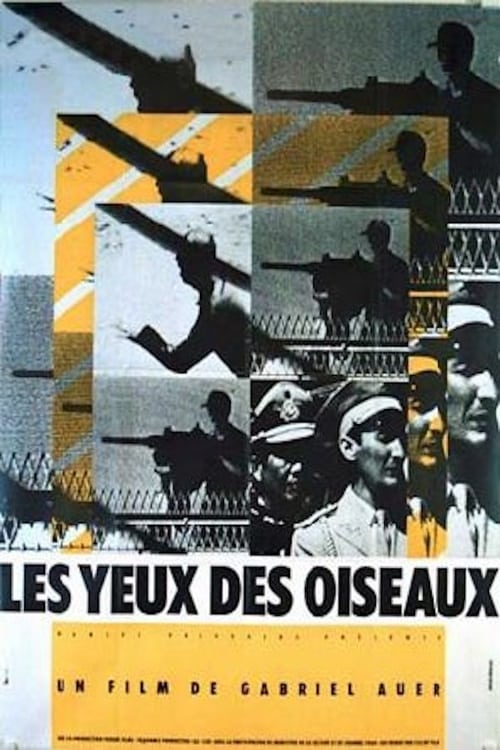
A Red Cross inspection team visits a prison and holds interviews with a range of inmates.
A small, old-fashioned cafe in a suburban square, opposite the cemetery, the Hirondelle. Every day at half past six, the customers dance with their stories and tirades, totally amazing.
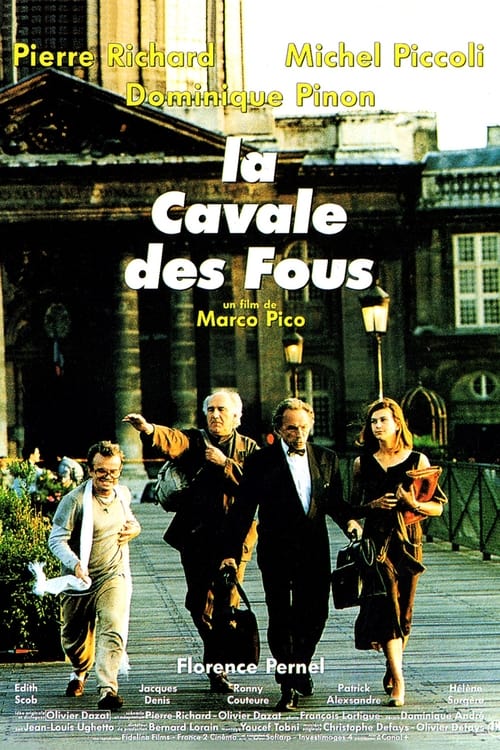
This comedy brings Pierre Richard and Michel Piccoli together onscreen once again. In the story, former professor Henri Toussaint Piccoli has been locked away in a psychiatric ward for some years for trying to strangle his wife when he found her in bed with another man. Now she has a terminal illness, and wants some sort of reconciliation with him. His therapist (Richard) decides to permit him to visit with her, provided he comes along. Except for his wide mood swings and occasional outbursts of lewd muttering, the professor "passes" for sane fairly easily. Not so the psychotic (Dominique Pinon) who stows away in the psychiatrist's car, who constantly calls attention to the other two.